Interview Suits

Navy first. Charcoal second. Black only where the industry is genuinely formal.
Filter
Fabrics
Model

Getting Married?
We've got great options for wedding parties.
ChatGPT_Image_Aug_1_2026_06_06_20_PM121

Own The Room In Garments Custom Made For you

Forget The Fitting Room

Create your custom size from anywhere with our Digital Tailor - measuring tape optional. Learn more

Be The Lead Designer

  • Go with the designer selections or create your own look with our industry leading configurator.

Love The Way You Look

Our Fit Promise covers any issues - we'll offer covered alterations and free remakes. Learn more

Shop Confident - Free Returns

  • Try Sartoro risk free with free first order returns. Unsure about the fabric color? Order samples

COTTON STRETCH

Made To Move With You

Our stretch cotton fabrics have just enough give to extend range of motion without sacrificing the look and feel of the garments. Available in both classic colors and bold hues, these are perfect for those wanting a bit of extra comfort.

Interview Suits for Men: How to Choose the Colour, Pattern and Fit

Interview Suits for Men, Custom Made to Your Measurements

A suit chosen for one room: the one where someone decides about you in the first few seconds. An interview suit has a narrower job than a wardrobe suit — look considered, and be the thing nobody remembers afterwards. That leaves three decisions carrying the whole result: colour, pattern and weight. Everything here is custom made to your own measurements, so there is no stock size to work around.

Start With the Colour

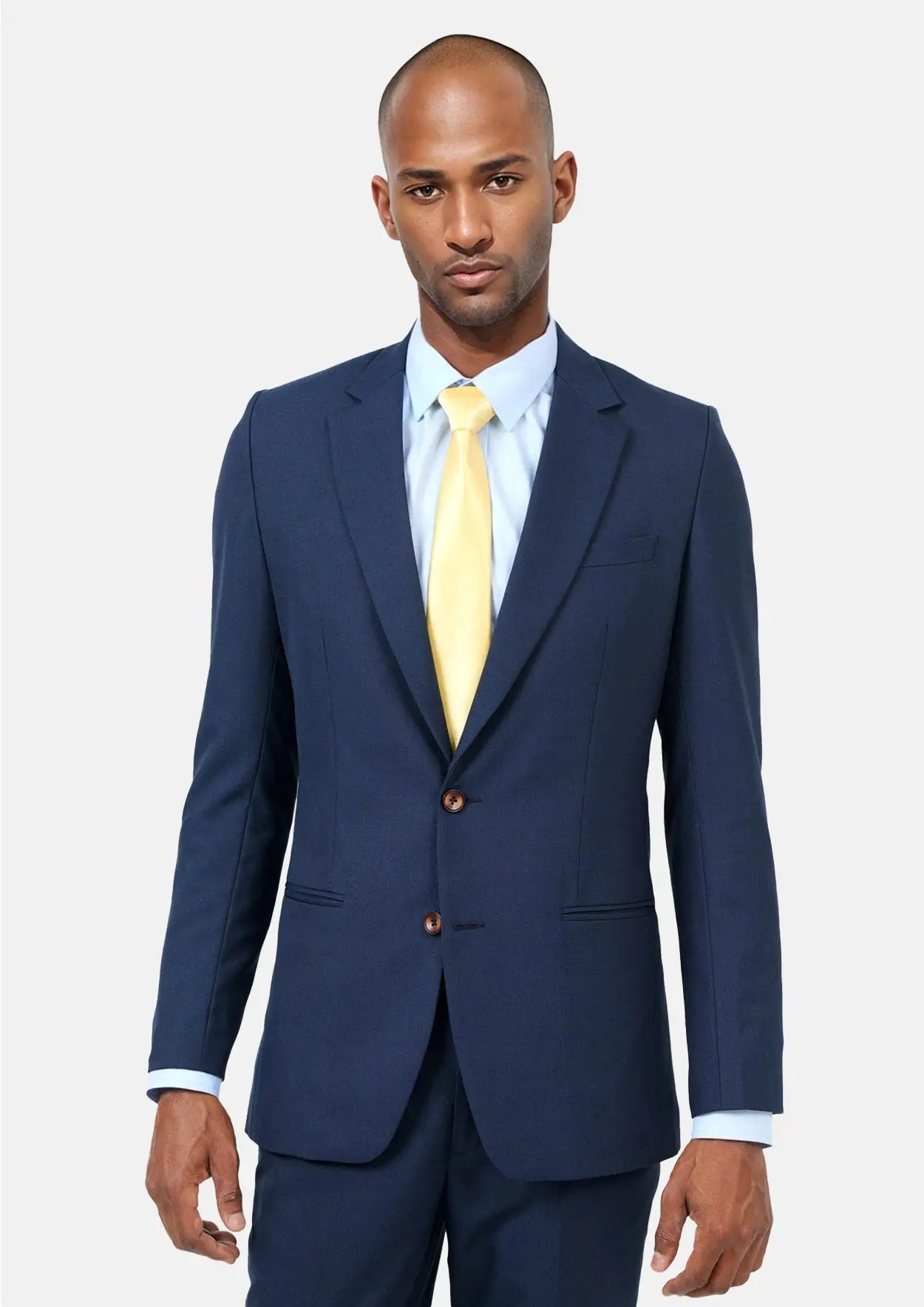
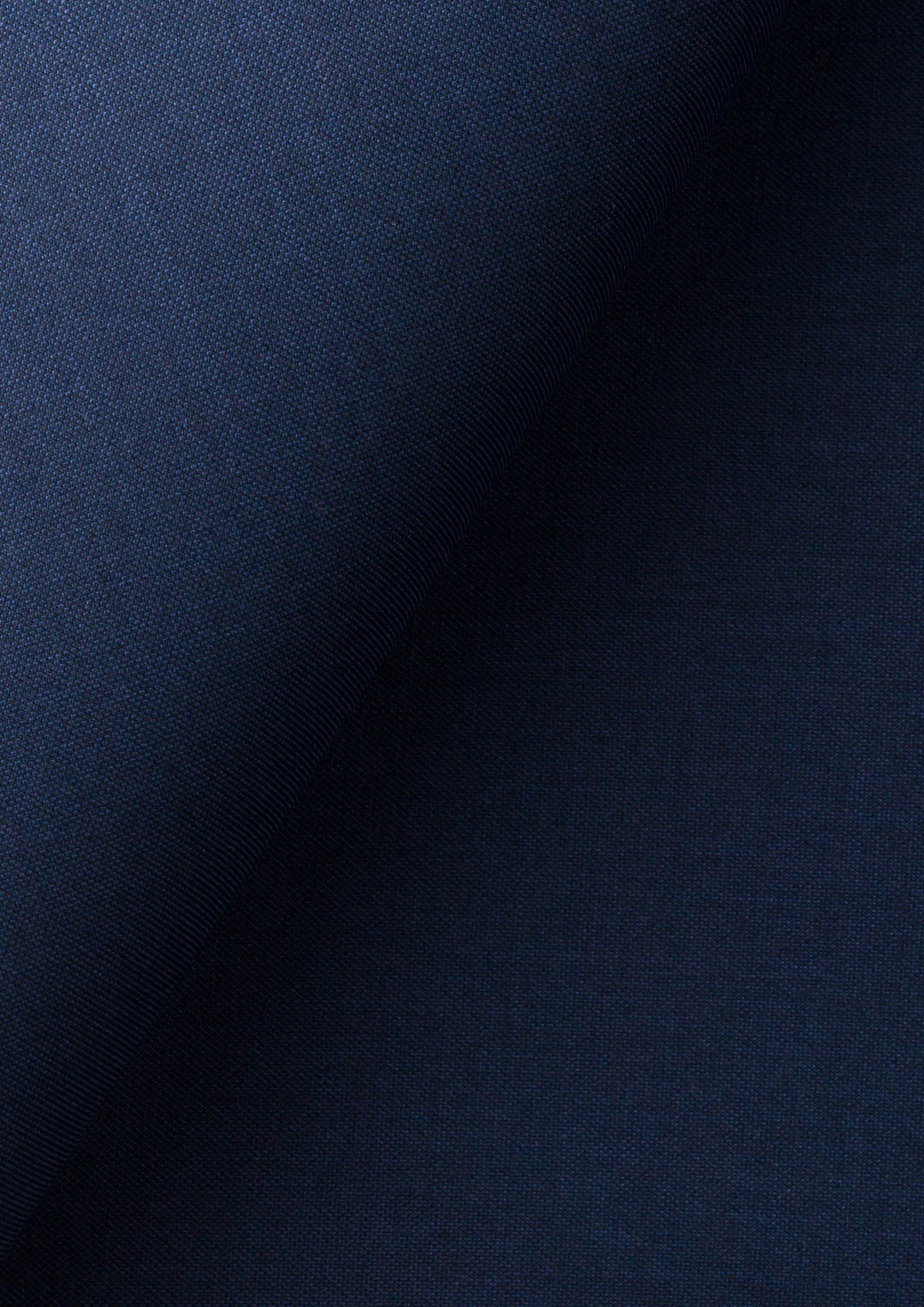
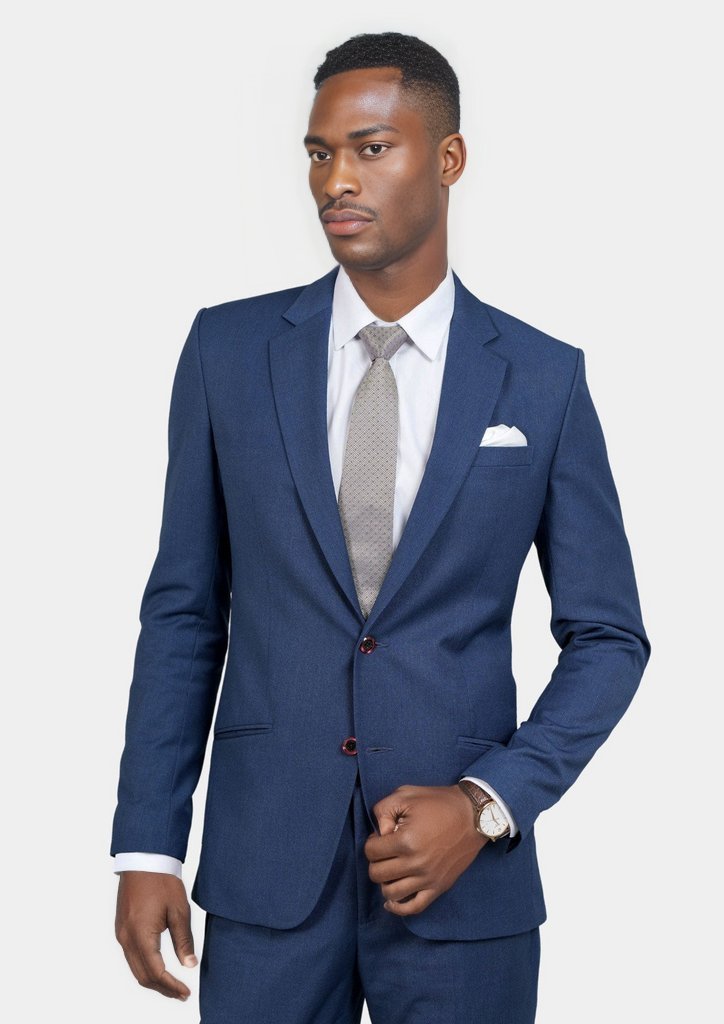
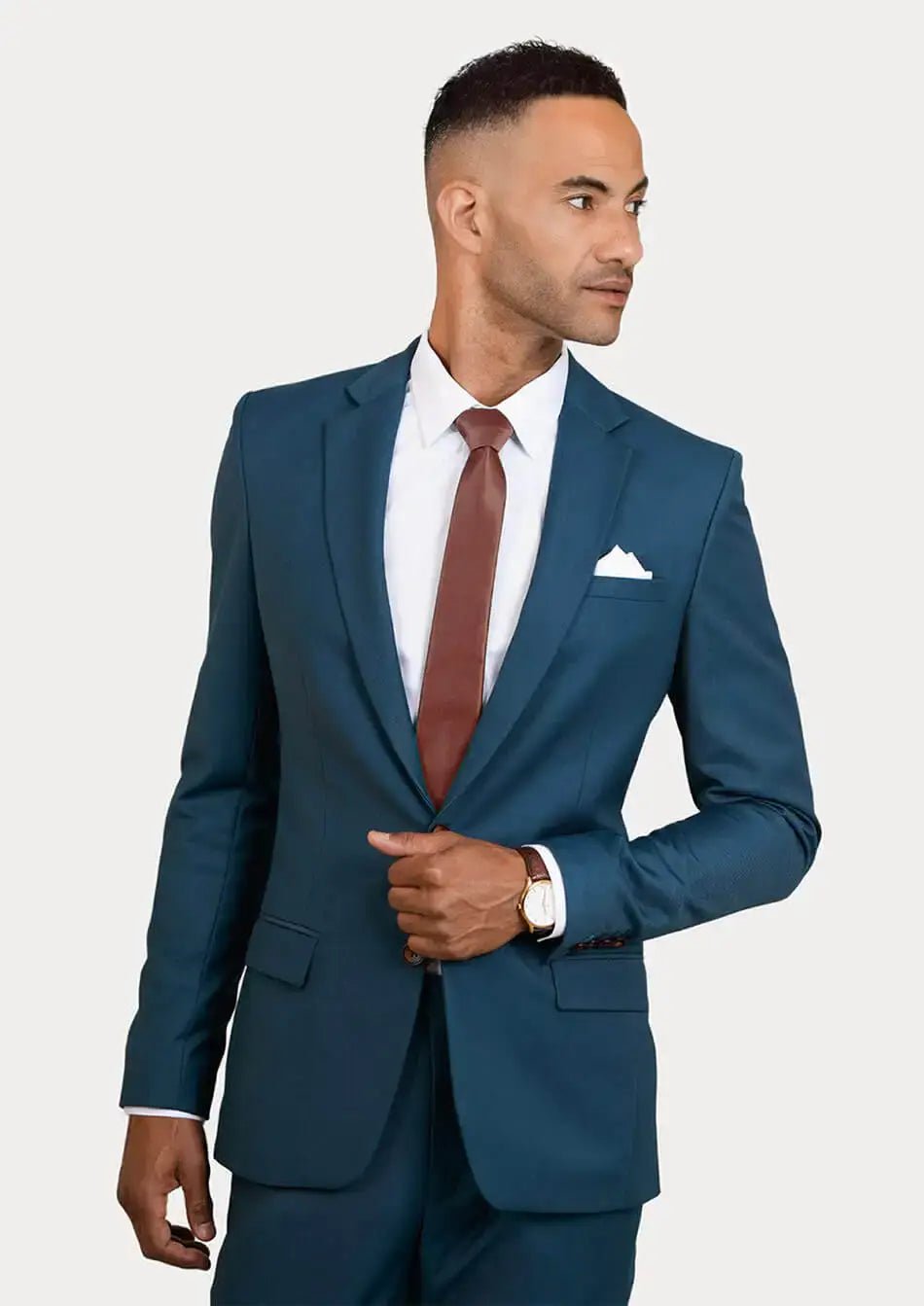
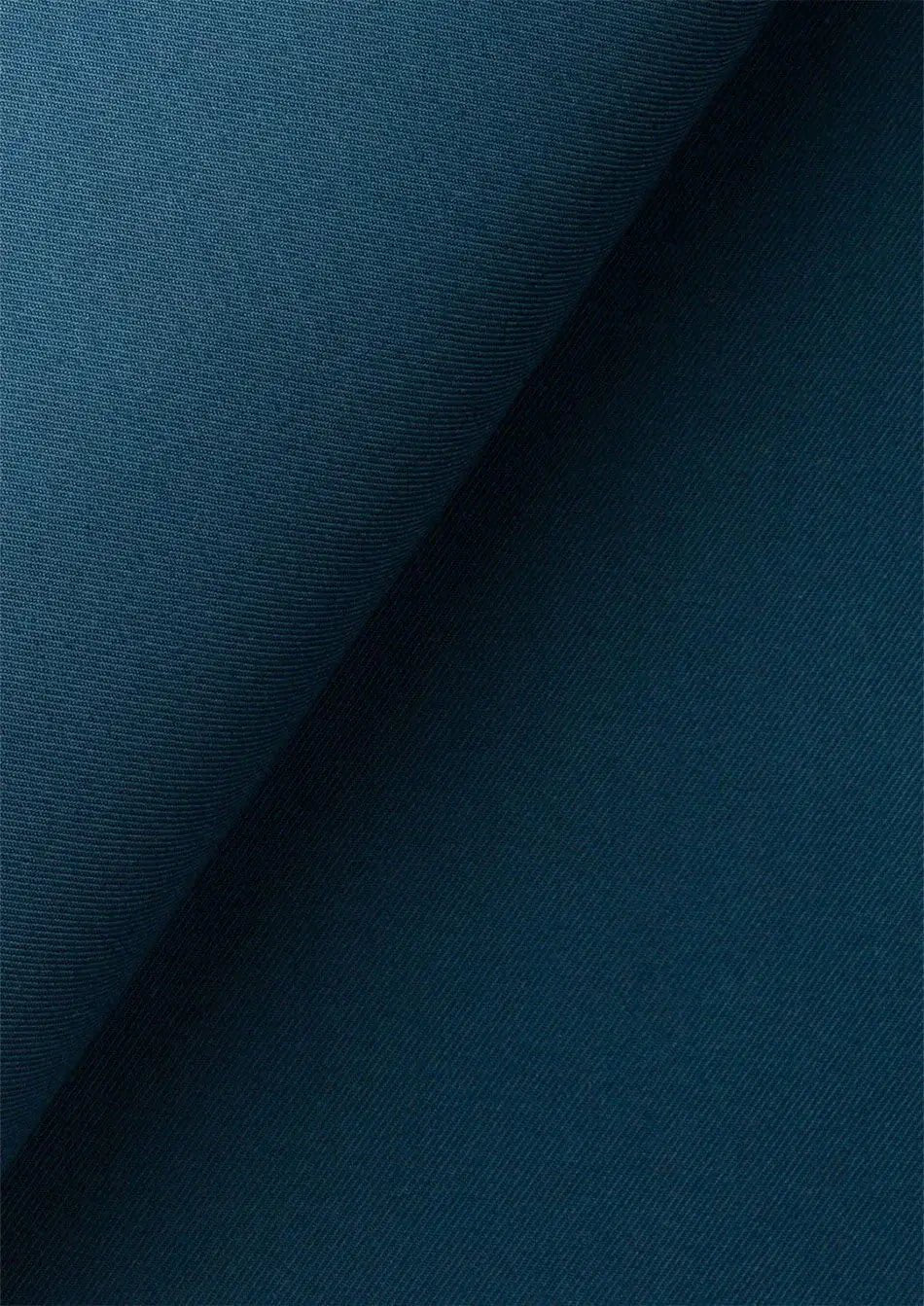
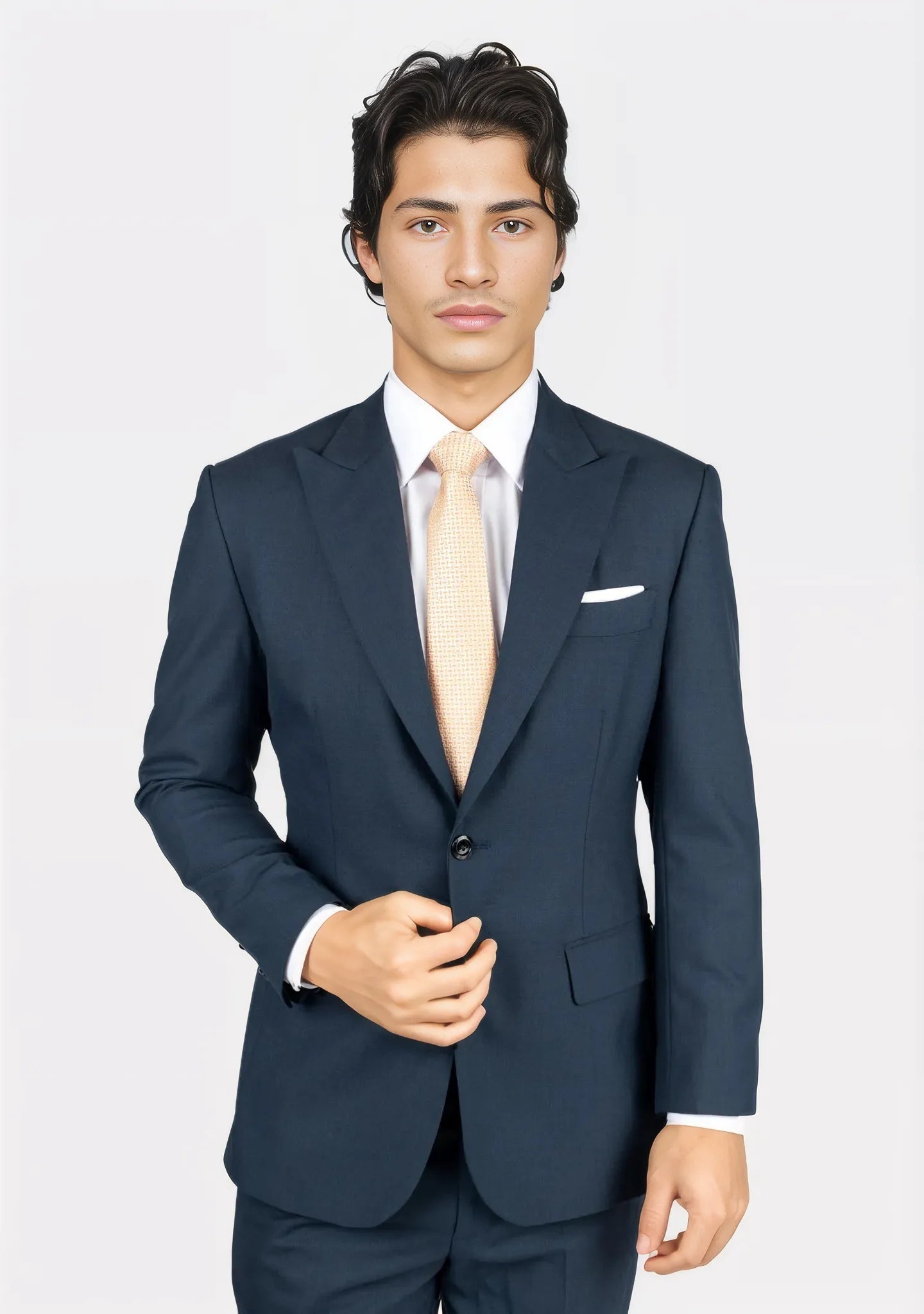
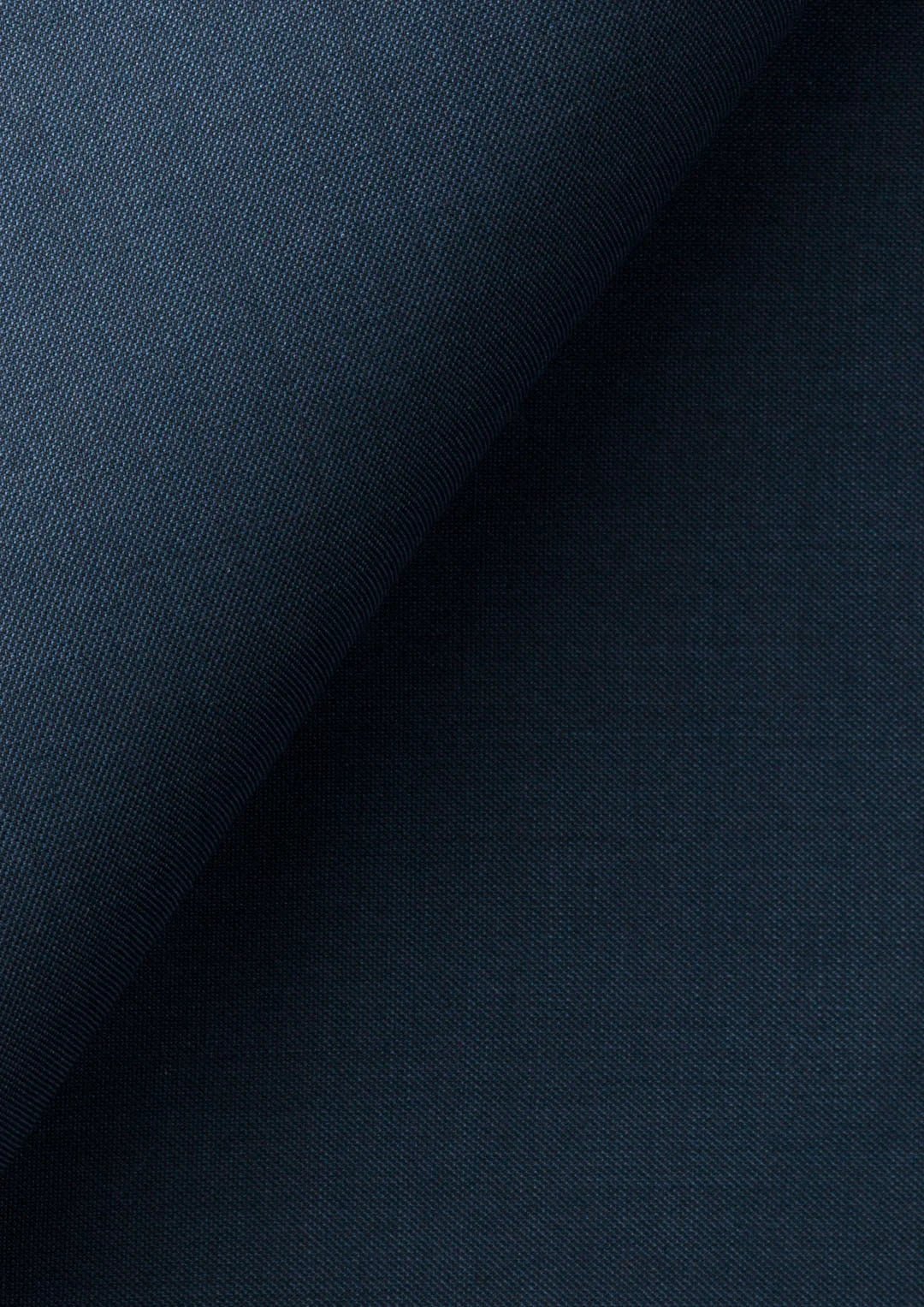
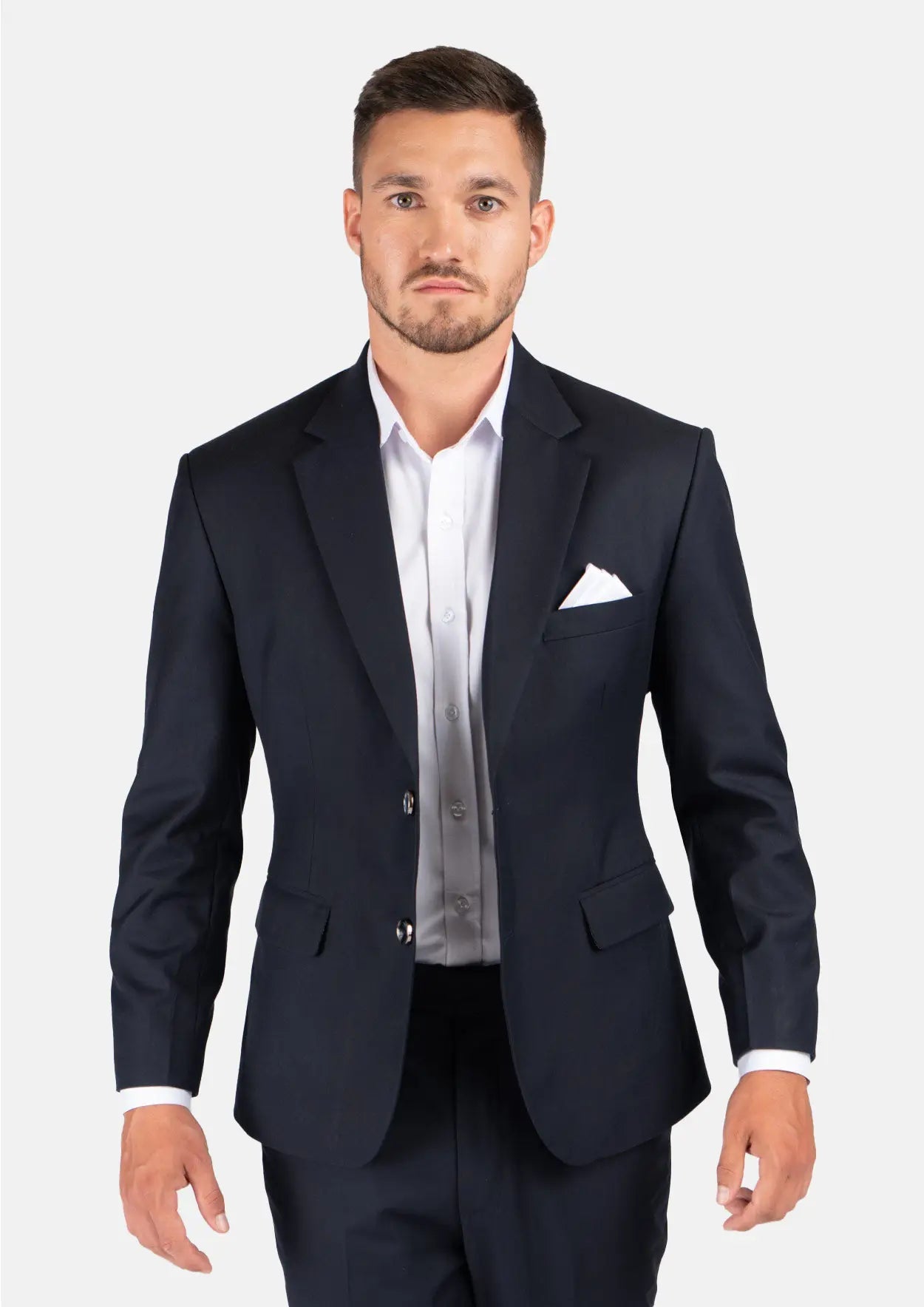
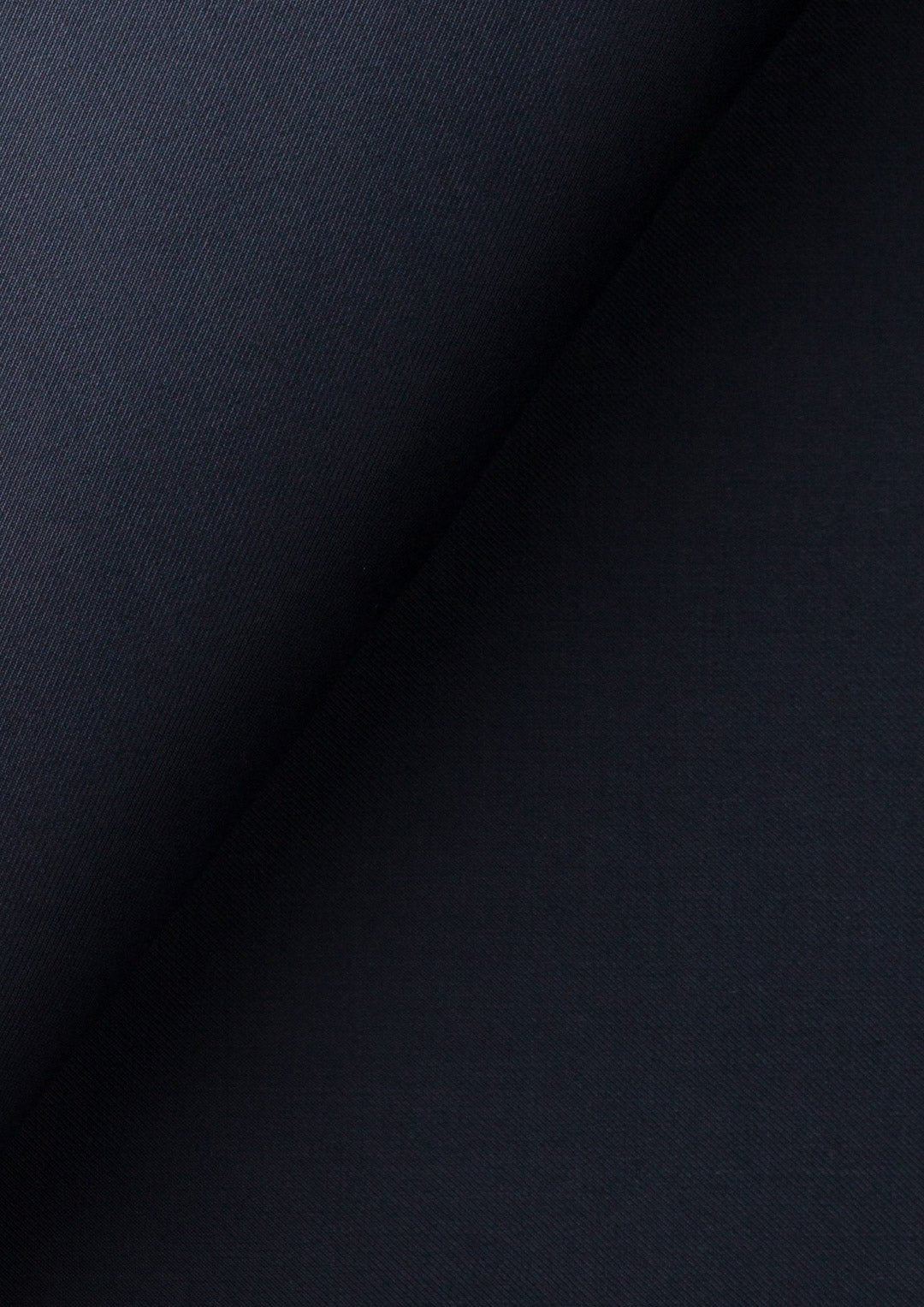
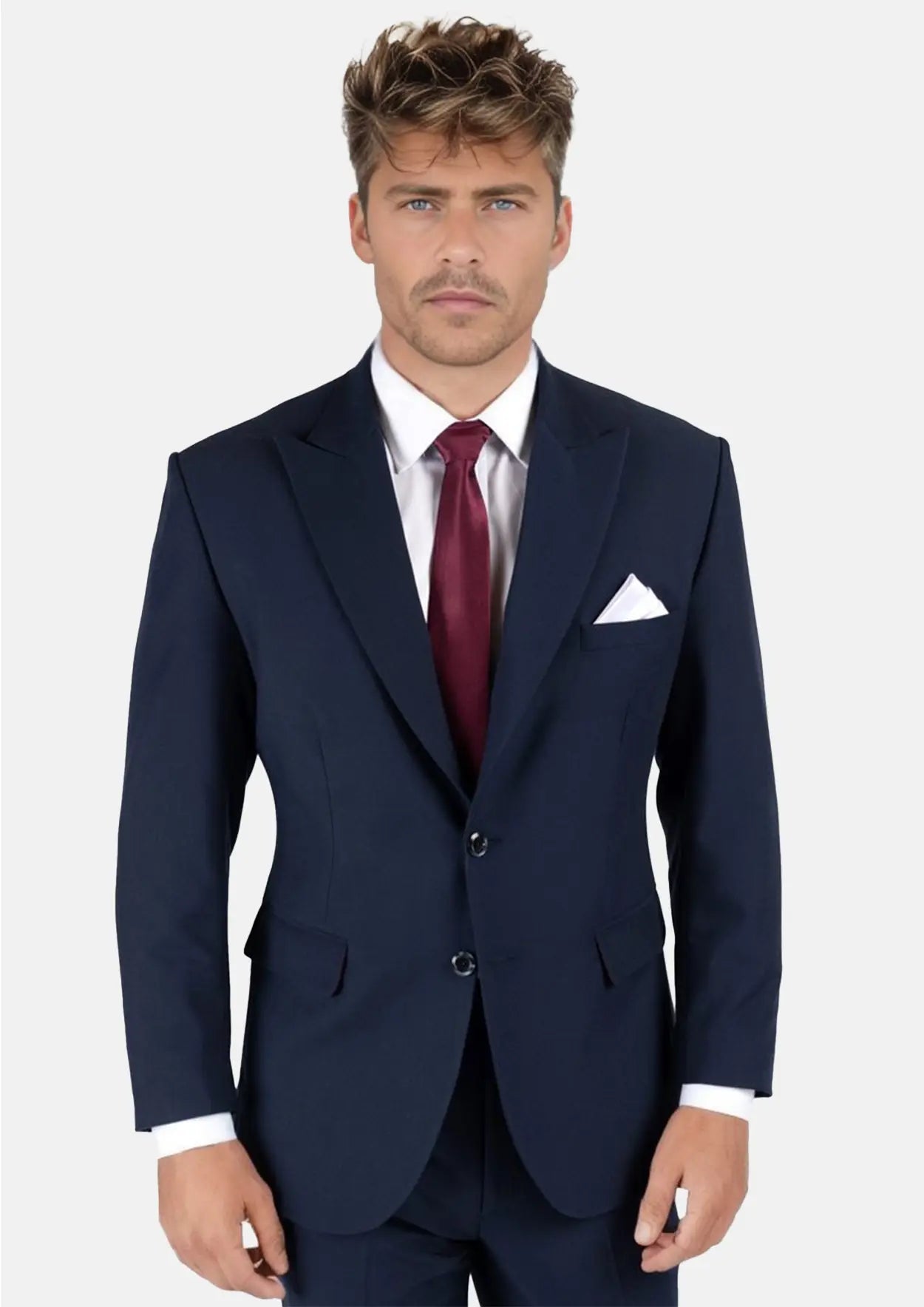
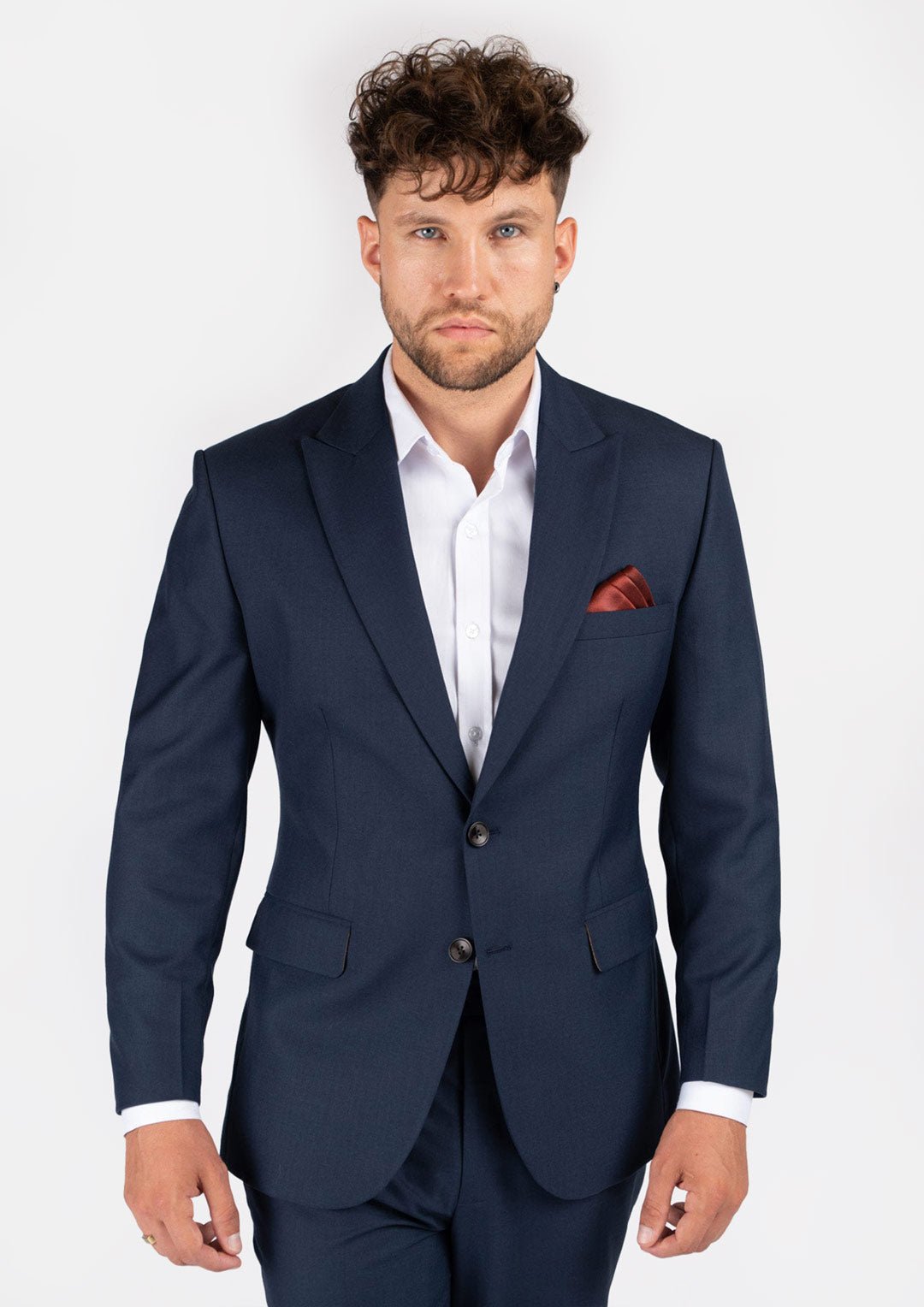
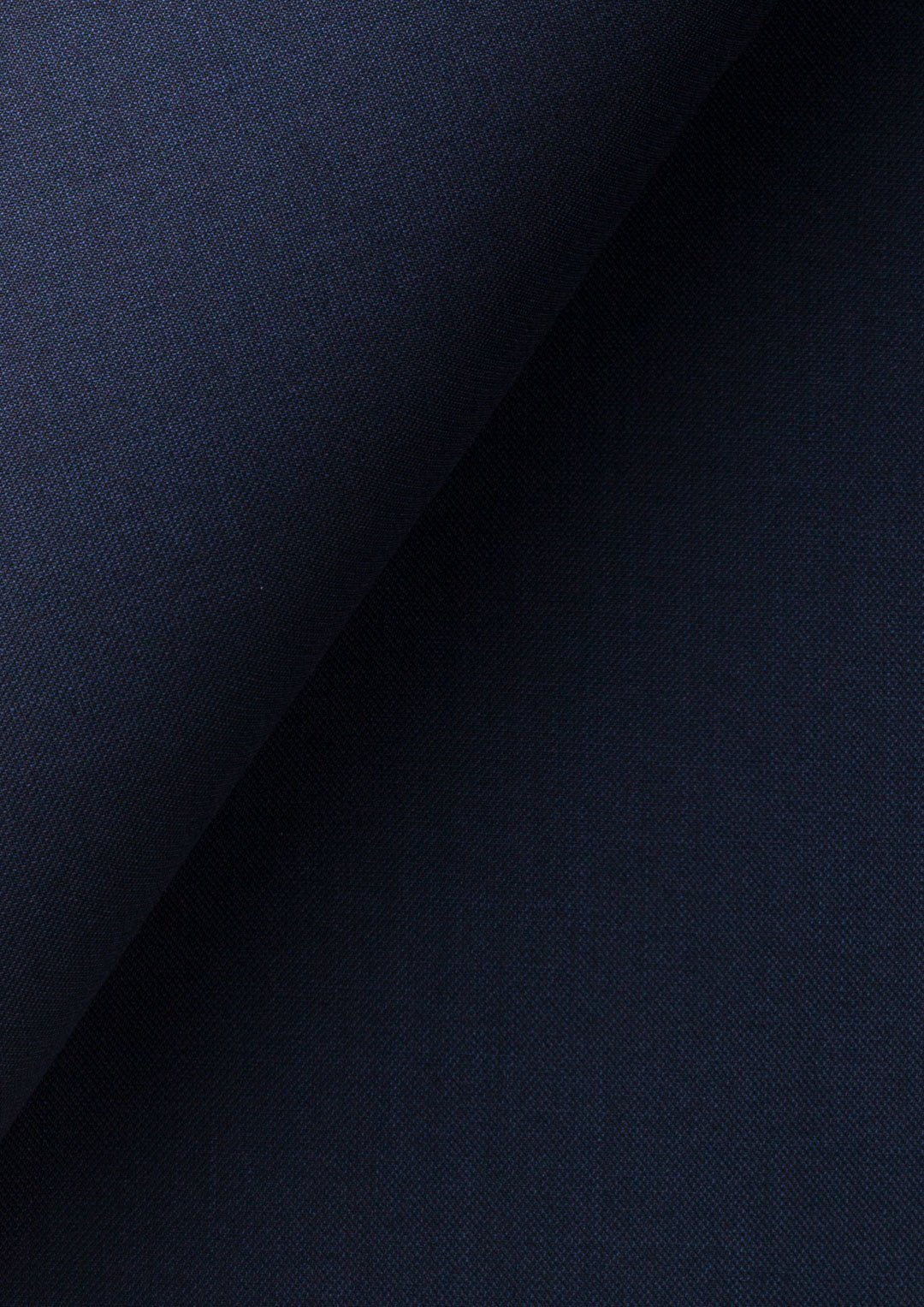
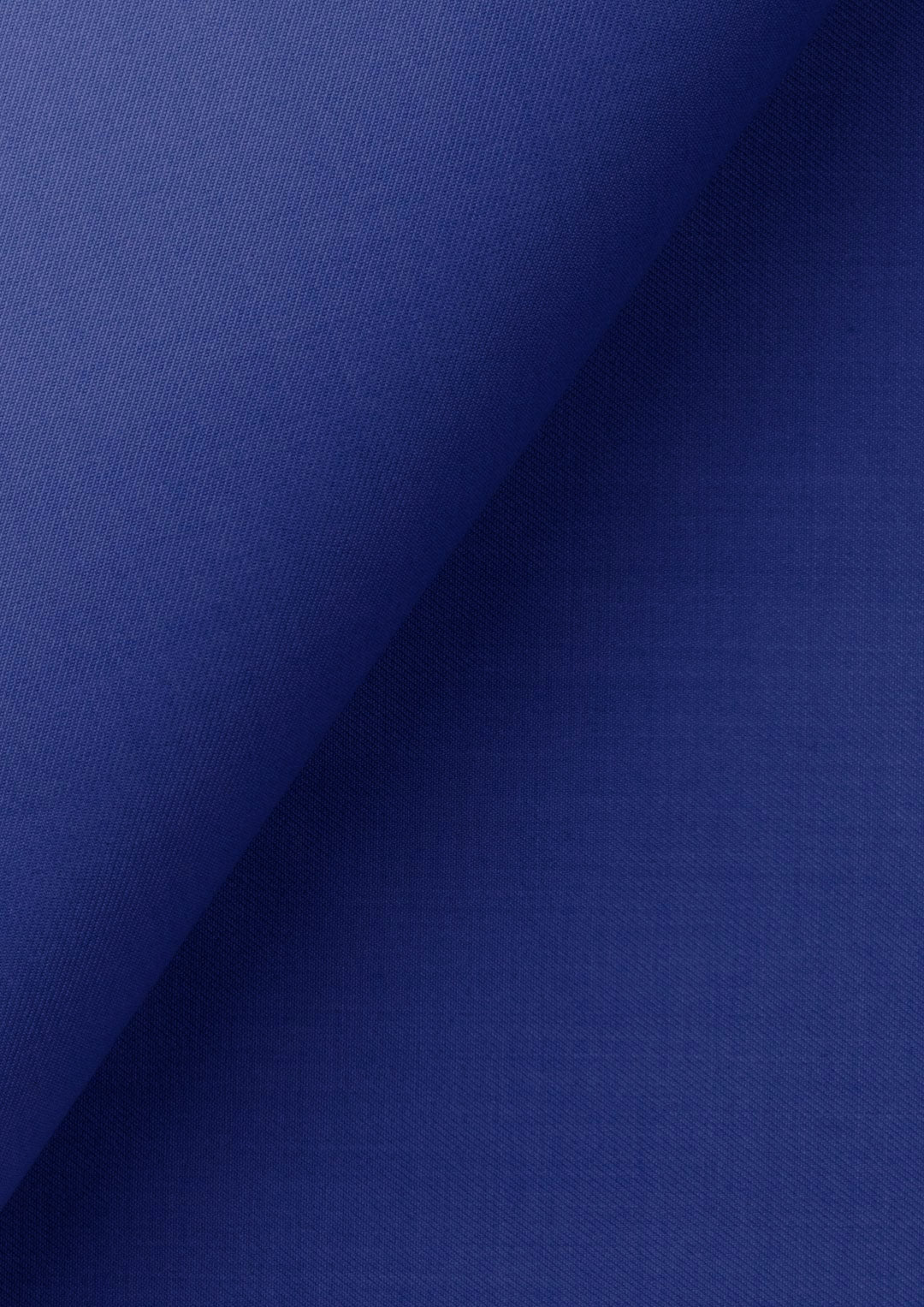
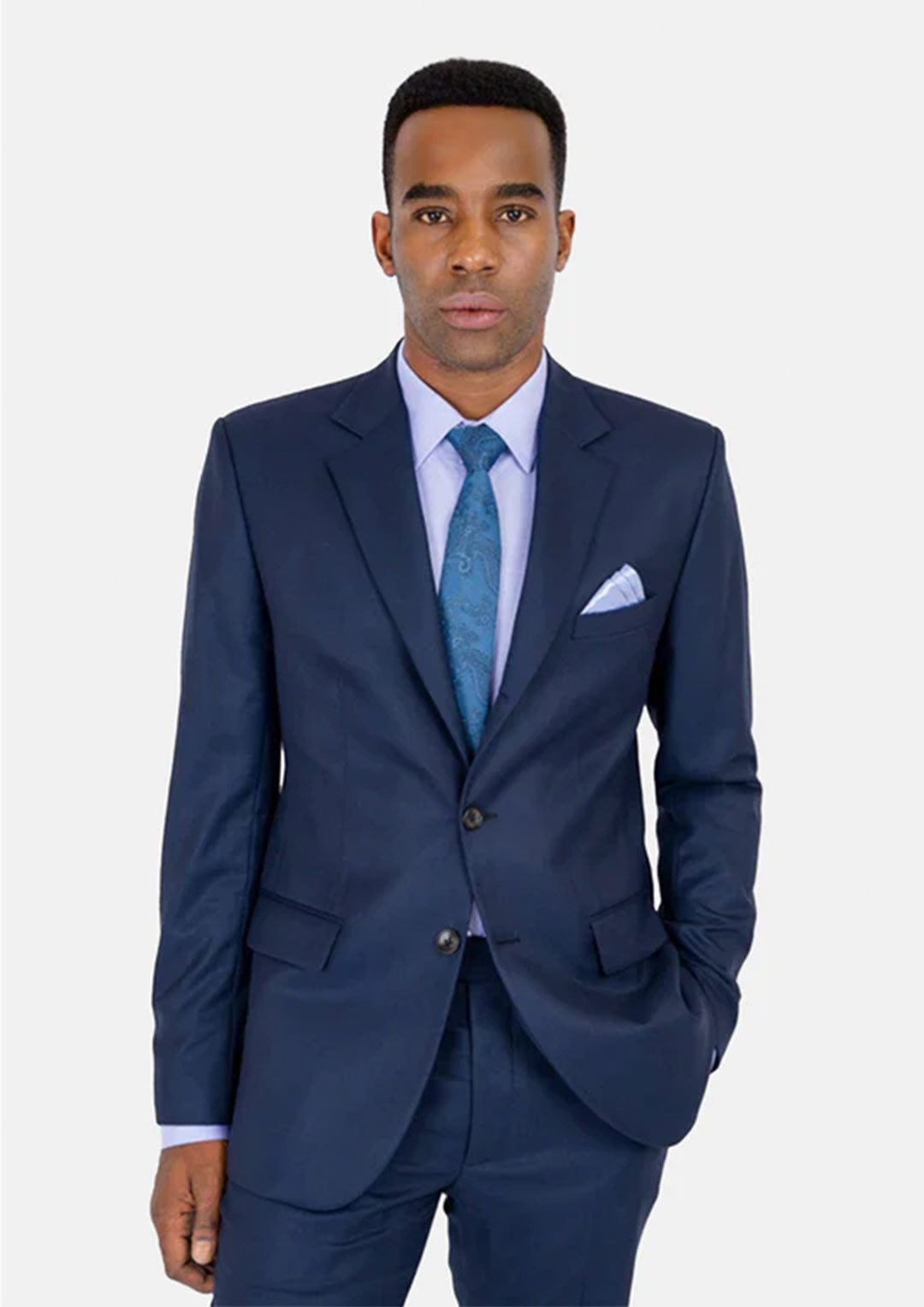
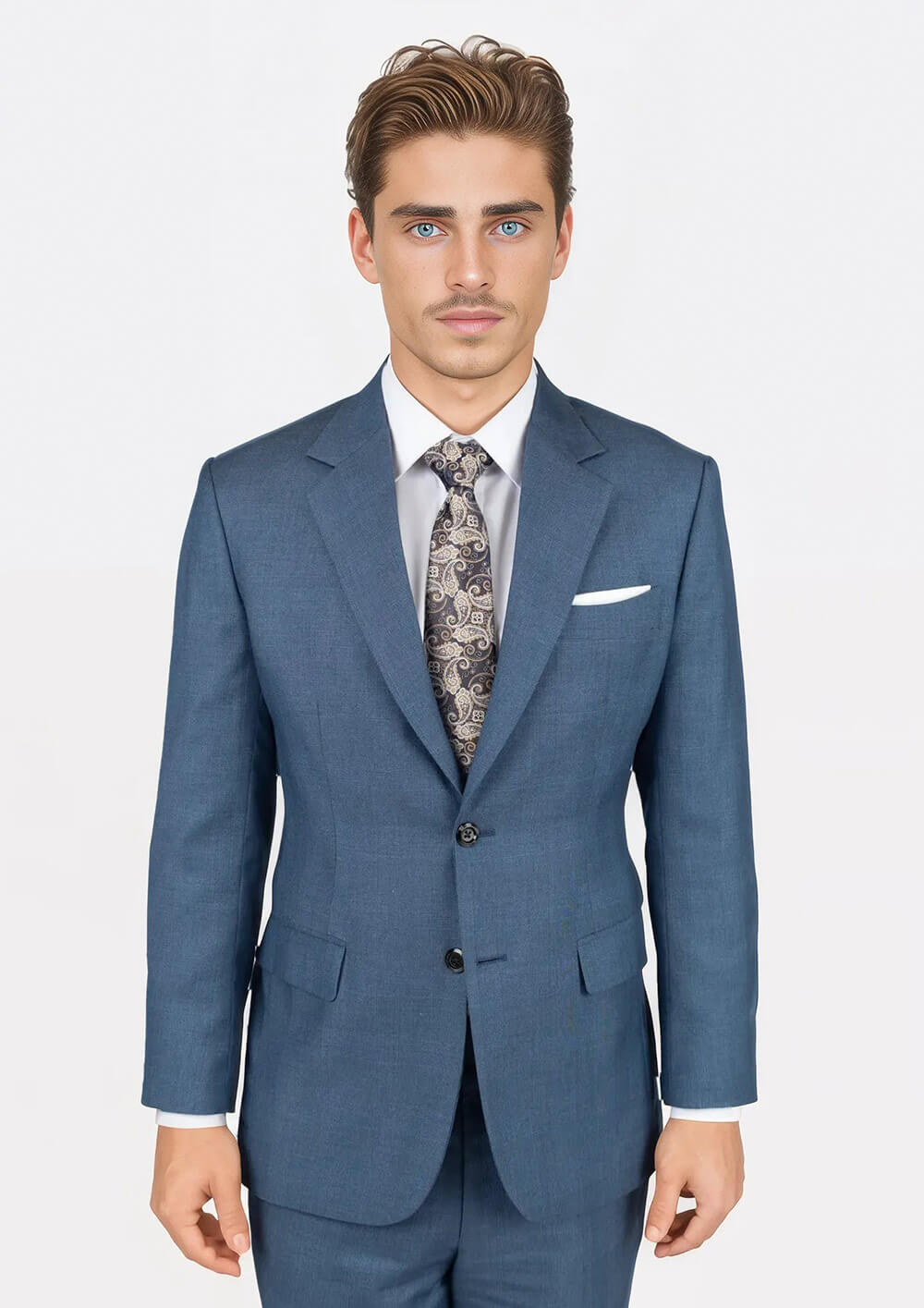
Navy is the answer for most interviews. It reads professional in daylight, holds up under office lighting and photographs cleanly on a video call — the Astor Dark Navy Twill Suit is the plainest version of that idea. Charcoal is the equally safe alternative when you want to read a half-step more senior. Black is the one to think about rather than default to: it is the most formal colour a suit comes in, and in daylight it can read closer to evening than to work.

Keep the Pattern Quiet

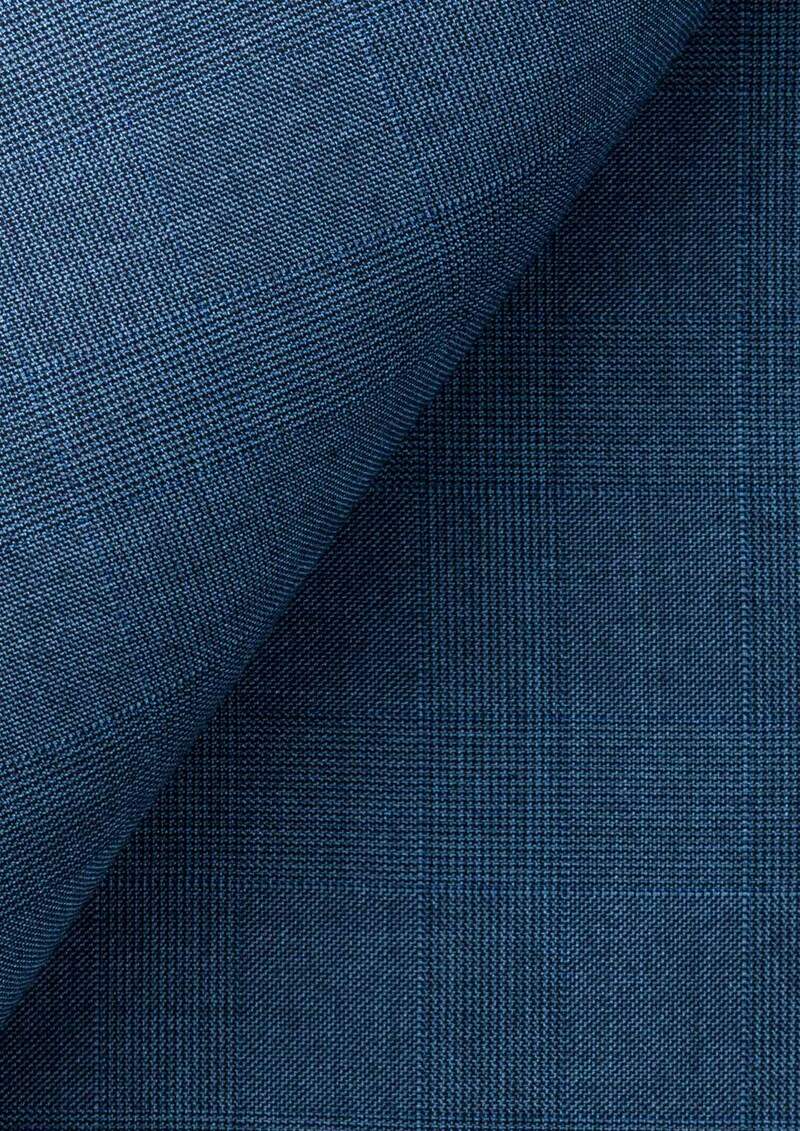
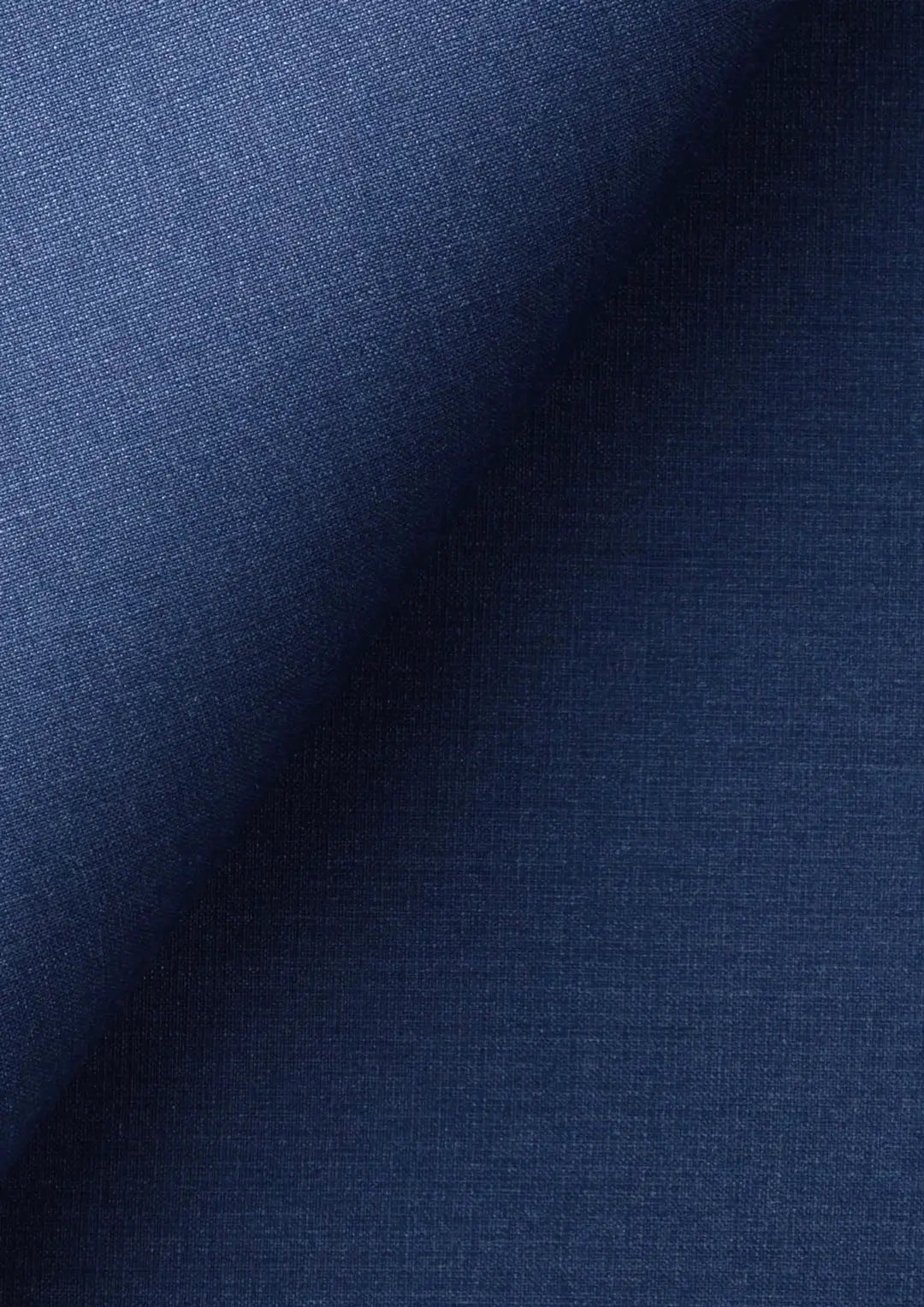
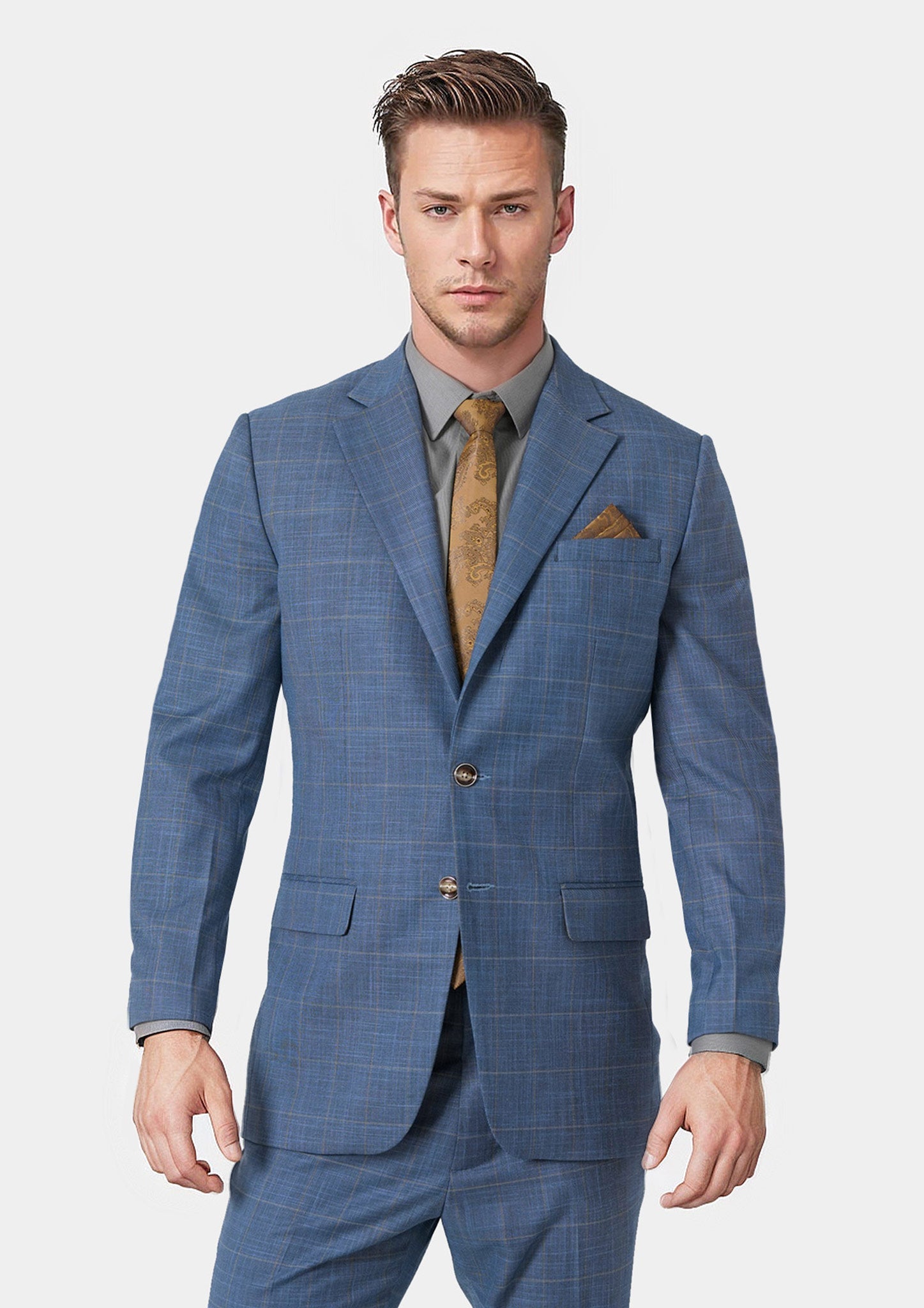
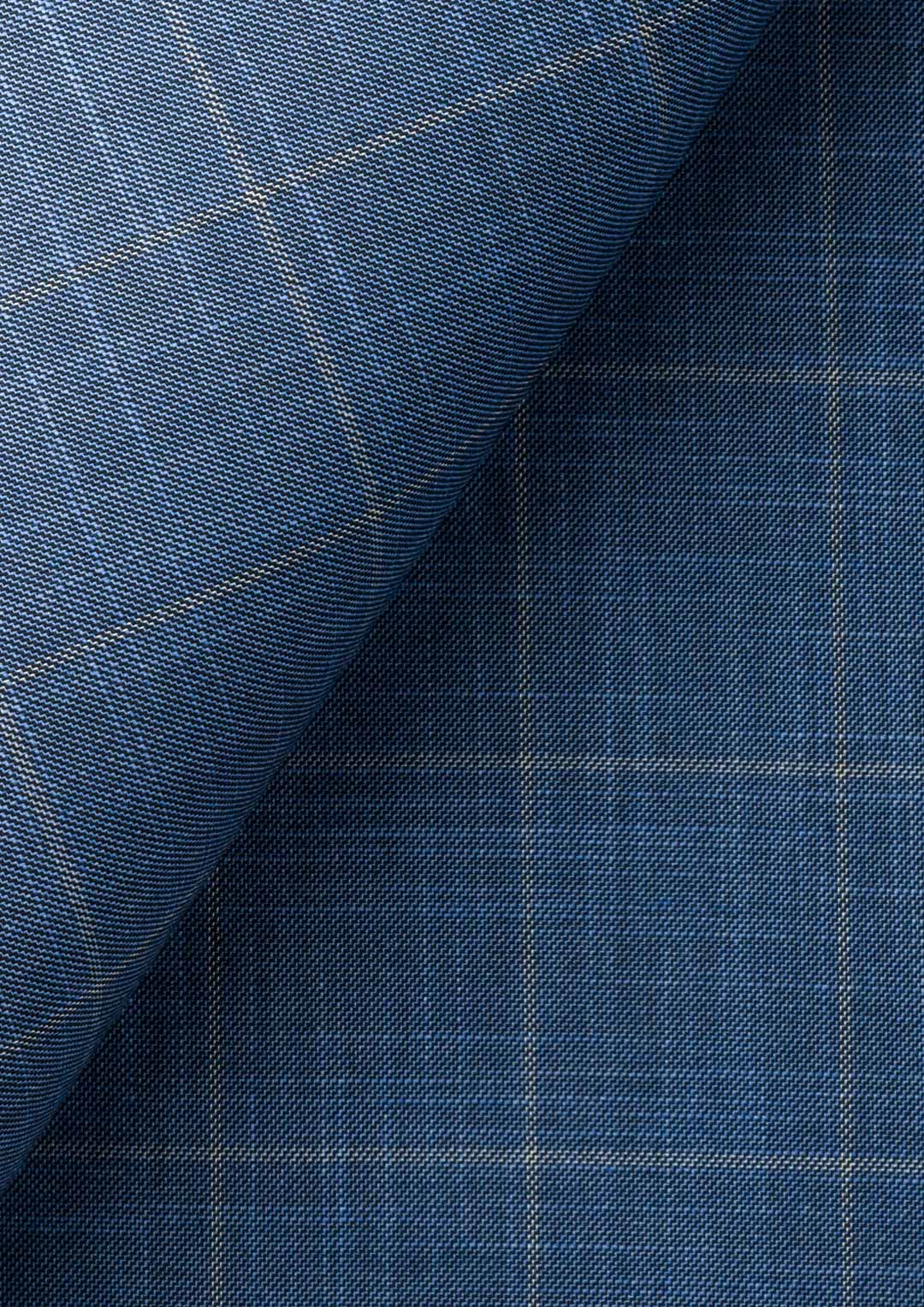
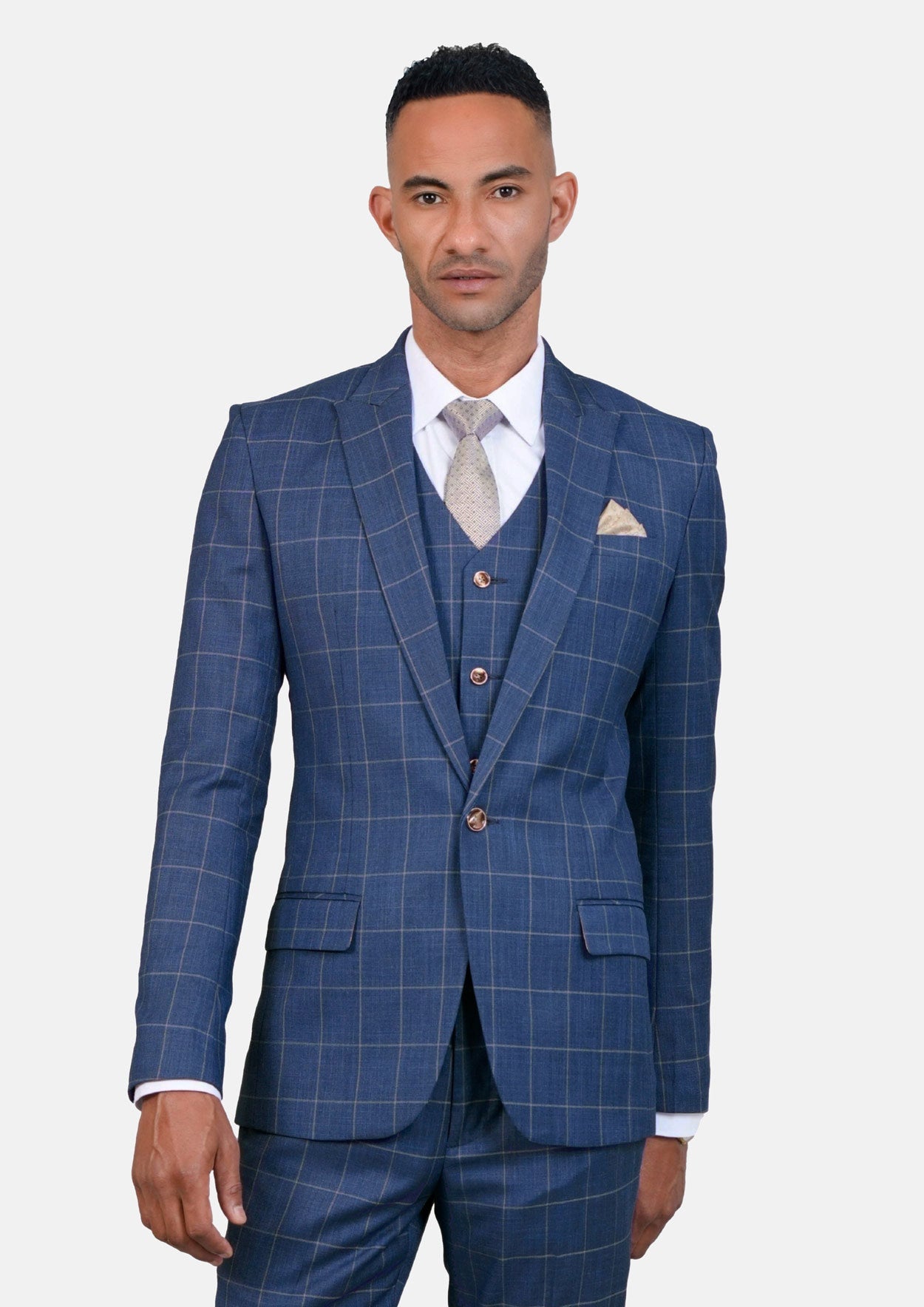
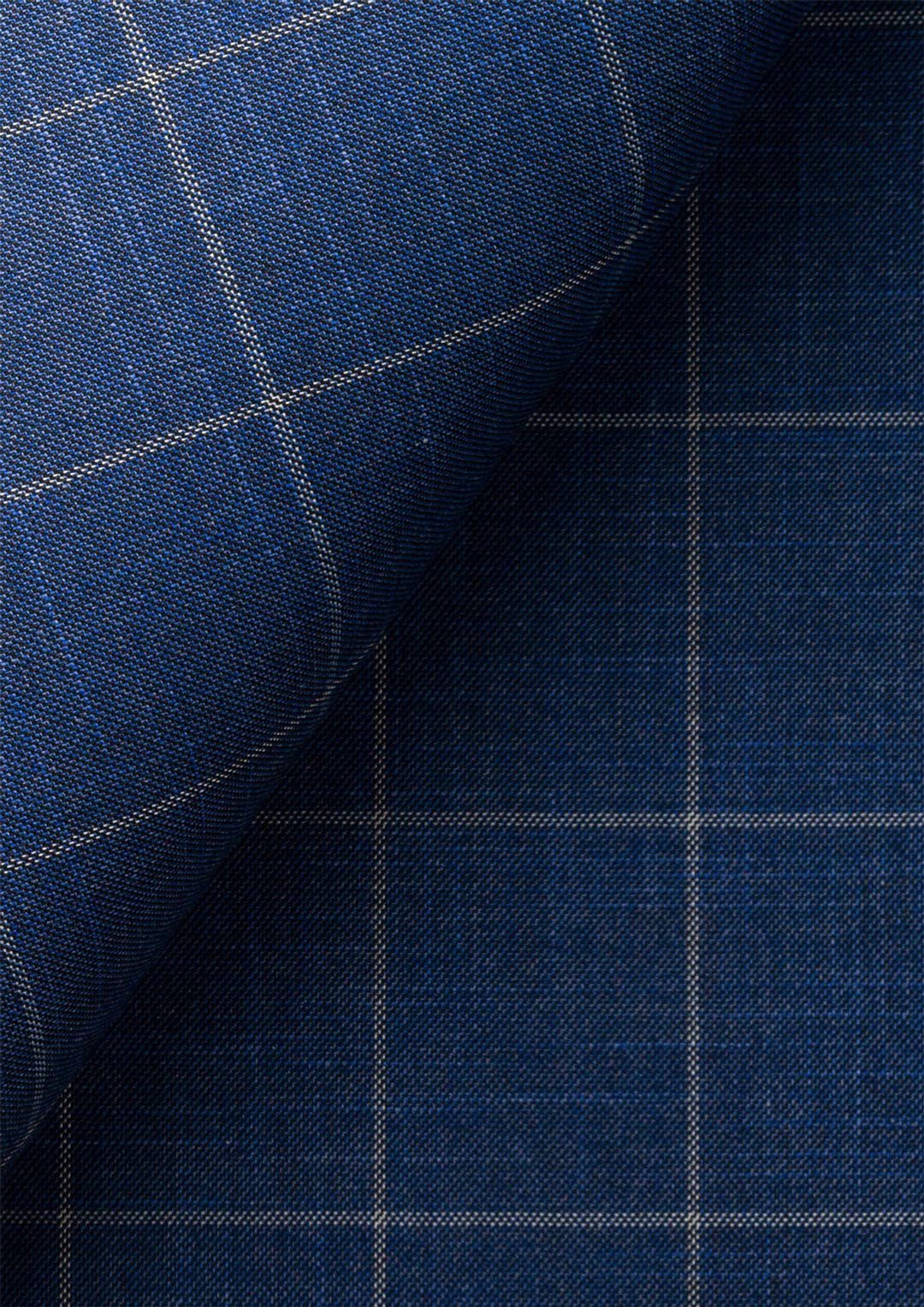
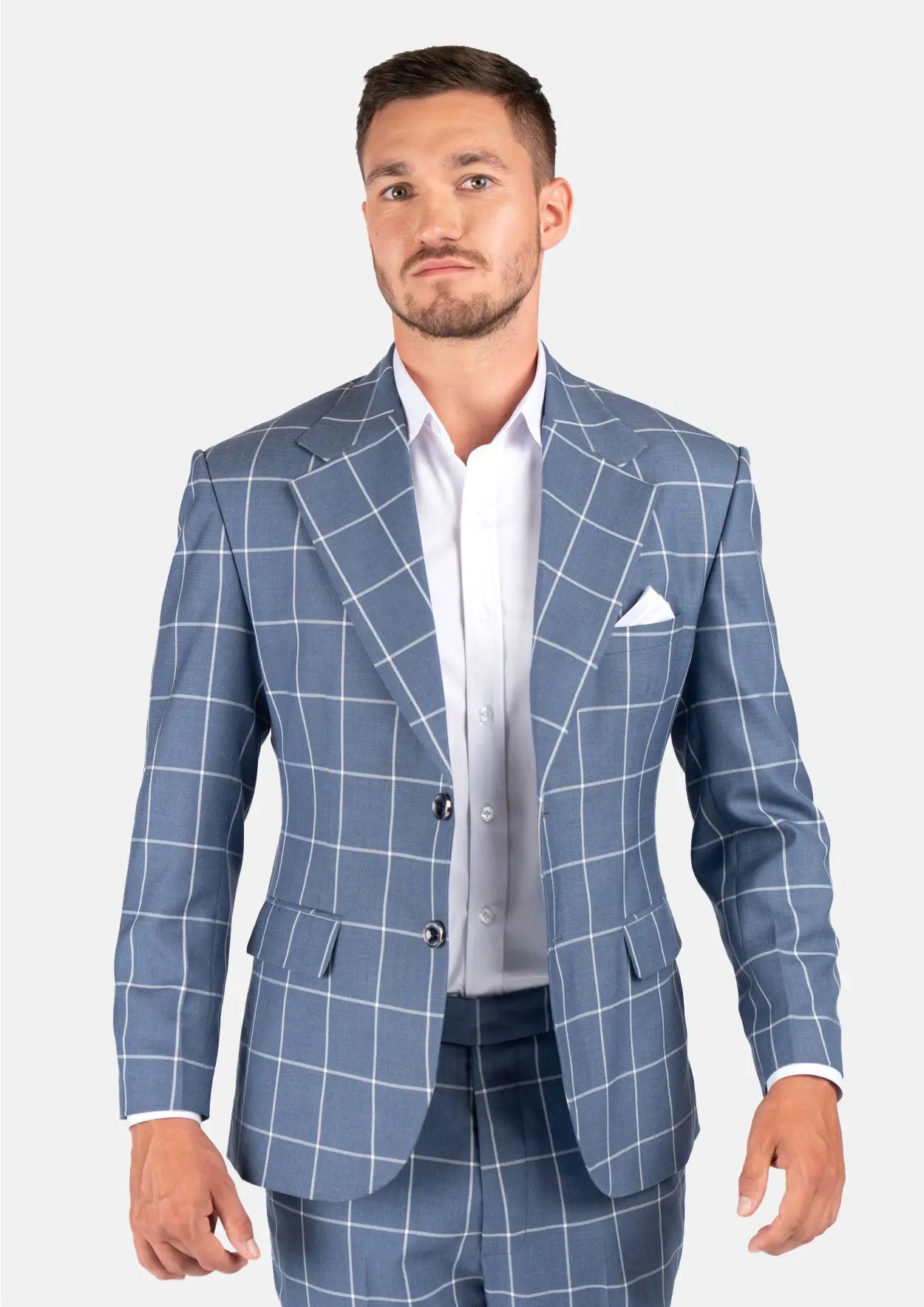
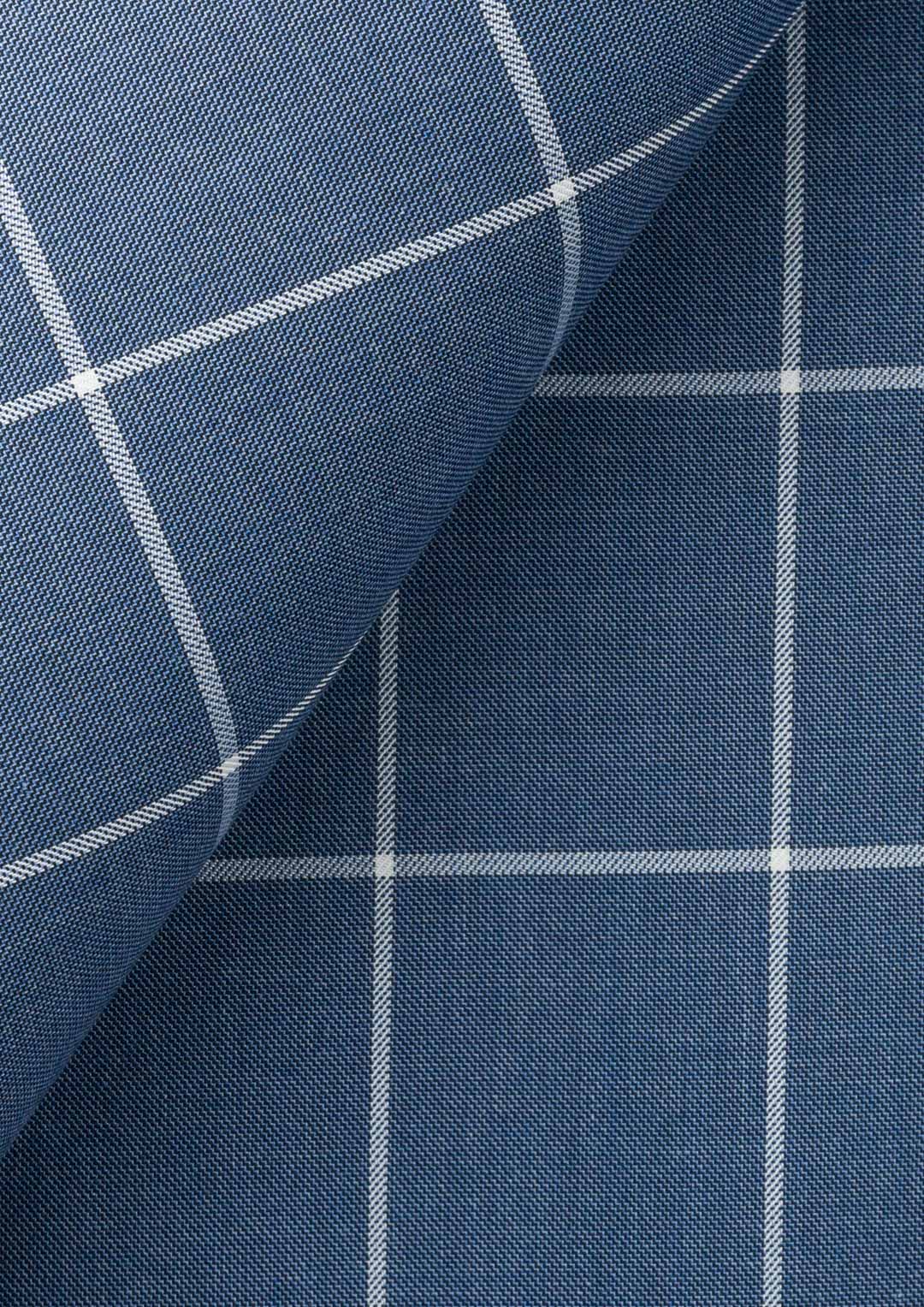
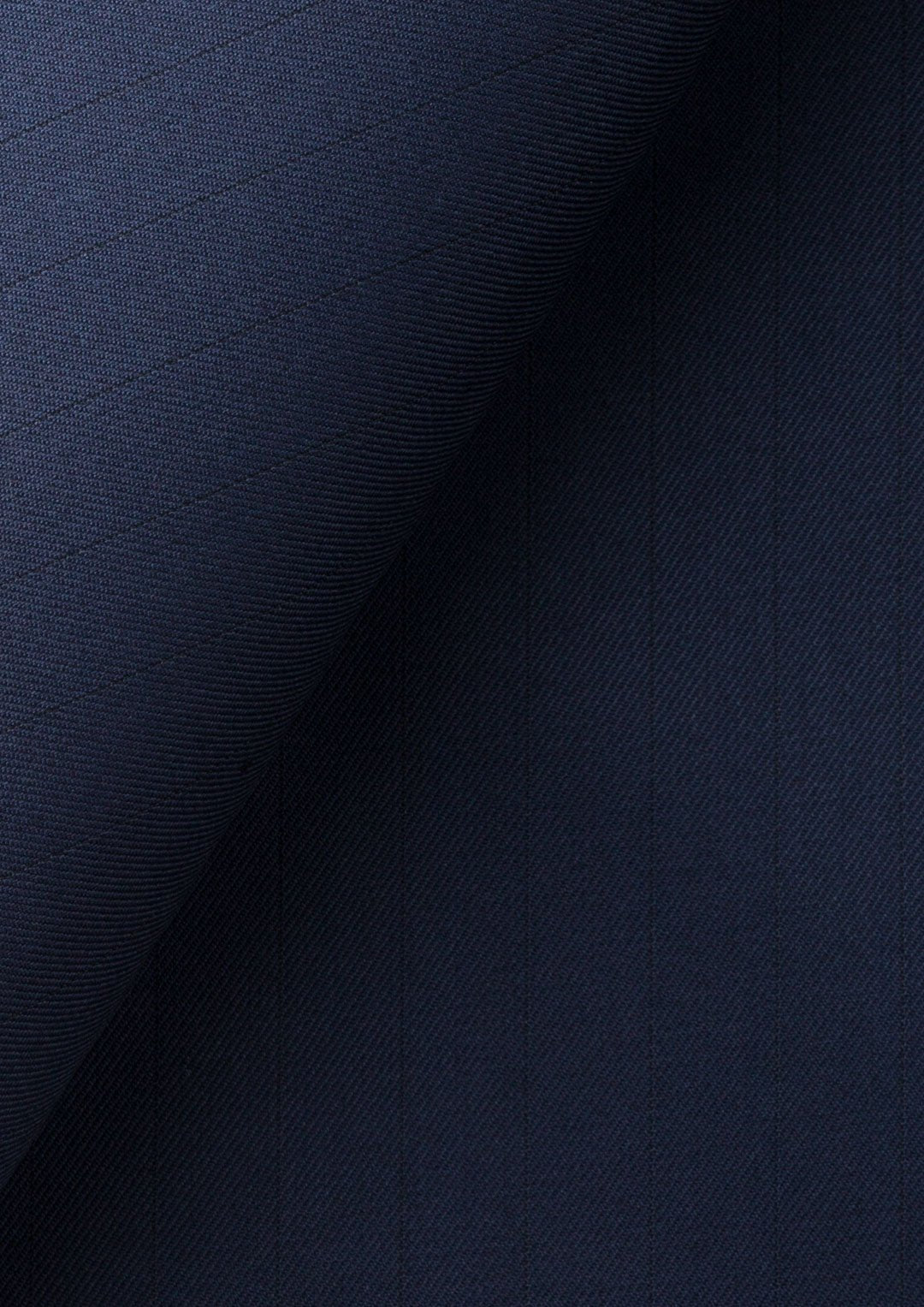
A solid twill or a sharkskin weave reads as one colour from across a desk and gives an interviewer nothing to look at except you — the Bryant Navy Sharkskin Suit is the argument for it. A microcheck or a fine pinstripe is the next step out, still conservative. Windowpane and bolder checks are for the job you already have.

Weight, and How the Fit Is Handled

For an interview — one hour, one warm room, often a walk first — the practical band is a mid-weight all-season wool, roughly 220 to 260 GSM. Every product page states its own composition and weight. On fit, you build a Fit Profile rather than choose a size, and the team reviews your measurements before the cloth is cut; if the finished suit needs adjusting the alteration is reimbursed, and if it cannot be altered the remake is free. The terms are on our Fit Promise.

Do You Still Wear a Suit to a Job Interview?

For most interviews, yes. Finance, law, consulting, medicine, government, real estate and client-facing sales still expect a full suit, and turning up without one is read as not having prepared. Technology, startups and creative studios are the exception: there a suit can look like you misjudged the company rather than respected it.

The rule that survives every industry is to dress one level above what the team wears on an ordinary Tuesday. If the office is business casual, a suit without a tie is exactly one level up. If you genuinely cannot find out, wear the suit — it is far easier to remove a tie in the lobby than to explain an open collar in the room. What changes by industry is set out in our interview suit guide by industry.

What Colour Suit Should You Wear to an Interview?

Navy first, charcoal second, mid-grey third. Those three are the entire safe range, and navy is the single best answer if you are buying one suit for interviews: it reads professional in daylight, holds up under office lighting and photographs cleanly on a video call.

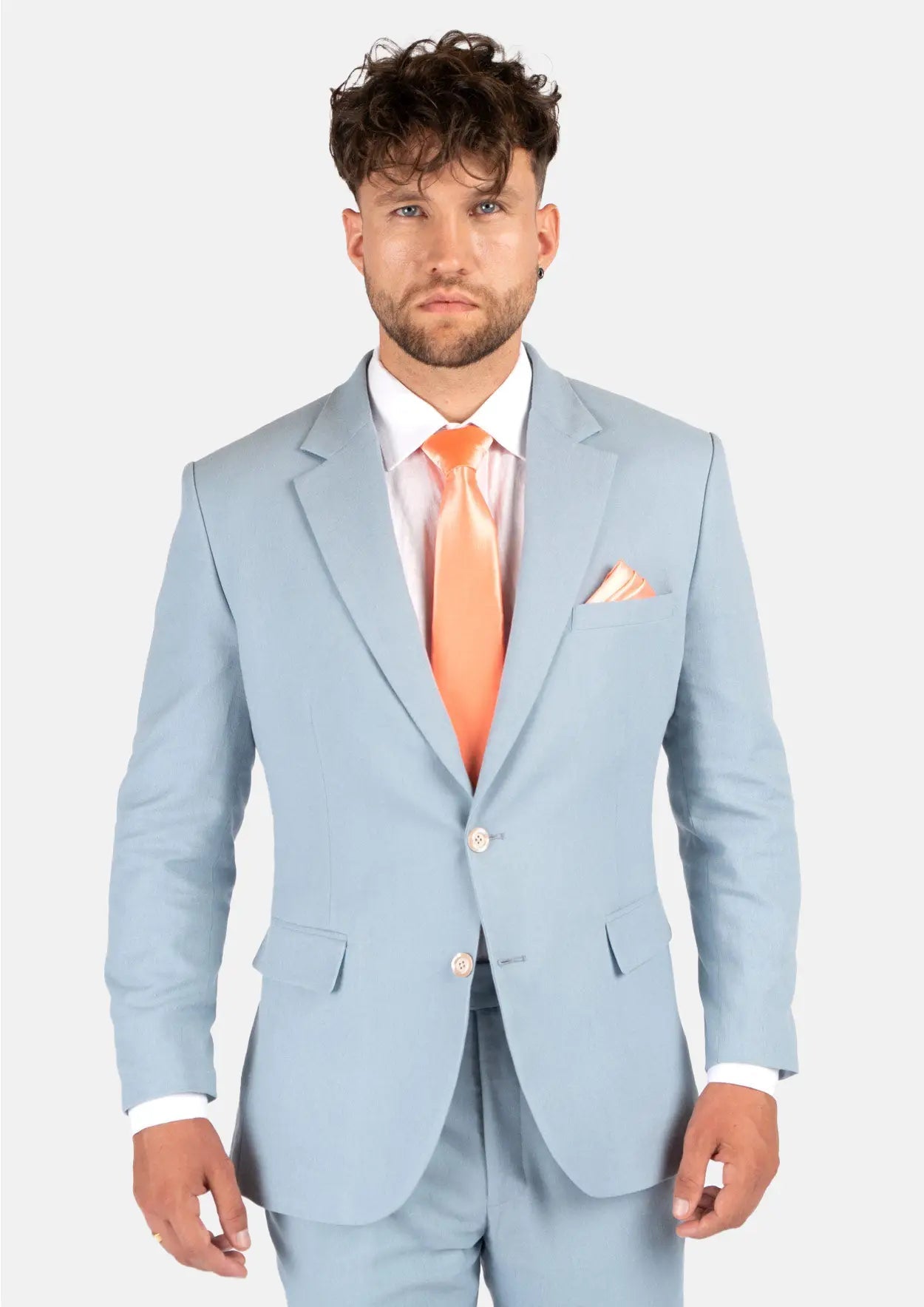
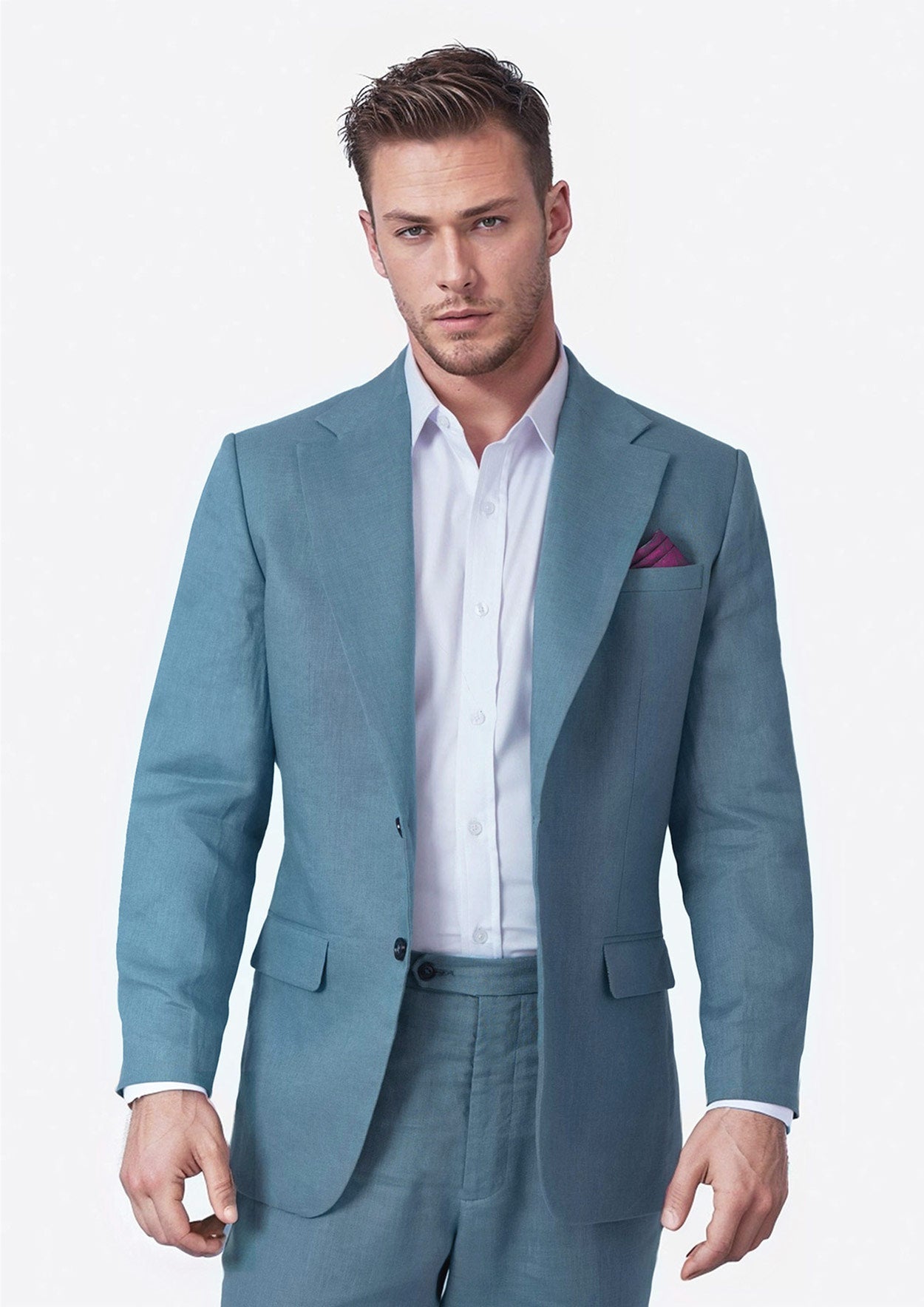
Everything else carries a cost. Black is formal to the point of reading like evening or ceremony rather than work. Brown and tan look relaxed at exactly the moment you do not want to. Light blue, olive and anything bright pulls attention to the cloth instead of to you, and an interviewer only has one short window in which to notice things. If you want the longer argument on colour, see how suit colours actually rank.

Can You Wear a Black Suit to an Interview?

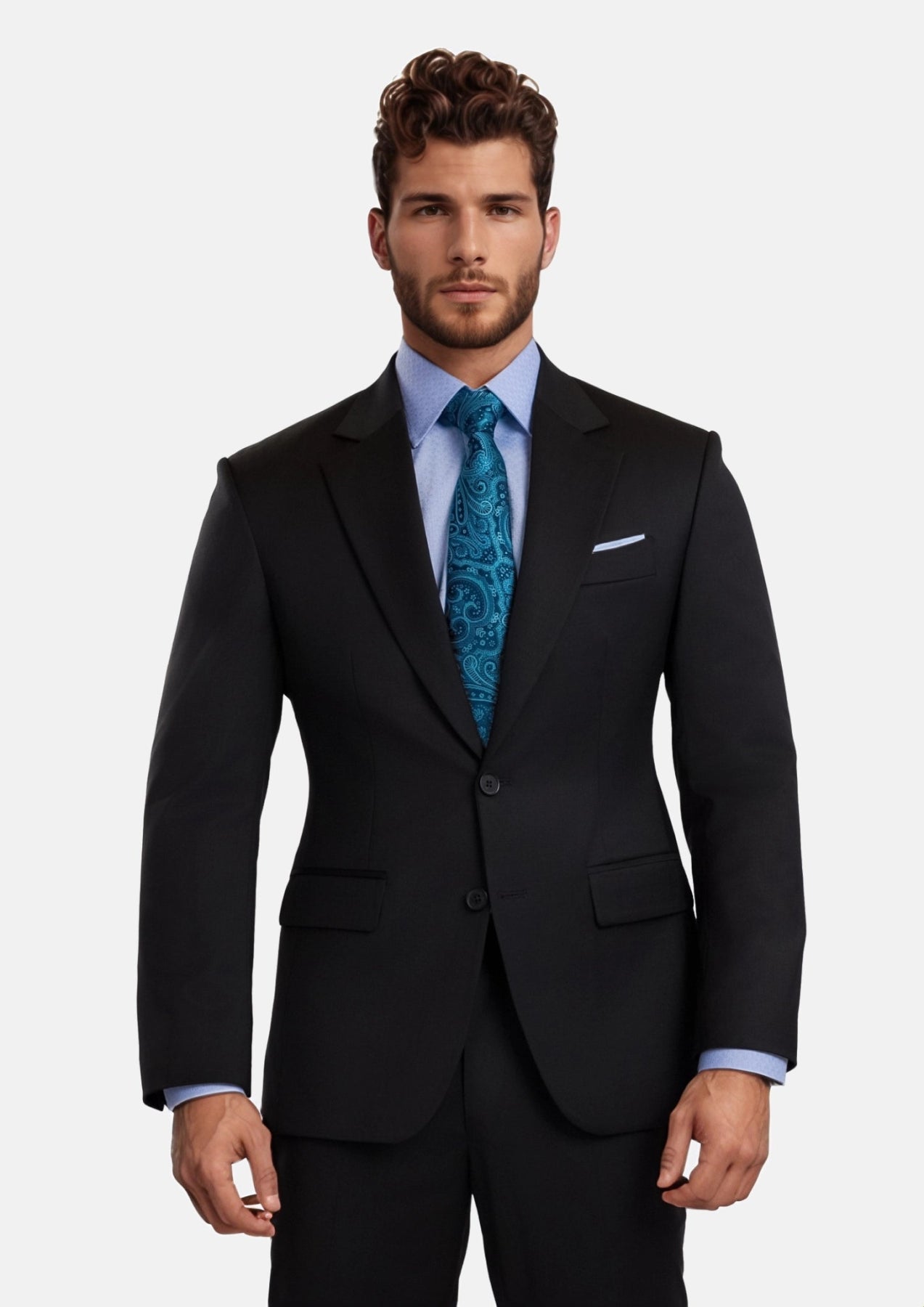
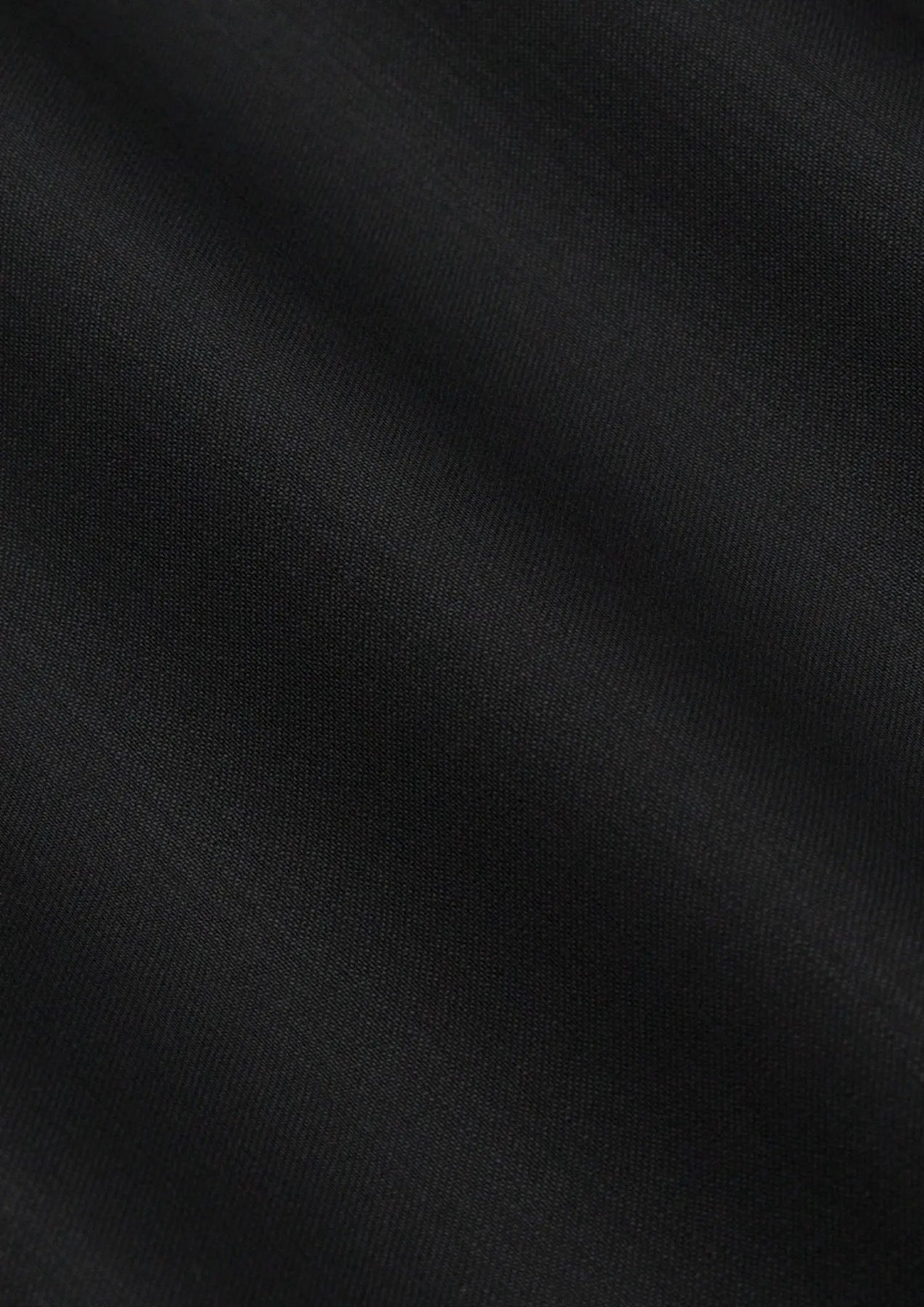
You can, but it is the riskiest of the conservative colours and it is rarely the best available choice. Black is the most formal colour a suit comes in. In daylight it reads closer to a funeral, a wedding or an evening event than to a Tuesday morning meeting, and a hiring manager registers that difference without being able to name it.

Black works when the industry is genuinely formal — corporate law, investment banking, senior finance, luxury retail — or when you already own it and a new suit is not realistic. If you wear it, keep everything else plain: a white shirt, a matte cloth rather than a shiny one, and no black tie. A sharkskin or other two-tone weave also helps, because it breaks up the flatness that makes black look severe. The full range is in black suits, and if you are weighing it against the safer option we put them next to each other in charcoal versus black.

Navy or Charcoal — Which Should You Buy First?

Buy navy first. It is more versatile outside the interview, more forgiving in daylight and less likely to look severe on a young face. Buy charcoal first only if you already own a navy suit, or if you are interviewing for a role more senior than your current one — charcoal reads a half-step older and more authoritative than navy in the same cut.

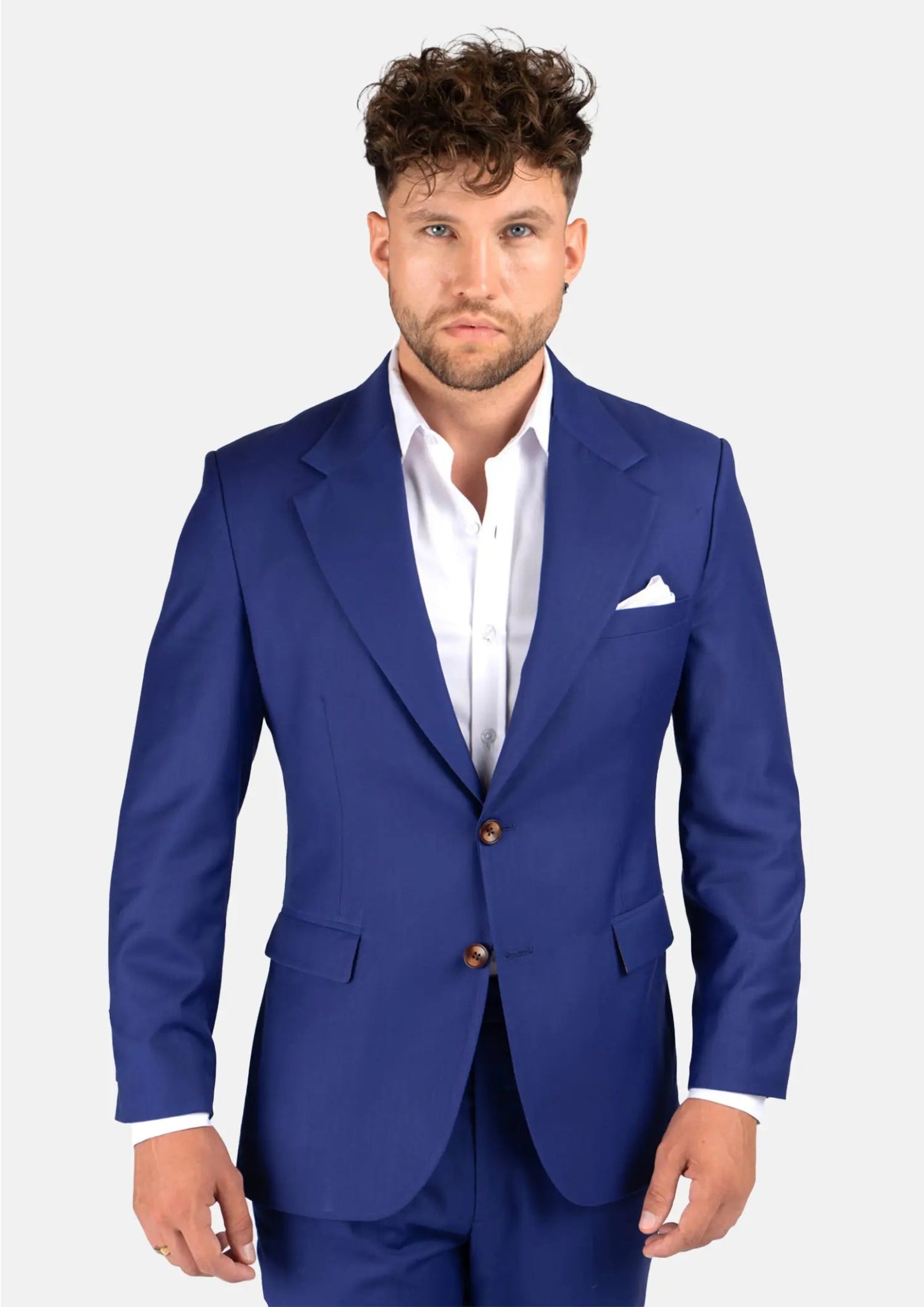
A mid-blue or lighter blue suit is also acceptable, despite how often that question gets asked. It is a step less formal than navy, which makes it right for a business-casual employer and wrong for a conservative one. The plainest navy in this collection is the Astor Dark Navy Twill Suit. The wider range sits in blue suits, and the charcoal and grey ranges sit alongside it.

What Shirt and Tie Go With an Interview Suit?

A white shirt is never wrong. Light blue is the only other answer that is safe in every industry, and it is slightly warmer than white on camera. Both work against every suit in this collection.

A black shirt is the one to avoid outright — it reads as nightlife rather than work, and it is the single most common mistake in this category. The same goes for red, strong patterns and anything with a contrast collar. For the tie, take a solid or a small repeating pattern, darker than the shirt, and keep the width in proportion to the lapel. If the employer is business casual you can leave the tie off entirely, which is covered in wearing a suit without a tie. White and light blue shirts are both in business shirts. If you wear a tie bar, keep it plain and narrow.

How Should an Interview Suit Fit?

Four checks decide it. The shoulder seam should end where your shoulder ends, not past it — this is the one thing no tailor can fix afterwards. The buttoned jacket should close without the fabric pulling into an X. About a centimetre of shirt cuff should show below the jacket sleeve. The trouser should touch the shoe with little or no break.

Nothing on this page is bought by size. You build a Fit Profile from your own measurements and the team reviews it before the cloth is cut. If the finished suit still needs adjusting, take it to any local tailor or dry cleaner and SARTORO reimburses the alteration up to the covered limit; if it cannot be altered, the remake is free, and on a first order the return is free as well — the full terms are linked from the collection description above. For what each check should look like, see how a suit should fit.

Business Formal or Business Casual? Reading the Dress Code

Ask the recruiter — it is a normal question and it removes the guesswork entirely. If you cannot ask, default one level above the everyday dress code of the team you are joining.

Business formal means the full suit with a tie: navy or charcoal, white or light blue shirt, dark leather shoes. Business casual for an interview means the same suit without the tie, or a blazer with separate trousers, and it is where most technology and creative roles now sit. Jeans, trainers, polo shirts and anything untucked stay out of an interview at any level, however relaxed the office looked when you visited. The full vocabulary is in what dress codes really mean.

Residency, Career Fairs, Video Calls and Second Interviews

Yes, you can wear the same suit to a second interview. It is expected, not penalised — change the shirt and the tie and nobody registers the repeat. Buying a second suit for round two is money better spent on the fit of the first.

Residency and other medical interview seasons mean many interviews in a short window, so the suit gets worn hard: take a plain navy or charcoal in a mid-weight all-season cloth, around 220 to 260 GSM, rather than something light. Career fairs and job fairs mean standing for hours, where a lighter cloth such as the Broadway Navy Microcheck Suit is the more comfortable call. For video interviews, take a solid navy: fine checks and tight stripes can shimmer or moiré on a webcam, and the Astor Dark Navy Twill Suit is the safest thing you can put in front of a camera.