



Charcoal vs. Black Suit
The definitive guide to choosing between charcoal and black suits
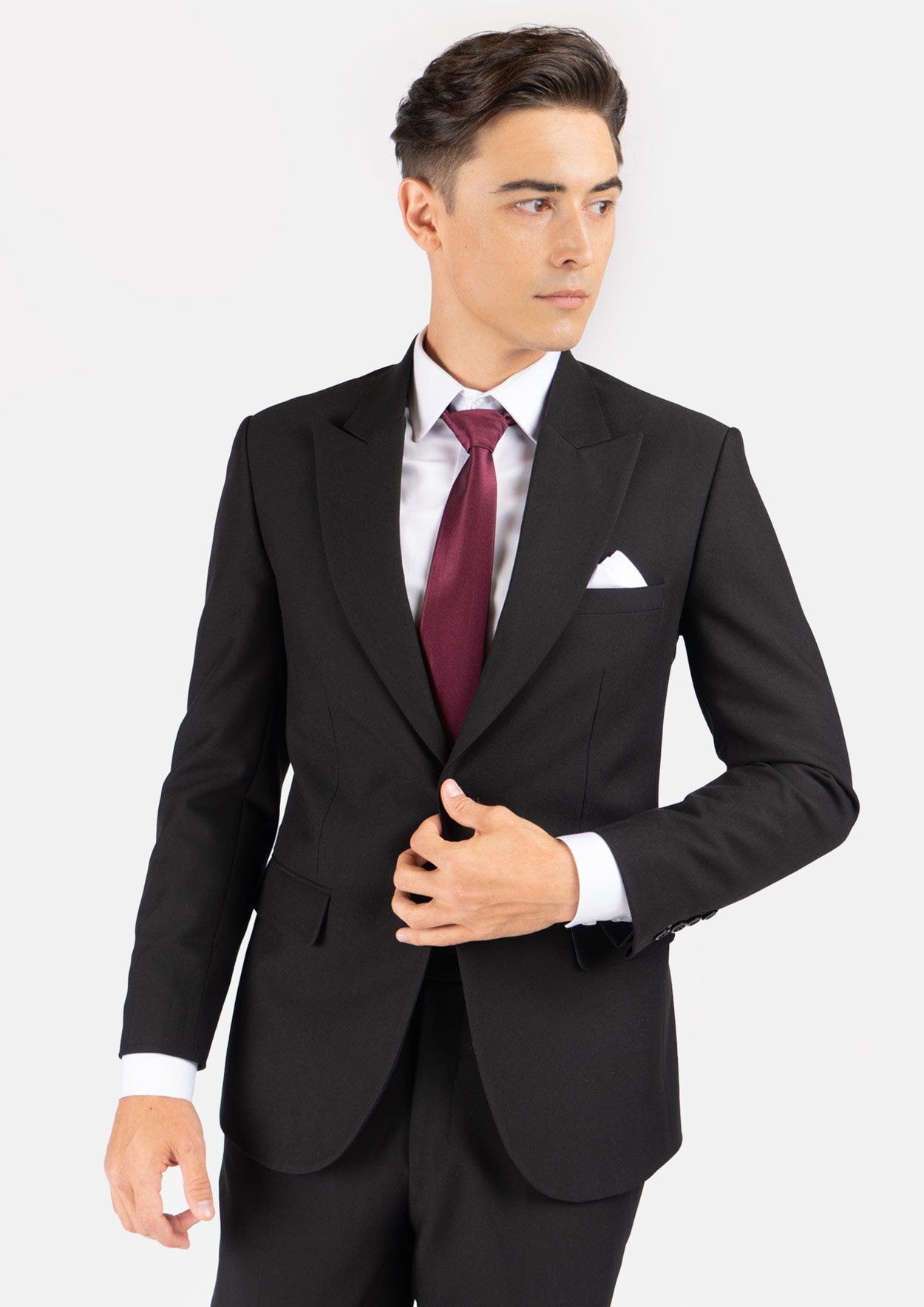

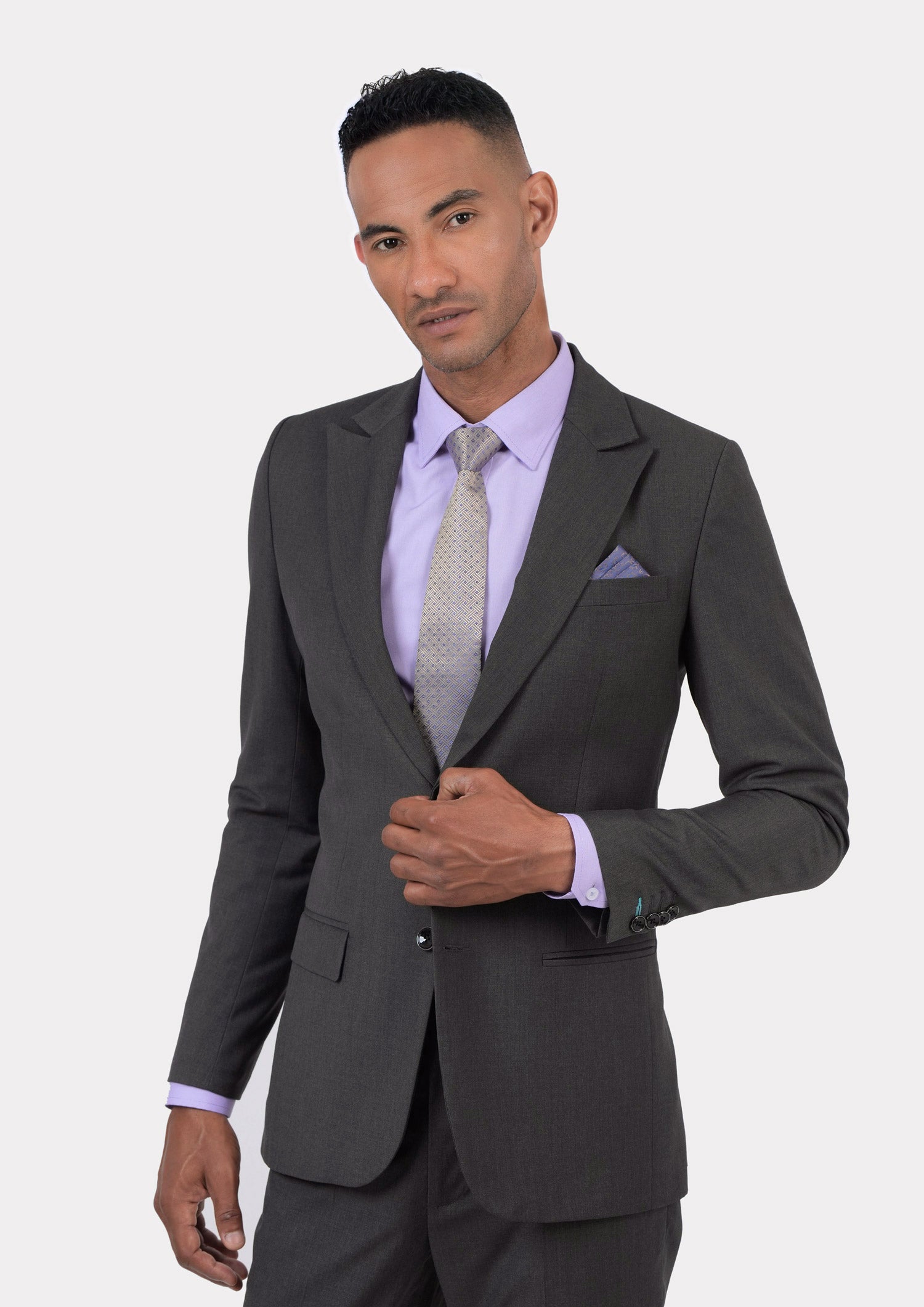
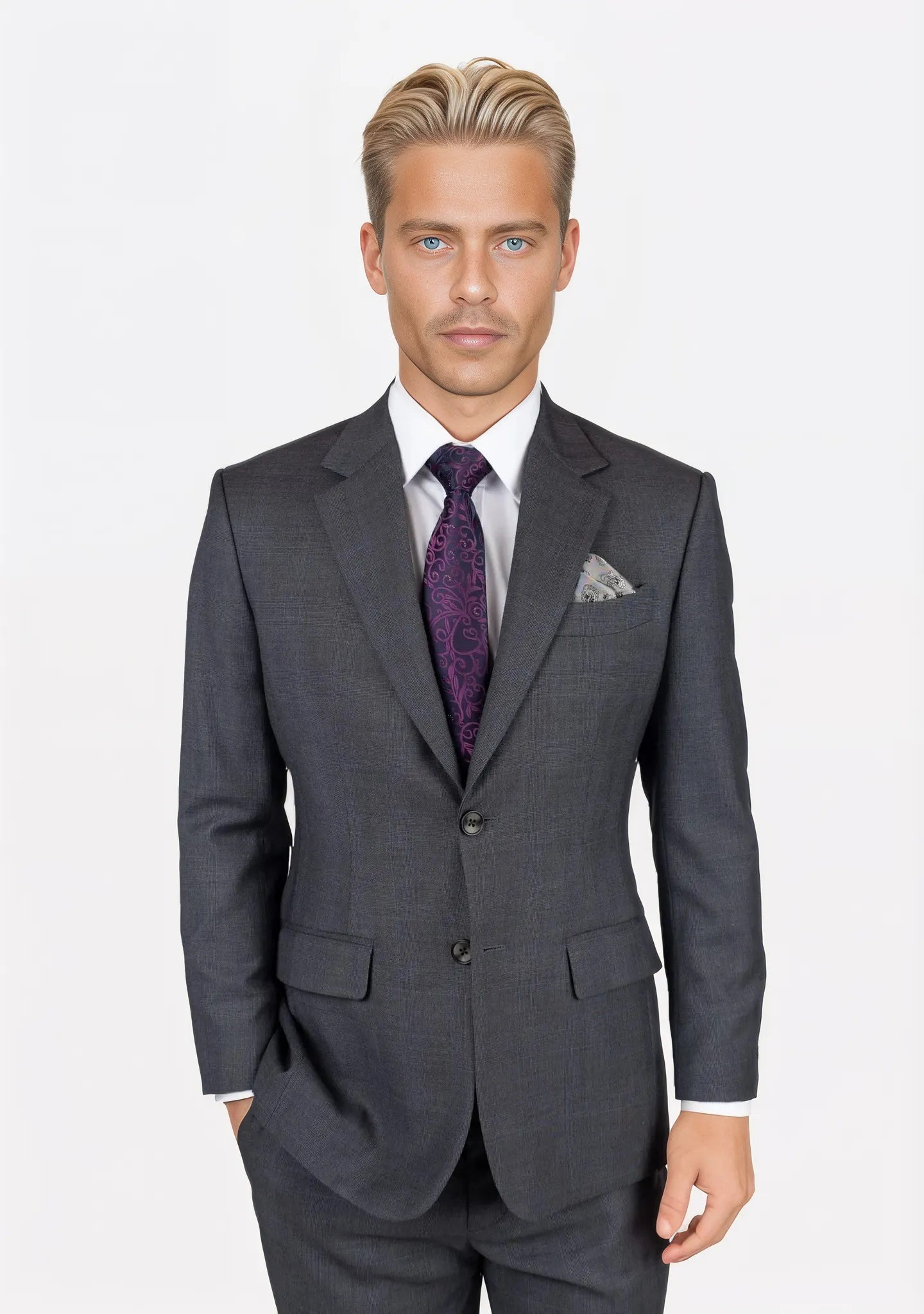
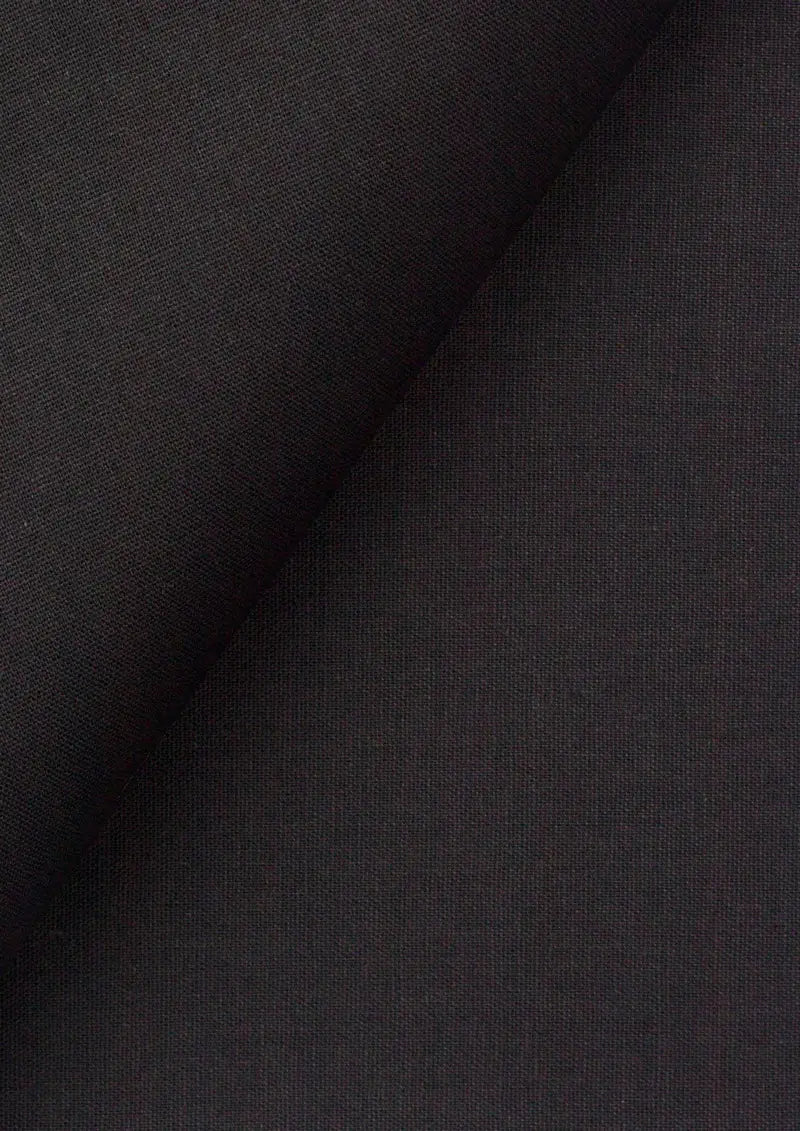
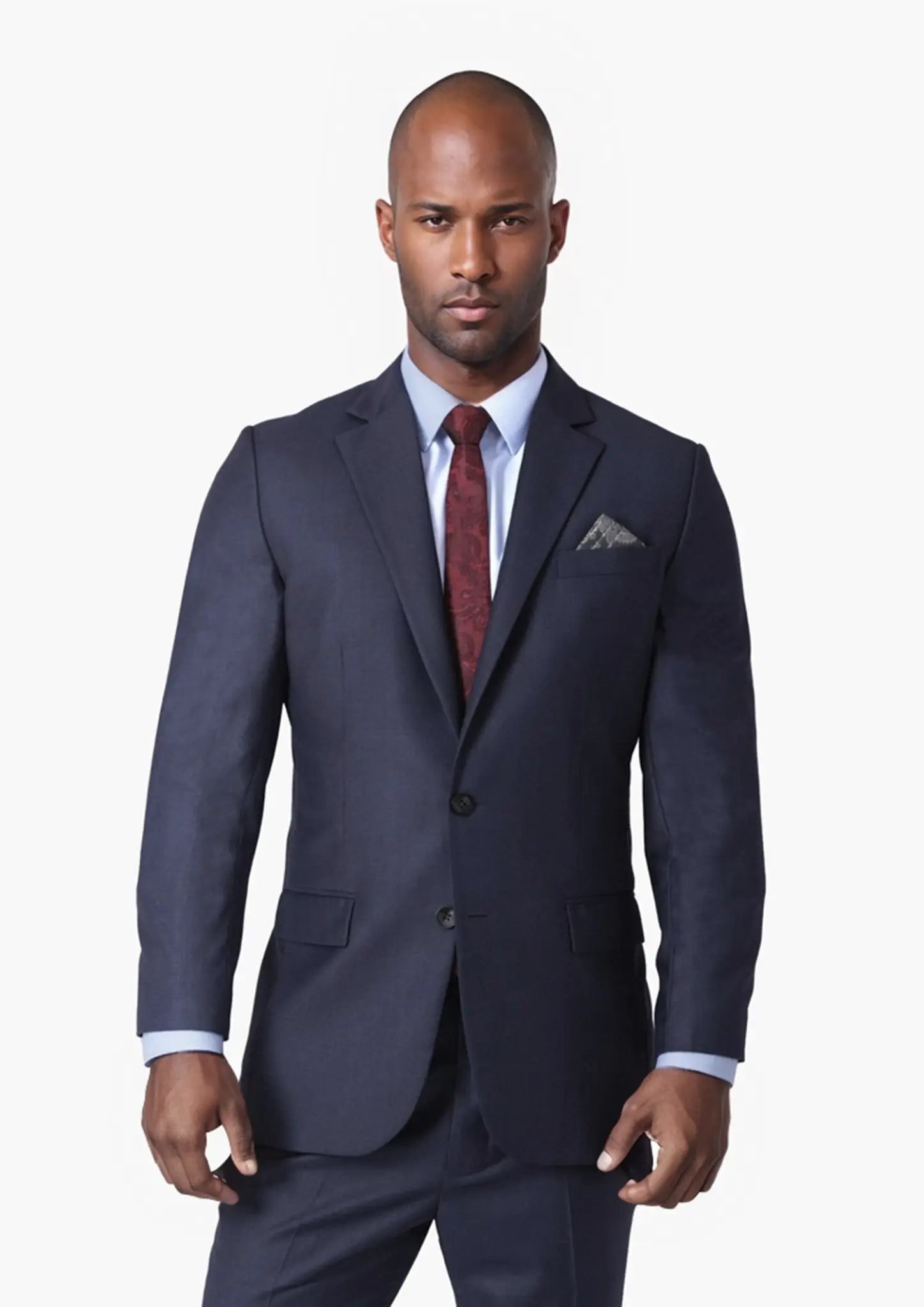
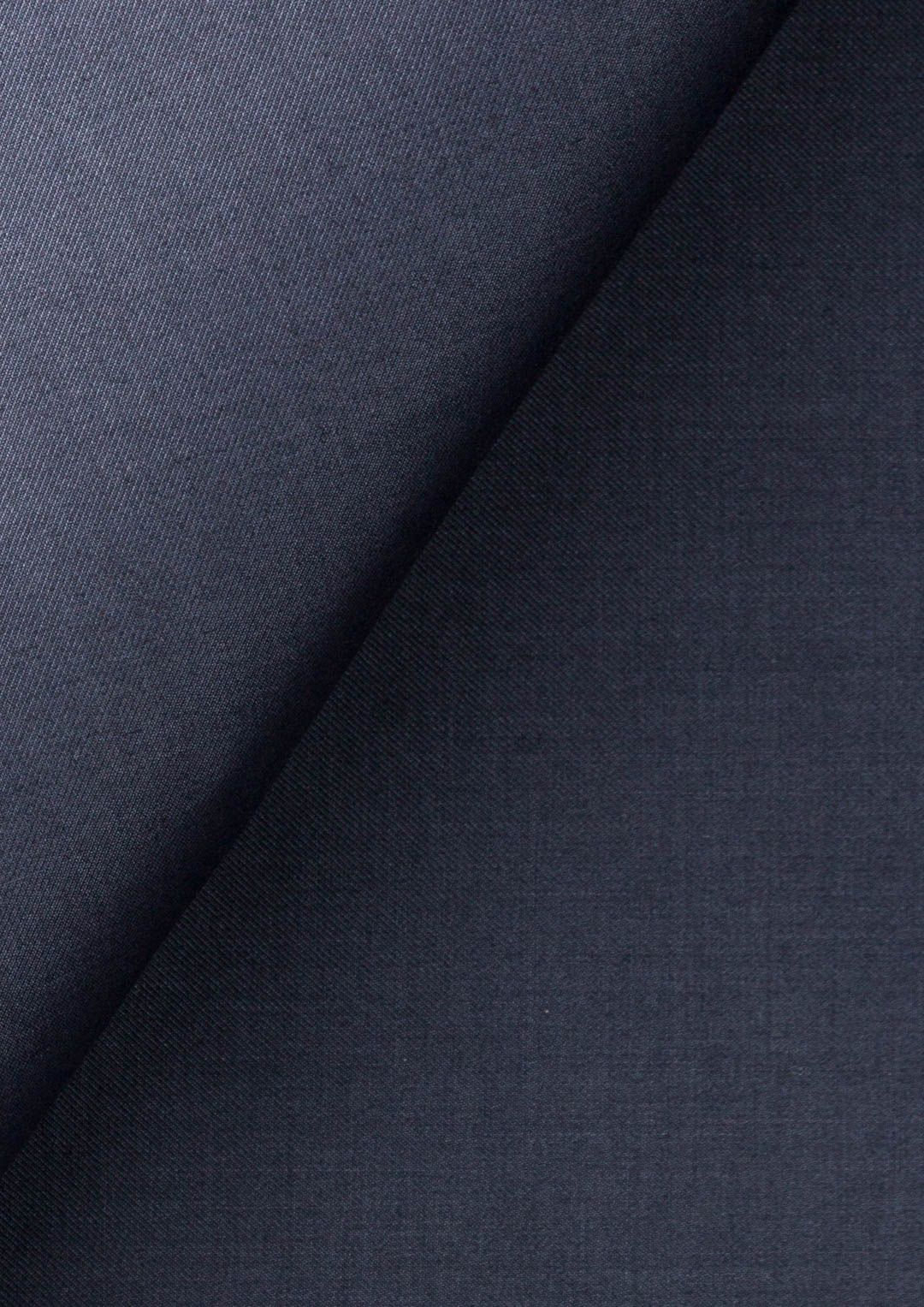

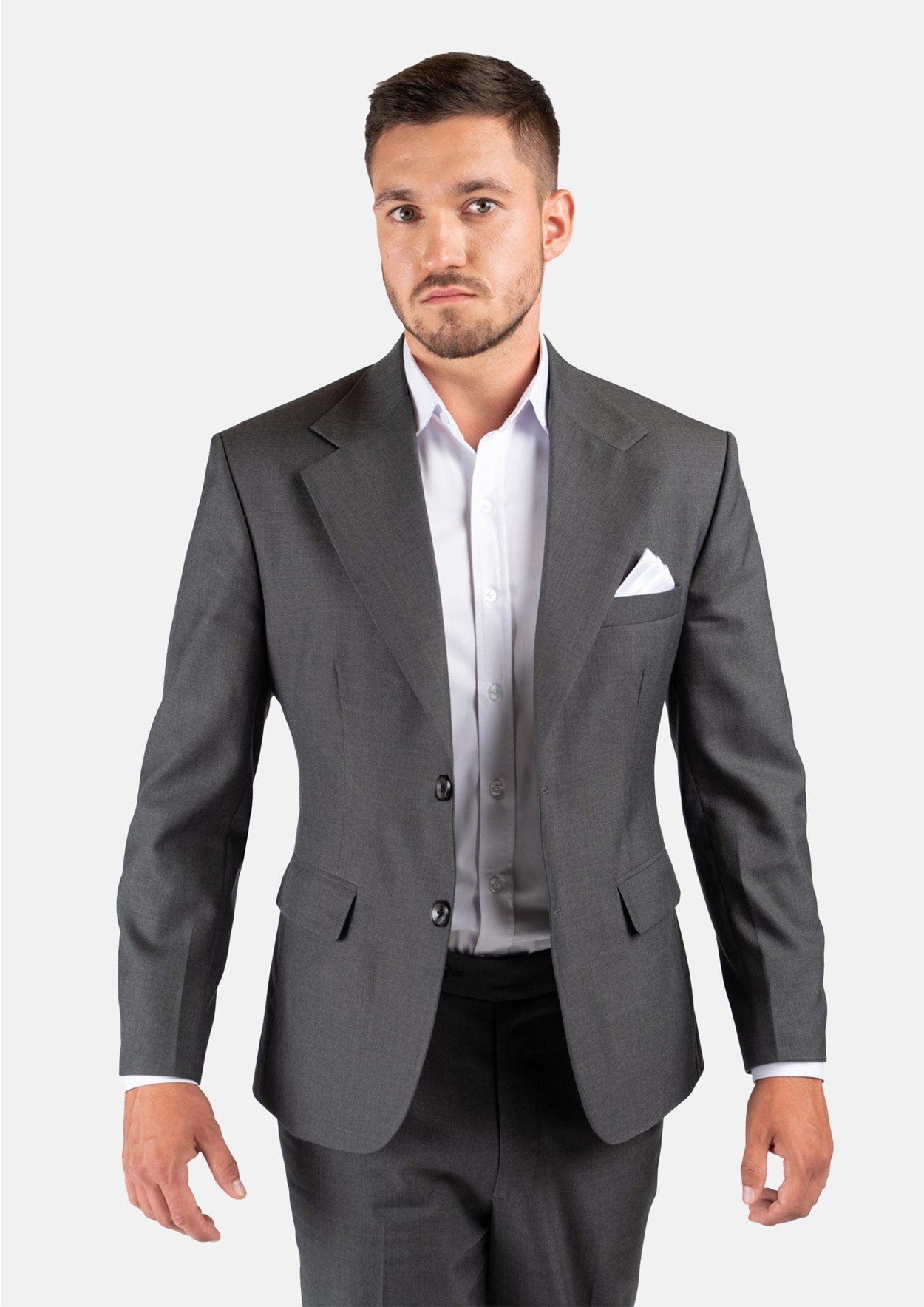
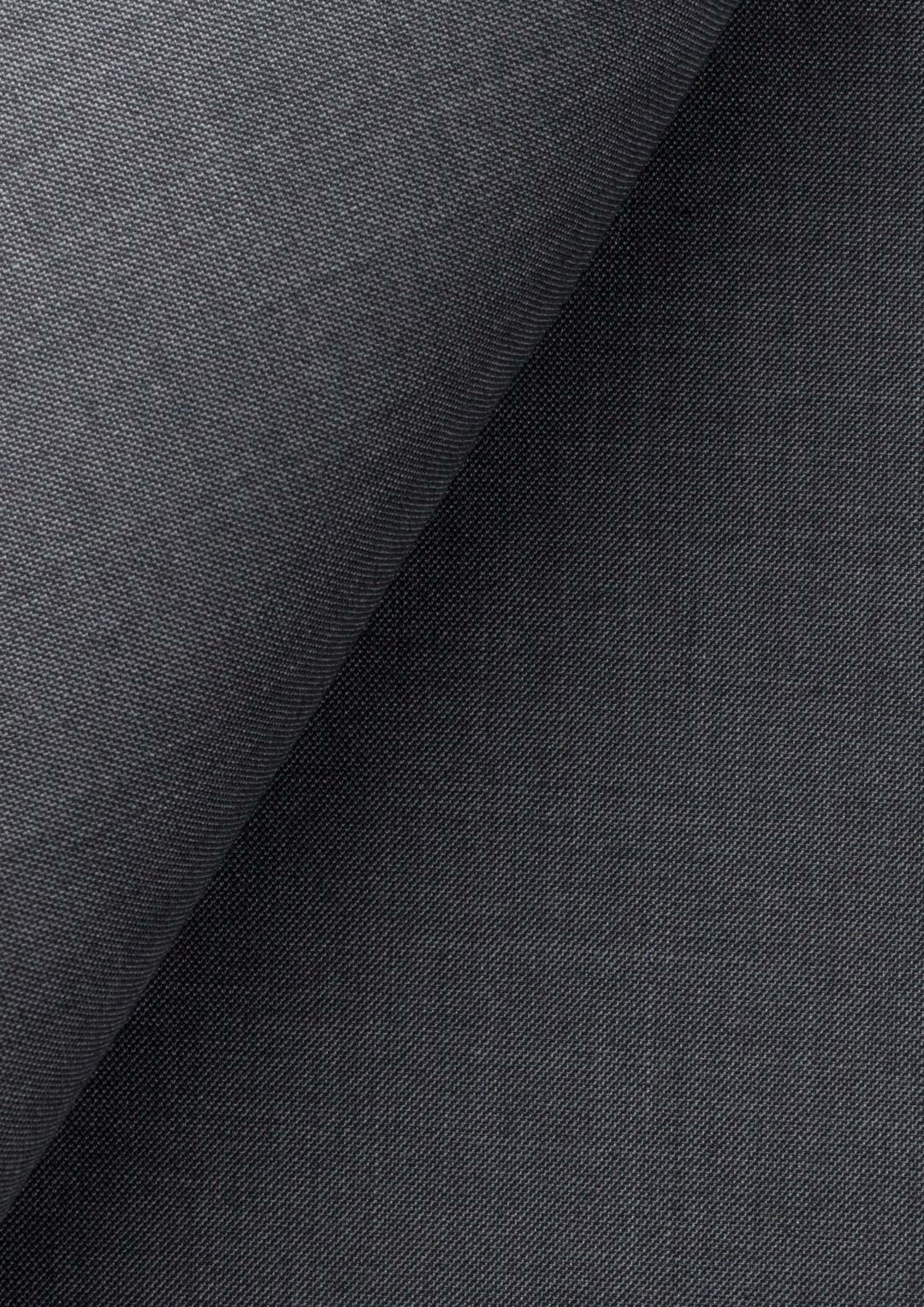
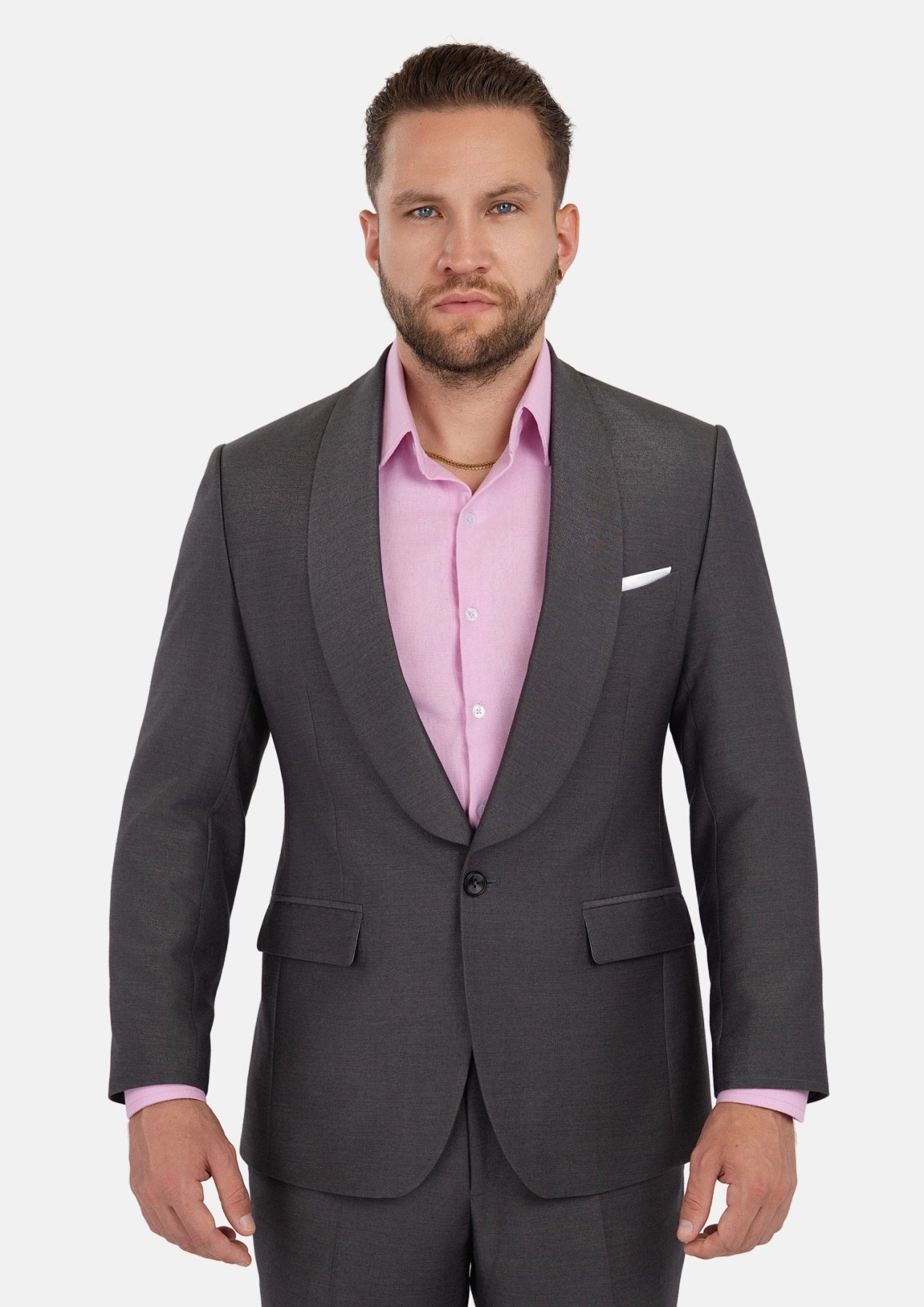
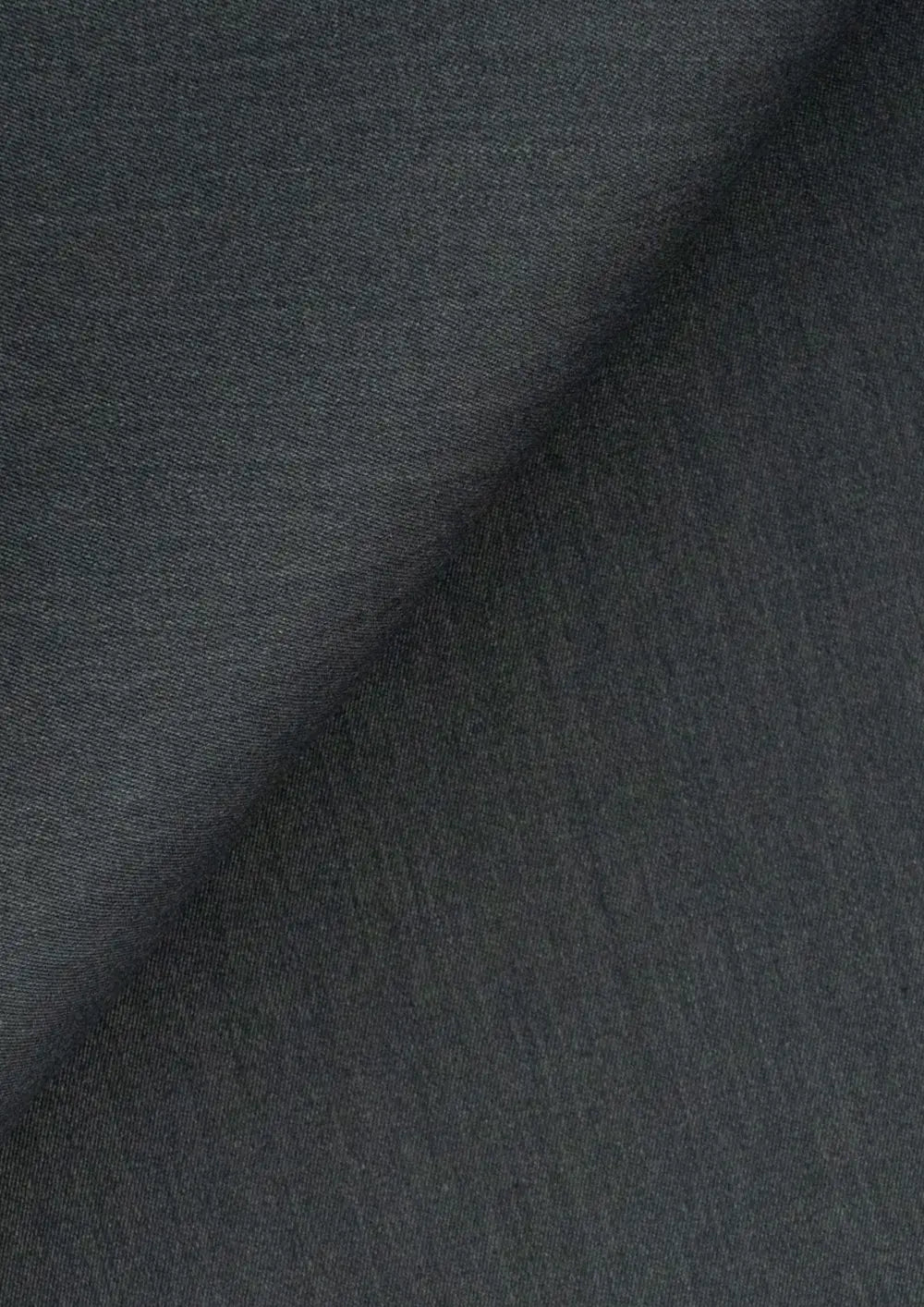
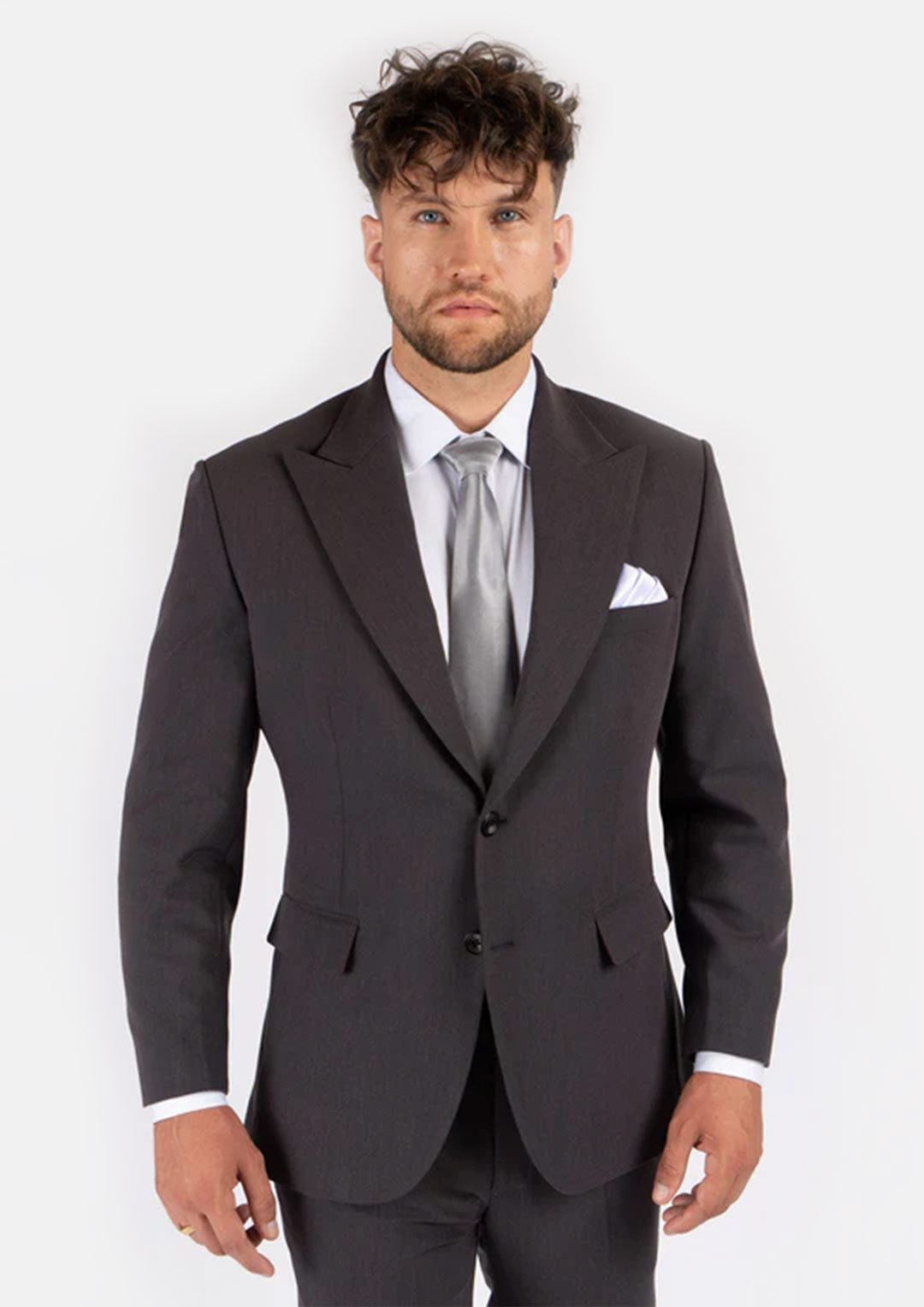
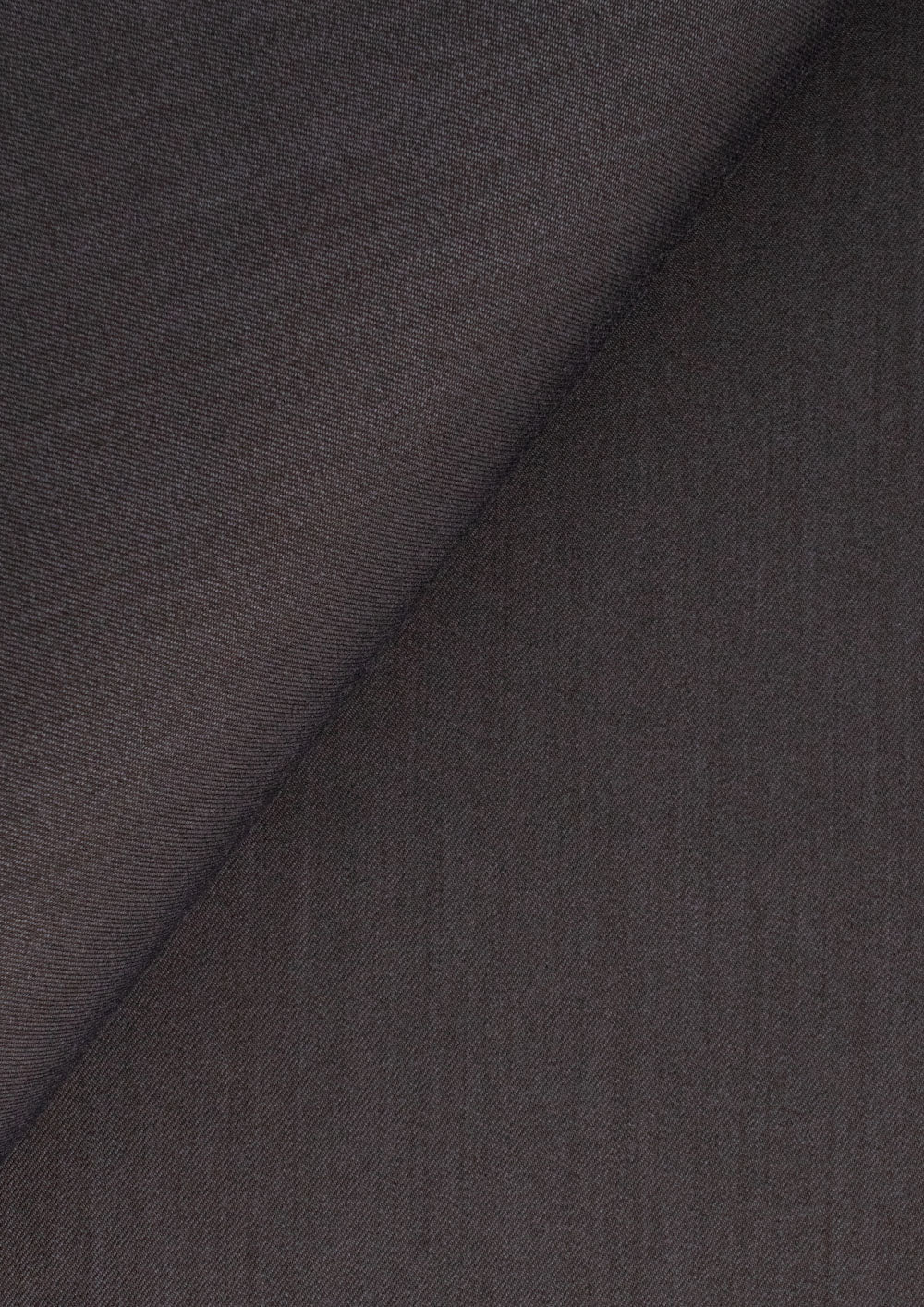
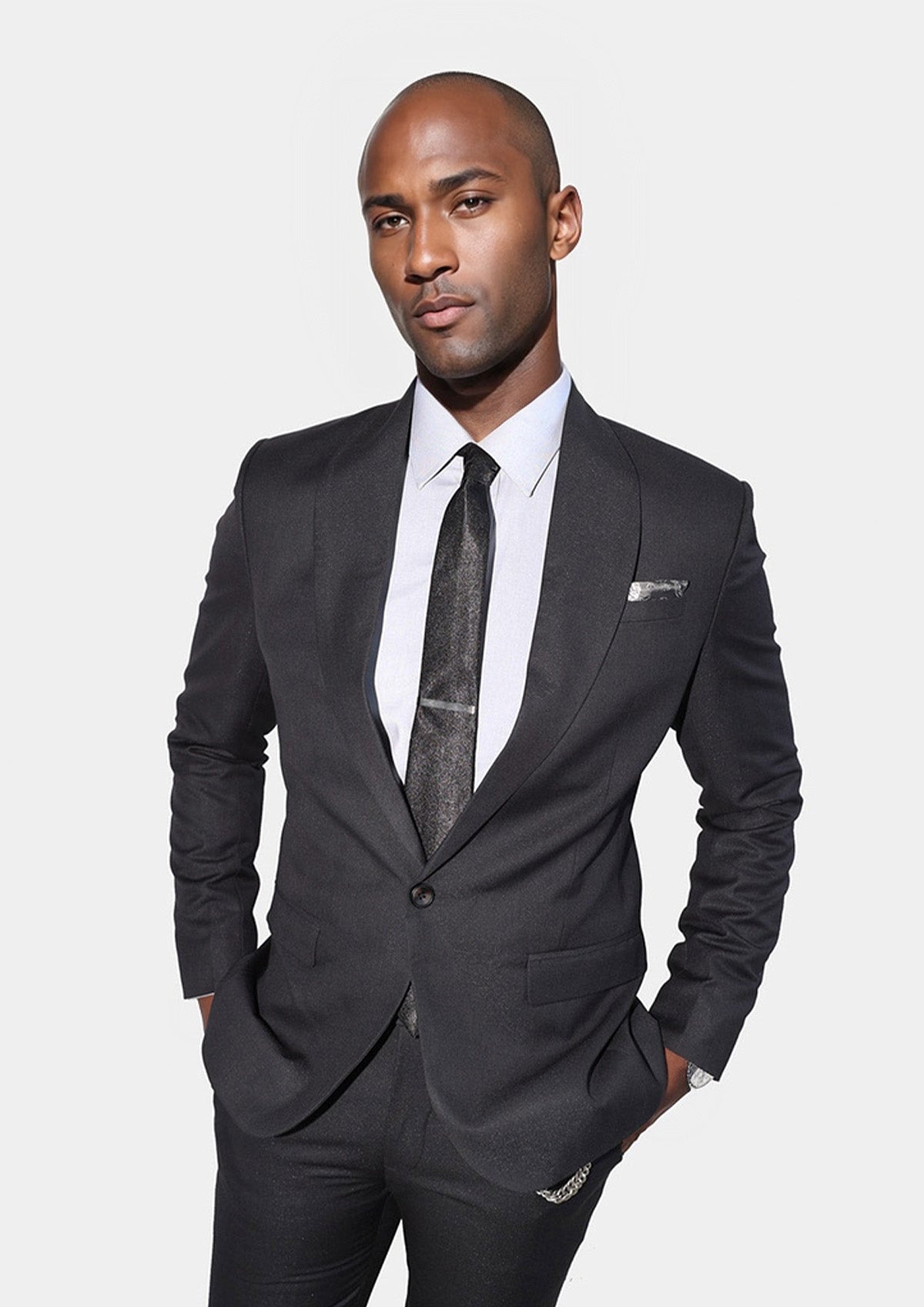
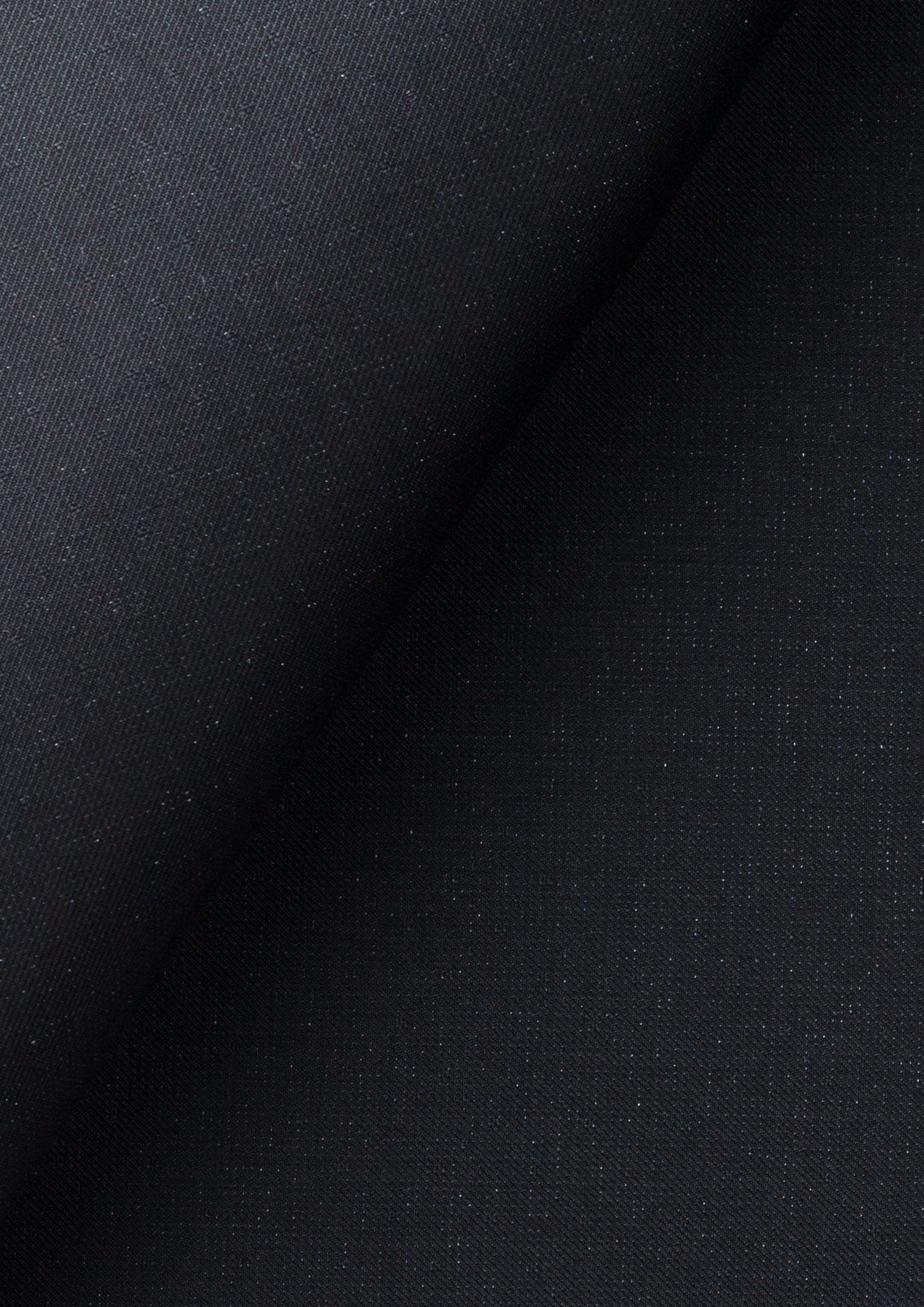
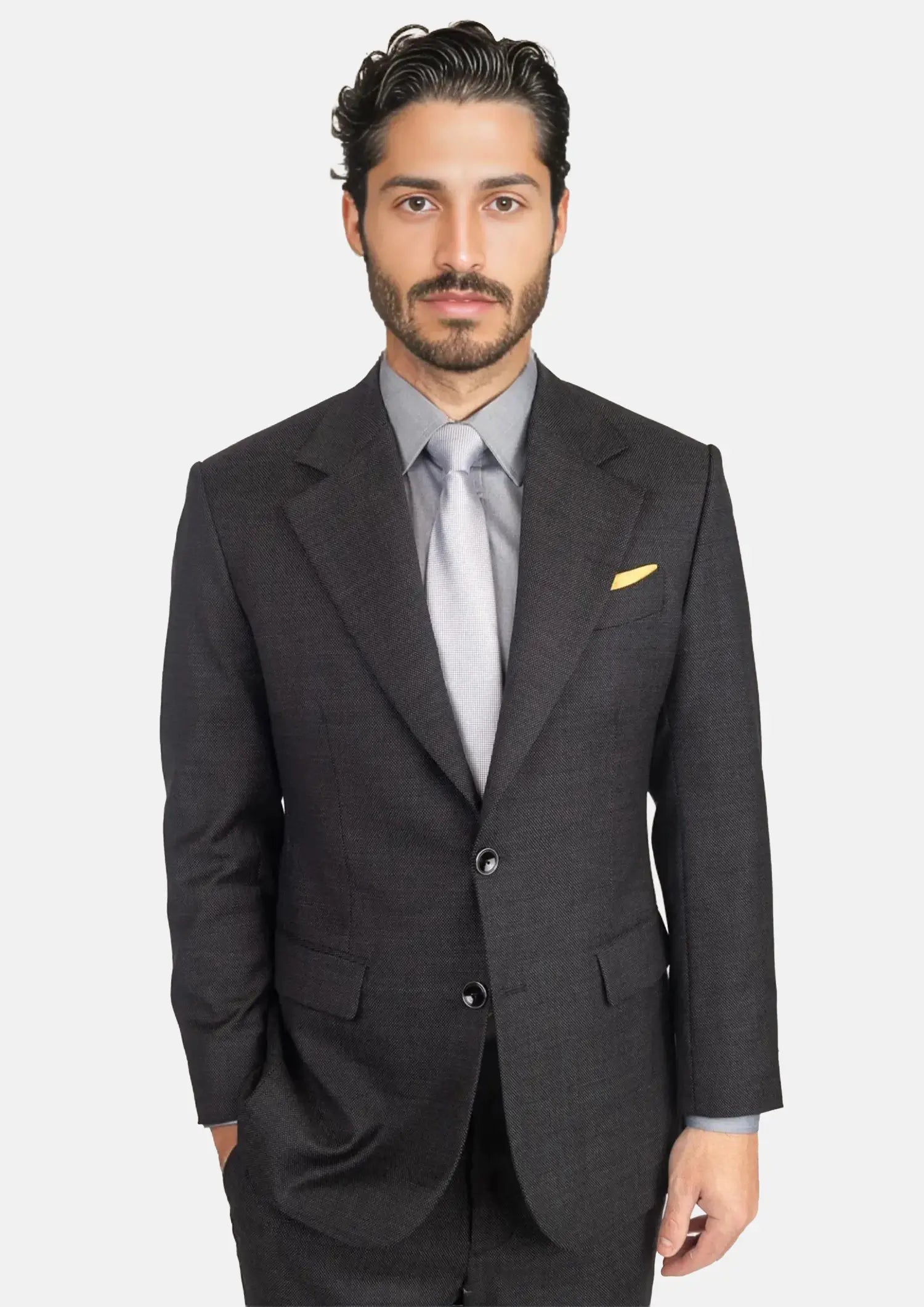
Own The Room In Garments Custom Made For you


COTTON STRETCH
Made To Move With You
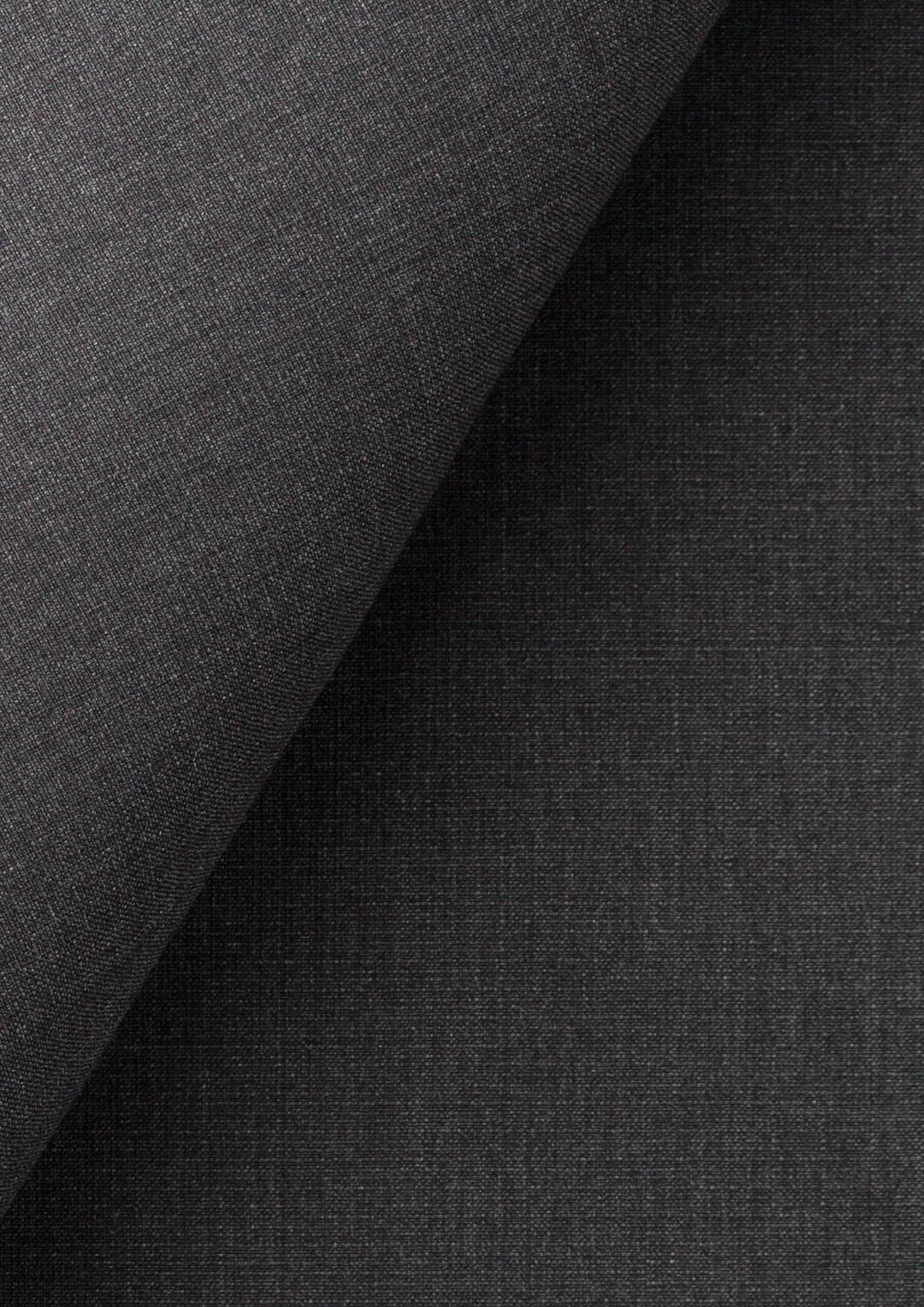
Our stretch cotton fabrics have just enough give to extend range of motion without sacrificing the look and feel of the garments. Available in both classic colors and bold hues, these are perfect for those wanting a bit of extra comfort.


Charcoal vs Black Suit
Charcoal vs Black Suit: Which Should You Choose?
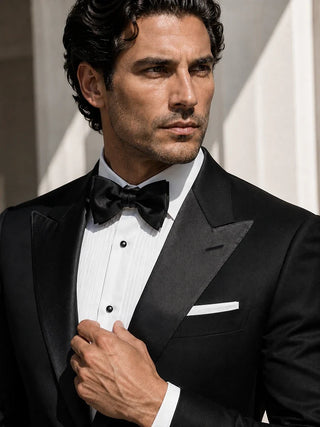
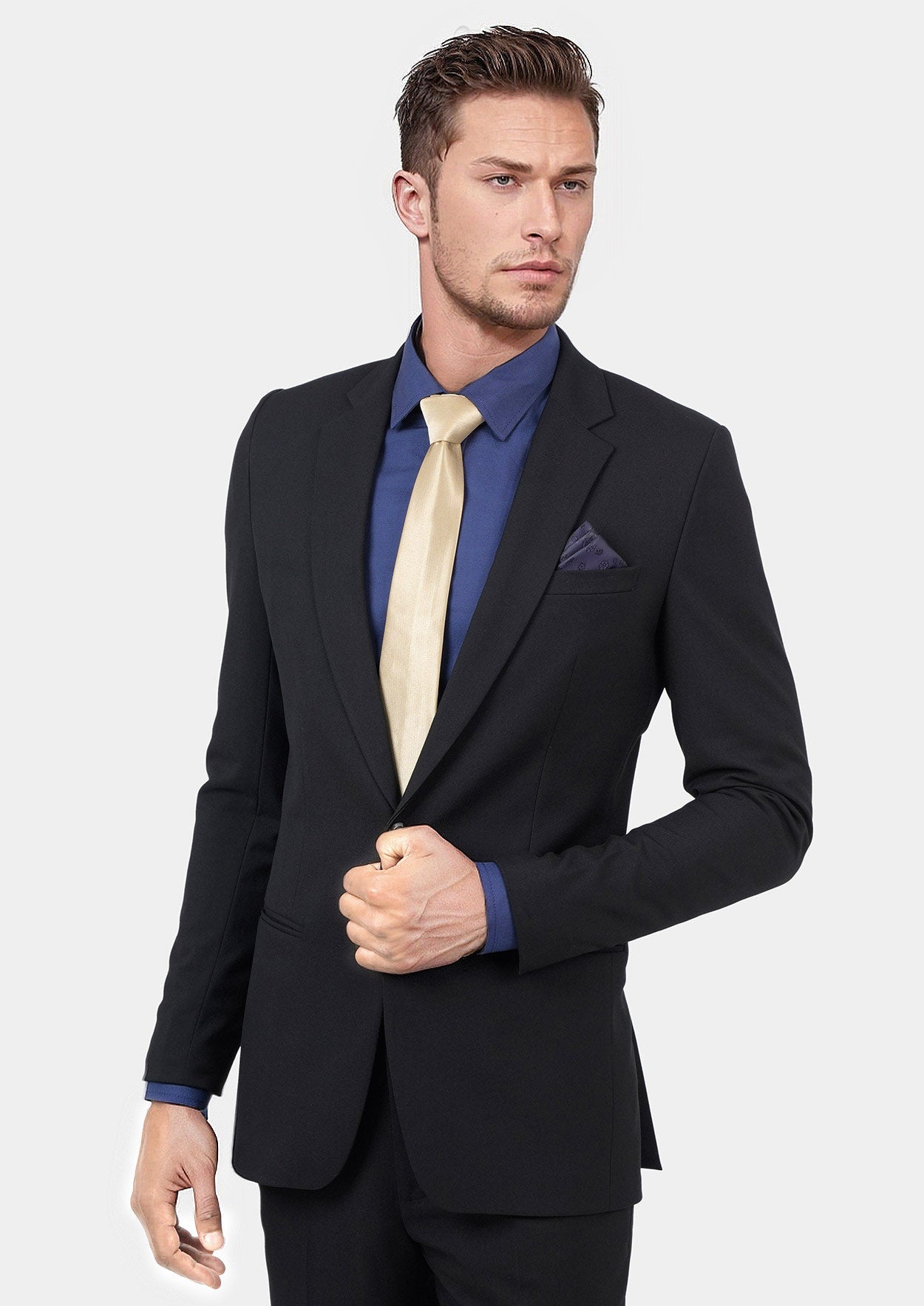
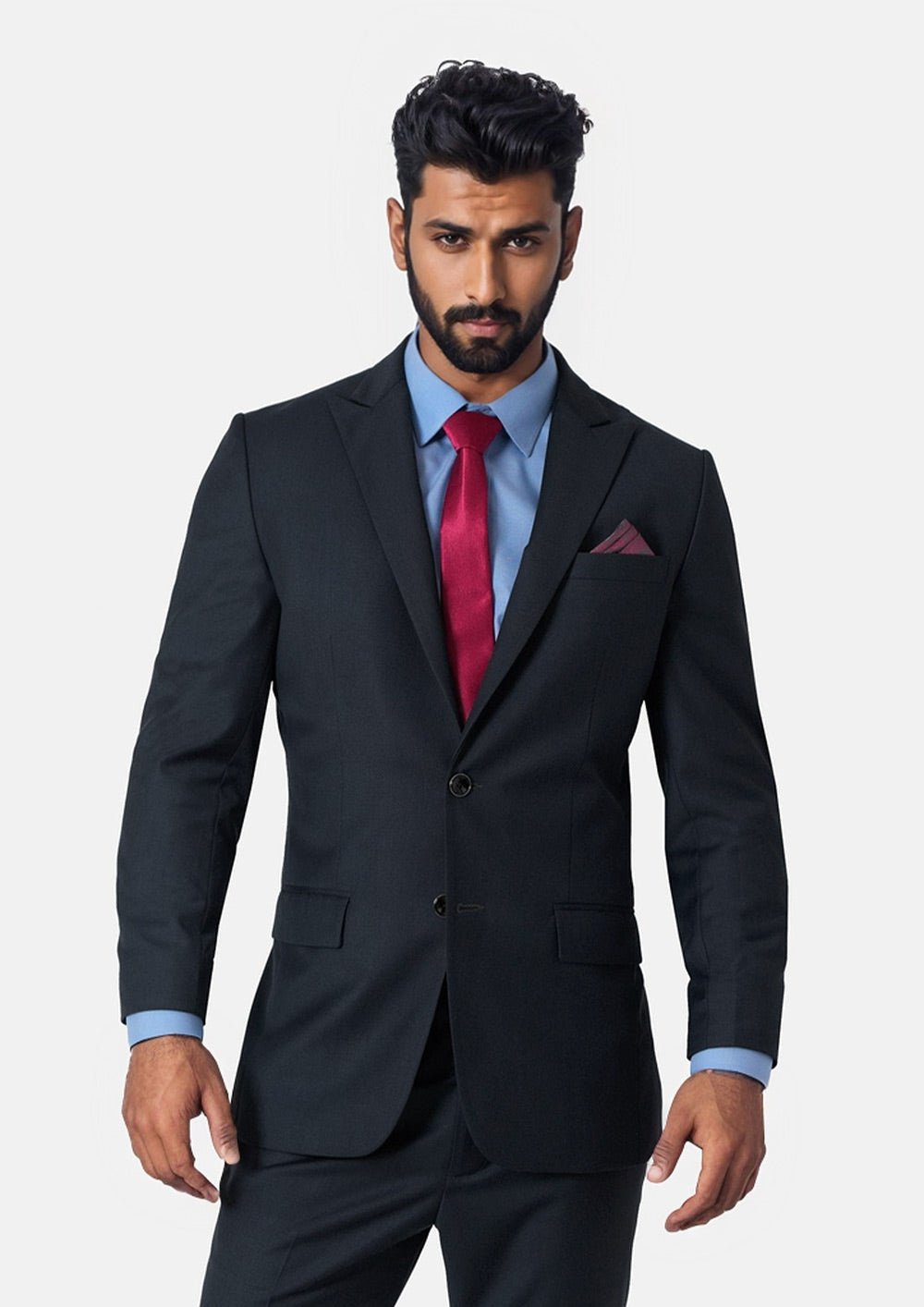
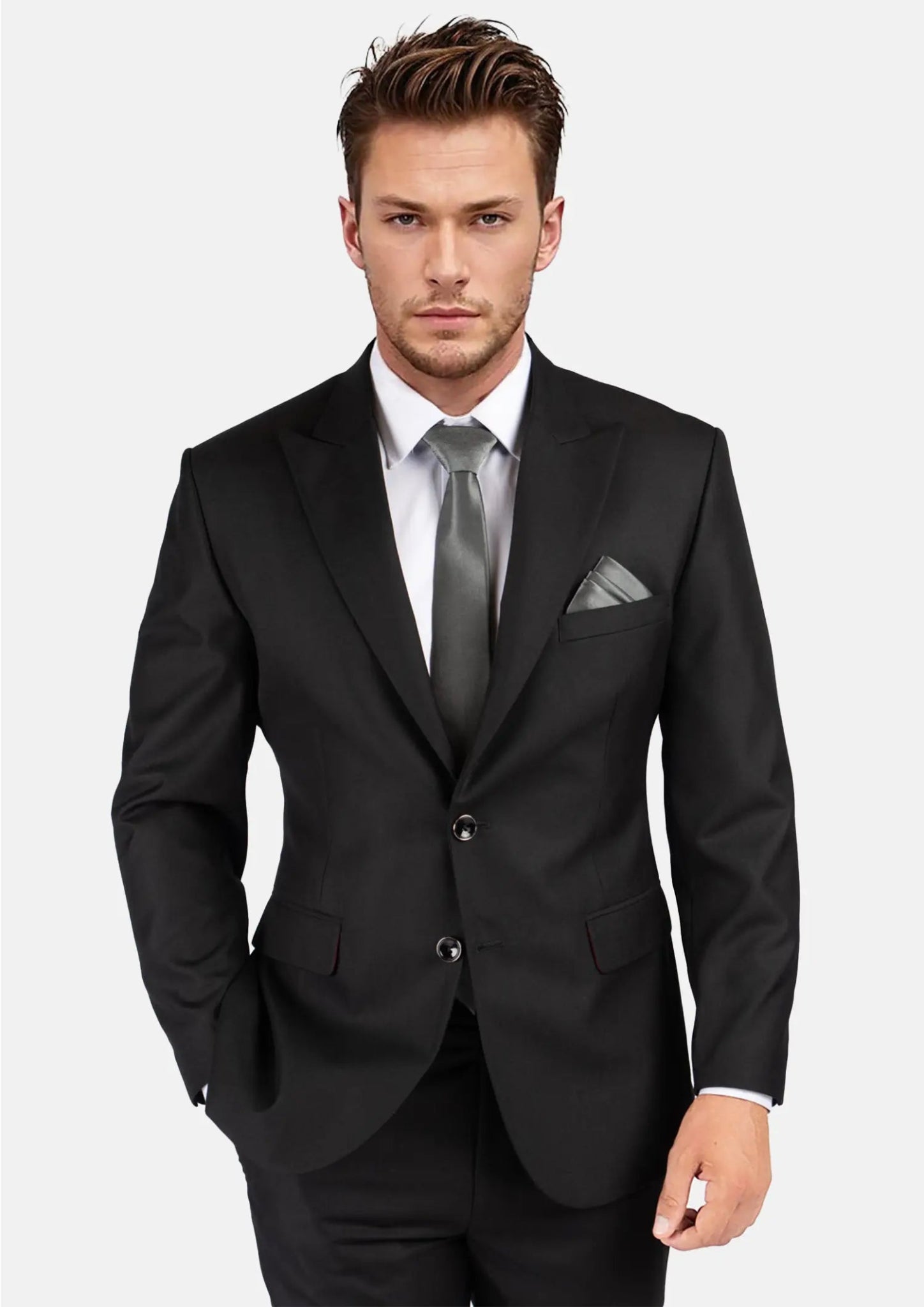
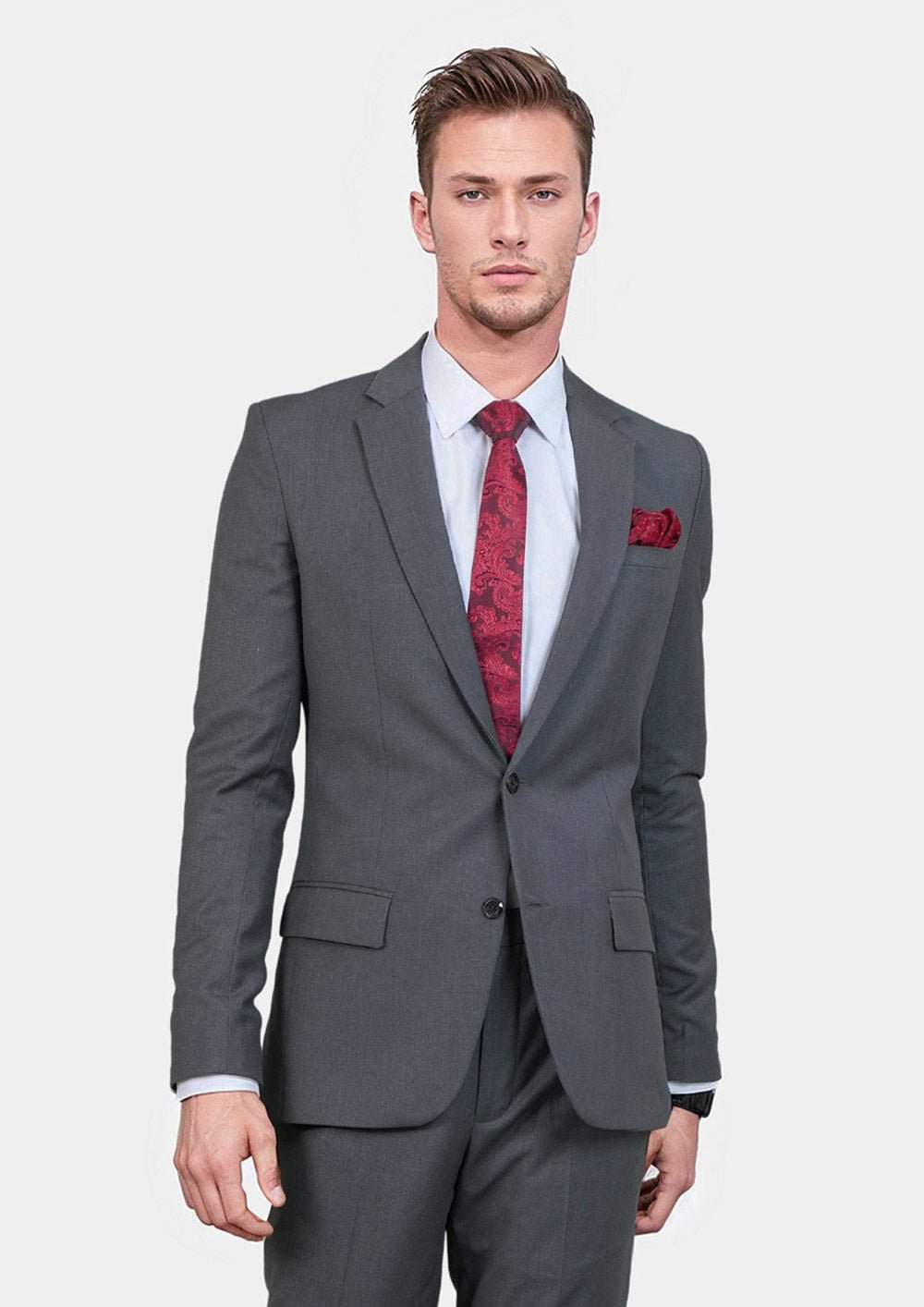
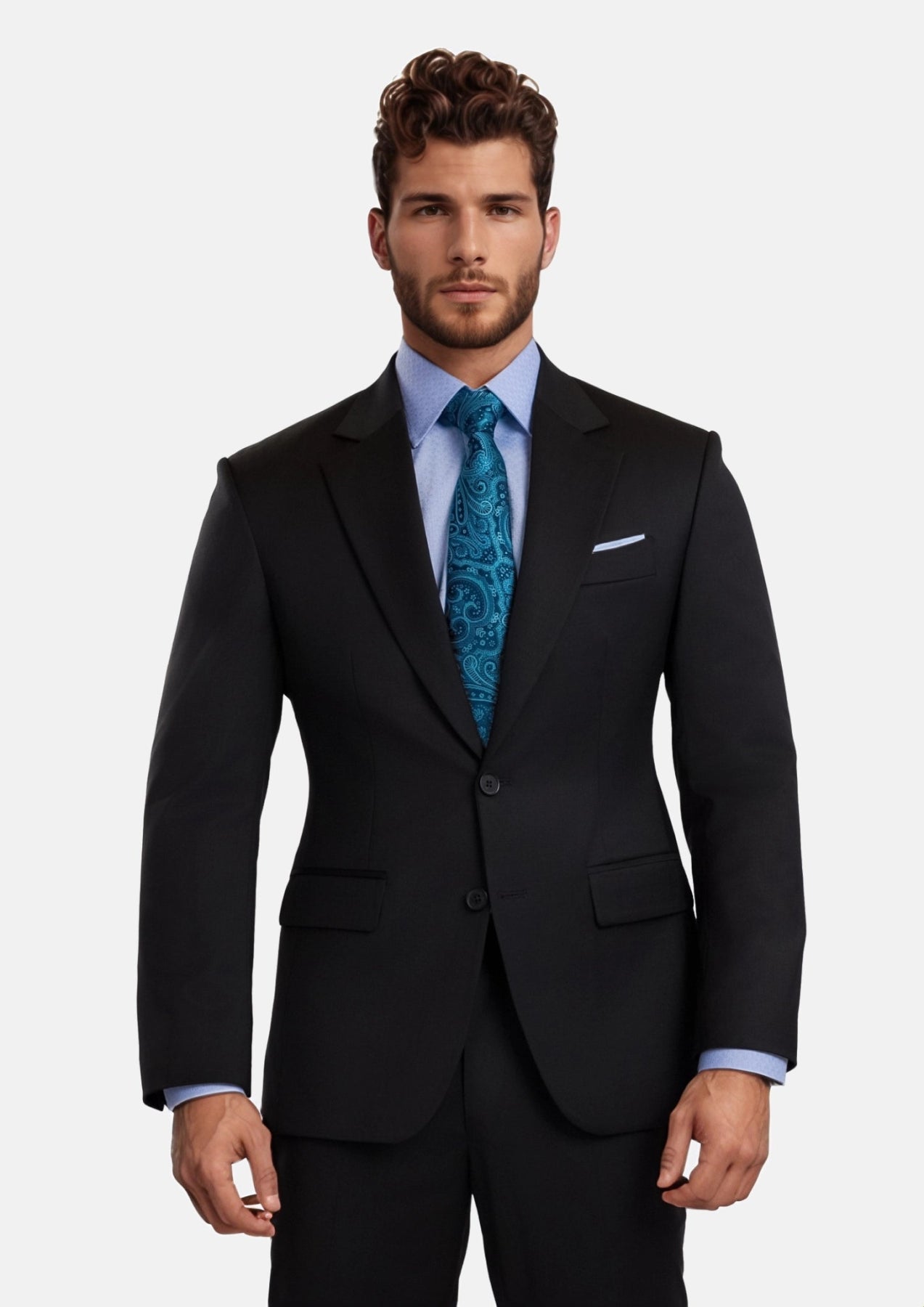
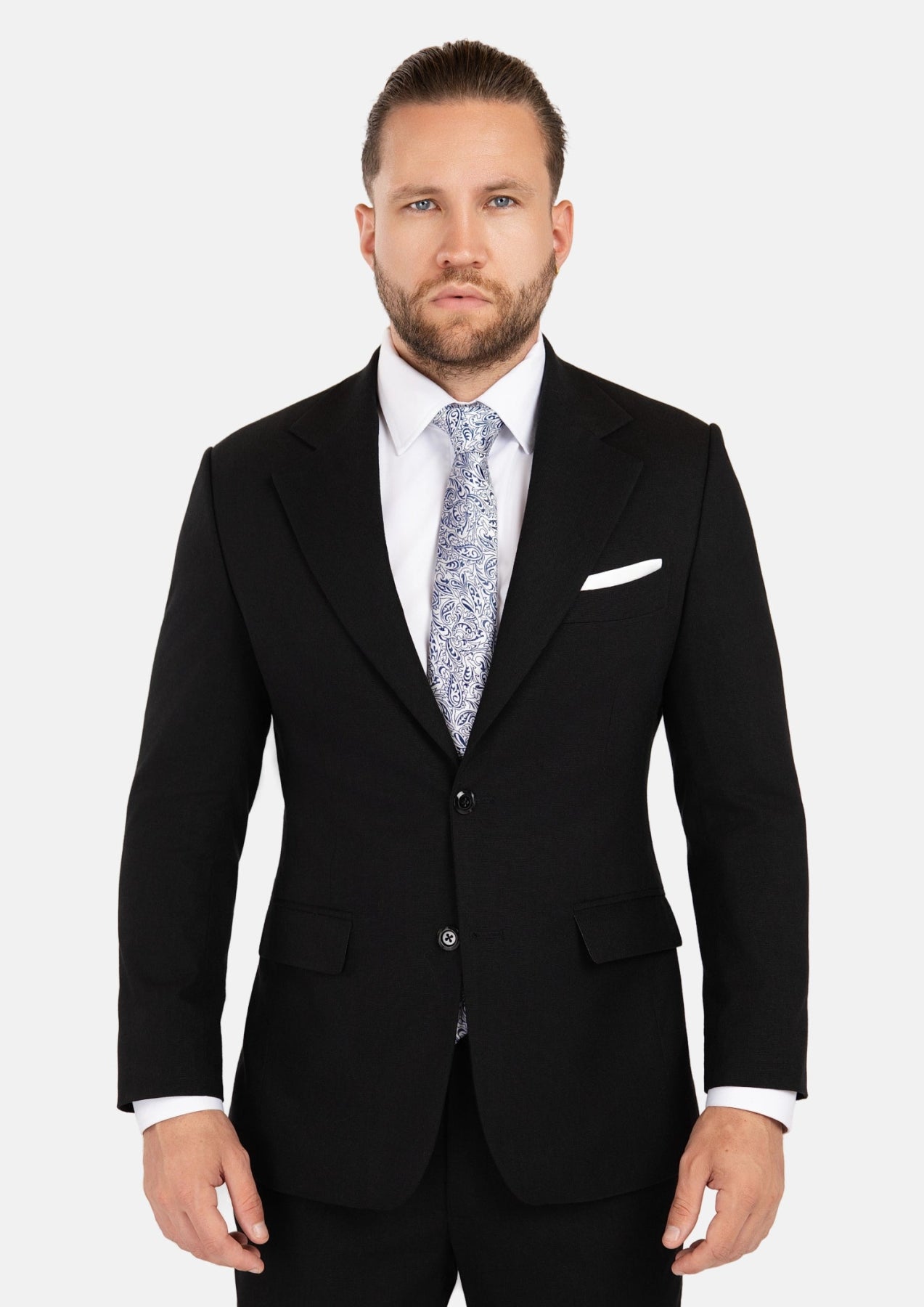
The question is not really charcoal vs black — it is which tool for which job. A charcoal suit is the more versatile of the two: it works for business, weddings, interviews, and most professional settings where a black suit would feel too severe or funereal. A black suit has its own domain — formal evening events, funerals, galas, and occasions where tradition calls for pure black. Both are wardrobe staples, but they are not interchangeable. This collection brings together SARTORO's charcoal and black suits across multiple fabric lines, each one custom made through our Digital Tailor to your exact measurements.
Whether you are building your first suit or adding to an established wardrobe, understanding the difference will help you choose the right foundation. Every suit in this collection is cut to your measurements through our online measurement process — no tailor visit required. Our Fit Promise covers alterations if anything is not quite right on arrival. For a full walkthrough of how the process works, see How Sartoro Works.
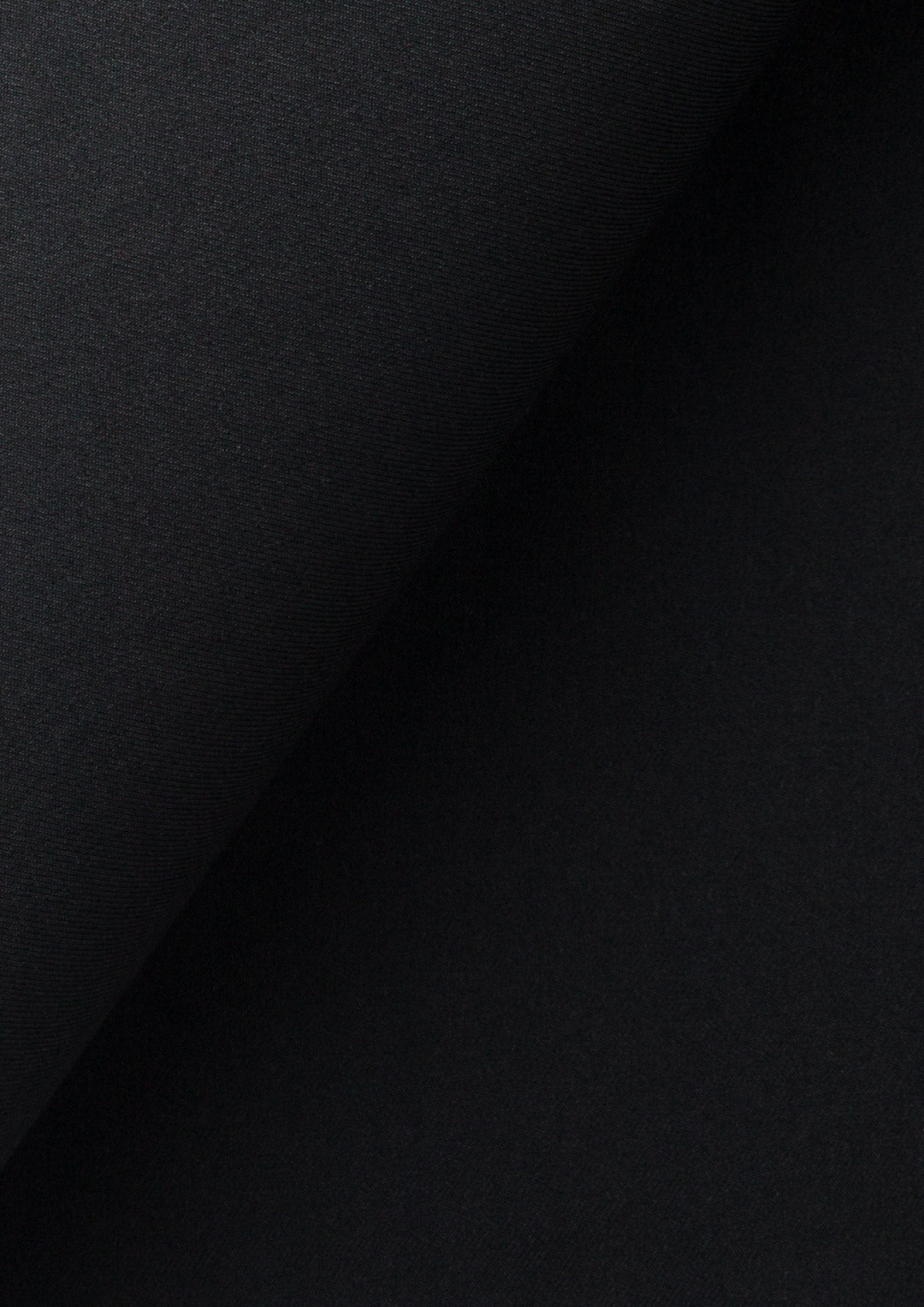
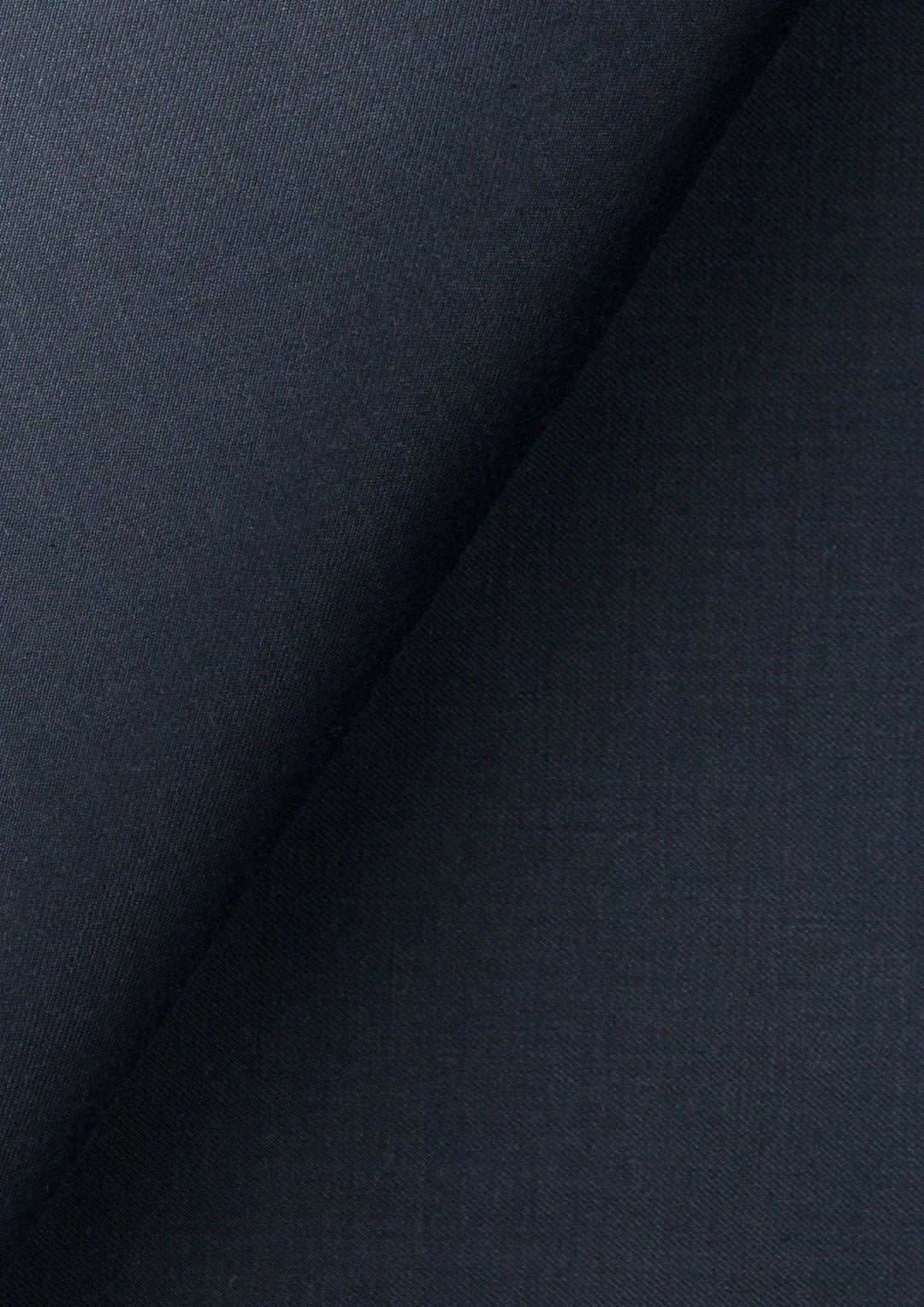
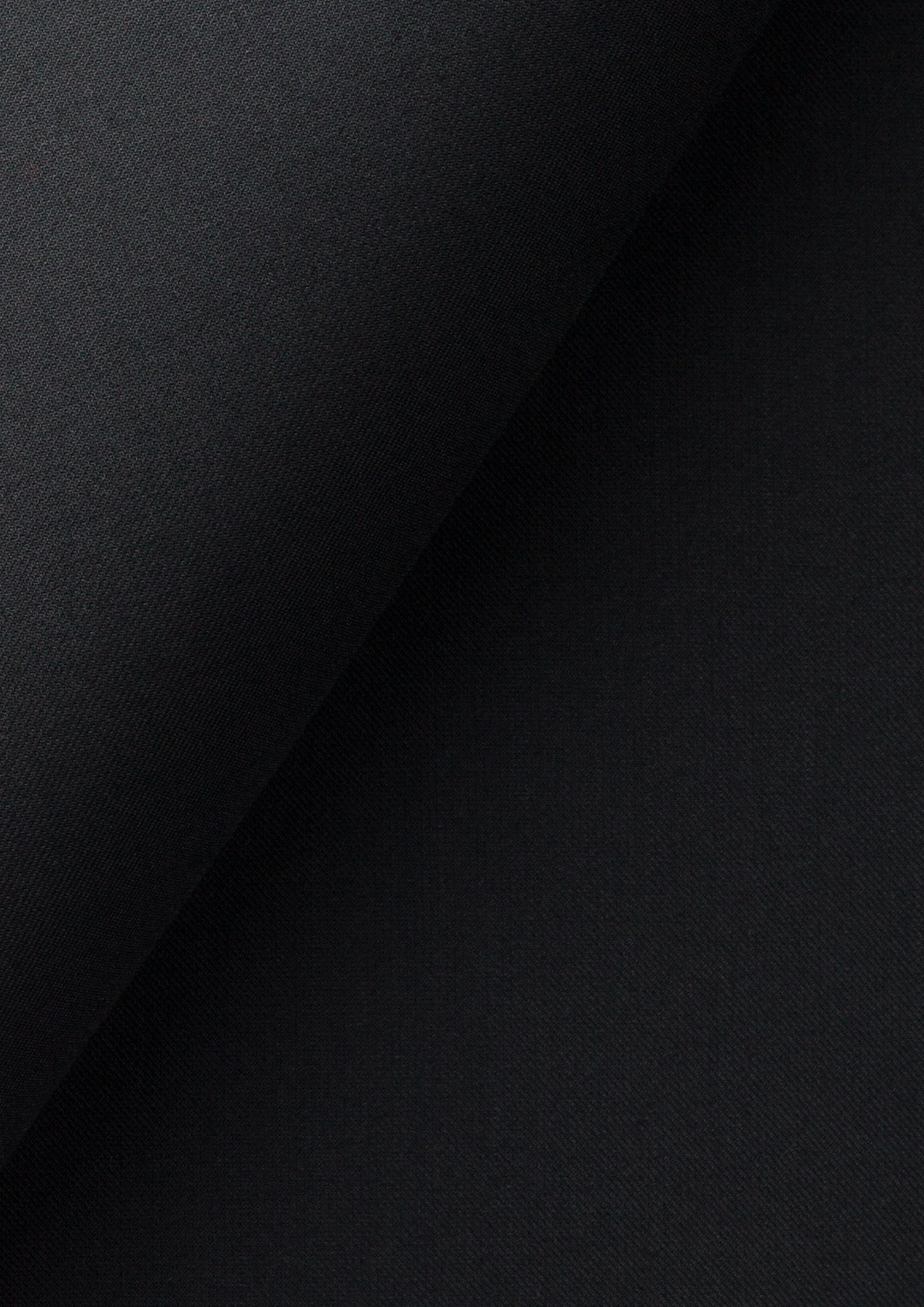
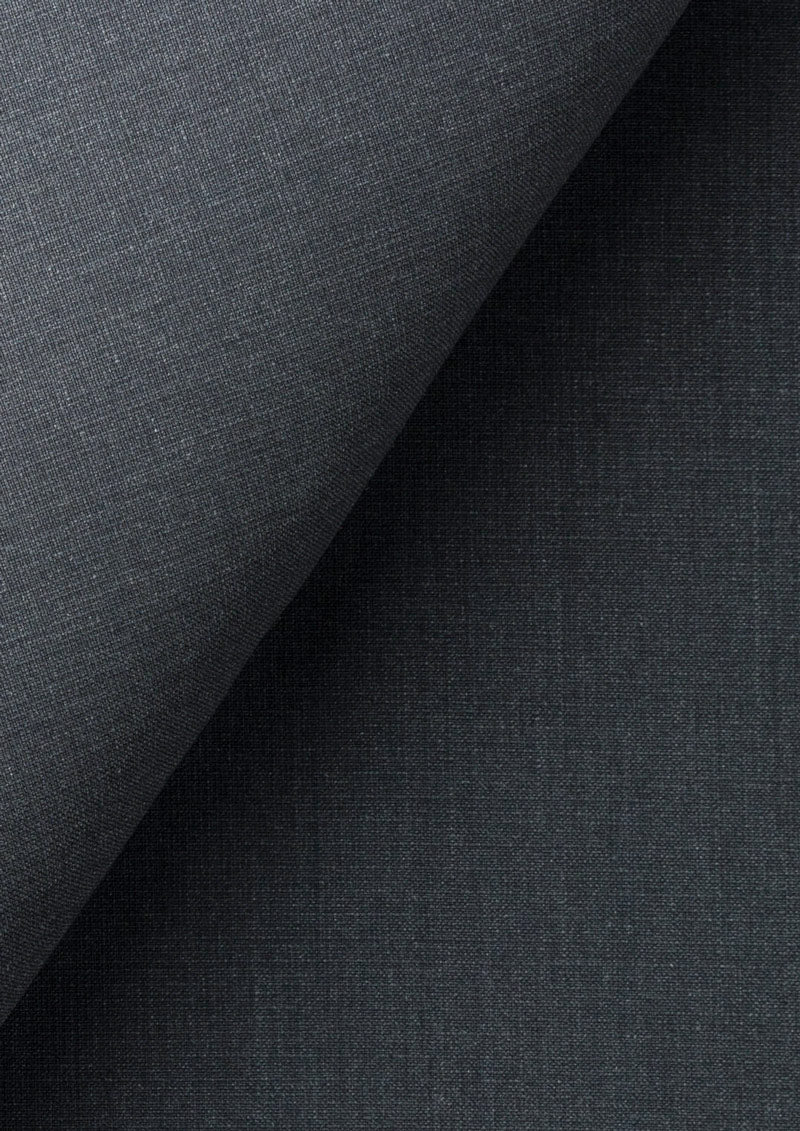
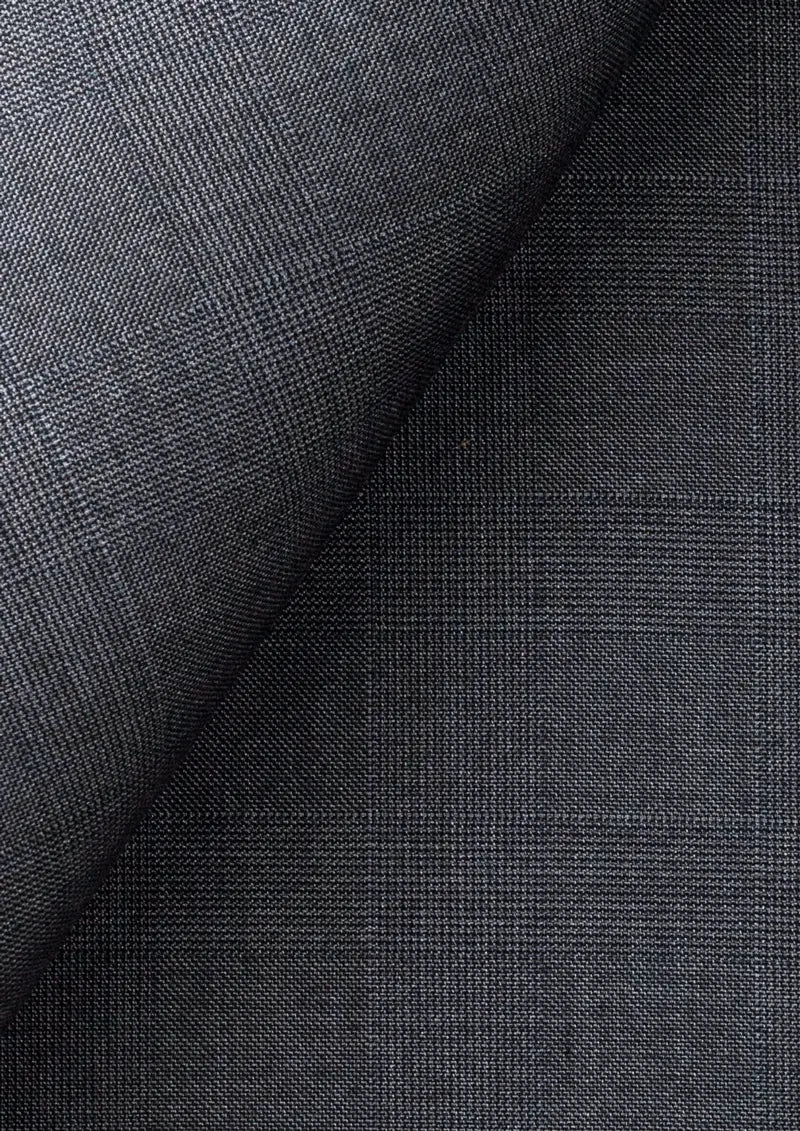
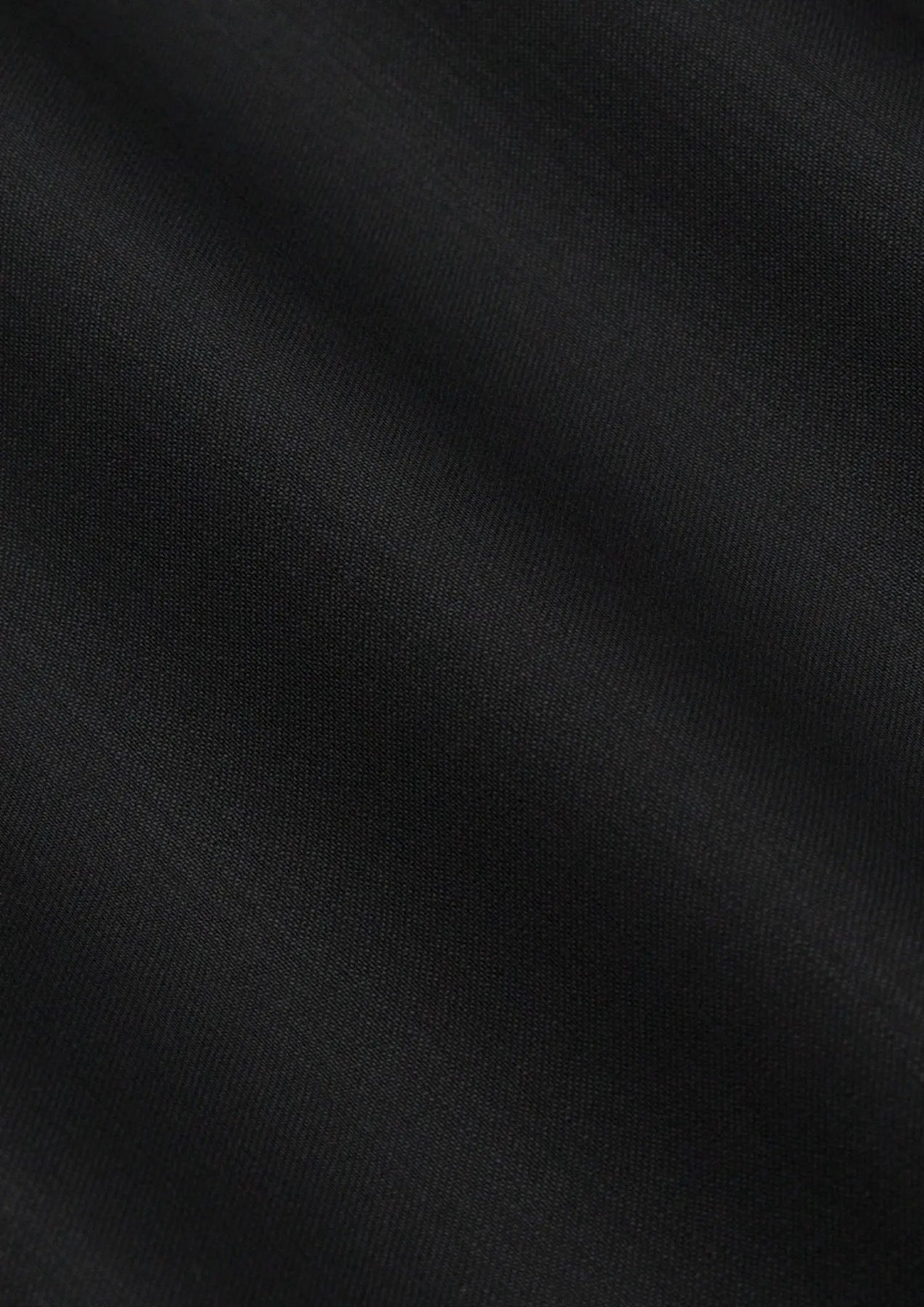
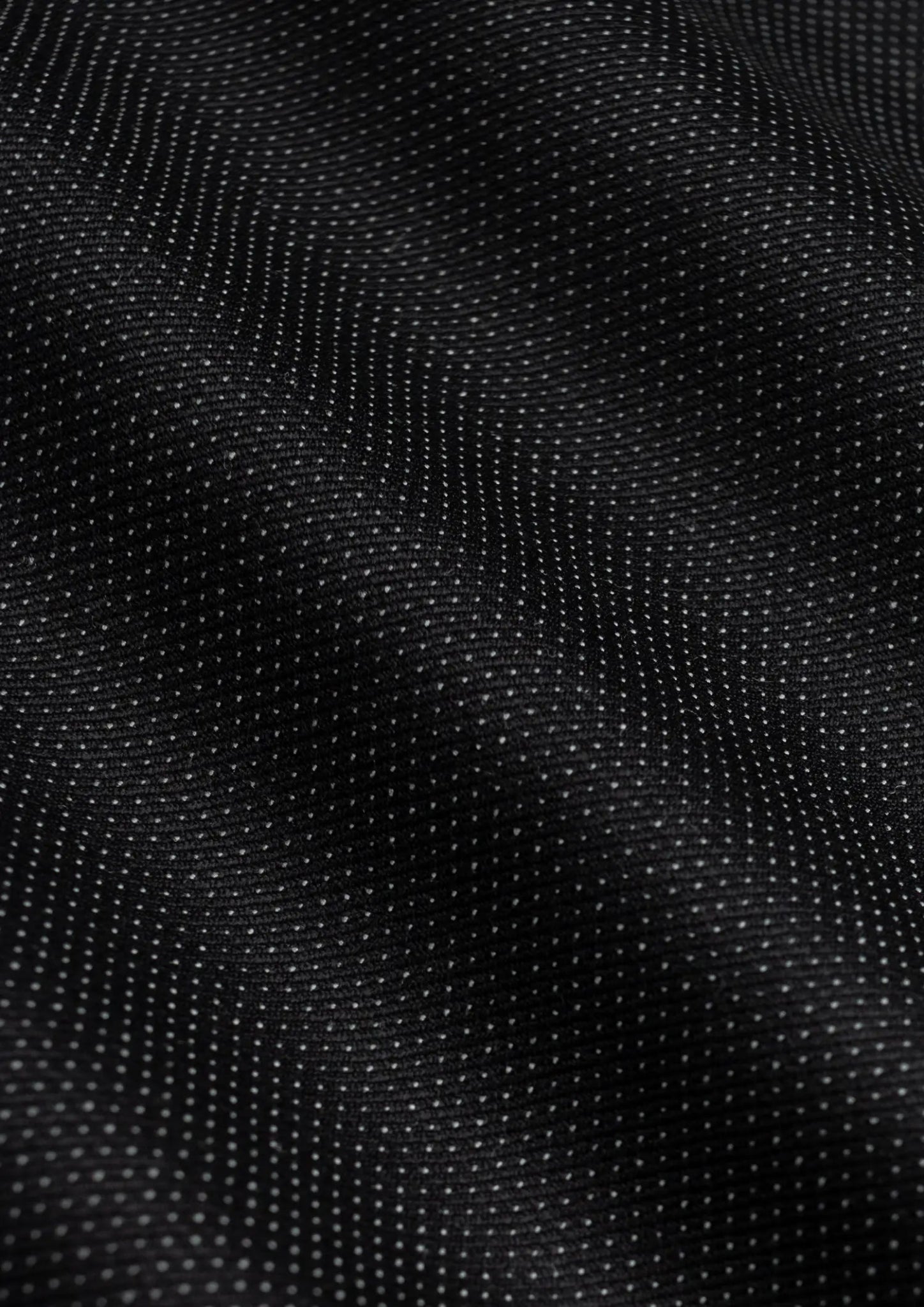
The fabric and construction matter as much as the color. SARTORO sources fabrics from established European mills like Tango by Giovani, ensuring color consistency and fade resistance across the lifespan of the garment. Canvassed construction allows the jacket to drape naturally and mold to your body over time — more durable and comfortable than fused construction. For year-round wear, the fabrics sit in the 240 to 280 GSM range: substantial enough to hold structure, breathable enough for three-season comfort. Charcoal and black each take dye differently — depending on the fiber and dye process, charcoal can read as slightly blue, slightly green, or slightly warm. The quality of the dye job determines whether your black suit stays deep and rich or fades to a dull gray over time.
Customization extends well beyond color. You have access to hundreds of design options: lapel width and style (notch, peak, shawl), button stance (single vs double-breasted), pocket configuration (flap, jetted, patch), vent style (center, side, none), trouser break, lining choices, monogramming, and more. A charcoal suit can be as conservative as a navy — or as individual as you want. A black suit can be minimalist and modern, or sharply formal. The same fabric in the same color can produce completely different garments depending on the design choices you make. Typical lead time allows for careful construction rather than rushed production, which is part of what separates a custom made garment from an off-the-rack one.
Styling is where charcoal and black diverge most noticeably. Charcoal pairs with brown shoes (tan, cognac, dark brown), oxblood, and black — giving you far more flexibility in your shoe rotation. Black essentially demands black shoes in conservative contexts. Charcoal accepts a wider range of shirt colors and tie patterns. Black is more restrictive but more powerful in the right setting. If you own no suits, buy charcoal first — it covers more occasions. If you already own charcoal, black is the logical next addition for formal events. A well-made custom suit, properly cared for, lasts 10 to 15 years or more. Whether you choose charcoal or black, the investment pays off in longevity, fit, and versatility. For guidance on how your suit should fit through the shoulders, chest, waist, and sleeves, see our guide on How a Custom Suit Should Fit.


