


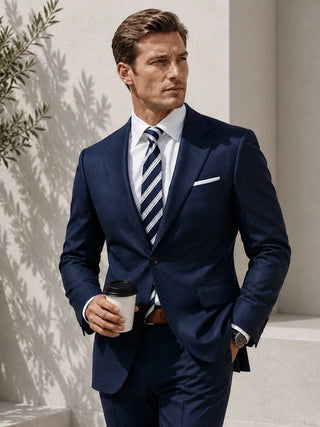
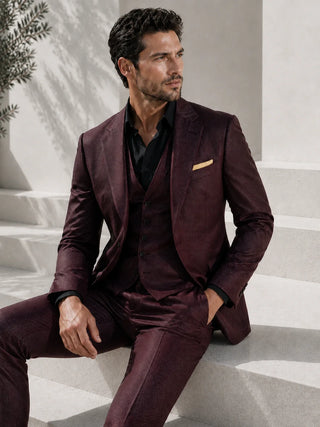
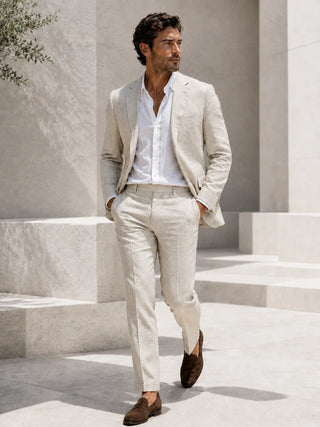

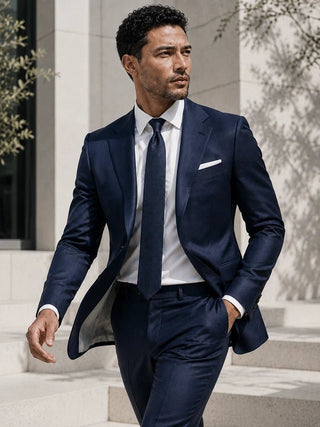
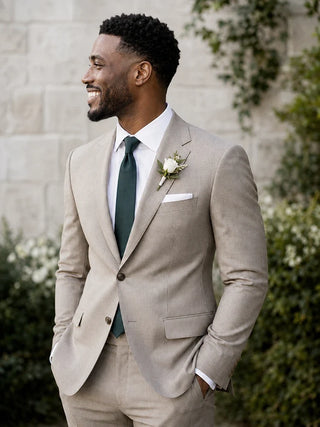
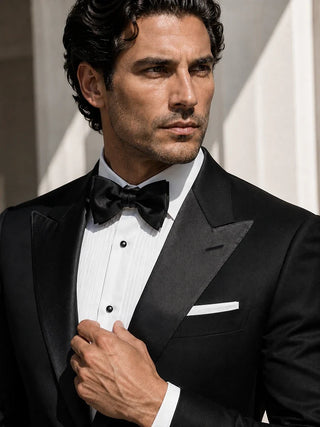
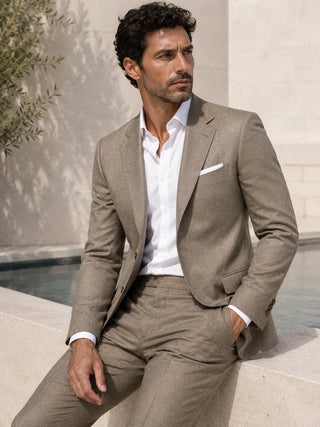
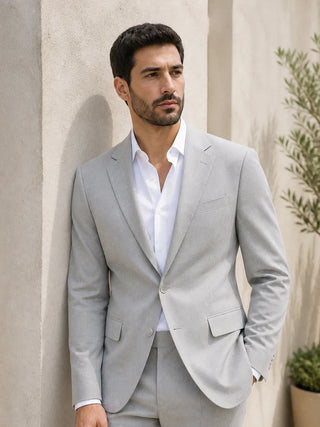
Fall Mens Custom Suits
REFINE BY
Clear All
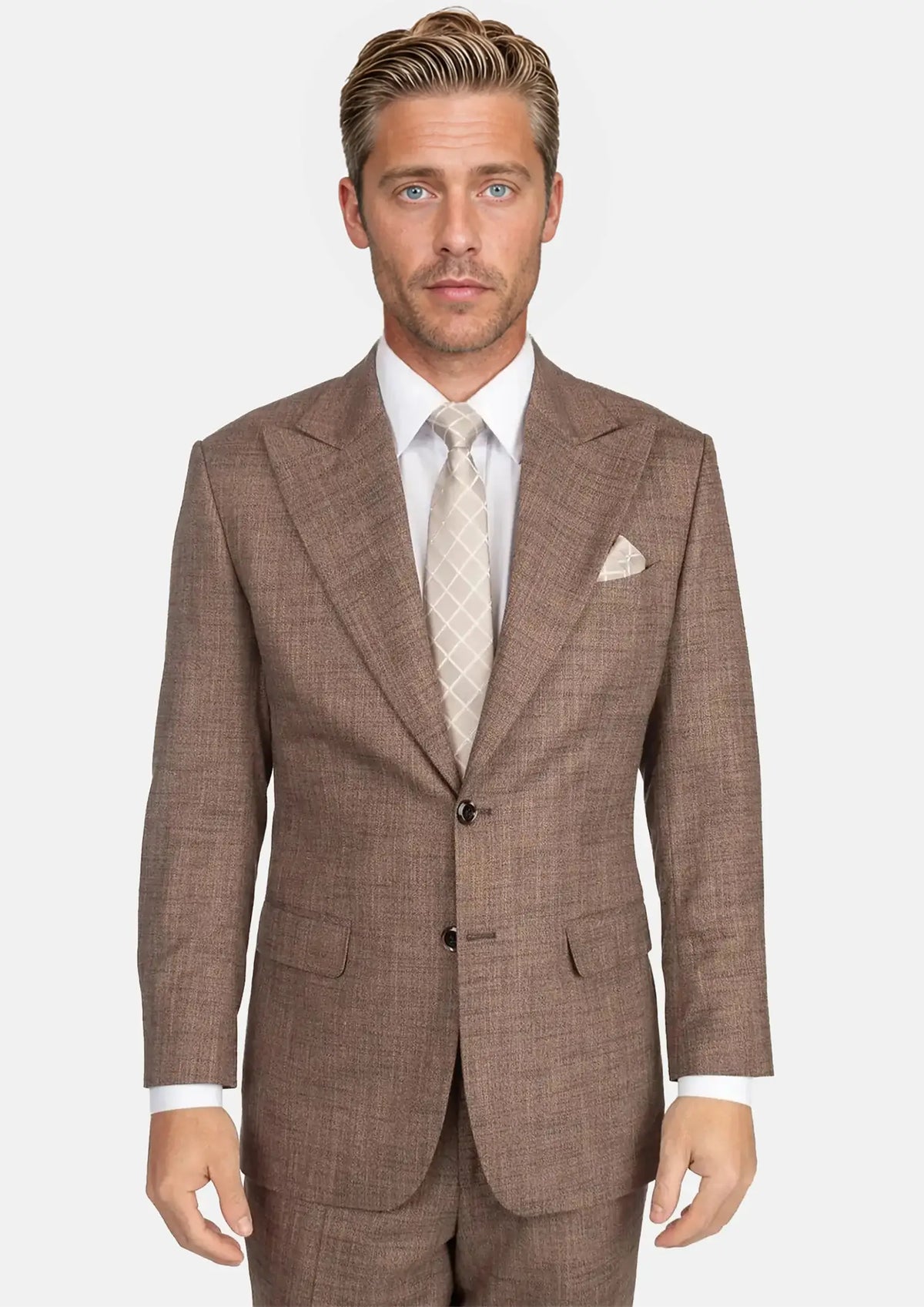

Bamboo
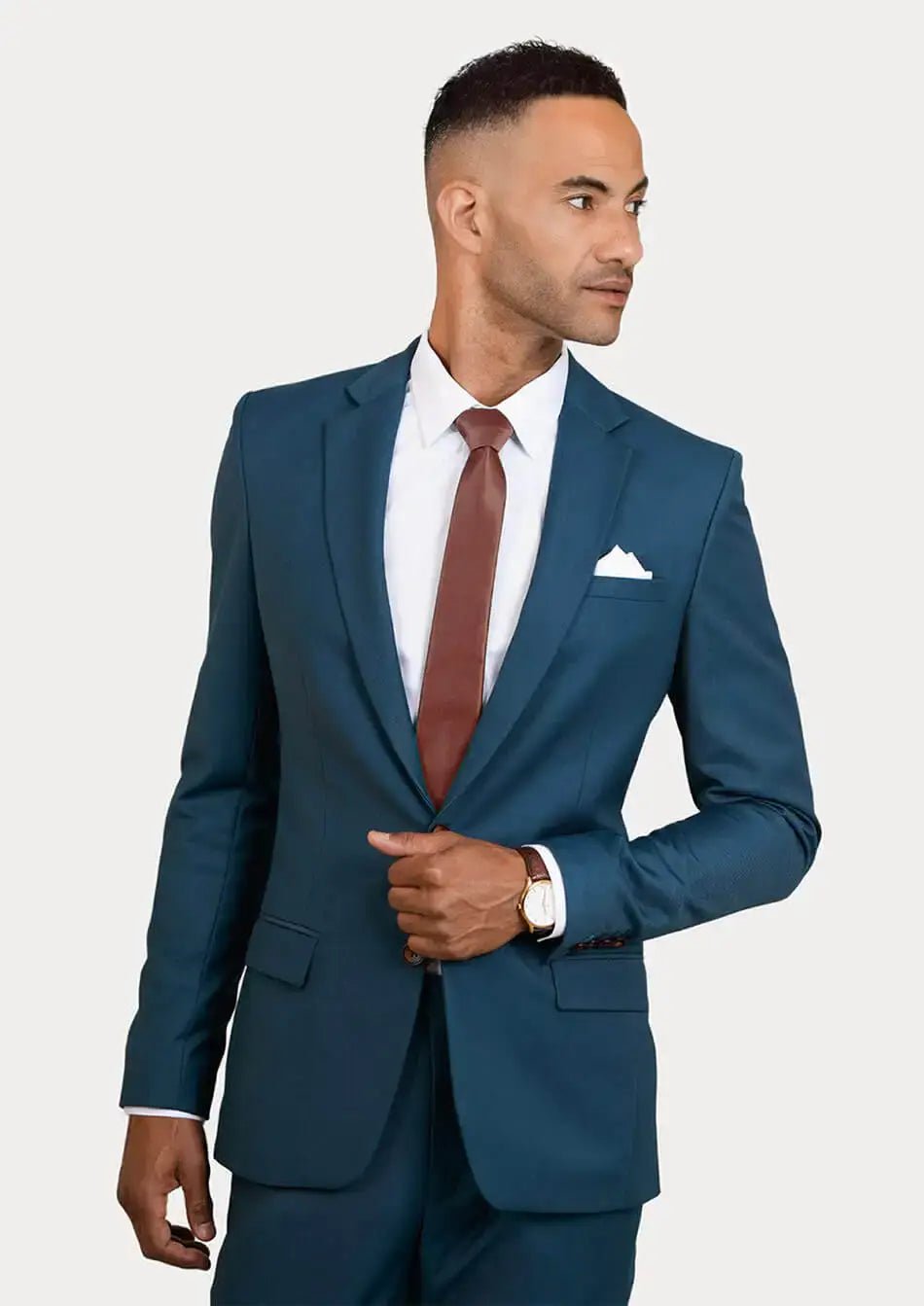

Premium
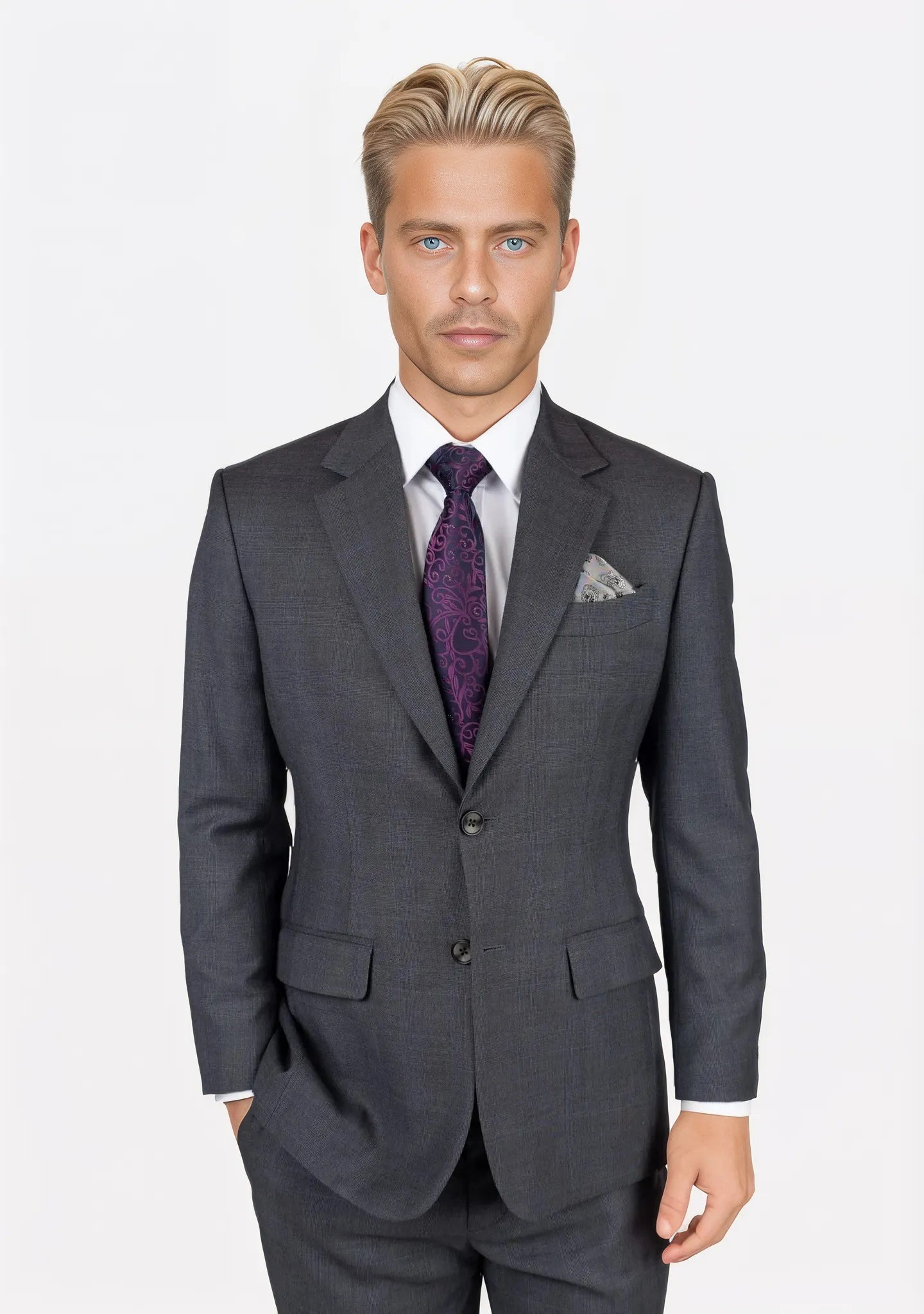

Premium
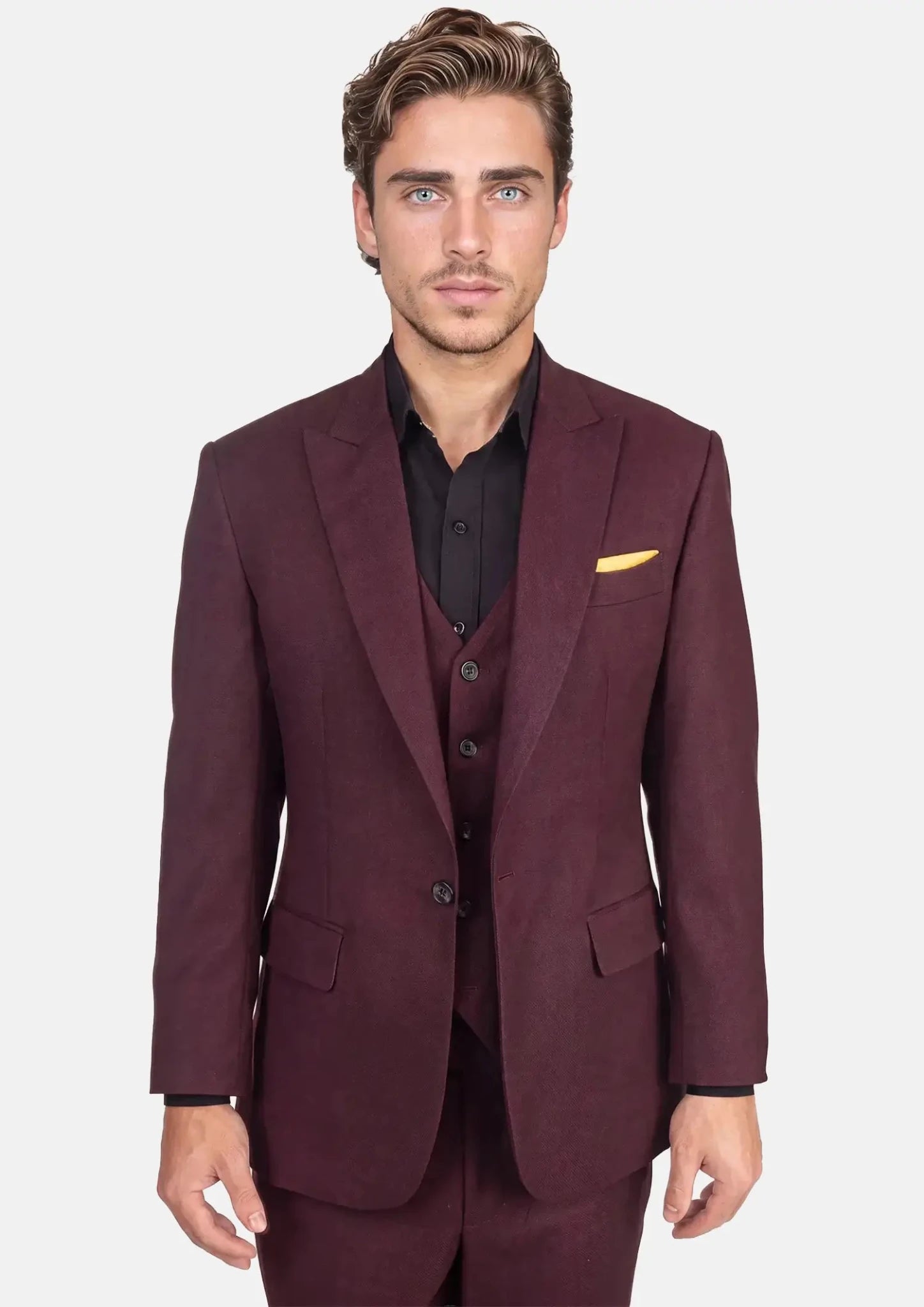

Super 130s


Super 120s


Super 120s


Cotton


Premium


Premium


Super 120s
Getting Married?
We've got great options for wedding parties.


Super 130s


Cotton
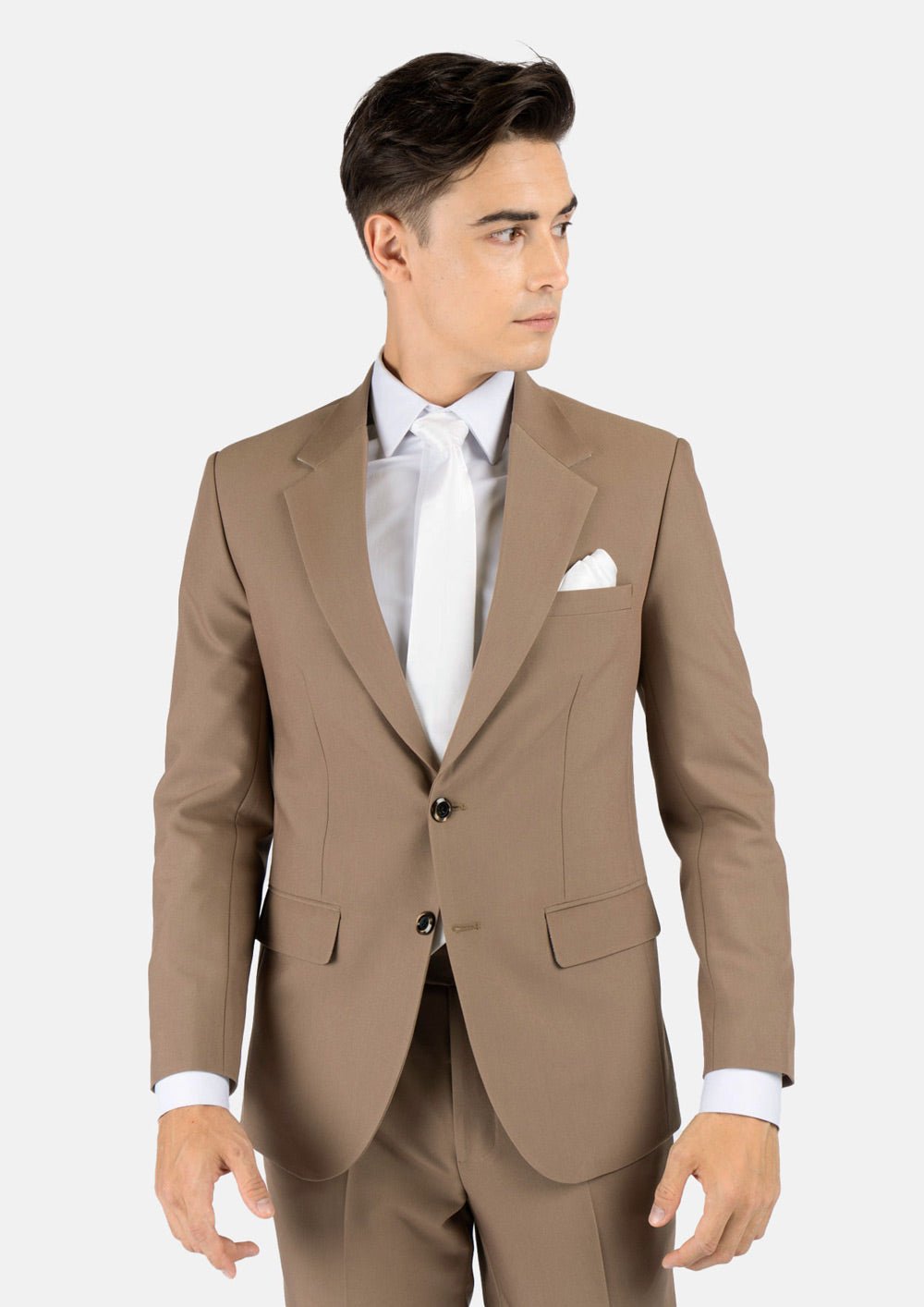

Cotton


Super 120s
Own The Room In Garments Custom Made For you

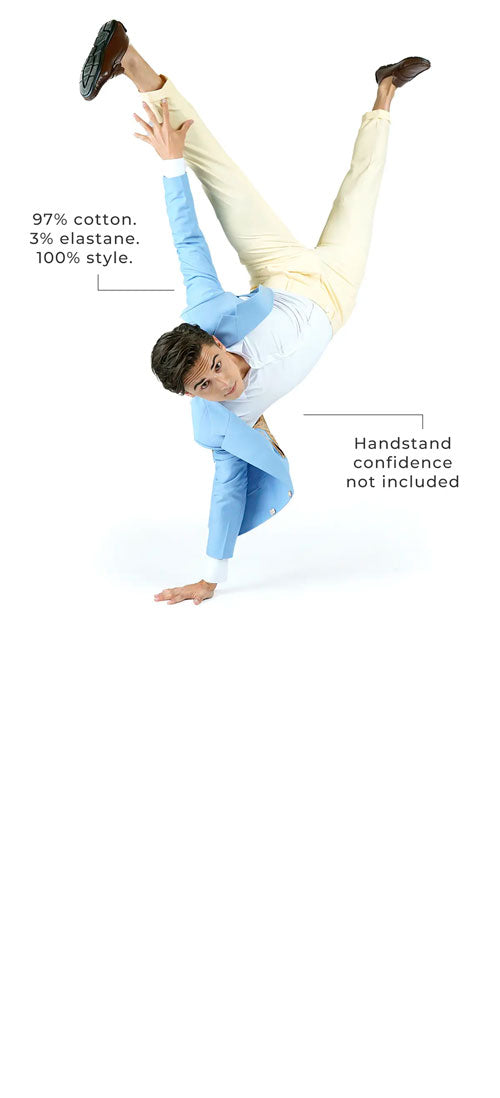
COTTON STRETCH
Made To Move With You
Our stretch cotton fabrics have just enough give to extend range of motion without sacrificing the look and feel of the garments. Available in both classic colors and bold hues, these are perfect for those wanting a bit of extra comfort.


Stay Warm. Look Sharper: Fall Suits, Tailored for the Season
Stay Warm. Look Sharper: Fall Suits, Tailored for the Season
Cold mornings. Sunny afternoons. Unpredictable fall calls for suits that balance insulation with breathability—and look exceptional from desk to dinner. Our fall suits blend premium Merino wool, flannel, and performance blends to deliver warmth without the bulk. Choose your fabric weight, lapel, and lining to fine-tune comfort across shifting temperatures. Your perfect layer starts here with precision tailoring and confident style built in.Not sure which cloth is right for your climate or calendar? Explore our fabric guide to compare Merino, flannel, and wrinkle-resistant performance weaves. Prefer a dialed-in silhouette? Review understanding fit to lock your measurements and choose the structure that moves with you. Every suit is custom-made to your specs, finished with hand-selected details that elevate the everyday. Expect hand-cut patterns, balanced proportions, and quality hardware designed for heavy rotation in cooler months. Use our Digital Tailor to capture accurate measurements in minutes—no tape required.
Then select functional upgrades like stretch waistbands, pick-stitching, or extra interior pockets for travel days. Choose mid-weight cloths for changeable forecasts or cozy flannel for crisp evenings. Whether you’re planning a fall wedding, weekly boardroom rotation, or cool-weather weekend dinners, your suit arrives tailored to your life. We craft for movement as much as for looks, so you feel as composed at 8 a.m. as you do at last call. Warmth, mobility, and sharp lines—without compromise. Build a smarter rotation for autumn and beyond with adaptable pieces that layer cleanly and hold their shape. When the temperature drops, your suit should rise to the moment.


