Holland & Sherry: The British Fabric Legend of Savile Row

Contents

On Savile Row, the street that sets the standard for men's tailoring, one name appears in nearly every cutting room: Holland & Sherry. Founded in London in 1836, the company has spent almost two centuries doing a job that is widely misunderstood. It is not a mill. It is a merchant house — it commissions cloth from the finest weavers of Britain and beyond, then curates that cloth into the numbered bunch books tailors leaf through when they say "let's find your fabric." This guide covers the full profile: the history that shaped the house, the named collections in its current books, what the merchant model actually means for the cloth you wear, where Holland & Sherry sits among the luxury cloth names, and how to decide whether one of its fabrics belongs in your next suit.

Holland & Sherry at a Glance

  • Founded: 1836 at 10 Old Bond Street, London, by Stephen George Holland and Frederick Sherry
  • Head office: Savile Row, London — on the street since 1982, at No. 31 since 2022
  • Business model: merchant house — commissions and curates cloth, then distributes it through bunch books
  • Distribution: purpose-built warehouse at Peebles in the Scottish Borders, from the 1968 acquisition of cloth merchant Lowe Donald
  • Ownership: Individualized Apparel Group, the American tailored-clothing company, since 2003
  • Range: from Super 240's worsted and cashmere to pure vicuña, Harris Tweed and mohair
  • Best known for: Crispaire, InterCity, Gostwyck, Estate Tweeds and the Black Tie books
  • House character: the breadth of a London merchant — city worsteds, country tweeds and evening cloths under one roof
Man in a navy chalk stripe three-piece suit on a Savile Row street in London, adjusting his cuff in golden afternoon light
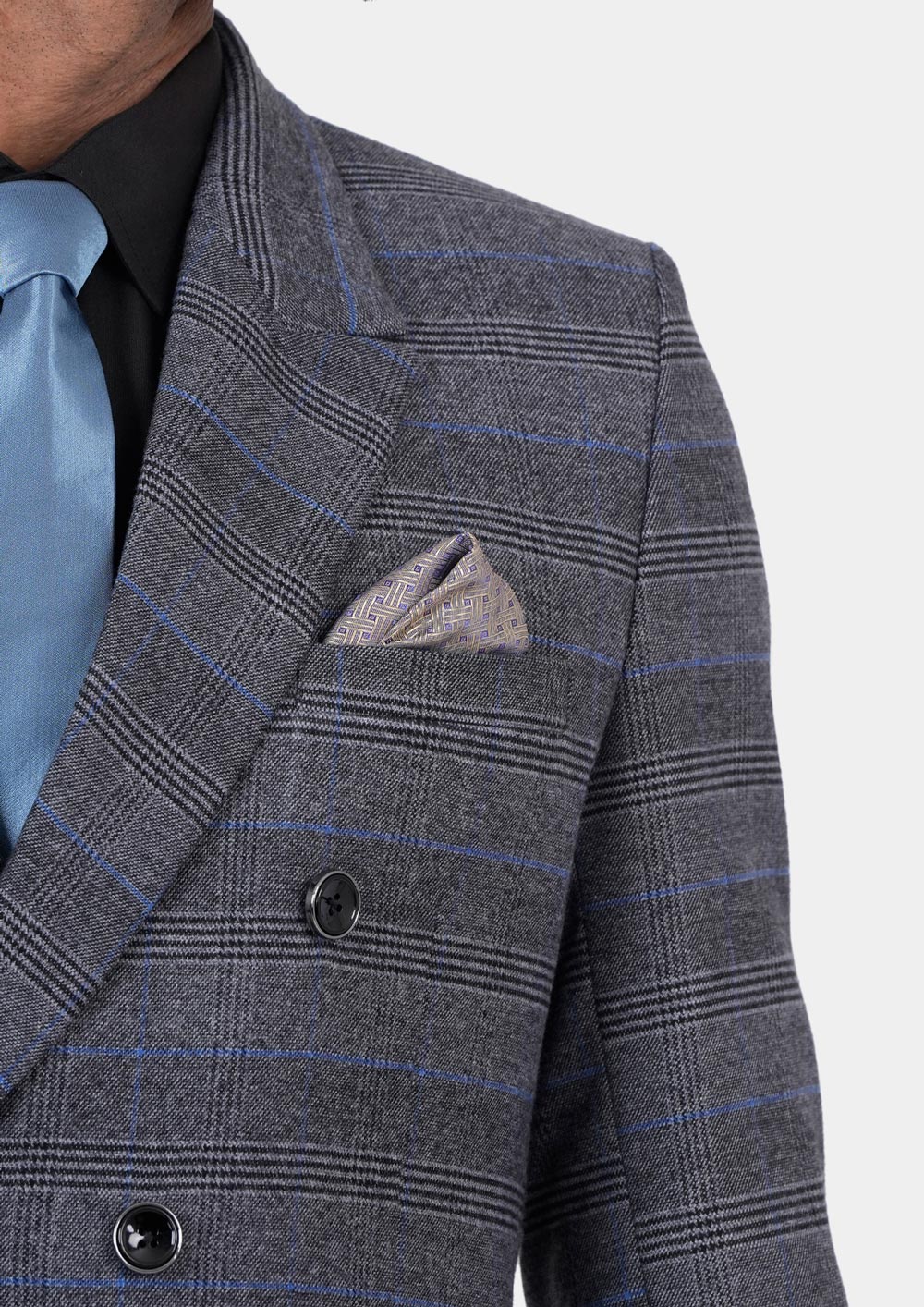
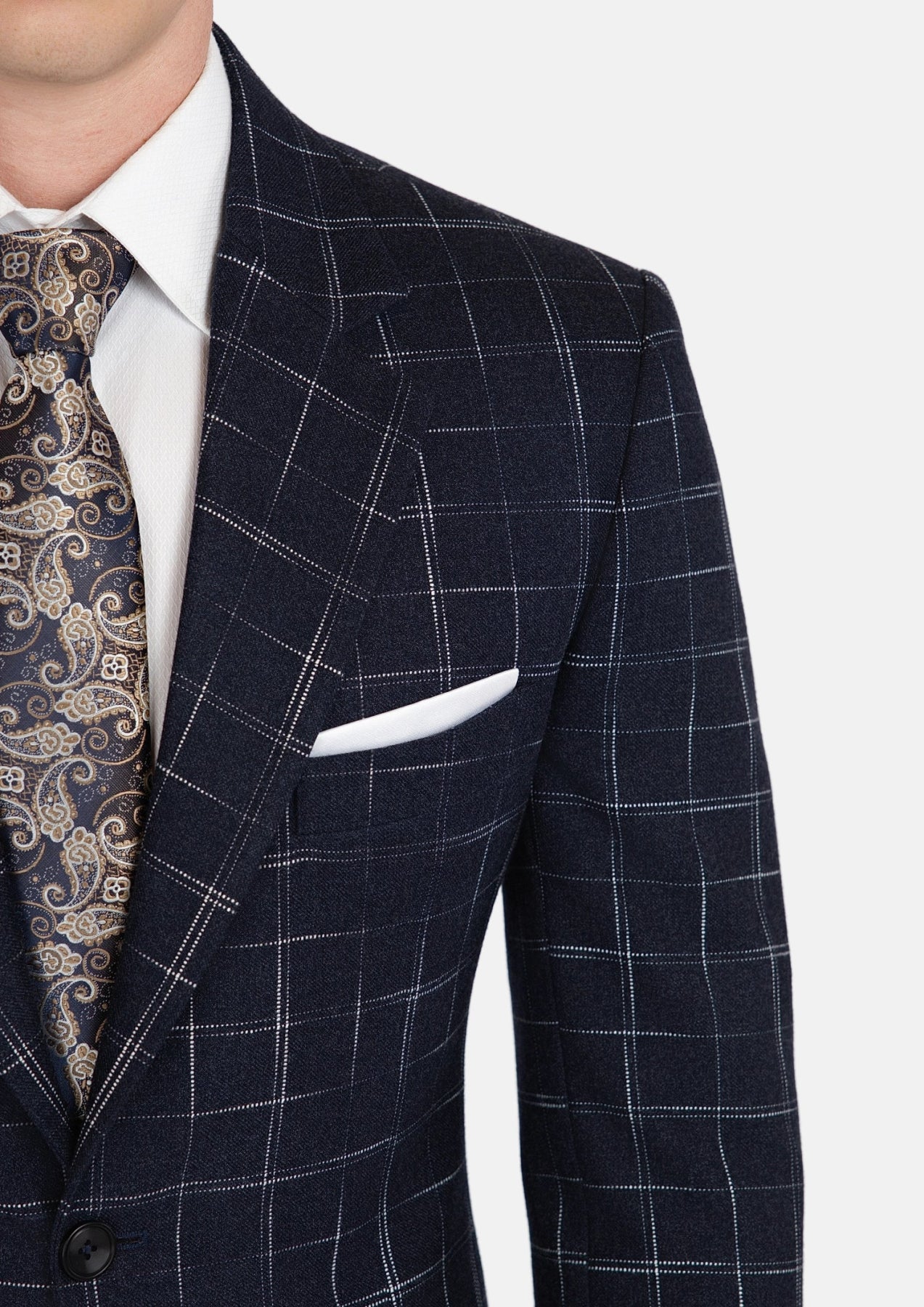
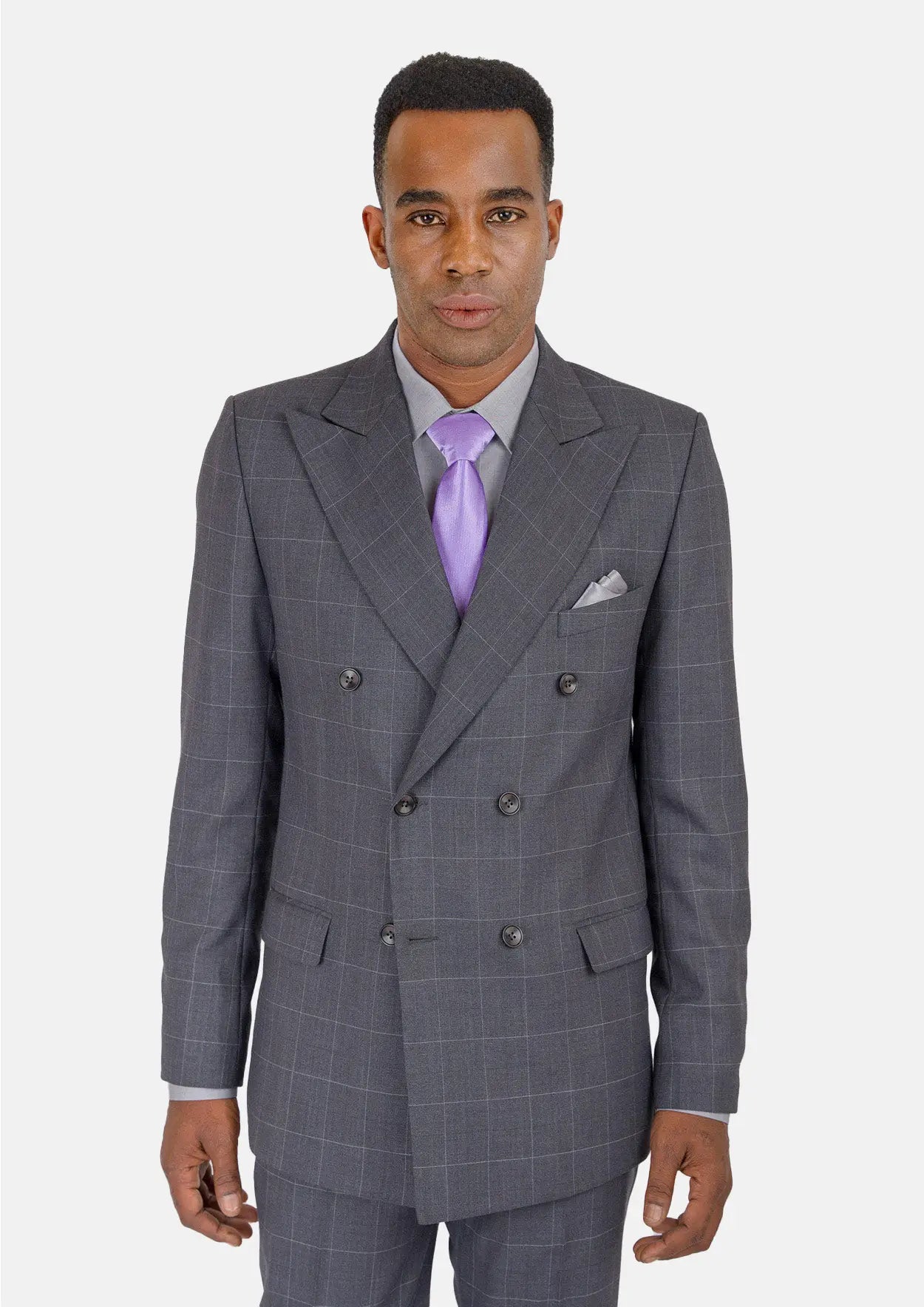
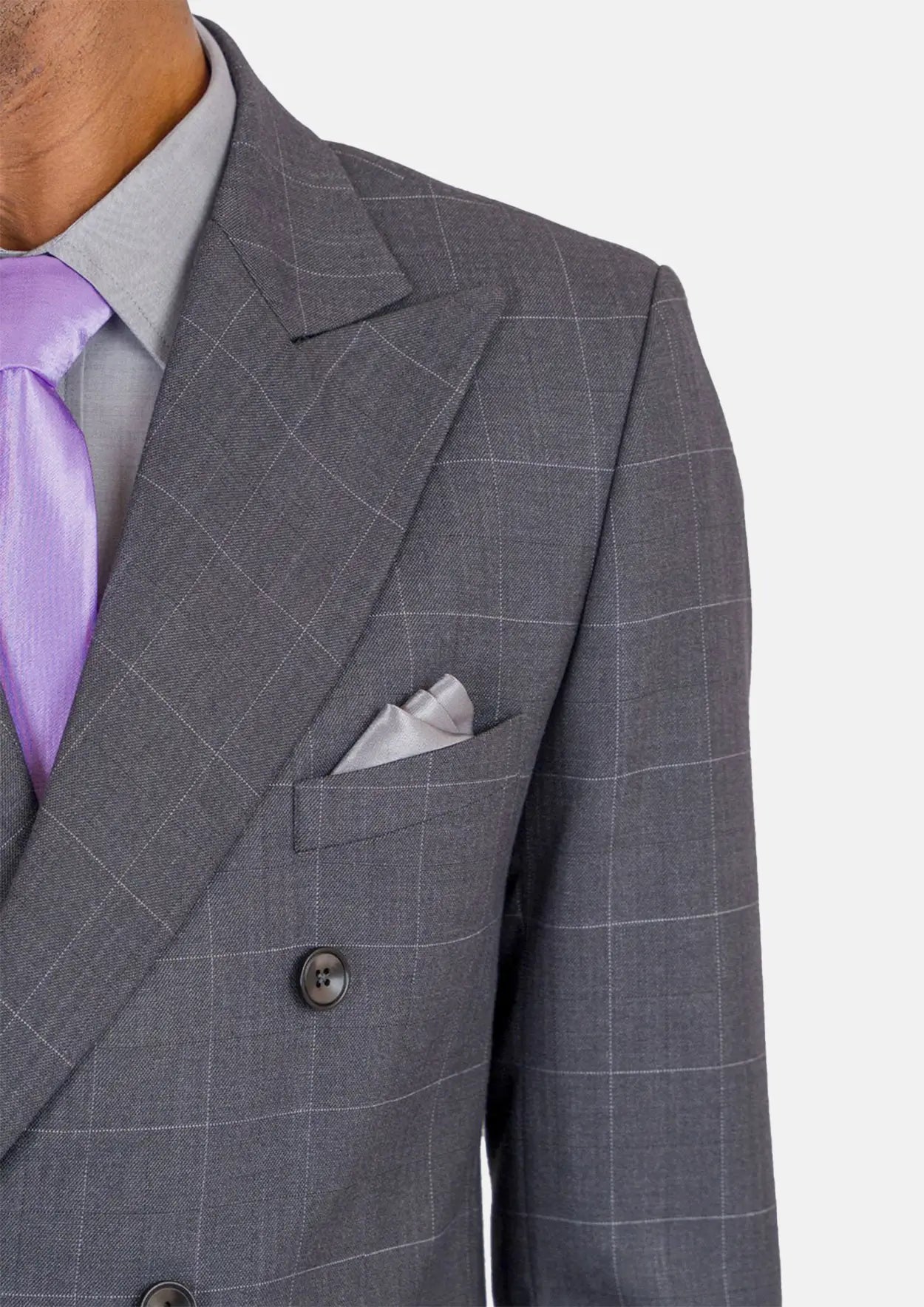
Dark Grey Prince of Wales Suit144 Dark Grey Prince of Wales Suit102
Premium
All-season premium wool blend
$595
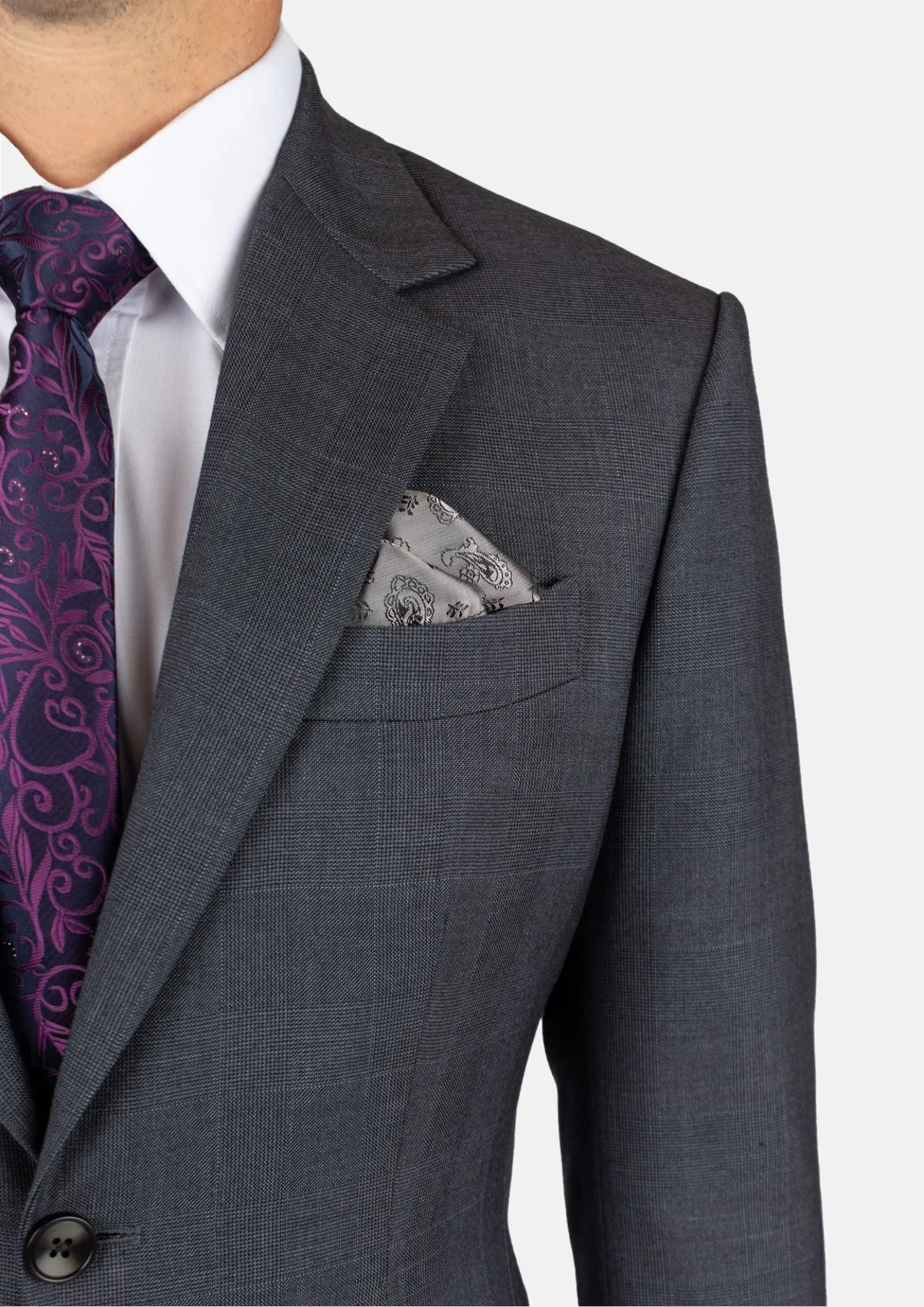
Charcoal Prince of Wales Suit233 Charcoal Prince of Wales Suit944
Premium
All-season premium wool blend
$645

Two Centuries of the London Cloth Merchant

The Holland & Sherry story explains a structural difference between British and Italian cloth that still shapes suits today: in Britain, the power sat with the merchants, not the mills.

Stephen George Holland and Frederick Sherry opened for business in 1836 at 10 Old Bond Street, dealing in woolen and silk cloths. London at that moment was the commercial capital of the wool world — the fleece of Australia and the merino bloodlines of Spain flowed into British ports, and the capital's merchant houses decided which weaver got which order. In 1886 the firm moved to Golden Square in Soho, then the epicenter of the woolen merchanting trade, surrounded by rivals who were all doing the same thing: commissioning cloth from mills across Yorkshire, Scotland and the Continent, then selling it by the bunch book to tailors.

The export machine followed the empire and the shipping lines. By 1900 the firm was selling to dozens of countries and had opened a sales office in New York. There was even a Holland & Sherry warehouse in St. Petersburg, serving a Russian market that prospered until the revolution closed it — and that the house has since reopened. In 1968 the company bought Scottish cloth merchant Lowe Donald, based at Peebles in the Borders, and built its distribution warehouse there, close to the tweed country. By 1982 the head office moved to Savile Row itself — first to numbers 9–10, and since 2022 to No. 31 — placing the merchant on the very street it supplies.

Two facts capture the house's staying power. Of all the Golden Square cloth merchants established in the late 1800s, Holland & Sherry is the only one that remains. And over the decades it has purchased nearly twenty other wool companies, absorbing their archives and specialties rather than letting them disappear. Since March 2003 the firm has been owned by the Individualized Apparel Group, the American company behind some of the United States' largest tailored-clothing brands, which gave the old London house North American scale.

The root cause of the merchant model is geography and trade. Italy's wool districts — Biella above all — grew around soft alpine water and family mills that controlled every step from fleece to finish. Britain grew around commerce: a dense London trading quarter where dozens of merchants competed to assemble the widest, best-curated range of cloth, each commissioning whatever mills served the order. A mill's strength is depth — perfecting what it weaves. A merchant's strength is breadth — one book that carries the tweed of the Hebrides, the worsted of Yorkshire and the mohair blend of a specialist weaver, sold to a tailor as a single relationship. That is the world Holland & Sherry was built for, and it is why the house has outlived every neighbor.

The house still trades today from its Savile Row head office, and its current bunch books ship to tailors on every continent.

Historic London cloth merchant archive with leather-bound bunch books and rolled bolts of wool suiting and tweed
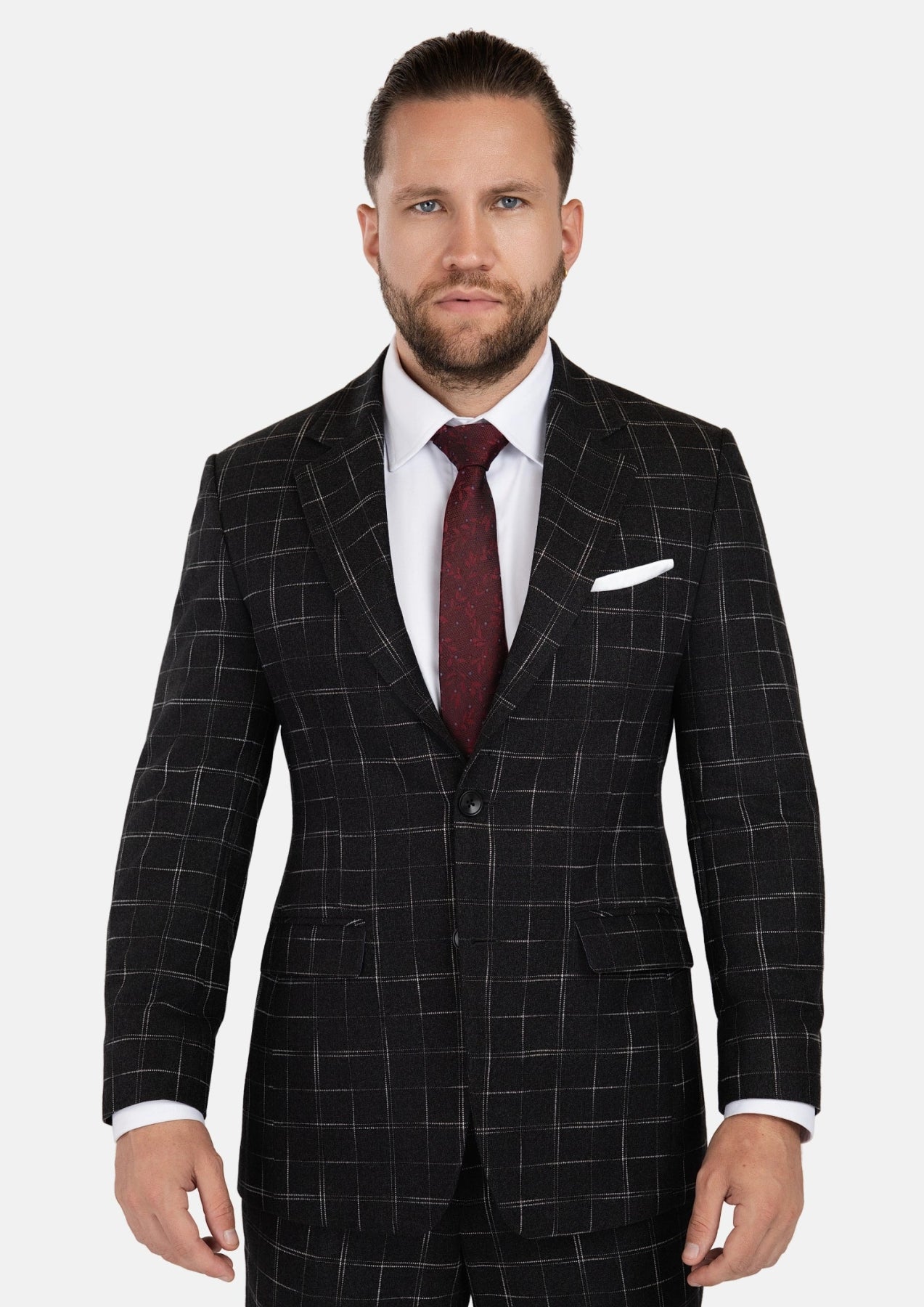
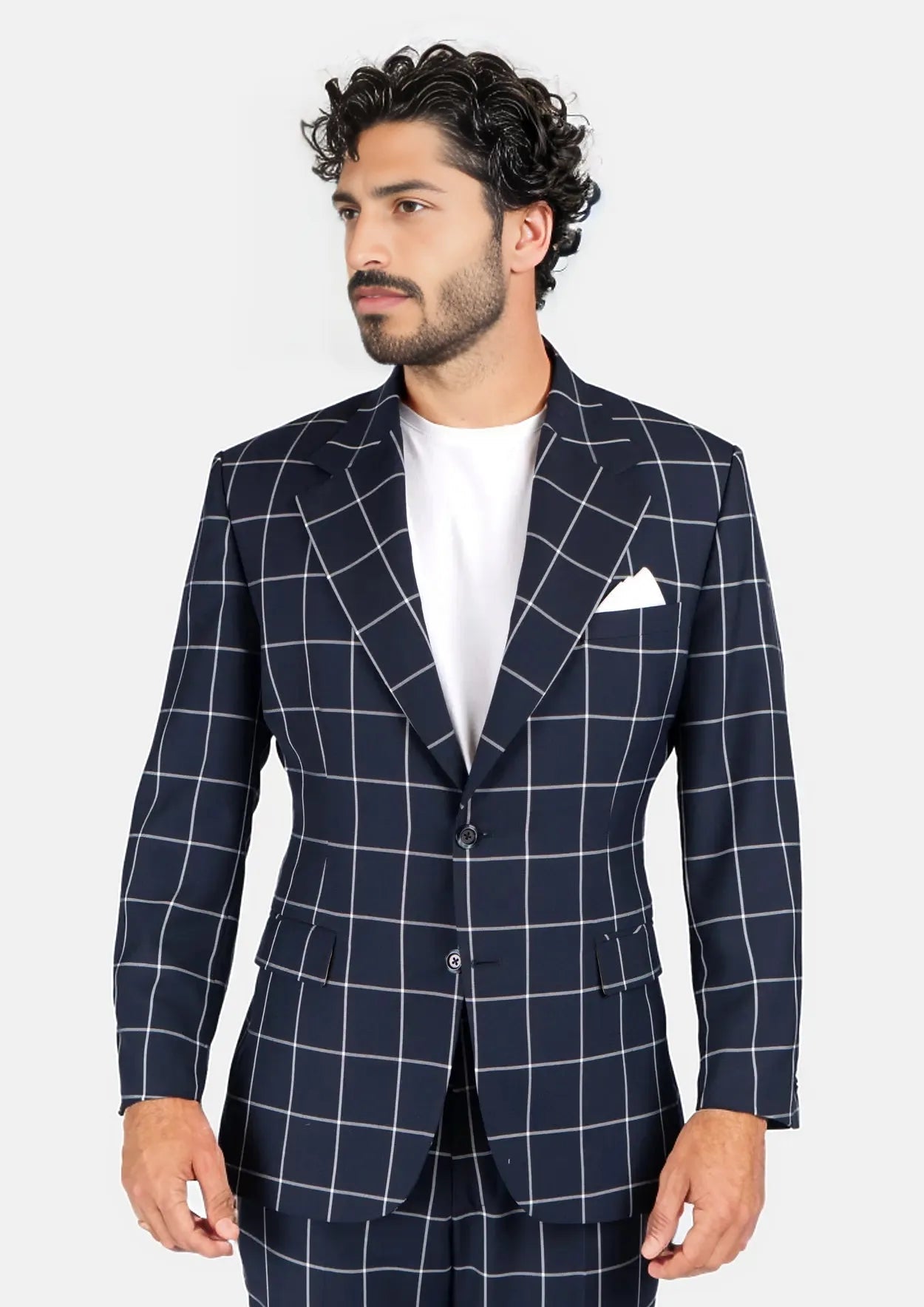
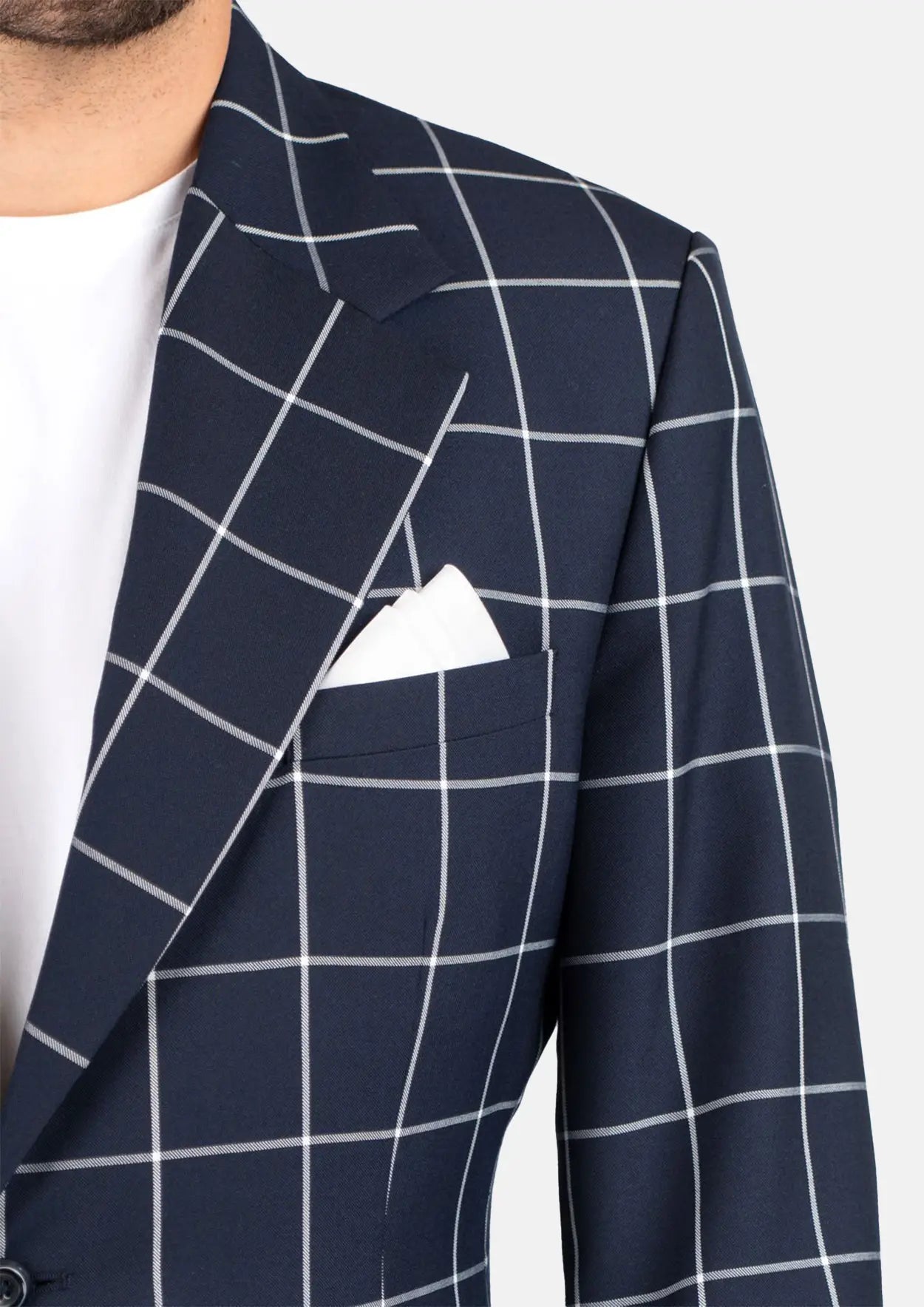
Charcoal Flannel Windowpane Suit686 Charcoal Flannel Windowpane Suit245
All-season flannel wool blend
$585
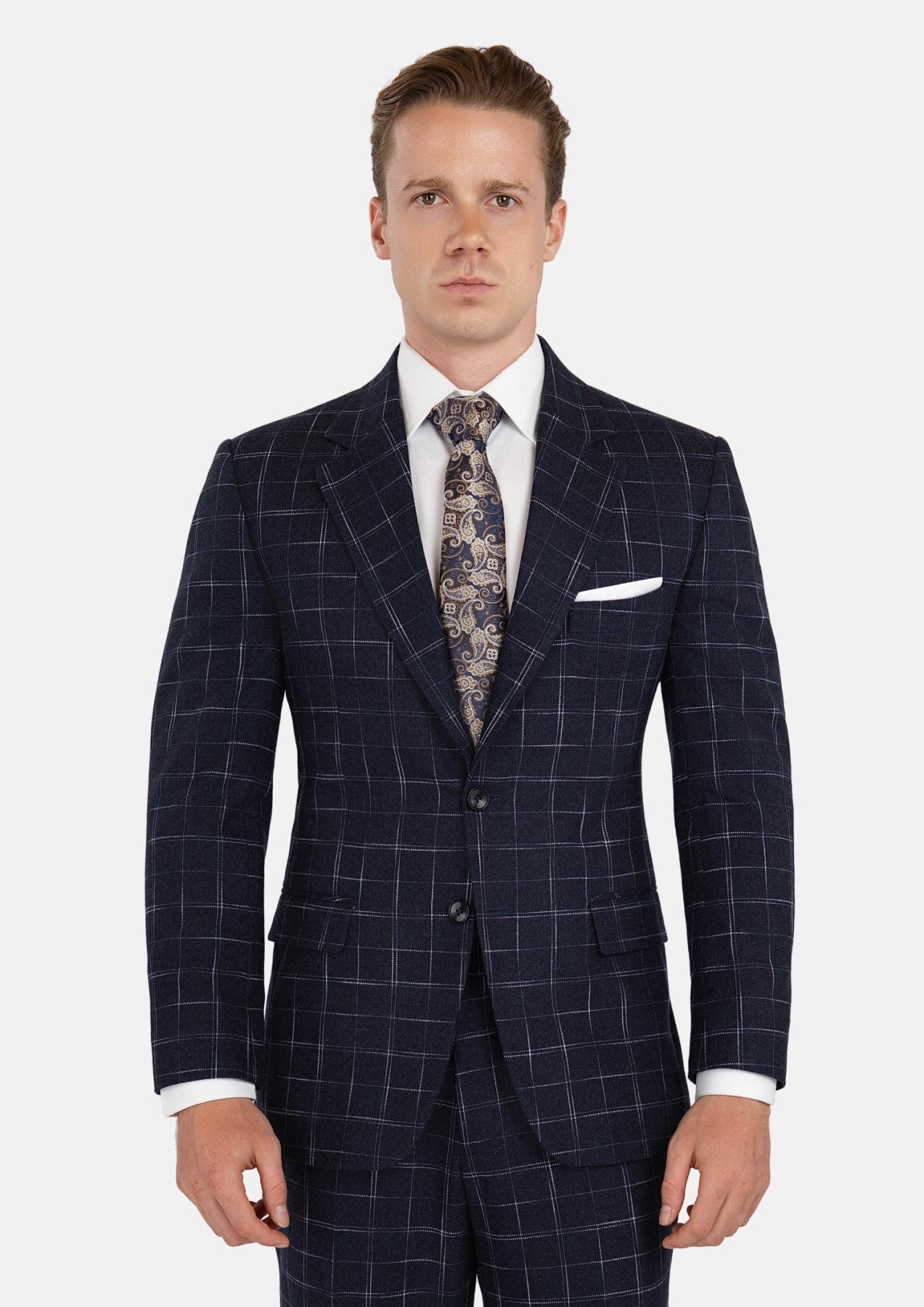
Navy Flannel Windowpane Suit753 Navy Flannel Windowpane Suit963
All-season flannel wool blend
$550

The Bunch Books: What Holland & Sherry Actually Sells

Holland & Sherry organizes its offering into numbered bunch books, refreshed each season — Crispaire sits at HS2433, InterCity at HS2460, the Estate Tweeds at HS2682. These are the collections a tailor will open in front of you, and what each one does.

Crispaire: the high-twist travel worsted

Crispaire is the house's most famous modern cloth and the reference point for travel suiting. The yarn is twisted hard before weaving, which gives the finished cloth a dry, springy hand and an unusual ability to shake out creases — hang a Crispaire jacket in a steamy bathroom after a long flight and it recovers faster than almost any other wool. It is the cloth for men who live between airports and meetings.

InterCity: the city workhorse

If Crispaire is for movement, InterCity is for the desk. A classic business worsted book in the traditional London mold — firm, clean-lined navy, charcoal and pinstripe qualities that hold a sharp crease and a defined shoulder. This is the cloth behind the image of the City of London suit, and it is where many tailors start a first commission.

Gostwyck: ultra-fine merino from a single Australian stud

Gostwyck takes its name from the celebrated merino stud in New South Wales whose fleece supplies the line. These are ultra-fine worsteds at the top of the Super count ladder, woven into cloth with a soft luster that most people associate with Italy — proof that a London merchant will source the finest raw material wherever it grows, then have it woven to British specifications.

Harris Tweed and the country books

The house's country side runs deep: Harris Tweed, handwoven in the Outer Hebrides and protected by an Act of Parliament and its famous Orb trademark; Estate Tweeds and Sherry Tweed in the earthy estate patterns of the Scottish borders; Moorland Tweeds for shooting-jacket weight. No other cloth name carries this much genuine country authority alongside its city books.

Black Tie, Concerto and Royal Mile 1976

For evening wear the house keeps dedicated books — Black Tie and Concerto cover barathea and mohair-blend dinner-jacket cloths with the dry crispness formal wear demands. Royal Mile 1976 revives qualities from the firm's archive under an Edinburgh name, and Cape Horn carries the overcoating weights. The full current range runs from Super 240's and pure vicuña at the summit, through cashmere books like SherryKash, down to linens, cottons and even washable denims — the widest spread of any single bunch-book house.

Close-up of navy high-twist worsted wool with a fine chalk pinstripe, the crease-resistant travel cloth Holland & Sherry is known for
Close-up of earthy Harris Tweed herringbone in moss green and rust, draped beside dried heather
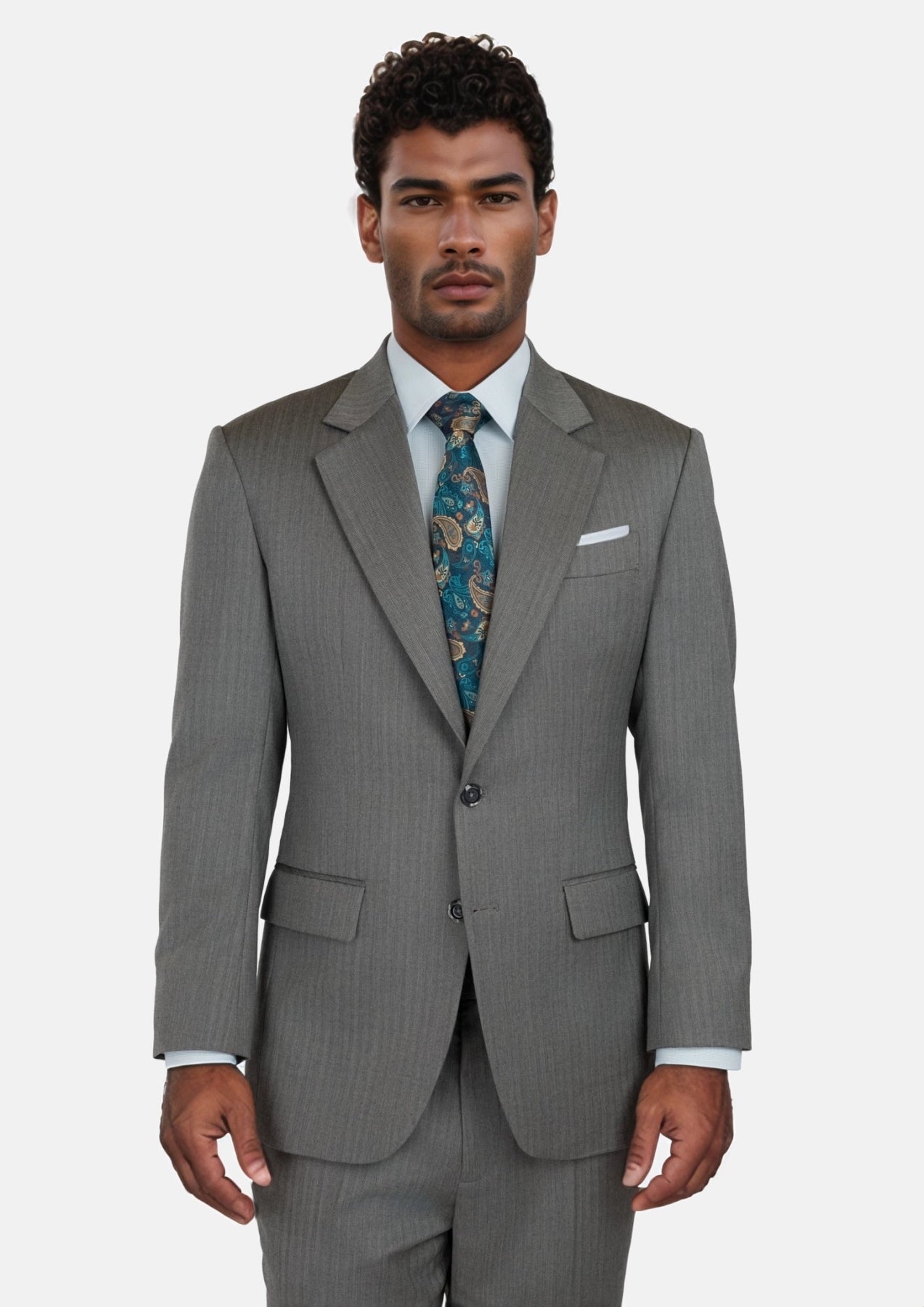
Mid Grey Herringbone Suit736 Mid Grey Herringbone Suit294
Super 130s
Luxury S130s Merino Wool by Cavani
$850
Granite Grey Birdseye Suit872 Granite Grey Birdseye Suit783
Super 120s
All-Season S120s Merino Wool by Cavani
$750

What Makes This House Special

Several names sell fine cloth. Four properties explain Holland & Sherry's particular position.

Breadth as a business model. A mill can only show you what its own looms weave. A merchant can show you the best answer to every question — a Hebridean tweed, a Yorkshire worsted, a specialist mohair — in one afternoon of bunch books. For a man building a wardrobe rather than a single suit, that range matters more than any one fabric's pedigree.

The last survivor of Golden Square. Continuity is a real asset in cloth. Nearly two centuries of commissions, archives and absorbed companies mean the house holds pattern records and finishing knowledge no new entrant can buy. When it revives a 1976 quality under the Royal Mile book, it is drawing on its own history, not on a mood board.

A Savile Row address. The head office sits on the street it has supplied for generations. That proximity creates a feedback loop unique in the trade: the world's most demanding cutters handle every new collection within metres of where it is sold, and the merchant hears what works before the season ends.

The fiber ceiling. From Super 240's worsteds to pure vicuña — the rarest fiber in the wool trade — the house stocks the top of the pyramid alongside its workhorses. A tailor can take a client from a first InterCity suit to a Gostwyck or vicuña commission without ever leaving the books.

Savile Row tailor workroom with an open bunch book of grey and blue suiting swatches, chalk, shears and thread
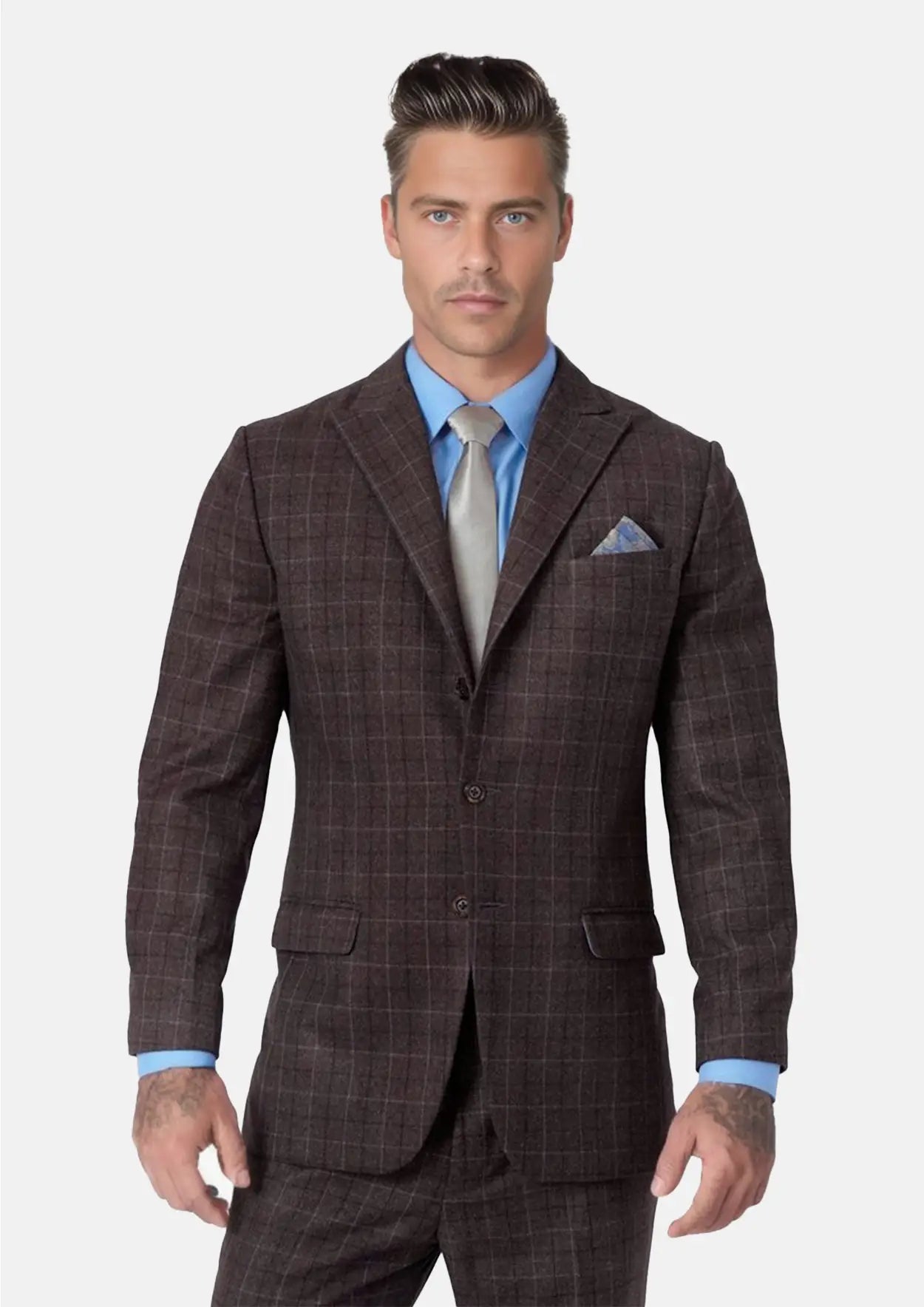
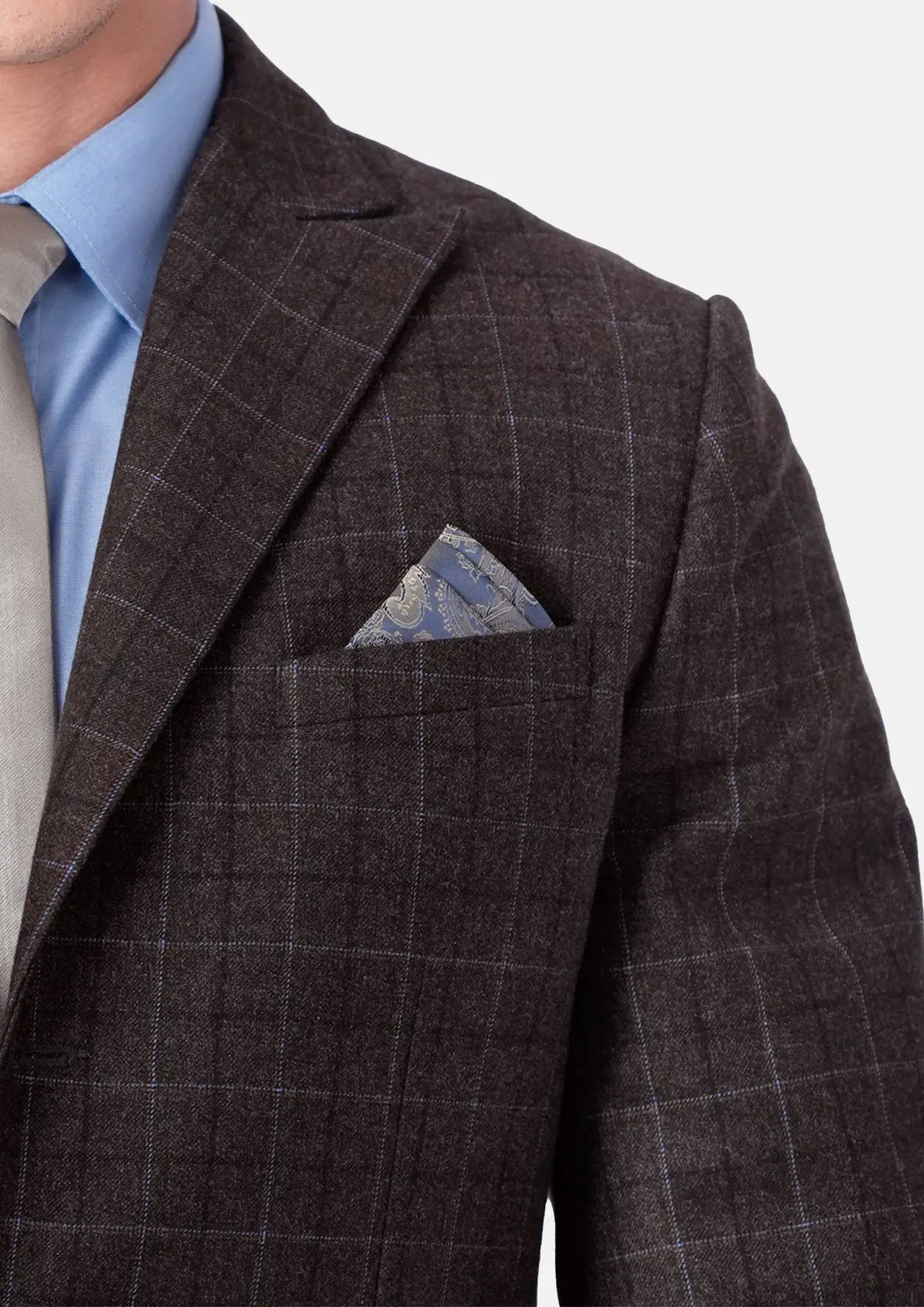
Cedar Brown Flannel Windowpane Suit290 Cedar Brown Flannel Windowpane Suit256
All-season flannel wool blend
$575
Deep Burgundy Birdseye Suit516 Deep Burgundy Birdseye Suit132
Super 130s
All-Season S130s Merino Wool by Cavani
$850

Positioning: Where Holland & Sherry Sits on the Cloth Ladder

A useful way to read the luxury cloth trade is two axes instead of one ladder: who makes the cloth, and how rare the fiber is.

On the first axis, the Italian mills are vertical — Loro Piana controls everything from raw fleece to finish and prices like the summit of the trade, while Vitale Barberis Canonico weaves accessible luxury at real scale. The merchants — Holland & Sherry, Dormeuil, Scabal — own the curation instead: they commission specialist weavers and compete on range and service to tailors. Holland & Sherry is the senior British name in that group, and the only one still rooted on Savile Row itself.

On the second axis, the house spans the whole pyramid. Its entry books price below an equivalent Loro Piana cloth; its Gostwyck, cashmere and vicuña books sit at the very top of what any merchant offers. The practical translation: choosing Holland & Sherry is not one price decision but a shelf — and the tailor's job is to point you at the right rung.

The cloth character runs British: firmer weave, drier hand, more defined pattern work — Prince of Wales checks, windowpanes, herringbones and chalk stripes that hold their lines all day. The full contrast with the softer, lighter Italian school is covered in our guide to Italian vs British suit fabric. If you want the Italian pole of the ladder, see What is Loro Piana? and the profile of Vitale Barberis Canonico; for the fiber-and-weave fundamentals behind every bunch book, start with Suit Fabric Types.

Tailor's selection flat lay with an open swatch book of Prince of Wales check and windowpane patterns, yard stick, chalk and shears on walnut
Air Force Blue Prince of Wales Suit386 Air Force Blue Prince of Wales Suit845
Premium
All-season premium wool blend
$645
Midnight Blue Prince of Wales Suit139 Midnight Blue Prince of Wales Suit106
Premium
All-season premium wool blend
$645

Should You Choose Holland & Sherry? A Tailor's Decision Guide

Four inputs decide the answer: budget, climate, rotation and style identity.

Budget. The house spans a shelf, not a price point. City workhorses like InterCity and Four Seasons books sit at accessible merchant pricing; Crispaire carries a modest premium for its high-twist engineering; Gostwyck, cashmere and vicuña books climb to the top of the trade. Tell your tailor the number before the book is opened.

Climate and travel. Hot cities and long flights favor the dry, crease-resistant spring of Crispaire or the open weaves of the summer books — Riviera, linen and hopsack qualities. Cold climates point to the flannel and tweed books; overcoats to Cape Horn weights.

Rotation. A suit worn three days a week needs the firm, hard-wearing character of a classic London worsted. A suit worn six times a year — a wedding, a season of dinners — can afford the delicacy of a fine Gostwyck or the texture of an estate tweed.

Style identity. If your wardrobe leans on pattern — Prince of Wales checks, flannel windowpanes, herringbones, chalk stripes — the British merchant canon is your native language, and no house carries it deeper. The patterns the London merchants made famous run through the Sartoro library as well: see the Prince of Wales and windowpane suits and the flannel and tweed jackets built for exactly this wardrobe.

One point of honesty for shoppers: Holland & Sherry cloth reaches you through tailors who hold the bunch books — the house sells to the trade, not direct. If your tailor cannot show you the current books, you are not being offered this cloth whatever the label claims.

Charcoal Blue Check Flannel Suit847 Charcoal Blue Check Flannel Suit371
All Season Wool Flannel in a Patterned Weave
$550
Spruce Blue Flannel Windowpane Suit289 Spruce Blue Flannel Windowpane Suit24
All-season flannel wool blend
$550

How Holland & Sherry Compares With Its Peers

Against Loro Piana (official site): the Italian house is a vertical mill at the summit of luxury — softer hand, finer finishing, higher prices across the board. Holland & Sherry answers with breadth at every price and a firmer, more structured British character. Choose Loro Piana for softness and status; choose the London merchant for range and tradition.
Against Vitale Barberis Canonico (official site): the Biella mill weaves exceptional value in Super 110s and flannel and supplies tailors at scale. It is a maker, not a curator — you get the mill's own hand across the whole book. Holland & Sherry assembles many specialists' work, including tweeds and mohairs no single mill could cover.

Against Dormeuil (official site) and Scabal (official site): the closest comparables, both merchant houses of similar seniority — Dormeuil French-rooted, Scabal Brussels-based. Holland & Sherry's differentiators are the longest continuous London lineage of the group, the only surviving Golden Square merchant, and a Savile Row head office at the center of the trade it serves.

The structural takeaway: merchants compete on curation and range, mills on production and consistency. Neither model is superior — they answer to different buyers, which is why a good tailor keeps books from both worlds on the same shelf.

Dark Grey Windowpane Suit811 Dark Grey Windowpane Suit560
All-season wool blend
$585
Regal Navy Windowpane Suit299 Regal Navy Windowpane Suit774
All-season wool blend
$575

Caring for a British Wool Suit

Firm British cloths reward simple discipline. Rotate suits with at least a day of rest between wears so the fibers recover. Brush shoulders, lapels and cuffs after each wear and blot stains immediately — never rub. Hang the jacket on a shaped hanger that supports the shoulders and the trousers from the cuffs; a steamy bathroom relaxes creases without the dry cleaner. Dry clean at most once a season, since every cleaning strips a little of the wool's natural lanolin. High-twist travel cloths like Crispaire need the least intervention of all — their whole engineering is crease recovery.

Frequently Asked Questions

Is Holland & Sherry good fabric?

Yes. The house has supplied Savile Row and tailors worldwide since 1836 and is the oldest surviving cloth merchant of London's historic Golden Square quarter. Quality is excellent across the range, but remember it is a shelf, not a single cloth — an entry InterCity worsted and a top-of-trade Gostwyck or vicuña book are very different garments at very different prices.

Is Holland & Sherry a mill?

No — it is a merchant house. It commissions cloth from specialist weavers in Britain and beyond, curates it into numbered bunch books, and sells to the tailoring trade from its Savile Row head office and Peebles distribution warehouse. Mills like Vitale Barberis Canonico and Loro Piana weave in-house; merchants like Holland & Sherry, Dormeuil and Scabal compete on range and curation.

Who owns Holland & Sherry?

The Individualized Apparel Group, the American tailored-clothing company, has owned the firm since March 2003. The London identity, Savile Row head office and bunch-book model all continue as before.

What is Crispaire fabric?

Crispaire is Holland & Sherry's high-twist travel worsted. The yarn is twisted hard before weaving so the finished cloth springs back from creases, making it the standard recommendation for frequent travelers who need one suit to survive long-haul flights and full days of meetings.

Can I buy a Holland & Sherry suit at Sartoro?

Sartoro does not currently cut from Holland & Sherry bunch books — our made-to-measure program uses its own curated fabric library, and we say so plainly rather than borrow a famous name. What Sartoro does carry is the pattern canon the London merchants made famous: Prince of Wales checks, flannel windowpanes, herringbones and birdseye weaves, built into suits, jackets and trousers you can configure online. Explore the full suit collection or the wool overcoats for the outer layer.

Royal Blue Herringbone Suit965 Royal Blue Herringbone Suit264
Super 130s
Luxury S130s Merino Wool by Cavani
$850
Charcoal Smoke Suit465 Charcoal Smoke Suit58
Super 130s
Luxury S130s Merino Wool by Cavani
$850

About the author

Expert insights from our team

Blake Vincent

Blake Vincent

Senior Menswear Consultant

I’m Blake Vincent, Sartoro’s menswear advisor. I’ve helped over 200 weddings and clients across the USA find clothing that fits their lives and personalities. My goal is to make you look great and feel confident, with honest advice and practical tips—always here if you want to chat about style!

The Wedding Closer
Style & Fit Specialist
Sartoro Blog Contributor