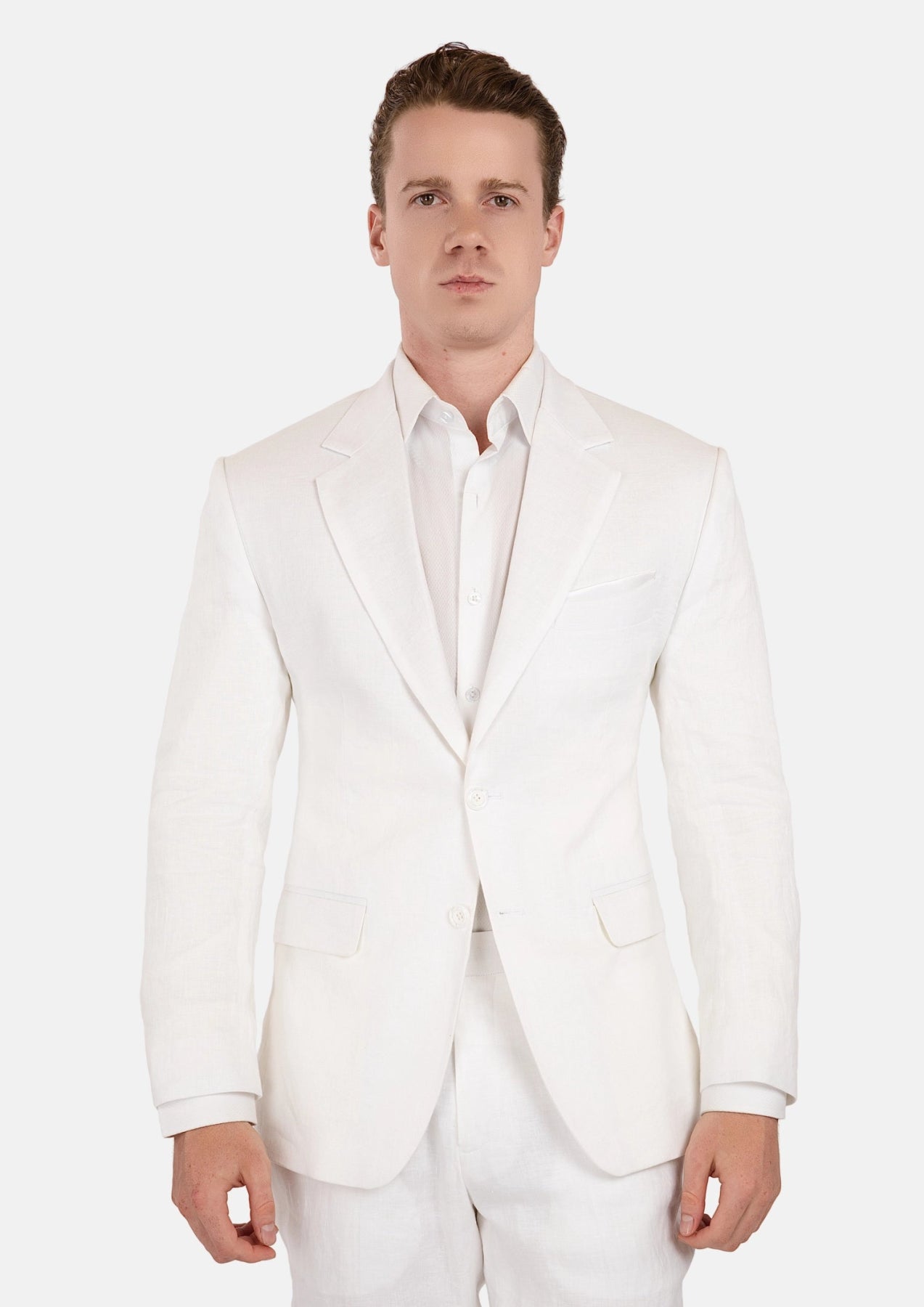
A white suit is a statement of elegance, versatility, and sophistication. It effortlessly transitions from boardroom to ballroom, offering a crisp look for any occasion. Whether for a summer wedding, a formal gala, or a pivotal business presentation, the classic white suit commands attention with its timeless appeal. Below, explore the key styles that define the essence of white suits for the modern professional.
The Two-Piece White Suit
The two-piece white suit is a pillar of minimalism and adaptability. Comprising a tailored jacket and matching trousers, this style is ideal for both daytime and evening events. Its clean silhouette allows for endless personalization, from lapel choices to pocket designs, as a blank canvas for individual expression.
The Double-Breasted White Suit
For those seeking to elevate their presence, the double-breasted white suit delivers unmistakable power and tradition. With its overlapping front flaps and prominent buttons, this style projects confidence and authority, perfect for high-stakes meetings or formal gatherings. It transforms into a sharp, modern ensemble when paired with a subtle tie or pocket square.
The Linen White Suit
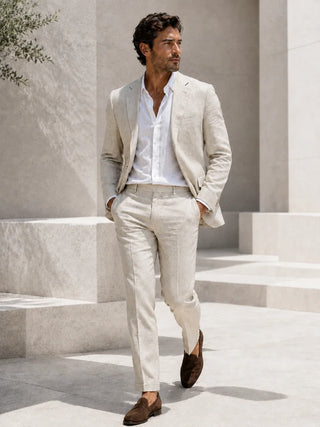
Warm weather calls for breathability without compromising style. The linen white suit embodies relaxed elegance, making it an exceptional choice for summer celebrations or destination events. Its lightweight fabric ensures comfort, while its classic tailoring maintains a sophisticated profile, perfectly balancing formality and ease.
The Three-Piece White Suit
For those who appreciate a touch of vintage refinement, the three-piece white suit, featuring a matching waistcoat, brings an additional layer of sophistication. This style is particularly well-suited for weddings or formal evening occasions, offering structure and versatility. Wear the vest for a complete look, or remove the jacket for a more casual, yet polished, appearance.
These classic white suit styles form the foundation for contemporary tailoring, seamlessly blending tradition with personal interpretation. Each offers a unique way to express individuality, all while upholding the highest standards of craftsmanship and professionalism.
How To Style White Suits Without Looking Overdressed
White suits exude an air of refinement and boldness, but striking the right balance is essential to appearing sophisticated rather than ostentatious. Mastering this starts with understanding the impact of accessories, color pairings, and overall outfit composition. Below, discover actionable styling strategies for making white suits versatile and modern for any occasion.
Pair With Muted Or Pastel Tones
The key to making a white suit approachable lies in the colors that accompany it. Opt for muted or pastel-colored shirts—think light blue, pale pink, or soft lilac. These subtle hues temper the striking brightness of the suit, keeping your look fresh yet understated. Avoid highly saturated tones that may create an overly conspicuous contrast.
Thoughtful Accessorizing
Accessories play a pivotal role in grounding a white suit. Select belts, watches, and cufflinks in minimalistic designs and neutral colors like brown, black, or silver. Regarding pocket squares or ties, lean toward understated patterns or textures instead of bold prints. This ensures your ensemble remains balanced and intentional.
Choose The Right Footwear
Footwear choices speak volumes when styling a white suit. Light brown or taupe shoes maintain a sense of ease and contemporary flair, while classic black shoes create structure without competing for attention. Loafers or clean white sneakers offer an effortlessly refined finish for more relaxed summer occasions.
Layer With Texture
Incorporate textured fabrics to lend depth and a touch of casualness to your white suit. Linen shirts, knitted ties, or a subtle patterned waistcoat introduce visual interest and prevent the outfit from feeling too formal. Texture helps tone down a white suit's inherent formality and adds a personalized dimension.
Context Matters
White suits can seamlessly transition from day to night when styled appropriately for the setting. For daytime events, skip the tie for a more relaxed vibe and consider rolling up the sleeves. In formal evening settings, add a slim silk tie or a boutonniere for understated elegance—never overdo it; let the suit’s craftsmanship take center stage.
Maintaining A White Suit: Care Tips For Longevity
A white suit exudes timeless elegance but also requires mindful care to preserve its crispness and sophistication. Proper maintenance ensures your suit remains a sharp, standout piece in your wardrobe for years. Below, discover practical tips to keep your white suit immaculate and ready for any occasion.
Immediate Attention To Stains
White fabric is especially vulnerable to stains—prompt action is key. If a spill occurs, gently blot (never rub) the area with a clean, dry cloth to absorb as much of the substance as possible. Use a mild, fabric-appropriate stain remover and test on a small, inconspicuous part of the suit first.
Proper Storage Solutions
Proper storage significantly impacts the longevity of your white suit. Always hang your jacket and trousers on wide-shouldered, wooden hangers to maintain their shape. Store in a breathable garment bag to protect against dust and light exposure, which can cause discoloration.
Cleaning Frequency And Professional Care
Frequent dry cleaning can degrade fabric fibers, but infrequent cleaning risks setting hidden stains and discoloration. Strike a balance by professionally cleaning your white suit only when necessary, such as after a particularly eventful occasion or visible soiling. In between, use a soft brush to remove surface dust and lint.
Mindful Wearing Practices
Be mindful of where and how you wear your white suit. Avoid sitting on dirty surfaces or leaning against unclean walls. Consider removing your jacket during meals or where spillage is likely, and avoid carrying ink pens or items that can leak in your suit pockets.
Gentle Pressing And Maintenance
To maintain a crisp and polished appearance, press your suit using a steamer or iron on a low setting, with a pressing cloth to avoid direct heat contact with the fabric. This prevents shine and maintains the integrity of the fibers.
Read also: