
First Suit Color Navy vs Charcoal

Filter
Fabrics
Model

No product found in this collection

Own The Room In Garments Custom Made For you

gempages_468012600580375431-d946e2a1-8ed9-436e-81c6-d35e514811f5

Forget The Fitting Room

Create your custom size from anywhere with our Digital Tailor - measuring tape optional. Learn more

gempages_468012600580375431-d946e2a1-8ed9-436e-81c6-d35e514811f5

Love The Way You Look

Our Fit Promise covers any issues - we'll offer covered alterations and free remakes. Learn more

gempages_468012600580375431-d946e2a1-8ed9-436e-81c6-d35e514811f5

Be The Lead Designer

  • Go with the designer selections or create your own look with our industry leading configurator.
gempages_468012600580375431-d946e2a1-8ed9-436e-81c6-d35e514811f5

Shop Confident - Free Returns

  • Try Sartoro risk free with free first order returns. Unsure about the fabric color? Order samples

Forget The Fitting Room

Create your custom size from anywhere with our Digital Tailor - measuring tape optional. Learn more

Be The Lead Designer

Go with the designer selections or create your own look with our industry leading configurator.

Love The Way You Look

Our Fit Promise covers any issues - we'll offer covered alterations and free remakes. Learn more

Shop Confident - Free Returns

Try Sartoro risk free with free first order returns. Unsure about the fabric color? Order samples

COTTON STRETCH

Made To Move With You

Our stretch cotton fabrics have just enough give to extend range of motion without sacrificing the look and feel of the garments. Available in both classic colors and bold hues, these are perfect for those wanting a bit of extra comfort.
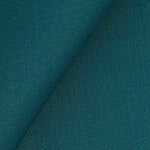
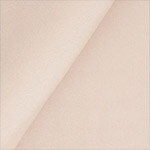
First Suits for Gentlemen

Find Your First Suit Color: Navy vs Charcoal

Your first suit color sets the tone for everything else. It should look sharp at interviews, weddings, and dinners, pair easily with shirts and shoes, and photograph cleanly. For most men, the first suit color that delivers the best blend of versatility and polish is navy or charcoal. Navy feels modern and approachable; charcoal reads a touch more formal. Both handle day and night, dress up or down, and anchor a compact wardrobe.

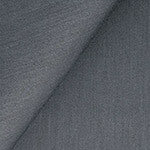
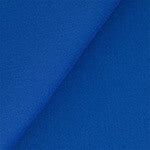
Color performs best when the cloth supports it. Explore our fabric options to choose breathable twills, refined worsteds, or subtle textures that keep the shade crisp. A balanced, medium-dark tone hides wear, resists trends, and plays well with light blue, white, and soft patterns. When you’re debating your first suit color, those fabric choices keep the shade looking rich across seasons.

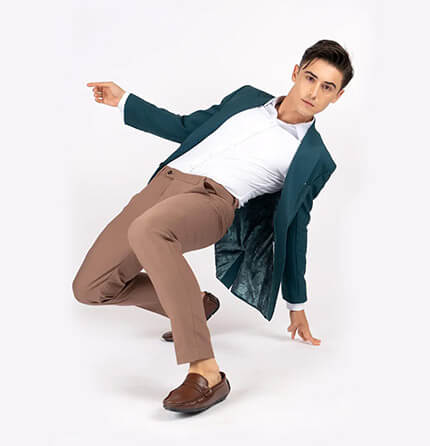
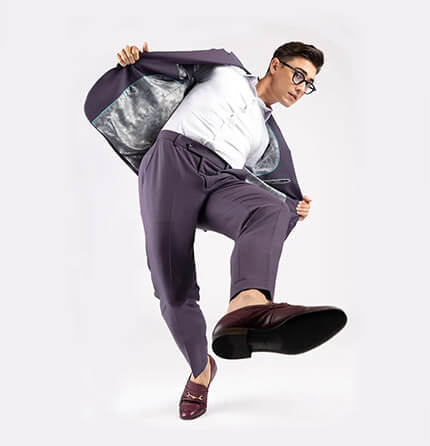
Fit makes the color sing. A clean shoulder and shaped waist make navy or charcoal look more intentional—and more expensive. Start with our guide to understanding fit and see how Sartoro works—from digital sizing to expert tailoring. Choose a notch-lapel, two-button jacket and flat-front trousers. Add brown or black shoes, rotate two shirts, and you’re covered for almost anything. Lock in your first suit color now and build around it with confidence.

Navy: the most versatile first suit

Navy is the reliable first suit color because it adapts. In daylight it feels fresh and approachable; at night it sharpens under softer lighting. A medium-dark navy hides minor creases, resists lint, and pairs with nearly every shirt—white, light blue, micro-stripes, and subtle checks.

It also welcomes both brown and black shoes, expanding what you already own. For interviews, presentations, or a date night, navy signals confidence without shouting.

Keep the styling simple. Choose a two-button jacket with a notch lapel, flap pockets, and minimal padding. A crisp white or pale blue shirt, a textured navy or burgundy tie, and a folded pocket square finish the look. If you plan to wear the suit as separates, navy trousers work with knit polos and button-downs, while the jacket lifts dark denim. That multiplies your outfit options from day one.

Fabric matters. A smooth worsted in Super 110s–120s delivers drape and durability, keeping the color deep and even. Subtle textures—birdseye or micro-herringbone—add dimension on camera without reading loud. Aim for a medium-dark tone rather than midnight; it photographs better and won’t be mistaken for black under evening light.

Charcoal: refined, formal, camera-ready

Charcoal is the quiet professional. As a first suit color, it leans more formal than navy while staying flexible. Medium-dark charcoal works for interviews in conservative industries, winter weddings, and any event where you want polish without the starkness of black. It flatters most complexions and looks sharp with white or light blue shirts.

To keep charcoal from feeling severe, introduce texture. A fine sharkskin or birdseye weave catches the light and gives the fabric life. For ties, navy, silver, forest, and burgundy deliver contrast without clashing. Shoes can be black for a boardroom tone or dark brown for a softer read. Skip loud pocket squares; choose plain white or faint pattern.

Charcoal separates are strong, too. The trousers anchor knitwear and casual shirts, while the jacket works with mid-gray or navy trousers. If you need a bit more presence for photos, add a subtle stripe or twill.

The key is balance: choose a medium-dark shade that frames the face and maintains depth in bright settings. Charcoal keeps you ready for serious moments yet transitions well to evening plans.

Black: when it works—and why it’s rarely first

Black suits look sleek at night, which is why many reach for black early. But as a first suit color, black is limiting. In daylight it can feel harsh and emphasize contrast in ways that overshadow you. It also pairs with fewer shirt and shoe combinations, narrowing your wardrobe right when you need range. Unless your lifestyle is mostly evening events or black-tie adjacent, navy or charcoal will serve you better.

When black does make sense, it’s for specific roles: formal evening weddings with a “black-tie optional” note, certain creative industries that embrace minimalism, or when you want a stark, architectural statement. If that’s you, keep the design minimal—two buttons, notch lapel, no flashy stitching—and focus on precise tailoring so the lines stay clean.

For everyone else, consider upgrading your first suit with a deep navy that reads black at night but looks alive in daytime. You’ll keep the elegance while gaining styling flexibility. Down the line, adding a true black tuxedo or dinner jacket is the smarter way to cover high-formal occasions without compromising everyday wear.

How fabric and weave change how color reads

Color isn’t only the dye; it’s the fabric’s structure. Smooth worsted wool shows color evenly and photographs cleanly, making it ideal for a first suit. Twills add diagonal movement that softens reflections. Birdseye and sharkskin introduce micro-contrasts that create depth without appearing patterned from a distance. The result: navy looks richer, charcoal looks more dimensional, and both resist camera glare.

Weight matters, too. Midweight cloths—around 260–290g—hold shape through long days and travel. Lighter fabrics breathe but can appear flat or wrinkle more; heavier flannels bring warmth and a matte finish that deepens tone for fall and winter. Choose a finish that matches your climate and calendar so the color stays consistent across seasons.

Blend choices also influence color. A touch of stretch fiber improves comfort without changing shade. Fine merino wools maintain saturation and resist pilling. Avoid high-sheen blends for a first suit; they amplify highlights and can make navy or charcoal look cheaper in bright light.

When color and cloth harmonize, your first suit looks premium before anyone knows the label.

Fit and silhouette: why color looks better when the lines are right

Color can’t fix poor fit. A perfectly chosen navy or charcoal only looks its best when the silhouette is dialed. Start with the shoulders: they should end where yours do, with clean sleeves that don’t collapse. A slight waist shape defines the torso without pulling. Trousers should sit comfortably at the waist with a gentle taper and enough rise to prevent tugging when seated.

Proportions matter. Standard notch lapels—about 3 to 3.25 inches—balance most builds and keep the look timeless. A two-button stance elongates the frame and places color where it flatters: across the chest and down the legs in one continuous line. Avoid overly short jackets or skinny lapels that date quickly and make deep tones feel trendy rather than classic.

Tailoring tweaks seal the impression. Hem trousers to a slight break for versatility with different shoes. Keep sleeve length precise so a hint of shirt cuff shows, giving navy or charcoal a crisp border. When the structure is right, the color reads intentional and elevated—exactly what you want from a first suit.

Styling your first suit: shirts, ties, and shoes that always work

Build a small, reliable kit around your first suit color. Two shirts—one white, one light blue—cover almost every setting. For ties, pick three: a textured navy, a deep burgundy, and a silver or forest option for formal days. These tones sit naturally against navy or charcoal and give enough variety for a week of meetings or events.

Shoes drive the message. Black cap-toes lean formal and interview-ready; dark brown oxfords or derbies feel warmer and transition from office to dinner. Match belts to shoes. Keep accessories quiet: a white linen pocket square, a simple watch, and understated cufflinks where needed. If you want pattern, choose small-scale stripes or micro-dots that won’t fight the suit’s solid field of color.

Don’t forget versatility. Wear the jacket with dark denim and a knit polo for smart casual. Pair the trousers with an oxford shirt and loafers on Fridays. Each choice multiplies outfits while keeping the core color central. The goal: maximum mileage from a single, well-chosen suit.

Travel and business: getting the most from one suit on the road

If your first suit needs to travel, choose a color and fabric that handle movement. Medium-dark navy and charcoal hide scuffs from luggage and look composed after a quick steam. A tightly woven worsted resists wrinkling in the overhead bin and drops back into shape after hanging. Pack the jacket inside out over folded trousers to reduce creases, and carry a travel steamer if you can.

Plan outfits that re-mix. Two shirts, two ties, and one pair each of black and brown shoes will give you four or more distinct looks from the same suit. Add a fine-gauge sweater or a polo for off-hours dinners. Keep grooming products stain-proofed and store them away from the fabric to protect color.

At your destination, hang the suit, steam lightly, and brush with a garment brush to remove lint. Rotate shirts to reduce collar wear against darker cloth. With smart packing and a forgiving shade, your first suit will handle red-eyes, client meetings, and celebratory dinners without breaking stride.

Choose timeless details and balanced proportions so your suit looks modern today and stays relevant for years.

Care and longevity: keeping color crisp for years

Your first suit should be a long-term player. Protect the color by brushing after wear to lift dust and lint, especially on navy and charcoal. Spot-clean promptly and dry-clean sparingly—once or twice a season is usually enough.

Too much solvent can dull the fabric and fade tone over time. Use proper wooden hangers to maintain shoulder shape and allow air circulation.

Rotate accessories. Alternating belts and shoes distributes wear and keeps dye transfer from marking lighter shirts. When storing the suit for a season, use a breathable garment bag and avoid cramped closets that crush lapels. If trousers take the brunt of wear, consider ordering a spare pair so the suit’s color ages evenly.

Sunlight matters. Prolonged direct exposure can desaturate cloth, especially at shoulders and sleeves. Hang the suit away from bright windows and avoid leaving it in a hot car.

With mindful care, your first suit color stays deep and confident, delivering the same impact on year three that it had on day one. Choose timeless details and balanced proportions so your suit looks modern today and stays relevant for years.

Your cart is empty
Looking for ideas?
We'll send measurement instructions
to you. Or create your fit profile now.
    Secured checkout through Shopify with: