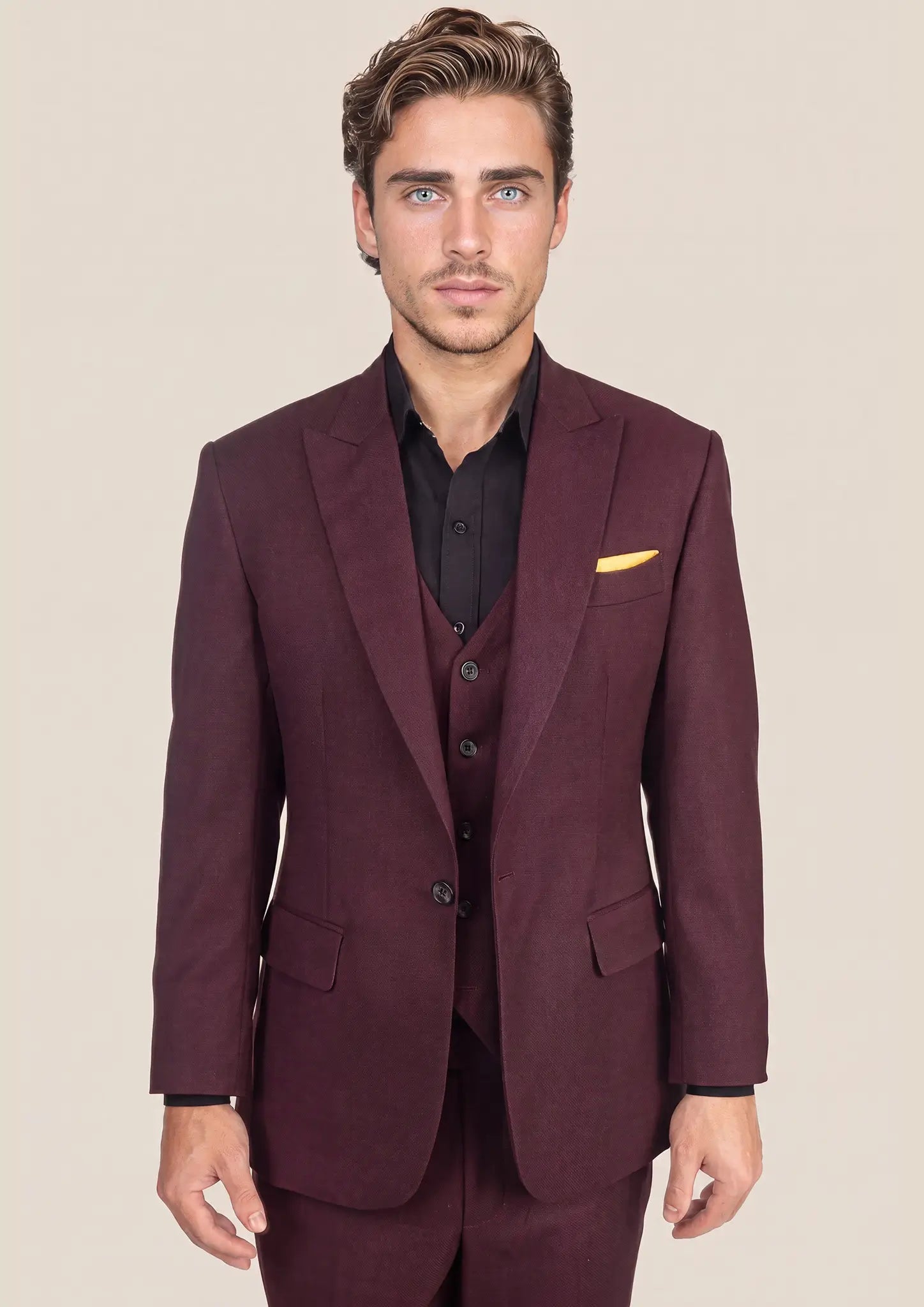
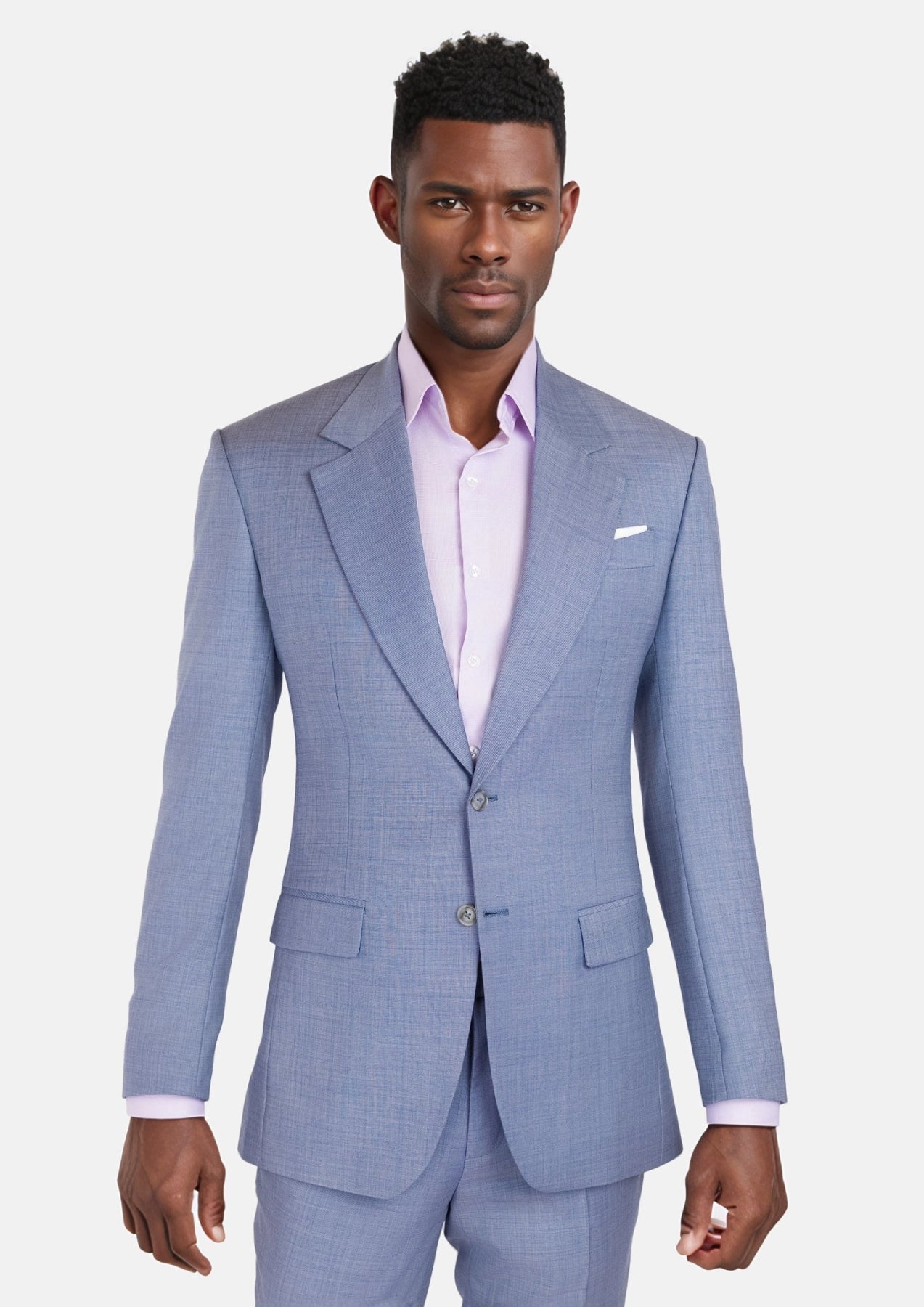
Timeless tailoring.
Exceptional fabrics.
Custom made for you.
Suits & Tuxedos
Handcrafted for
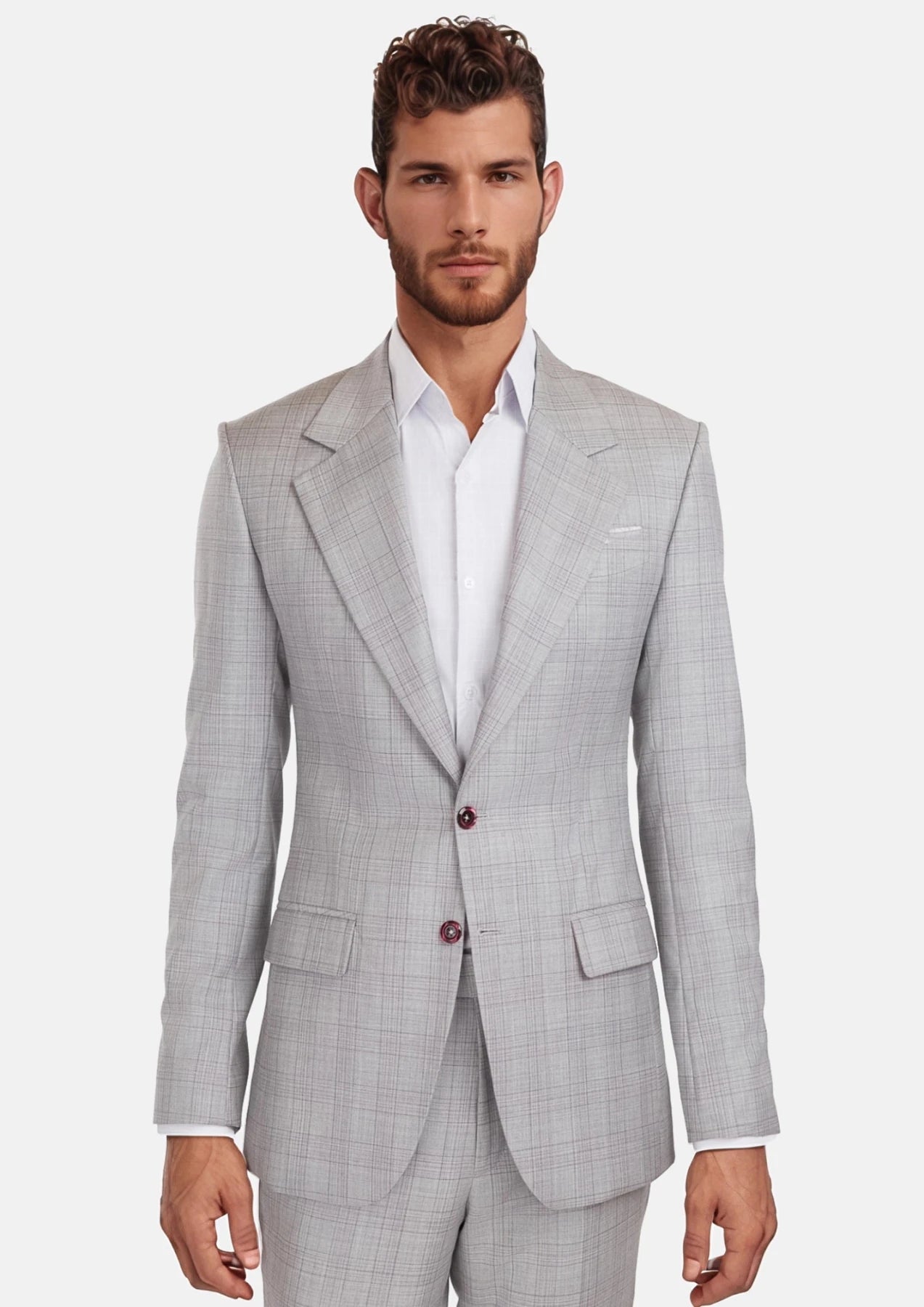
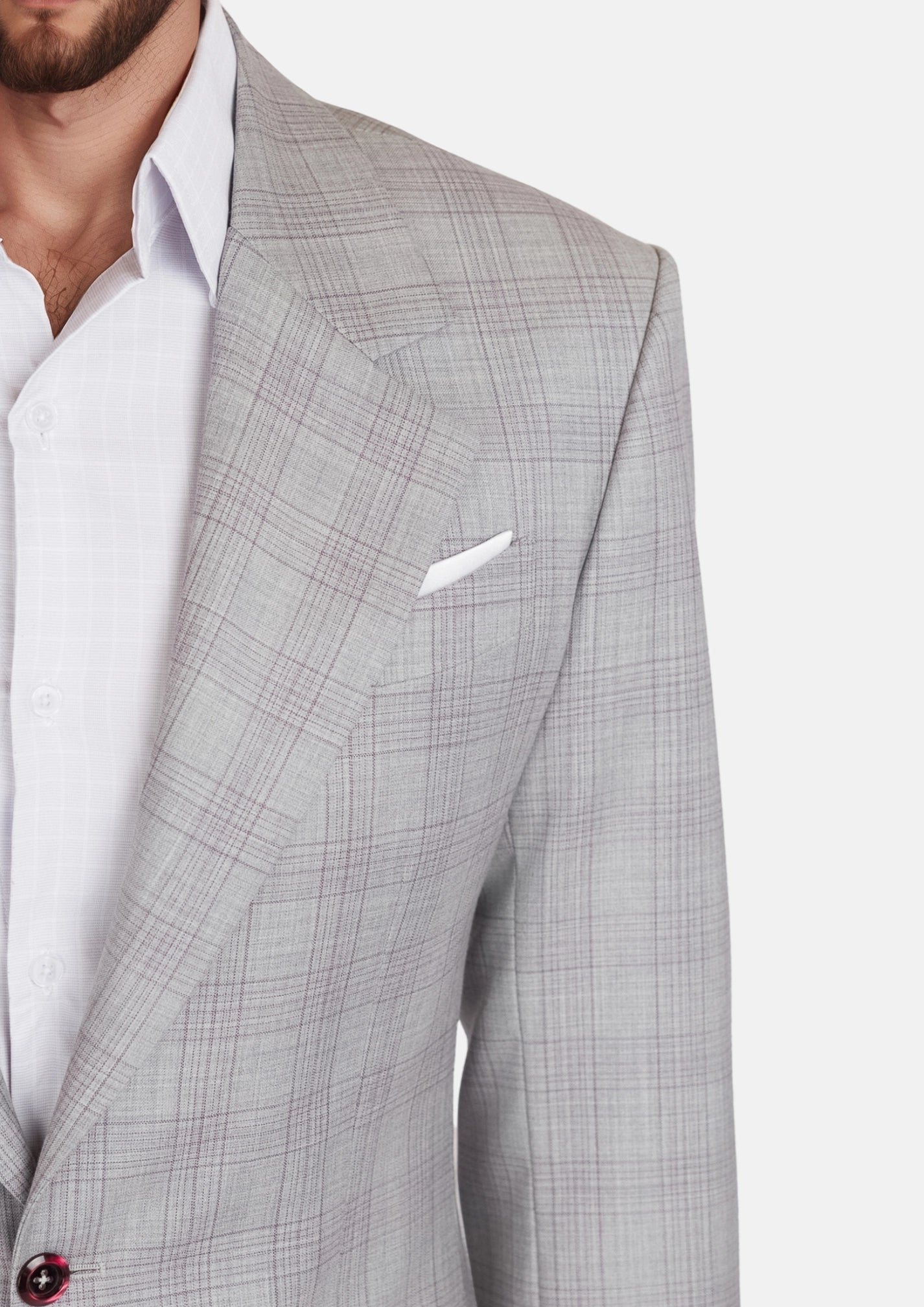
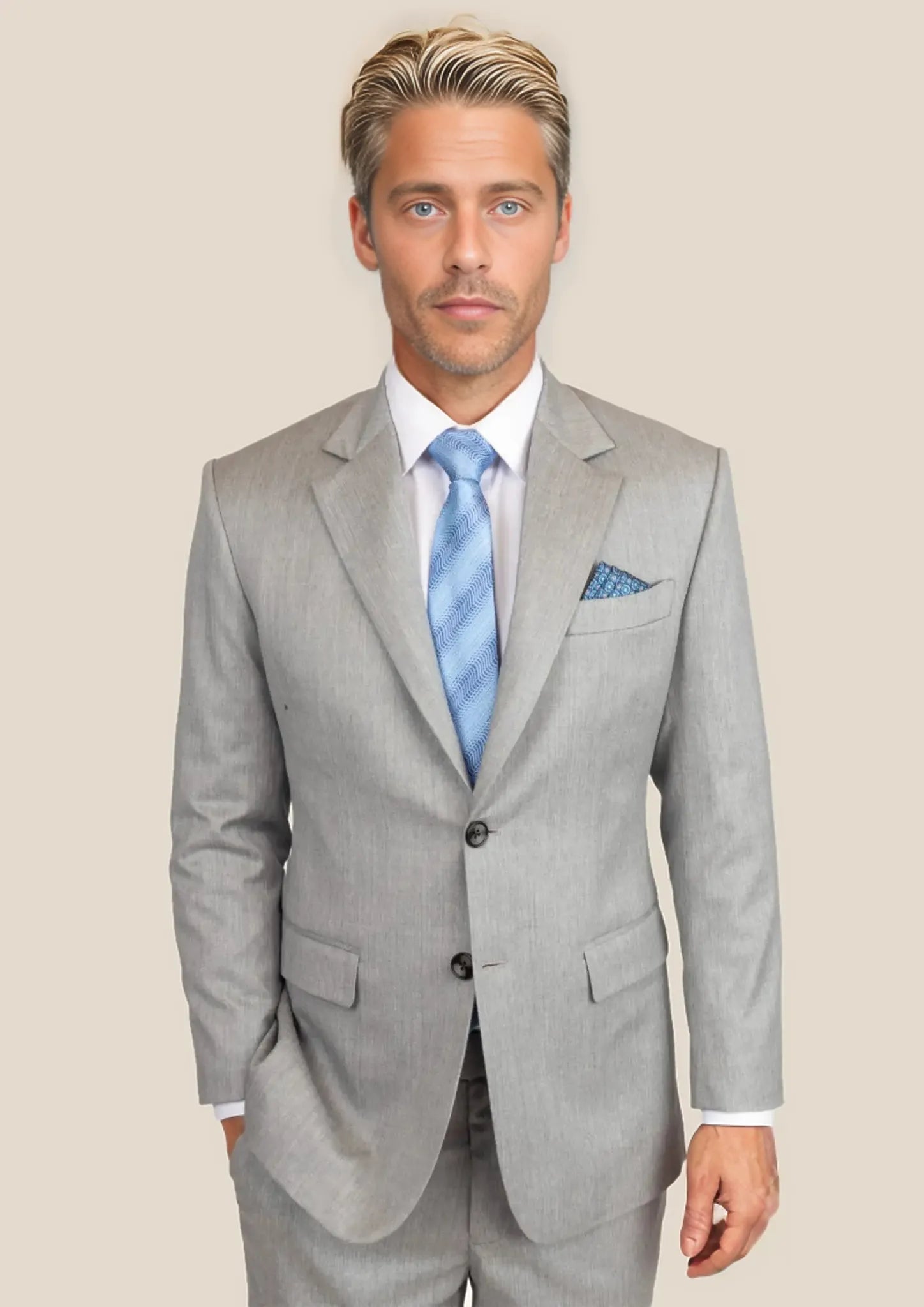
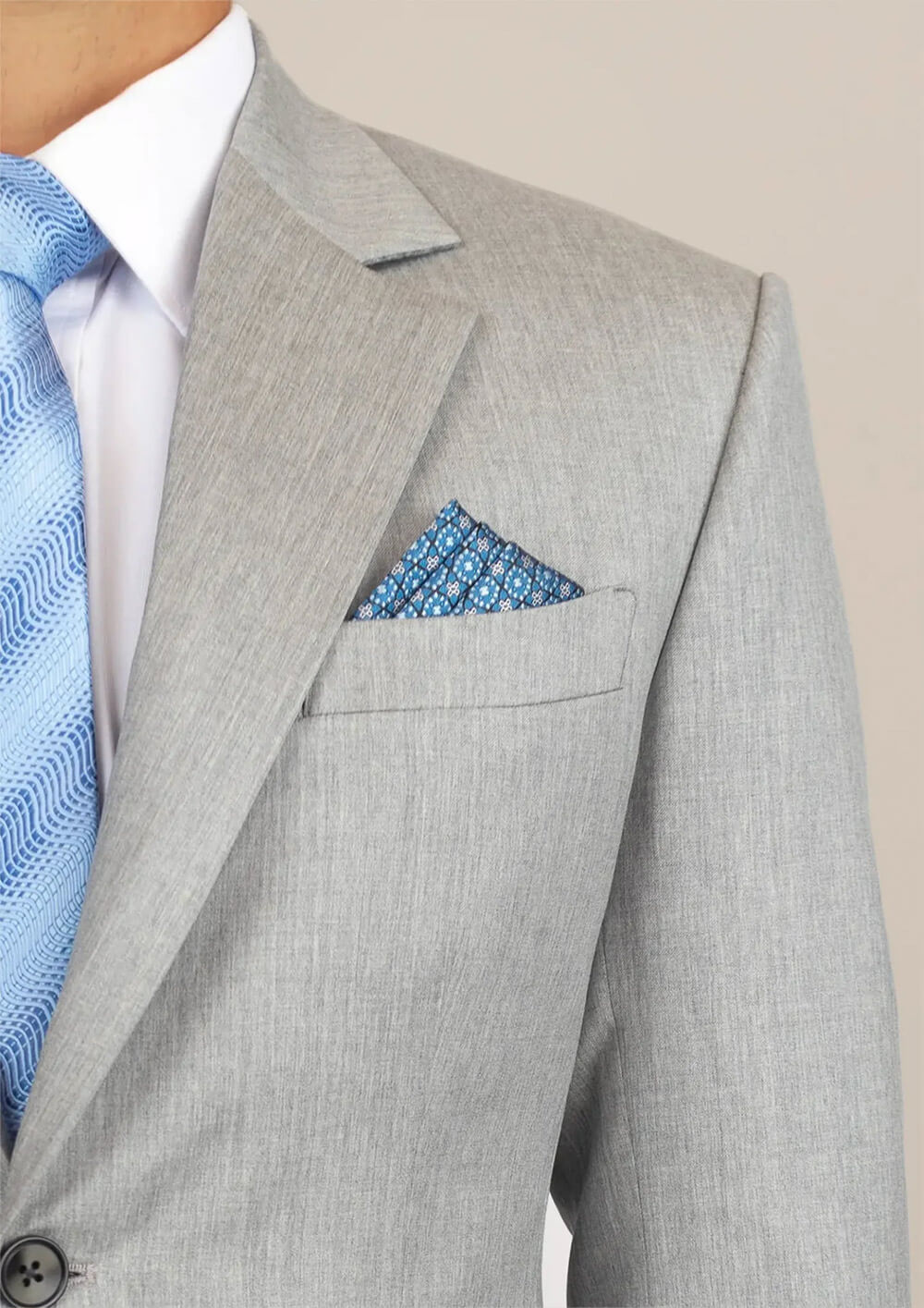
Every MomentFrom timeless classics to modern statement pieces, explore suits custom made exclusively for you.
Shop All Suits
Shirts - Cotton, Linen, Bamboo
Always Tailored
To ImpressCustom made with premium fabrics, refined details and a fit you'll notice every time you wear it.
Shop All Shirts
Accessories - Shoes, Ties & More
The Finishing
Touches MatterElevate every outfit with premium leather shoes and accessories selected to complement your custom wardrobe.
Shop Accessories
Loro Piana's pricing reflects three cost drivers that most mills simply do not have to manage: the world's rarest raw fibers, complete vertical integration from fleece to finished cloth, and proprietary finishing processes refined over generations. Understanding these three factors explains why a Loro Piana suit can cost three to five times more than one made from comparable — but not identical — materials.
This guide breaks down each cost driver in detail, then addresses the practical questions buyers actually ask: Is it worth the premium? How long does it last? Where can you buy it? And what are the alternatives if Loro Piana is beyond your budget?
Liquid syntax error (snippets/blogpost-images line 2): Expected close_square but found pipe in "img_1 = value['sub_image_' | append: i | append: '_1']"
Rare Raw Materials
The foundation of Loro Piana's pricing is the raw fiber itself. The company sources the finest natural fibers on Earth, and those fibers cost exponentially more than standard alternatives.
**Cashmere.** Loro Piana's cashmere comes from specific herds of Hircus goats in Mongolia and Inner Mongolia. Each goat is individually tracked, and the number of animals is deliberately limited to prevent overgrazing. The finest cashmere fiber measures 13.5 to 15 microns in diameter. For comparison, standard cashmere is 16 to 19 microns. That difference in fineness translates to a difference in price: Loro Piana's cashmere costs 3 to 5 times more per kilogram than standard cashmere. Learn more about [cashmere fiber production](https://www.thefashionlaw.org/loro-piana-cashmere/).
**Vicuna.** Vicuna fiber is the most expensive natural fiber in the world, and for good reason. The animal cannot be domesticated and lives wild in the Peruvian Andes at altitudes above 4,000 meters. Each shearing yields only about 250 grams of usable fiber per animal, and the shearing occurs only once every two years under strict conservation agreements. Loro Piana reached an exclusive agreement with the Peruvian government in 1994 to source vicuna fiber from live animals, reviving a practice abandoned since Incan times. The company helped finance Peru's first private nature preserve for vicuñas in 2008. The result: vicuna fiber costs $500 to $800 per kilogram, compared to $75 to $150 for cashmere. Read about [vicuna conservation efforts](https://www.loropiana.com/en-int/sustainability/vicuna).
**Merino Wool.** Even Loro Piana's "everyday" merino wool is exceptional. The company sources from specific stations in Australia and New Zealand, selecting for fiber characteristics that go beyond measurable specifications. A Loro Piana Super 150s merino feels softer and drapes better than most mills' Super 180s, because the company selects for hand feel, not just fiber diameter.
Liquid syntax error (snippets/blogpost-images line 2): Expected close_square but found pipe in "img_1 = value['sub_image_' | append: i | append: '_1']"
Most fabric mills buy raw materials from third-party suppliers. Loro Piana controls the entire supply chain from animal to finished fabric. This vertical integration adds cost at every stage, but it also adds value.
The company owns relationships with cashmere herders in Mongolia, vicuna communities in Peru, and merino stations in Australia. They do not buy fleece on the open market; they invest in the supply chain itself, funding conservation programs, tracking individual animals, and limiting the number of goats to prevent overgrazing.
This vertical integration means Loro Piana can select for characteristics that no measurable specification captures: the way a fiber takes dye, the way it recovers from compression, the way it feels after years of wear. It also means the company has exclusive access to the world's rarest fibers. No other mill can buy vicuna or baby cashmere at the scale Loro Piana does, because no other mill has invested in the relationships and conservation programs that make that access possible.
Liquid syntax error (snippets/blogpost-images line 2): Expected close_square but found pipe in "img_1 = value['sub_image_' | append: i | append: '_1']"
All Season Pure Merino Wool S110s by Vitale Barberis Canonico, Italy
$780
Proprietary Finishing
The finishing process is where Loro Piana's expertise becomes truly apparent. The same 150s merino from the same Australian station will feel different after Loro Piana's finishing than after another mill's. The company invests heavily in mechanical and chemical treatments that enhance softness, luster and hand feel without compromising the fiber's natural structure.
These finishing processes are proprietary and have been refined over decades. They are the reason a Loro Piana Super 150s feels softer than most mills' Super 180s. They are also the reason Loro Piana fabrics hold up better over time: the finishing treatments enhance the fiber's natural resilience, not just its initial hand feel.
The economics are straightforward: rare materials cost more, vertical integration adds cost at every stage, and proprietary finishing requires decades of expertise. The result is a fabric that is objectively superior in hand feel, drape, and longevity. The question is not whether Loro Piana is expensive, but whether the premium is justified by the quality.
Liquid syntax error (snippets/blogpost-images line 2): Expected close_square but found pipe in "img_1 = value['sub_image_' | append: i | append: '_1']"
Related Reading
[What is Loro Piana? Brand History & Ownership](/blogs/sartorial/what-is-loro-piana)
[Loro Piana: The Pinnacle of Italian Wool](/blogs/sartorial/loro-piana-pinnacle-italian-wool)
[Vitale Barberis Canonico: The World's Oldest Suit Fabric Mill](/blogs/sartorial/vitale-barberis-canonico-fabric)
[Loro Piana Official Website](https://www.loropiana.com)
Liquid syntax error (snippets/blogpost-images line 2): Expected close_square but found pipe in "img_1 = value['sub_image_' | append: i | append: '_1']"
Liquid syntax error (snippets/blogpost-images line 2): Expected close_square but found pipe in "img_1 = value['sub_image_' | append: i | append: '_1']"
Yes, Loro Piana fabric is durable, but durability varies by fiber type and construction. The company's merino wool suiting fabrics, particularly their Super 130s to Super 150s ranges, are engineered for regular wear and can last 10 to 15 years with proper care. These fabrics balance fineness with strength, making them suitable for business suits worn weekly.
However, the ultra-fine fibers that make Loro Piana famous require more careful handling. Vicuna, at 12 microns, is the finest natural fiber in the world but also the most delicate. A vicuna overcoat is not designed for daily wear; it is a special occasion garment that, with proper storage and limited use, can last decades. Similarly, cashmere and baby cashmere are softer than merino but more prone to pilling and abrasion in high-friction areas.
Loro Piana's durability advantage lies in their finishing processes. The company's proprietary treatments enhance fiber strength without compromising softness. Their Tasmanian high-twist wool, for example, is specifically engineered for travel and daily wear, with natural wrinkle recovery and enhanced abrasion resistance. Storm System fabrics add water and wind resistance while maintaining the natural hand feel of wool and cashmere.
Proper care significantly extends garment life. Loro Piana recommends dry cleaning only when necessary, using wooden hangers for suits, and allowing garments to rest between wears. With appropriate maintenance, a Loro Piana suit in Super 130s to 150s wool will outlast most competitors' fabrics at any price point.
Liquid syntax error (snippets/blogpost-images line 2): Expected close_square but found pipe in "img_1 = value['sub_image_' | append: i | append: '_1']"
The question of whether Loro Piana is worth it depends on what you value in a garment.
**Loro Piana is worth it if:**
You prioritize softness and hand feel above all else. No other mill matches Loro Piana's finishing at the same Super number.
You want a wedding or special occasion suit. A Loro Piana Super 150s or cashmere blend photographs beautifully and signals refinement without ostentation.
You travel frequently. The Tasmanian range is purpose-built for men who need a suit that performs across time zones and climates.
You wear navy, charcoal, or deep earth tones regularly. Loro Piana's dye richness is visible and sustained.
Budget is secondary to quality. If the question is "what is the best fabric for this suit" rather than "what is the best value," Loro Piana is the answer.
**Consider a more accessible mill if:**
You need a daily rotation suit. A [Vitale Barberis Canonico](/blogs/sartorial/vitale-barberis-canonico-fabric) Perennial or Reda Super 110s will outlast a Super 180s Loro Piana at a fraction of the cost, and the visual difference is minimal in a business setting.
You prefer a structured, crisp hand. British mills like Holland & Sherry produce fabrics with more body and a crisper drape. Loro Piana's house style is soft and fluid; some men find it insufficiently structured for their taste.
Wrinkle resistance is critical. A high-twist mohair blend from a mid-tier mill will recover from creasing better than a soft Loro Piana Super 150s.
You are building your first three suits. The price premium is best appreciated once you already own the basics and can compare directly.
Is Loro Piana a good brand? Is Loro Piana good quality? The answers are unambiguous: yes and yes. Loro Piana is the gold standard for luxury suiting fabric. The question is not whether the brand is good, but whether the specific fabric is right for your needs and budget.
The decision ultimately comes down to your priorities and budget. If you value the absolute finest materials and are willing to invest in proper care, Loro Piana delivers an experience that mid-tier mills cannot match. If you need a suit that will see heavy rotation and occasional rough treatment, a Super 130s from a quality mill offers better long-term value.
Liquid syntax error (snippets/blogpost-images line 2): Expected close_square but found pipe in "img_1 = value['sub_image_' | append: i | append: '_1']"
Liquid syntax error (snippets/blogpost-images line 2): Expected close_square but found pipe in "img_1 = value['sub_image_' | append: i | append: '_1']"
Liquid syntax error (snippets/blogpost-images line 2): Expected close_square but found pipe in "img_1 = value['sub_image_' | append: i | append: '_1']"
Frequently Asked Questions
Why is Loro Piana so expensive?
Loro Piana's prices reflect the cost of the world's rarest natural fibers (cashmere, vicuna, fine merino), complete vertical integration from raw fiber to finished cloth, and proprietary finishing processes refined over decades. The company sources directly from herders in Mongolia, vicuna communities in Peru, and specific merino stations in Australia — eliminating middlemen but adding cost at every quality checkpoint.
Is Loro Piana worth the money?
For buyers who prioritize softness, color depth and the finest natural fibers, Loro Piana is widely considered worth the premium. The difference is most visible in hand feel and drape. For daily rotation suits where durability matters more than ultimate luxury, a Super 130s from a mid-tier mill delivers better value.
How much does a Loro Piana suit cost?
A custom suit in Loro Piana fabric typically starts around $3,000 to $4,000 for Super 150s merino, $4,000 to $6,000 for Tasmanian or cashmere blends, and $10,000+ for pure cashmere or vicuna. Ready-to-wear options from Loro Piana boutiques start at similar price points.
Is Loro Piana fabric durable?
Yes, Loro Piana fabric is durable when properly cared for. Their Super 130s to Super 150s merino wool suits can last decades with proper rotation and maintenance. The key is avoiding excessive dry cleaning and giving the garment 24+ hours to rest between wears.
What is the most expensive Loro Piana fabric?
Vicuña is the most expensive Loro Piana fabric, with overcoats retailing for $30,000 to $50,000+. The fiber comes from wild Andean camelids that cannot be domesticated, each shearing yields only a small amount, and the supply chain involves exclusive agreements with Peruvian communities.
Where can I buy Loro Piana fabric?
Loro Piana fabric is available through authorized luxury tailors and high-end retailers worldwide. Sartoro does not currently carry Loro Piana fabric. If you are looking for comparable luxury at Sartoro, our Cavani Super 130s Italian wool collection delivers exceptional quality from the same Biella district mills that supply the luxury market.
Liquid syntax error (snippets/blogpost-images line 2): Expected close_square but found pipe in "img_1 = value['sub_image_' | append: i | append: '_1']"
Related Reading
[What is Loro Piana? Brand History & Ownership](/blogs/sartorial/what-is-loro-piana)
[Loro Piana: The Pinnacle of Italian Wool](/blogs/sartorial/loro-piana-pinnacle-italian-wool)
[Vitale Barberis Canonico: The World's Oldest Suit Fabric Mill](/blogs/sartorial/vitale-barberis-canonico-fabric)
[Suit Fabric Types: Reading Fiber, Weave and Weight](/blogs/sartorial/suit-fabric-types)
[Loro Piana Official Website](https://www.loropiana.com)
Liquid syntax error (snippets/blogpost-images line 2): Expected close_square but found pipe in "img_1 = value['sub_image_' | append: i | append: '_1']"
About the author
Expert insights from our team
Blake Vincent
Senior Menswear Consultant
I’m Blake Vincent, Sartoro’s menswear advisor. I’ve helped over 200 weddings and clients across the USA find clothing that fits their lives and personalities. My goal is to make you look great and feel confident, with honest advice and practical tips—always here if you want to chat about style!
Free standard shipping to the US and Canada on all garment orders over $250. Estimated delivery dates, while consistent, are approximate.
Standard
Sep 10
Priority
Sep 03
Rush
Aug 28
Trusted By Over 6000 Customers
I am up to 5 suits and 7 pants. There will be more. I've tried other made to measure suit brands, Sartoro is head and shoulders above.
Jesse Myers
I have to say, they knocked it out of the park! Incredibly fast shipping, responsive customer support, and a quality product.
Kyle Eichberger
I bought 3 suits from 3 different companies to compare. By far this was the best fabric for about the same price.
Jaime Lokier
Designing a sweet looking suit, filling out the fit profile, and receiving a high quality, perfectly fitting garment out of the box? Hard to believe, but it happened to me.
Scott Guinn
Sartoro was a dream to work with on my wedding tux and groomsmen's suits. Their style support is super legit.
Tekle Lamb
Free US Shipping (orders over $250)
Standard delivery is 3 weeks. Priority 2-week and Rush 1-week service are available at checkout for an additional fee. We will contact you with any questions on your Fit Profile. Tariffs are prepaid on all U.S. orders. For orders outside of the United States, you are responsible for any applicable tariffs / import fees that may occur.
Perfect Fit Promise
If anything isn’t just how you’d like it to be, we cover the cost of alterations (up to approved limits) or will remake the garments if needed.
Free Returns On Your 1st Sartoro Garments
If you aren’t satisfied & don’t wish to proceed with alterations, contact us within 10 days of receiving your first order to arrange a refund.