How to Style and Wear a Blazer: Outfits for Work and Off-Duty
Contents
- Key takeaways
- How do you build a blazer outfit?
- What should you wear a blazer with to the office?
- How do you wear a blazer with jeans?
- What are the best blazer colors and pairings?
- How do you wear a navy or black blazer?
- How should the shirt, shoes, and accessories work together?
- What are the most common blazer styling mistakes?
- Why does fit matter more than anything else?
- Final thoughts
- Frequently asked questions
A blazer works best as a styling decision, not a uniform. Knowing how to wear a blazer comes down to picking three things that agree: the shirt or knit underneath, the trousers or jeans below, and the shoes that set the tone. Keep the blazer as the sharpest piece in the outfit and let everything else sit a half-step more relaxed. That single rule carries a navy blazer from a Tuesday meeting to a Saturday dinner without it ever looking like you tried too hard.
This guide is about how to style a blazer in practice: pairings, proportions, and the small calls that separate a considered look from a guess. If you want the groundwork first, our explainer on what a blazer actually is covers its history and anatomy, and the question of whether you can wear a suit jacket as a blazer is answered in full elsewhere. Here, we assume you have the jacket and want to put it to work.
Key takeaways
- Build around one anchor. Choose the blazer first, then dress everything else a notch more casual so the jacket stays the lead.
- Trousers set the formality. Suit trousers read business; chinos read smart-casual; dark, clean denim reads relaxed. The same navy blazer covers all three.
- Match the shoe to the trouser, not the jacket. Oxfords pull an outfit up; loafers hold the middle; clean sneakers or boots bring it down.
- Navy and grey do the most work. Two well-fitted blazers in those tones handle the majority of occasions before you reach for anything seasonal.
- Fit decides everything. Shoulders that sit flat and a sleeve that ends at the wrist matter more than fabric or color.
How do you build a blazer outfit?
Start at the bottom and work up. Decide how formal the day needs to be, then let the trousers carry that decision: tailored wool trousers for a sharp setting, chinos for smart-casual, dark denim for off-duty. The blazer adjusts the rest. Add a shirt or knit that suits the temperature and the room, then finish with shoes that match the trouser's register.
The reason this order works is that the trousers and shoes do the heavy lifting on formality, which frees the blazer to stay constant. You can own one good navy blazer and shift its whole meaning three times in a week just by changing what sits below it. To wear a blazer casually, that means swapping the dress shirt for a tee and the wool trousers for dark denim, while the jacket itself stays the same.
A quick reference:
- Sharp / business: blazer + dress shirt + wool trousers + leather oxfords
- Smart-casual: blazer + open-collar shirt or fine knit + chinos + loafers
- Off-duty: blazer + tee or polo + dark denim + clean sneakers or Chelsea boots
A man adjusting the cuff of a deep blue windowpane blazer
What should you wear a blazer with to the office?
For a polished workday, keep the lines clean and the colors quiet. A navy or charcoal blazer over a white or pale-blue shirt, with mid-grey or navy trousers and dark leather oxfords, is the dependable default: sharp without reaching for a full suit. A slim knit tie adds intent on days that call for it; an open collar reads more relaxed.
For business-casual offices, soften one element at a time rather than all of them. Swap the dress shirt for a fine-gauge knit polo or an open-collar shirt, the wool trousers for tailored chinos, and the oxfords for clean loafers. Earthy and muted tones (soft grey, olive, deep blue) keep the look intentional rather than dressed-down by accident. If your trousers are a different shade from your blazer, let the contrast be deliberate: a charcoal blazer over stone chinos works; a near-miss match looks like a separated suit.
If you are deciding what a particular office actually expects before you dress for it, our guide to what dress codes really mean maps the labels to real outfits.
A man wearing an air-force blue check blazer with a dress shirt and grey trousers in an office
How do you wear a blazer with jeans?
Pairing a blazer with jeans is one of the most reliable smart-casual looks, but it depends on two things: the jeans and the contrast. Choose dark-wash, slim or straight denim with no fading or distressing, and pair it with a blazer in a clearly different texture or tone so the two pieces read as a chosen combination rather than a mismatch. A navy or olive blazer over dark indigo denim, with a crisp shirt or a plain tee and Chelsea boots, is hard to get wrong.
Keep the proportions honest. The blazer should end around mid-seat and the jeans should sit clean through the leg; a boxy jacket over skinny denim, or a slim jacket over wide jeans, throws the balance off. A softer, less structured blazer suits denim better than a formal, sharply built one, which tends to look like it has wandered away from its trousers.
A man wearing a grey blazer with a white tee and dark jeans
What are the best blazer colors and pairings?
Color is where a blazer earns its versatility, so it pays to build from the most useful tones outward.
- Navy is the one to own first. It carries pressed trousers, chinos, and denim equally, works year-round, and reads correctly in almost any room.
- Charcoal or mid-grey handles understated, serious settings and dresses down cleanly over a knit when you want quiet rather than sharp.
- Olive, tan, and brown bring warmth and pair naturally with cream, stone, and denim for relaxed looks.
- Black suits evening and dinner settings but can look heavy in daylight or a casual context, so reach for it deliberately.
- Seasonal pieces (linen in lighter tones for summer, textured weaves like a soft check for cooler months) add character once the core colors are in place.
For pairing, the safe instinct is contrast over match: a darker blazer over lighter trousers, or a textured blazer over plain ones. If you want a deeper read on which tones earn their place in a wardrobe, our guide to choosing suit and jacket colors goes further.
A man wearing a navy windowpane blazer with grey trousers and brown shoes
How do you wear a navy or black blazer?
These two colors come up most, and each rewards a slightly different hand.
To style a navy blazer, lean on contrast. Navy sits well over grey or stone trousers for the office, over chinos for smart-casual, and over dark denim when you want to wear it casually on the weekend. A white or pale-blue shirt keeps it sharp; a plain tee or fine knit takes it down a notch. Brown shoes suit navy better than black in daylight, which is part of why it reads so easily in any room.
To style a black blazer, keep the rest of the outfit quiet so the jacket does not feel severe. Black works best in evening and dinner settings, paired with charcoal or black trousers and dark leather shoes. In daylight it can look heavy, so soften it with a grey knit or a textured shirt, and skip very casual denim, which can make a black blazer read like an orphaned suit jacket rather than a chosen piece.
How should the shirt, shoes, and accessories work together?
The pieces around the blazer set its register, so treat them as part of the outfit rather than afterthoughts.
Shirt or layer. A tailored button-down in white or a soft pastel reads professional. A fine knit, an open-collar shirt, or a plain tee shifts the same blazer toward smart-casual. In cooler weather, a thin merino sweater or a knit polo under the blazer adds warmth without bulk.
Trousers. Wool trousers for sharp, chinos for smart-casual, dark denim for relaxed, and watch fabric weight, since a heavier trouser pulls an outfit more formal than a lightweight one in the same color.
Shoes. Leather oxfords and brogues pull a look up; loafers hold the smart-casual middle; clean minimalist sneakers and Chelsea boots bring it down. Coordinate the shoe's tone and finish with the trousers more than the jacket.
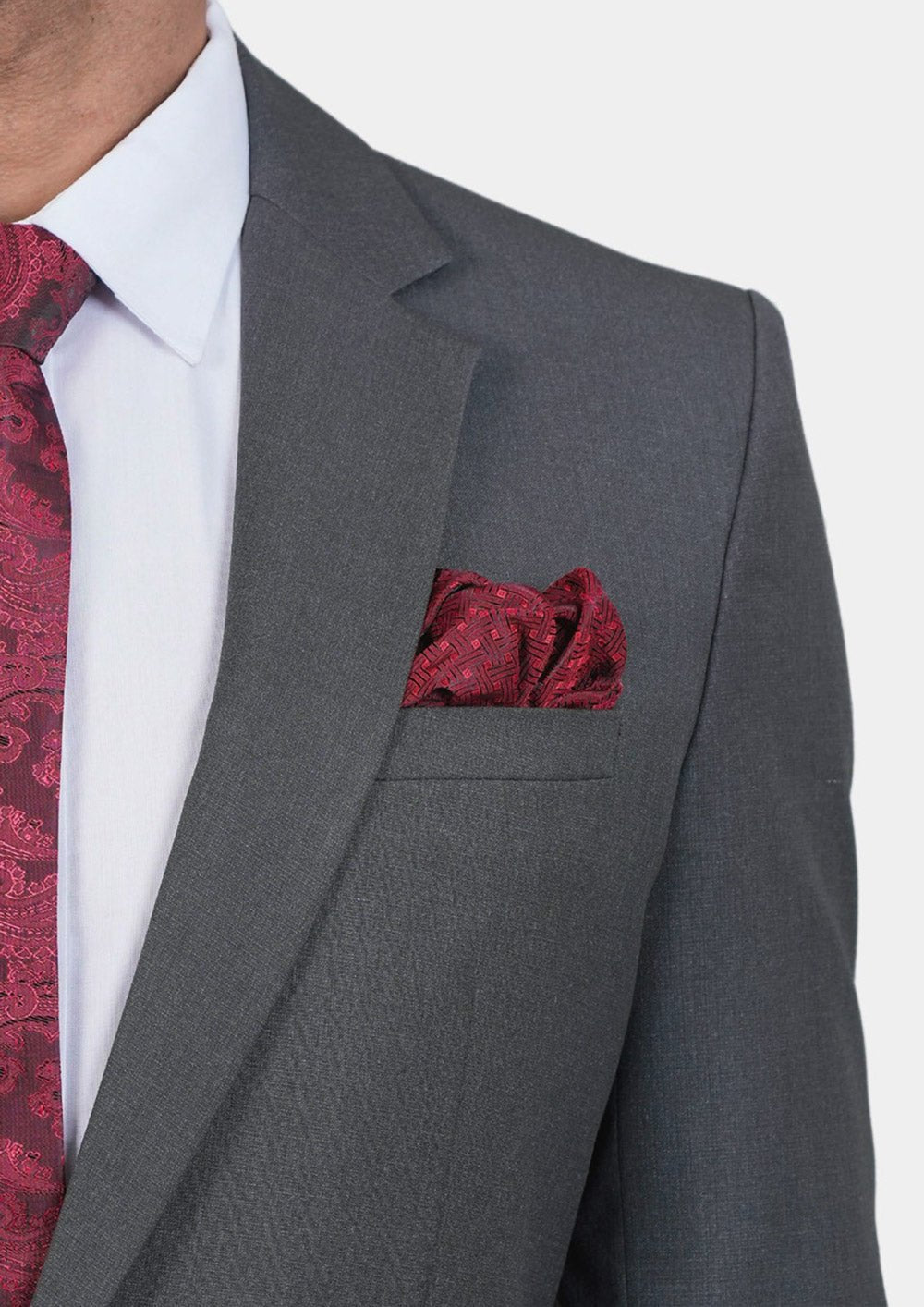
Accessories. Keep them few and quiet. A simple watch, a pocket square in linen or silk, the occasional knit tie; each should feel like part of the outfit, not a flourish added to it. For more on getting the small pieces right, see our notes on accessorizing and finishing a look.
What are the most common blazer styling mistakes?
A few recurring errors do most of the damage, and all of them are easy to avoid once you can name them.
- Wearing a suit jacket and calling it a blazer. An orphaned suit jacket usually shows its origin in the fabric sheen and the matching-but-absent trousers. A jacket designed as a blazer is built to stand alone.
- Matching trousers too closely. A blazer with trousers that almost, but not quite, match the color reads as a broken suit. Go for clear contrast or commit to a true match.
- Ignoring the shoulders. A blazer lives or dies on the shoulder line. If it pulls, gaps, or overhangs, no styling rescues it; the fit is the first thing the eye reads.
- Over-accessorizing. A pocket square, a watch, a lapel pin, and a bold tie all at once compete with each other. Pick one focal detail and let the rest stay calm.
- Pairing a structured blazer with very casual denim. A sharply built jacket fights relaxed jeans. Match the blazer's structure to the formality of everything else.
Most of these come back to the same idea: the blazer should look chosen for the outfit, and the outfit should look chosen for the day.
Why does fit matter more than anything else?
Color and fabric give a blazer its character, but fit is what makes it look like yours. A blazer that sits flat across the shoulders, closes cleanly without straining, and ends at roughly mid-seat will look considered in any of the combinations above. One that fits poorly will look off no matter how good the pairing is.
This is where a blazer cut to your measurements earns its keep: a precise shoulder, a sleeve that ends at the wrist bone, and a length matched to your proportions are difficult to find off the rack and straightforward to specify when the jacket is made for you. If you want a blazer built to your exact measurements, that is the foundation of Sartoro's custom suits and jackets.
Final thoughts
A blazer is the most flexible jacket a man can own, but the flexibility comes from how you style and wear it, not from the jacket alone. Anchor each outfit on the blazer, let the trousers set the formality, match the shoes to the trousers, and keep the details quiet. Get the fit right first, and a single navy or grey blazer will carry you from the office to the weekend with very little thought required.
Frequently asked questions
How do you dress down a blazer for the weekend?
Pair it with a plain tee or an open-collar shirt, swap tailored trousers for chinos or dark denim, and finish with clean sneakers or loafers instead of dress shoes. A softer, less structured blazer in cotton or linen dresses down more naturally than a sharply built one.
How do you style a blazer casually?
Keep the jacket relaxed and the rest of the outfit simple. Choose an unstructured blazer in navy, grey, or a soft texture, wear it over a tee or fine knit with dark denim or chinos, and finish with clean sneakers or loafers. The aim is to look put together without looking dressed up.
Can you wear a blazer with jeans?
Yes. Choose dark-wash, slim or straight jeans with no fading, and pair them with a blazer in a clearly different texture or tone so the combination looks deliberate. A navy or olive blazer over dark denim with a crisp shirt or plain tee is a dependable smart-casual look.
How do you style an oversized blazer?
Keep the rest of the outfit streamlined so the jacket stays the statement. Wear slim or straight trousers, tuck in your shirt or tee for definition, and stick to simple shoes. A blazer cut to your measurements keeps an oversized look intentional rather than sloppy.
Can you wear a blazer with shorts?
It can work in warm, relaxed settings. Use a lightweight, unstructured blazer, tailored shorts that hit just above the knee, and keep proportions balanced so the look reads modern rather than mismatched.
How do you layer a blazer in colder months?
Start with a fitted shirt or turtleneck, add a thin merino sweater or knit vest, then the blazer on top. Choose heavier fabrics like wool or tweed for warmth, and keep the layers slim so the jacket still closes and sits cleanly.
Is a blazer right for a business-casual dress code?
Yes: a well-fitted blazer is the cornerstone of most business-casual wardrobes. Pair it with chinos or smart trousers and a button-down, then leave the collar open or add a knit tie depending on how sharp the day needs to be.
Expert insights from our team
Blake Vincent
Senior Menswear ConsultantSenior Menswear Consultant
I’m Blake Vincent, Sartoro’s menswear advisor. I’ve helped over 200 weddings and clients across the USA find clothing that fits their lives and personalities. My goal is to make you look great and feel confident, with honest advice and practical tips—always here if you want to chat about style!