What Is a Bespoke Suit?

Contents

A bespoke suit is a suit made entirely to one person. A tailor takes a full set of individual measurements, drafts a one-off pattern from scratch for that body, and builds the garment to it — refining the fit through fittings along the way. Nothing is pulled from a stock size or a stored template. The result is a suit cut to your exact proportions and your chosen details, rather than a standard suit adjusted to fit you.

The word *bespoke* comes from the older English verb *bespeak* — to speak for something in advance. A client would reserve a length of cloth, and the suit was then made for them alone. That idea still defines the term: the garment is spoken for, and built for one person from the ground up.

Key Takeaways

  • A bespoke suit is built from an individual pattern drafted for one body — not a stock size, and not an existing pattern adjusted to fit.
  • The defining markers are a from-scratch pattern, measurements taken in person, and a fit refined through one or more in-person fittings.
  • Making a bespoke suit is iterative: it usually takes several weeks to a few months and multiple visits to the tailor.
  • A bespoke price covers more than the garment — it covers the tailor's labour, the advisor's time, the premises, and the in-person experience.
  • A bespoke suit tends to be worth it when fit, repeat wear, or a hard-to-fit shape matters more than the lowest upfront cost.

What Makes a Suit Bespoke?

Three things separate a true bespoke suit from anything else, and all three have to be present.

An individual pattern, drafted from scratch. This is the heart of it. The tailor creates a paper pattern for your body specifically — accounting for posture, shoulder slope, and the small asymmetries every body has. A suit built on a unique pattern can sit cleanly where a standard cut would pull or gape.

A full set of measurements, taken in person. Bespoke starts from the body itself, not a size label. The tailor measures you directly and reads how you actually stand — one shoulder often sits lower than the other, the back may be rounded or upright, the stance may favour one side. Those observations go into the pattern, not just the tape numbers.

A fit refined, not assumed. Bespoke lets the fit be corrected before the suit is called finished. The tailor checks how the garment falls on you, marks what needs to move, and adjusts. That step is what turns precise measurements into a suit that genuinely sits right on the body.

If a suit is missing any of these — if it starts from a stock size, or only nudges an existing pattern — it is something other than bespoke. For where those other approaches fit, see how bespoke compares with made-to-measure and off-the-rack.

How Is a Bespoke Suit Made?

The path from first conversation to finished suit is short to describe and slow to execute. A traditional bespoke tailor works through roughly six stages.

1. Consultation and design. You sit with the tailor and decide what the suit is for and how it should look — the cloth, the colour, the lapel, the button stance, the lining, the finishing. This happens in person, so the tailor can read your taste and your build together.

2. Measuring and observation. The tailor takes a full set of measurements by hand and watches how you stand and move. Posture, shoulder slope, and small asymmetries are noted here, because they shape the pattern as much as the numbers do.

3. Pattern drafting. From those measurements, an individual pattern is drafted from scratch. This paper blueprint exists for your body alone and is what the cloth will be cut against.

4. Cutting and a trial garment. The cloth is cut to your pattern and loosely assembled into a basted or trial garment — stitched together so it can be taken apart and changed. You return to try it on for a first fitting.

5. Fittings. This is the defining labour of bespoke. Across one or more in-person fittings, the tailor marks and corrects the fit to their own eye — taking in a seam here, lifting a shoulder there — then alters the garment and checks again. The fit is judged, not assumed.

6. Finishing and final fitting. Once the line is right, the suit is finished and hand-finished details are completed. A final fitting confirms it before you take it home. Our guide covers the visible signs of quality on a finished suit.

Two things define the process. It needs multiple in-person visits, and the fit is refined to the tailor's judgement rather than locked in upfront. Because of that back-and-forth, a bespoke suit typically takes several weeks to a few months. For what a finished suit should look like on the body, see what a well-fitted suit should look like.

A half-finished jacket on a tailor's form with tape measure and chalk marks

A half-finished jacket on a tailor's form with tape measure and chalk marks

What Are You Actually Paying For?

A bespoke suit costs more than a standard one, and it helps to be clear about where that money goes. A bespoke price covers the garment, but also the people, the place, and the experience around making it.

  • The garment and cloth. You are paying for the fabric itself and for the outcomes a stock suit cannot match — a fit shaped to your proportions, a clean drape, comfort in motion, and a line that holds for years rather than seasons.
  • The tailor's skilled labour. A large part of the price is hours of expert work: drafting the pattern, cutting the cloth, running multiple fittings, and hand-finishing the garment. That labour is the slow, manual core of bespoke.
  • The advisor's time. Bespoke involves consultation — the time spent guiding you through cloth, cut, and detail, and managing the order from first fitting to delivery. That attention is built into the cost.
  • The premises. Bespoke houses usually sit in central or prestigious locations and keep a designed showroom space for fittings. That overhead is real, and it is carried in the price of the suit.
  • The in-person experience. Part of what you pay for is the service and ritual itself — being measured, advised, and fitted in person over several visits. For many buyers that experience is part of the value, not just the cloth.

For how tailoring and alteration fees compare more broadly, see the cost of tailoring a suit.

How Does Sartoro's Custom Process Differ From Bespoke?

Sartoro is custom-made, not bespoke, and it is worth being precise about the difference. Like bespoke, the pattern is cut to each client's own measurements — the suit is still built around the individual body, not pulled from a stock size. What changes is how that fit is reached.

Instead of in-person tape sessions and repeated fittings, Sartoro captures measurements from real photos and data analysis across tens of thousands of fit profiles. Technology closes the measurement-deviation gap that traditional bespoke relies on the tailor's eye and repeat fittings to close. The fit logic is data-led rather than corrected by hand over several visits.

Because that gap is closed by data, there are no repeated store visits. That tends to mean a faster turnaround and a more accessible cost than bespoke, while still offering full customization — cloth, cut, and details — and top-tier fabrics. You can design a custom suit and work through those choices online, with the fit built from Sartoro's Digital Tailor sizing.

The choice is yours. If you want the in-person ritual and a fit shaped by a tailor's hands over several visits, traditional bespoke is the route. If you want a comparably personal fit with less time and cost, a technology-led custom maker like Sartoro is one alternative.

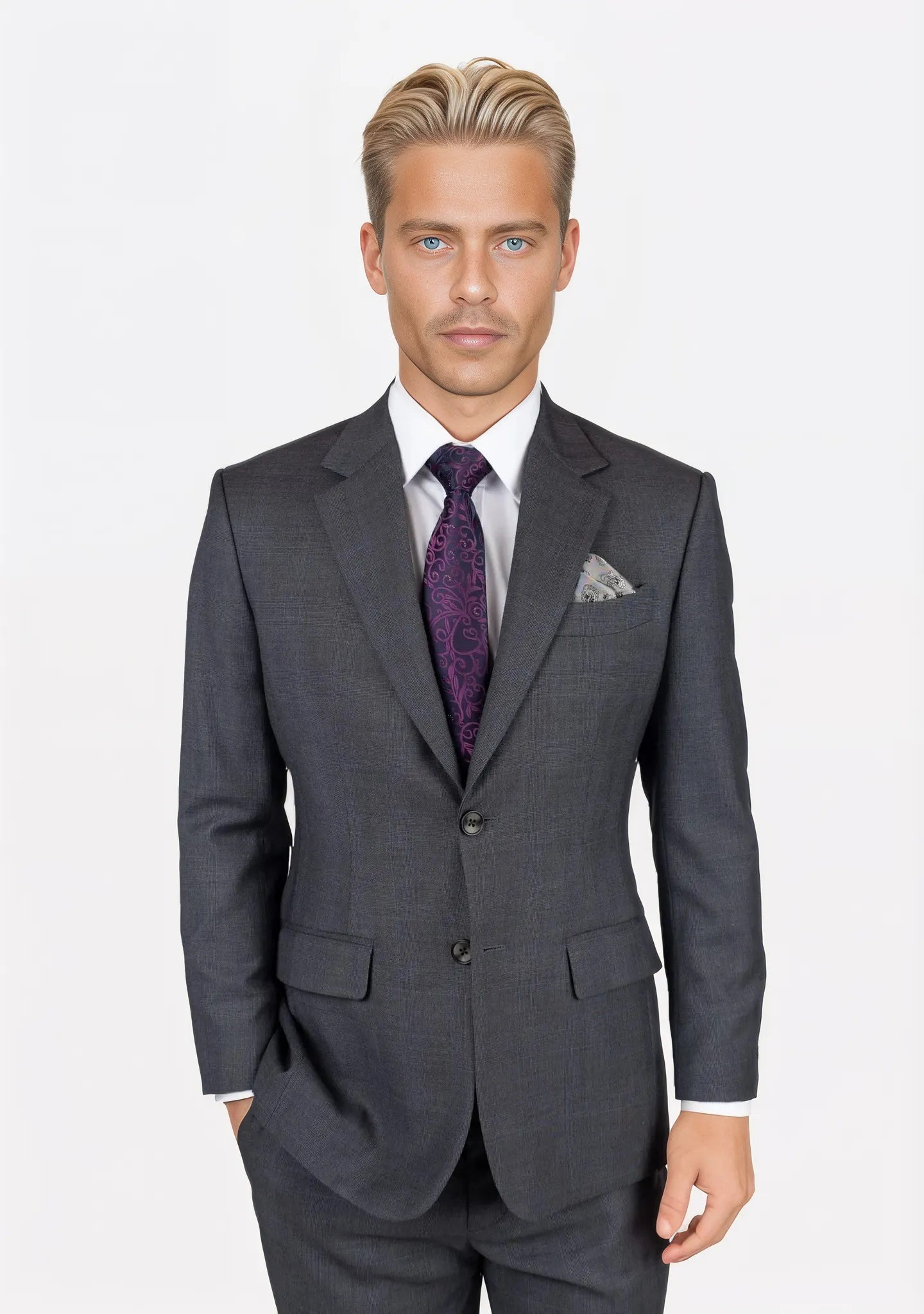
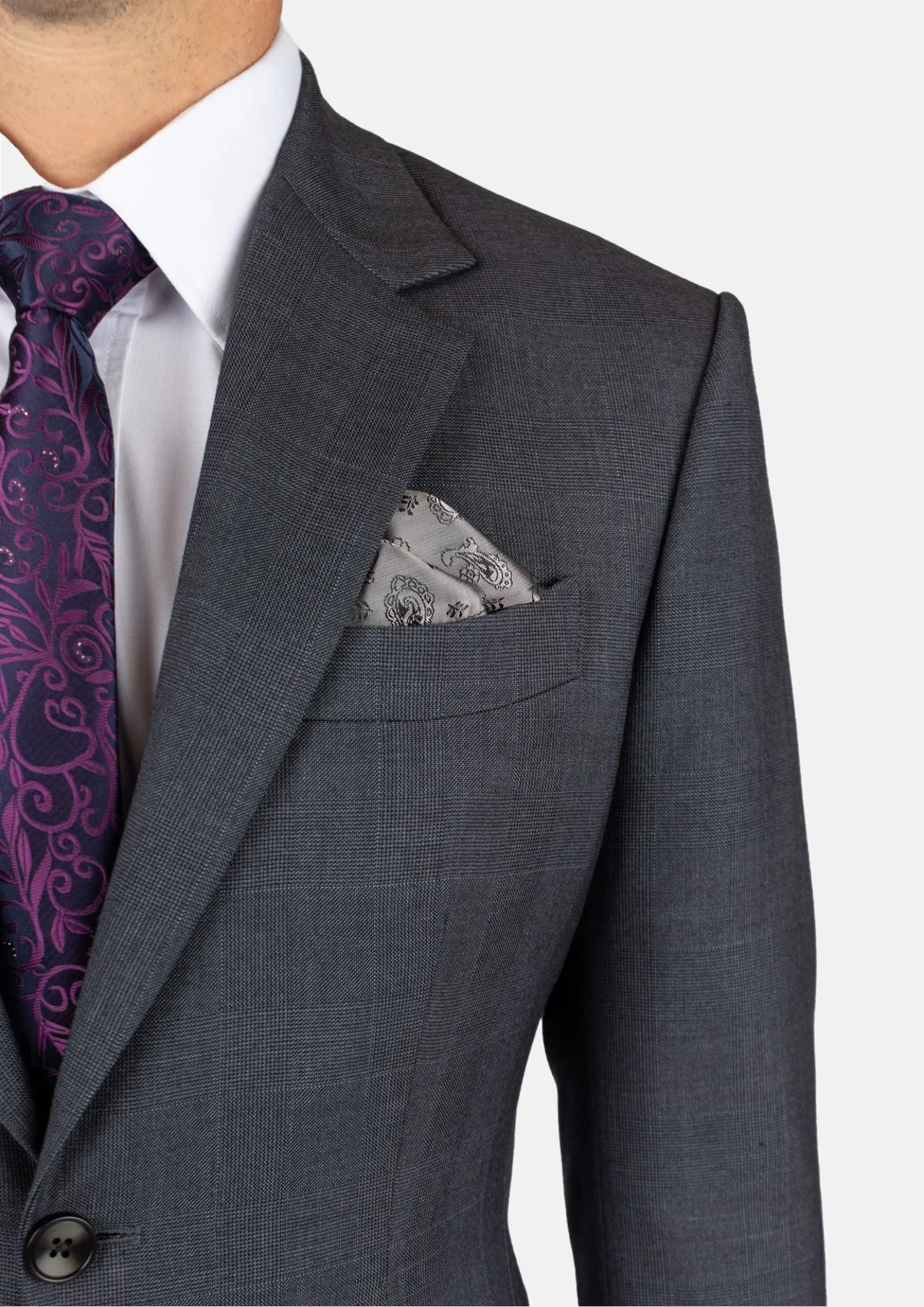
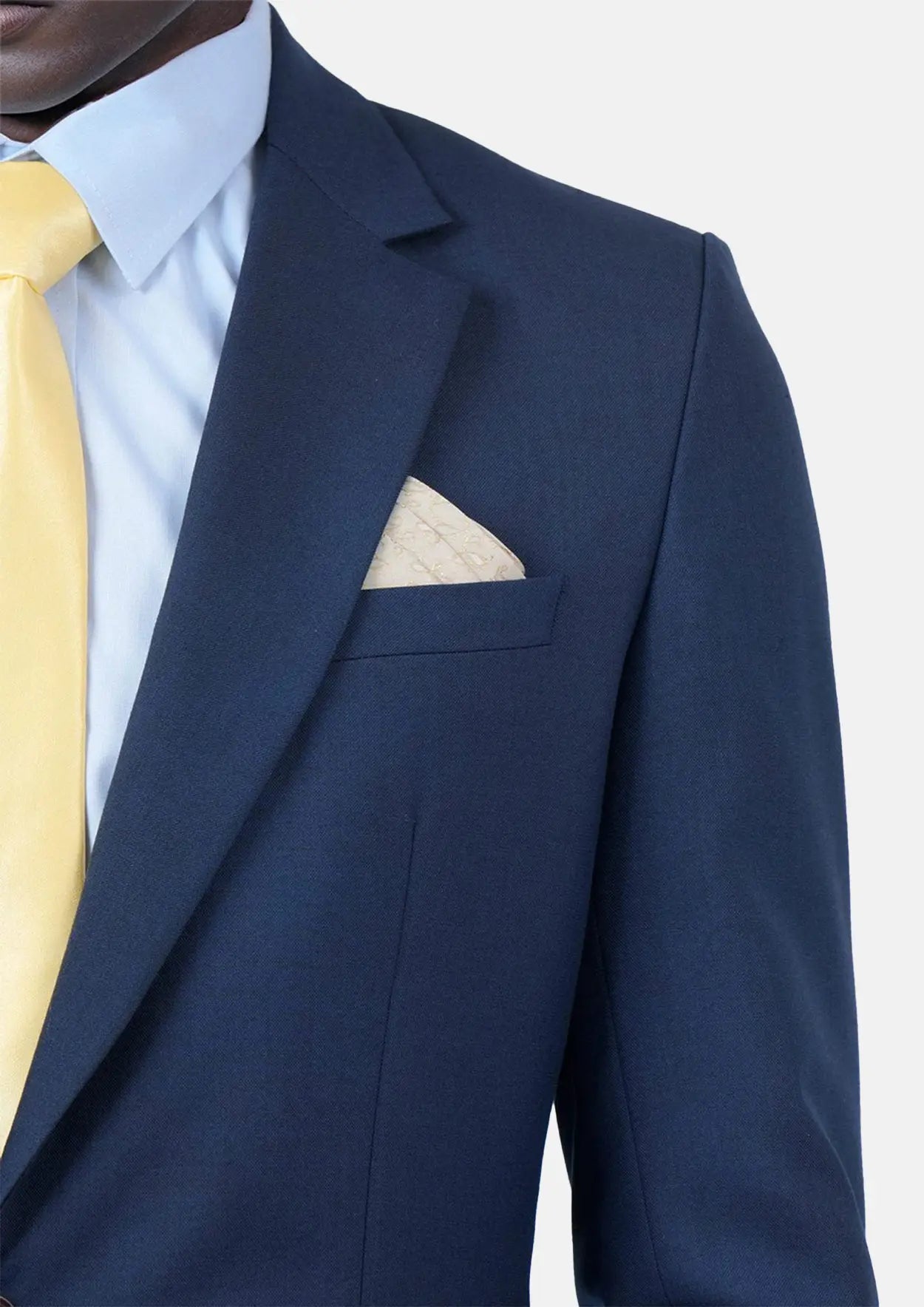
Charcoal Prince of Wales Suit905 Charcoal Prince of Wales Suit736
Premium
All-season premium wool blend
$645
Deep Blue Sharkskin Suit399 Deep Blue Sharkskin Suit657
Premium
All-season premium wool blend
$595
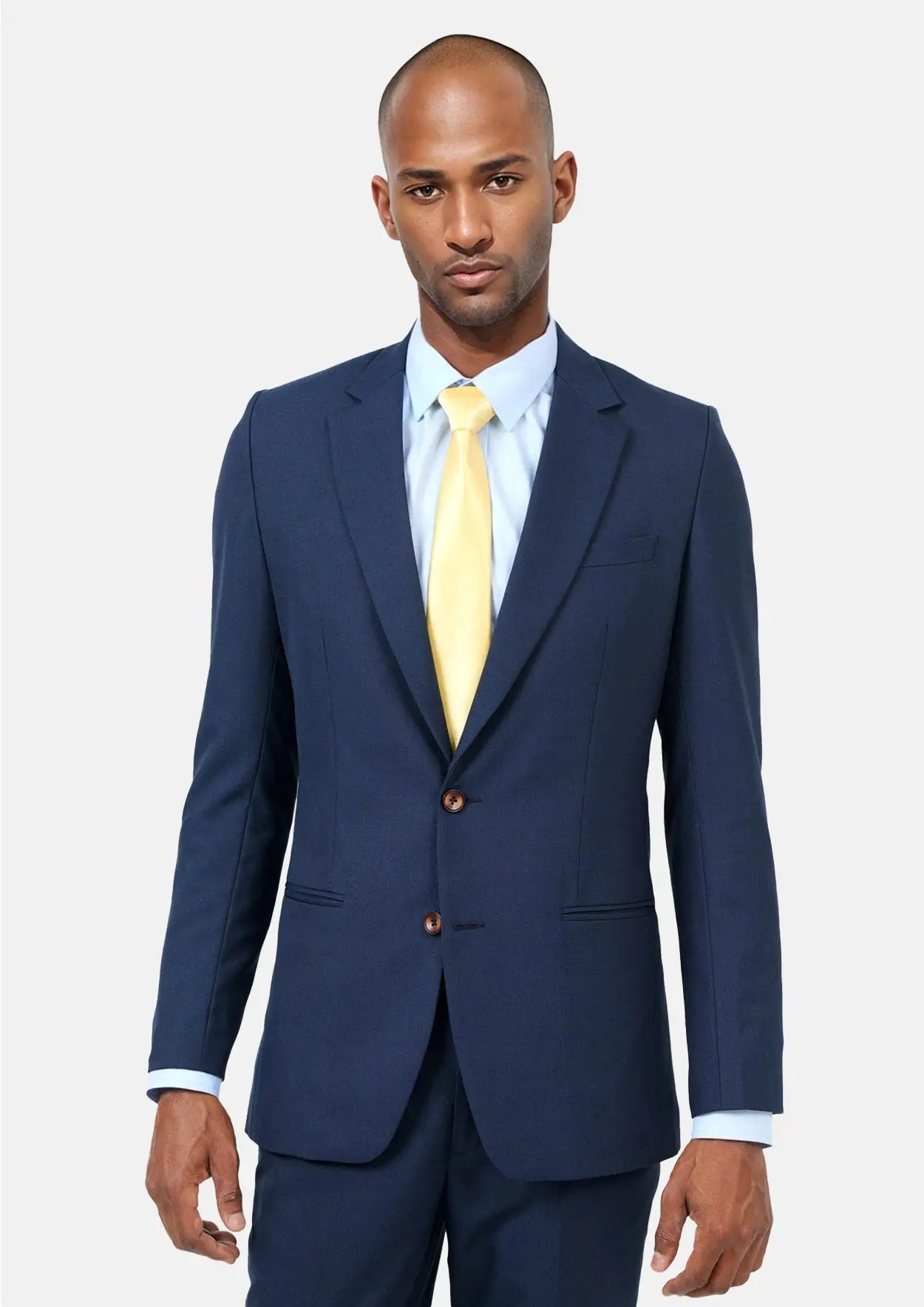
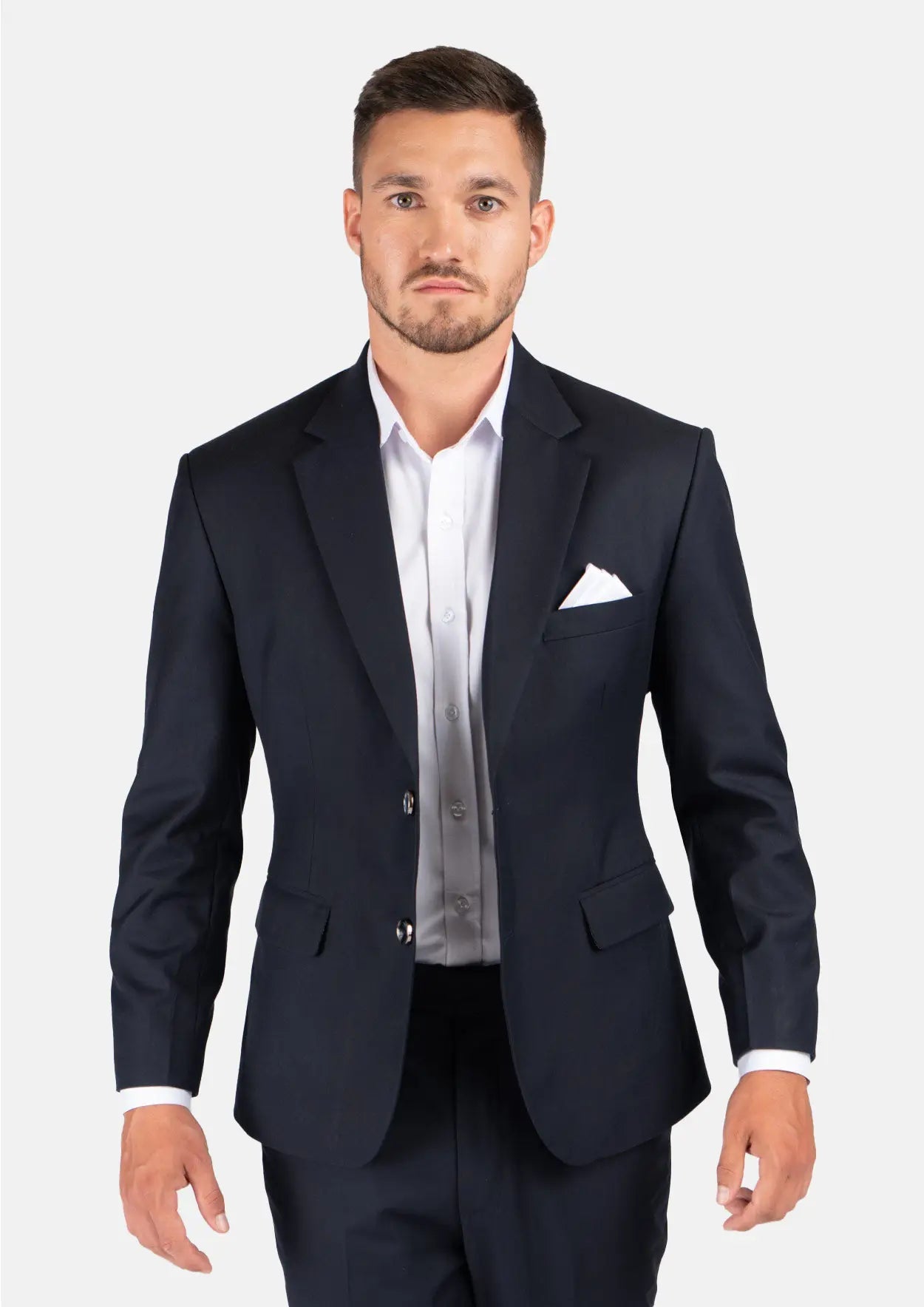
Astor Dark Navy Twill Suit606 Astor Dark Navy Twill Suit992
All Season Wool in a Classic Weave
$525

Is a Bespoke Suit Worth It?

Bespoke is worth it when fit and longevity matter more than the lowest upfront price. It tends to make sense for:

  • People who wear a suit often — professionals and executives for whom a suit is working attire, where comfort and a consistent, composed look pay off daily.
  • Anyone who is hard to fit — taller, broader, slimmer, or simply built outside standard size charts — where off-the-rack means constant compromise and alteration.
  • Grooms and wedding parties who want a coordinated, well-fitting look for a day that will be photographed and remembered.
  • People who want control over cloth, cut, and detail, and who want a say in how the suit is made rather than accepting what a rack offers.

If you wear a suit once a year and standard sizing fits you well, an off-the-rack option may serve you perfectly. For tighter budgets or occasional wear, made-to-measure or a technology-led custom maker can also be enough. Bespoke earns its place when the fit, and the process behind it, are the point.

What Fabrics Are Used in a Bespoke Suit?

Cloth shapes how a bespoke suit looks, feels, and performs across the seasons. The common choices are wool, cotton, linen, linen blends, and mohair, each with its own weight, breathability, and character.

  • Wool is the year-round default, available in many weights from light tropical cloths to heavier winter weaves.
  • Cotton gives a softer, more casual finish and suits warmer weather.
  • Linen and linen blends are light and breathable for summer, with a relaxed texture that creases by nature.
  • Mohair, often blended with wool, adds a crisp finish and a subtle sheen, good for warm-weather formalwear.

The right cloth depends on the season, the occasion, and how the suit will be worn — a heavier weight holds its shape, a lighter one breathes. For a fuller breakdown of weights and weaves, see the guide to choosing a suit fabric.

Frequently Asked Questions

What does "bespoke" mean for a suit?

It means the suit is made for one individual from a pattern drafted specifically for their body, based on their own measurements and chosen details — rather than bought in a stock size or adjusted from an existing pattern. The term comes from the verb *bespeak*, to reserve something in advance.

What is the difference between bespoke and made-to-measure?

A bespoke suit is built on a brand-new pattern drafted for your body, with the fit refined through in-person fittings. A made-to-measure suit starts from an existing pattern that is adjusted to your measurements. Bespoke allows more personalisation and a fit corrected before the suit is finished; made-to-measure is faster and usually costs less. The full three-way comparison, including off-the-rack, is covered in a separate guide.

How long does it take to make a bespoke suit?

Usually several weeks to a few months. Bespoke depends on multiple in-person fittings, and that back-and-forth — measuring, drafting, trying on, correcting, and finishing — is what takes the time.

Can I choose the fabric for my bespoke suit?

Yes. Choosing the cloth is part of the bespoke process. You select the fabric, weight, and finish with the tailor so it matches your style, the season, and the occasion.

Is a bespoke suit worth the cost?

It is worth it when fit, comfort, and longevity matter — for people who wear a suit often, who are hard to fit by standard sizing, or who want control over cloth and detail. The price also covers the tailor's labour, the advisor's time, the premises, and the in-person experience. For occasional wear with an easy-to-fit build, a simpler option may be enough.

Can a bespoke suit be altered later?

Yes. Because a bespoke suit is built from your own pattern and often carries extra cloth in the seams, it can usually be let out or taken in as your body changes. A tailor can adjust it to keep the fit right over time.

How is Sartoro different from a bespoke tailor?

Sartoro is custom-made, not bespoke. The pattern is still cut to each client's own measurements, but instead of in-person fittings refined by the tailor's eye, Sartoro captures measurements from real photos and data analysis across tens of thousands of fit profiles. That closes the measurement gap with technology, so there are no repeated store visits — usually meaning a faster turnaround and a more accessible cost than bespoke, with full customization and top-tier fabrics.

How do I care for a bespoke suit?

Have it professionally cleaned only when needed, rest it a day or two between wears, and store it on a shaped hanger in a breathable garment bag. Proper care keeps the cloth and the suit's line intact for years.

About the author

Expert insights from our team

Andy Fine

Andy Fine

Senior Menswear ConsultantFounder

Hi, I’m Andy, founder of Sartoro. I started Sartoro because most guys don’t want “fashion”—they want to look sharp, feel confident, and not waste time. We make custom clothing simple: great fabrics, a clean process, and a fit you can trust. If you ever have a question about style, sizing, or what to wear, I’m always happy to help.

15+ years experienceSartoro 1st Employee
Certified Style ConsultantFit Nerd
Published Author“Looks Good” Guarantee
Connect:
Lorem ipsum dolor sit amet

Popular Posts

Your cart is empty
Looking for ideas?
We'll send measurement instructions
to you. Or create your fit profile now.
    Secured checkout through Shopify with: