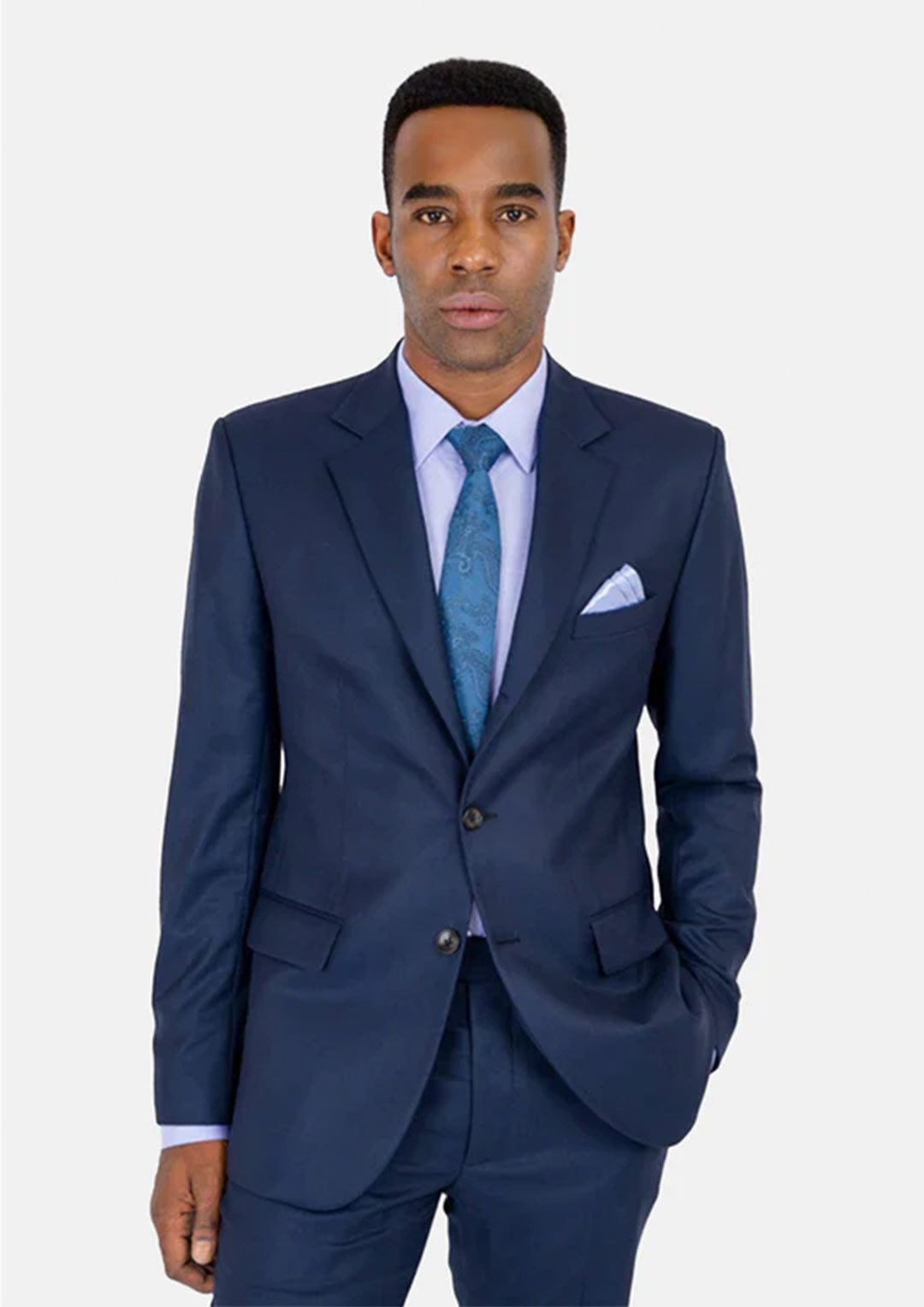
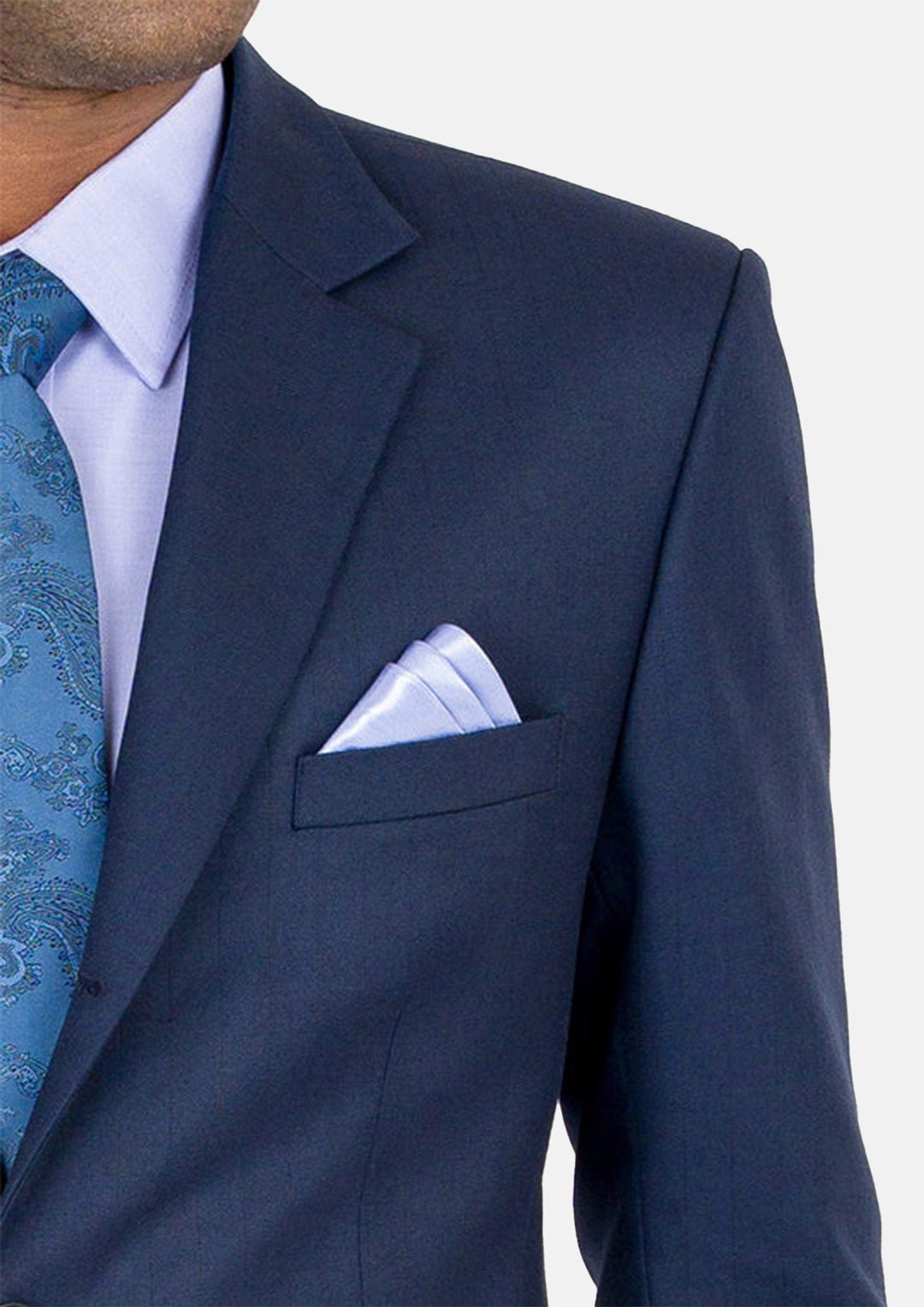
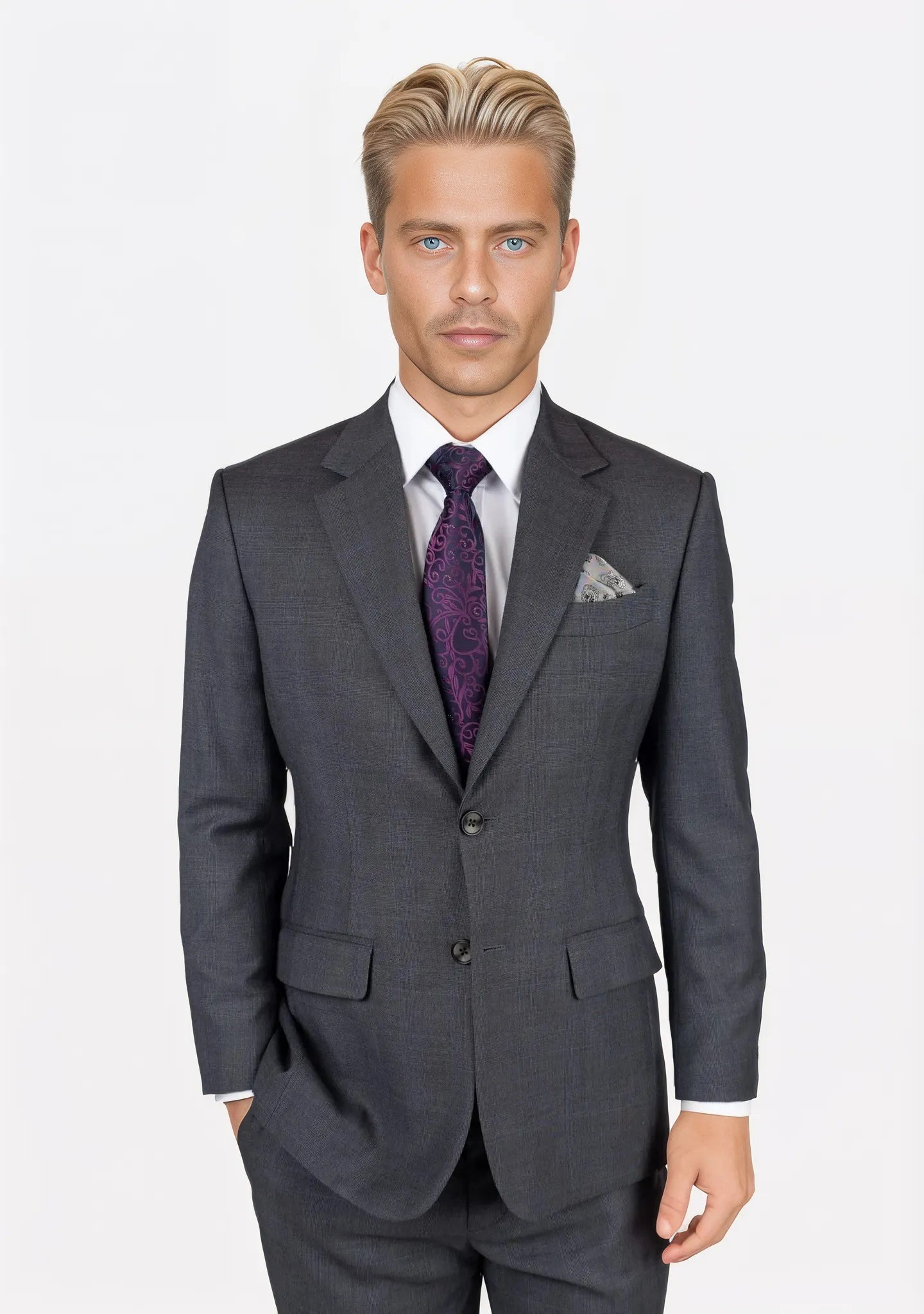
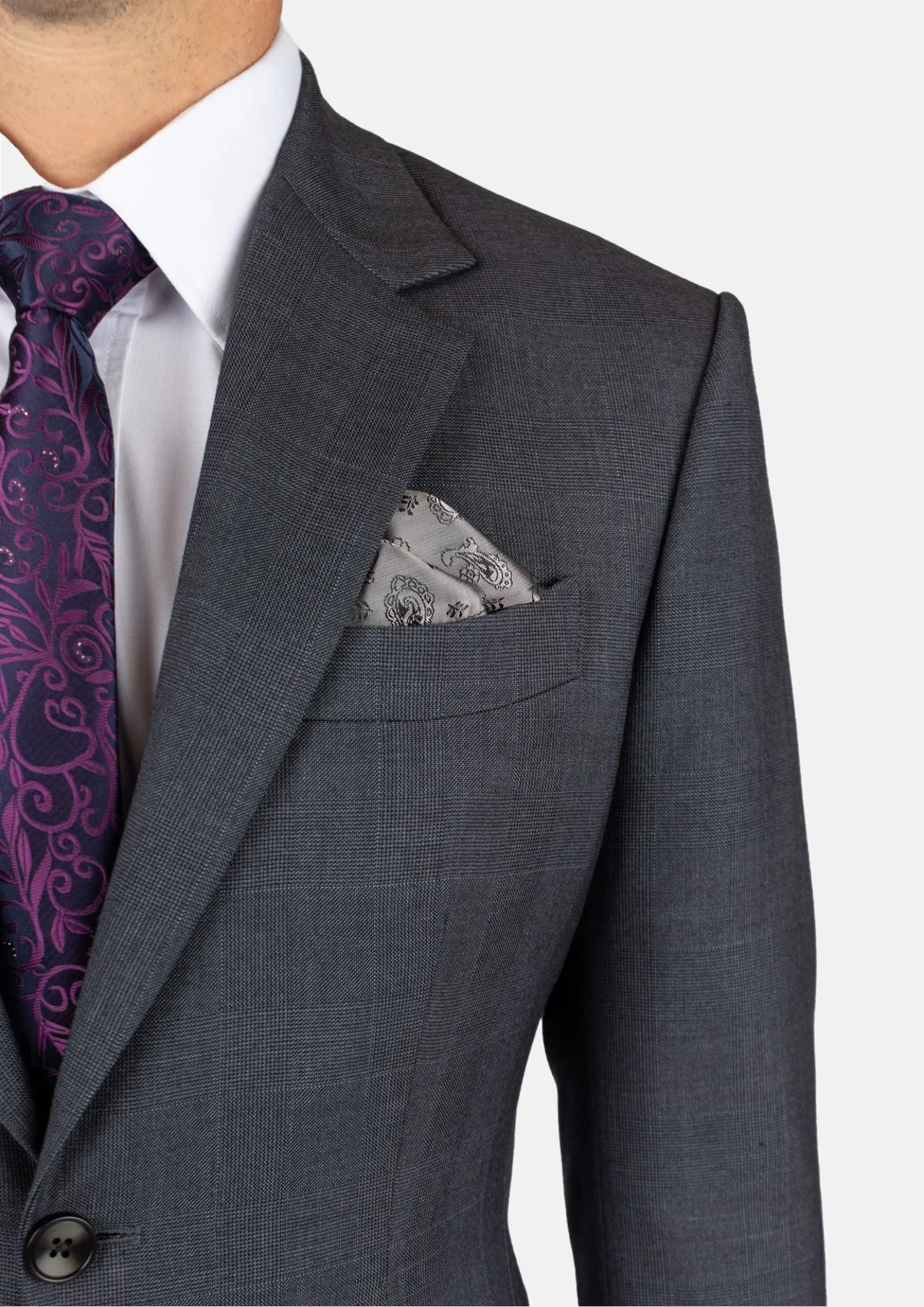
Off-the-Rack vs Made-to-Measure vs Bespoke: What's the Difference?
Contents
Suits vary widely in price, quality and how they are made. Off-the-rack, made-to-measure and bespoke are the three terms you will hear most, and they describe three distinct ways a suit is produced. The method matters, because it shapes a great deal about the fit, the construction, and what you pay. Here is how the three compare, plus a fourth modern path worth knowing.
A quick frame before the details. The main thing separating these methods is how the pattern is created and how closely the finished suit can follow your body. Off-the-rack starts from fixed sizes, made-to-measure adjusts a base pattern, and bespoke draws a pattern from scratch. Cost and lead time climb as you move along that scale.
Off-the-rack: wallet-friendly and fine for some
Off-the-rack (OTR) suits are mass-produced in fixed sizes such as 38S, 42R or 46L, which is how stores keep them stocked and ready to buy "off the rack." Think of it as an expanded version of small, medium and large. From a fit standpoint, OTR sits at the bottom of the scale: the suit only fits as well as your body happens to match the brand's grading, and since body types vary so widely, a clean match is the exception rather than the rule. To suit more of the market, OTR cuts often run loose, even when labelled "slim."
Many OTR sellers offer alterations, free or paid, during or after purchase. Altering a finished suit will improve it, no question, but the gains are limited. A tailor can take in a waist or shorten a sleeve; they cannot re-cut the shoulders or rebalance the whole garment. Unless the off-the-shelf fit is already close, even an altered OTR suit stays a step short of right.
Construction tends to be on the lower end too, since cost-saving methods keep the price down. That usually shows up as stiffer finishing, fewer details, and more synthetic-heavy cloth. If you want to know what to look for, this is exactly where how construction quality shows on a finished suit becomes useful. The bottom line: OTR is the most affordable route, and the quality reflects that.
Made-to-measure: a hybrid for a better fit
Made-to-measure (MTM) is a cut above OTR. The suit still starts from a pre-set base pattern, but that pattern is adjusted to your measurements before the suit is cut and finished. That blend of a streamlined process with order-by-order customization gives you a better balance of fit and cost.
The fit improves on OTR because a wider range of adjustments can be made before the garment is built. But because MTM still begins from a fixed base pattern, the step up has a ceiling. Men with less common proportions, short or long necks, sloped or uneven shoulders, a fuller seat, can still run into fit issues the base pattern cannot fully resolve. To see where your own body sits on that spectrum, see how a suit should fit.
Construction quality on MTM varies but generally beats OTR, since the maker is not producing at pure mass scale. The customization can add cost, so some makers trim corners elsewhere to keep the process efficient. It pays to read how a brand describes its construction before ordering. The bottom line: MTM is a solid choice for most men, with a clearly better fit than OTR at a price that can still be reasonable.
Bespoke: the traditional high-touch path
Bespoke is the traditional peak of suitmaking. Rather than adjusting a pre-cut pattern, a tailor draws a pattern from scratch for one person, then refines it across several in-person fittings, often five or more, reading and correcting the fit by eye. Because the garment is built for one body and no other, the result is exceptional, and construction is usually of the highest order to match.
The trade-offs are time and money. Bespoke requires far more skilled labour, mass production is not possible, and lead times are long. The price also carries more than the garment itself: you are paying for the consultation, the central storefront, and the in-person experience. It is a genuine craft, and for some men the time and cost are worth every bit. If your budget does not stretch that far, a good MTM suit still delivers a strong fit, and either is a real step up from OTR.
How Sartoro's custom approach differs
There is a fourth, modern path, and it is worth being precise about: Sartoro is custom, not bespoke. Instead of a tailor adjusting a fixed pattern by hand over repeated visits, Sartoro cuts a pattern to each customer's own measurements, captured from real photos and analysed against a data layer built across tens of thousands of fit profiles. That technology narrows the margin of error on your measurements and removes the repeated, by-eye hand adjustment that traditional bespoke relies on.
The practical effect is a custom-cut suit with much of bespoke's fit benefit, delivered faster and at a more accessible price. The digital tailor measurement technology predicts your body measurements to within a few percent from a few simple inputs, with no tape measure and no studio visits. Two things keep it accessible without cutting the cloth short:
- No physical storefronts. Without the rent, the fit-out and the in-store experience baked into the price, the cost reflects the garment rather than the setting.
- Sensibly chosen premium cloth. Premium fabric is increasingly produced to a high standard by independent mills, not only the storied names. Choosing quality cloth on its merits, rather than the label, keeps the price fair without giving up the hand or the look.
The result is fully customizable, made in premium fabric, ordered online, with no repeated tailor visits. If something is slightly off, an alteration credit comes with every suit.
Which should you choose?
The honest answer comes down to fit, budget and how you like to shop. Fit is the first thing anyone notices, and it is the hardest thing to fake, so it is worth weighting heavily. OTR wins on price and immediacy but rarely on fit. MTM is the practical middle for most men. Bespoke delivers the finest fit and the fullest experience, at the highest cost and the longest wait.
For many buyers, the modern custom path closes most of the gap to bespoke without the repeated fittings or the storefront premium, which is the reasoning behind choosing a custom suit. Whichever route you pick, judge the suit on the same things every time: how it sits on the shoulders, how it follows your frame, and the quality of the cloth and finishing.
Frequently asked questions
What is the difference between made-to-measure and bespoke?
Made-to-measure adjusts a pre-set base pattern to your measurements, then cuts and finishes the suit. Bespoke draws a brand-new pattern from scratch for one person and refines it over several in-person fittings. Bespoke gives the more precise fit and costs considerably more; MTM gives most of the practical benefit at a far lower price and faster turnaround.
Is made-to-measure worth it over off-the-rack?
For most men, yes. MTM starts from your measurements rather than a fixed size, so the baseline fit is noticeably better than OTR, and the construction is usually a step up too. If an off-the-rack suit happens to match your shape closely, OTR plus a few alterations can be fine, but that is the exception.
Why is bespoke so expensive?
Bespoke requires a pattern cut from scratch, far more skilled hand labour, and several in-person fittings, none of which can be mass-produced. The price also carries the consultation, the central storefront and the in-person experience, not just the garment itself.
Is a custom suit the same as bespoke?
Not quite. Bespoke specifically means a pattern hand-drafted and refined over repeated in-person fittings. A modern custom suit, like Sartoro's, cuts a pattern to your individual measurements using photo-based measurement and fit data, which delivers much of the same fit benefit faster and at a lower price, without the repeated studio visits.
How should I judge the quality of any suit?
Look past the label to the garment. Check how the shoulders sit, how cleanly the jacket follows your frame, and the hand and finishing of the cloth. A clear, consistent guide is in how to tell a quality suit.
Expert insights from our team
Blake Vincent
Senior Menswear ConsultantSenior Menswear Consultant
I’m Blake Vincent, Sartoro’s menswear advisor. I’ve helped over 200 weddings and clients across the USA find clothing that fits their lives and personalities. My goal is to make you look great and feel confident, with honest advice and practical tips—always here if you want to chat about style!