Linen vs Cotton: Which Fabric Is Better for Clothing?

Contents

For clothing, linen is usually the better choice when breathability, visible texture, and warm-weather character matter most, while cotton is usually the better choice when softness, smoothness, and easy everyday wear matter more. Neither one wins in every situation. The better fabric depends on the wearing experience you actually want.

If you are deciding between linen and cotton, the key is not which fabric sounds better in general, but which one fits your priorities more closely.

Key takeaways

  • Choose linen when breathability, airy comfort, and natural texture matter more than a crisp, controlled finish.
  • Choose cotton when softness, versatility, and easier day-to-day wear matter more than visible fabric character.
  • Linen usually feels drier, lighter, and more textured; cotton usually feels smoother, softer, and more familiar.
  • Linen generally wrinkles more visibly than cotton, which makes it feel more relaxed but sometimes less tidy.
  • For hot-weather clothing, both can work well, but linen often feels more seasonally specific, while cotton usually feels more all-purpose.
  • A useful rule of thumb is: choose linen for airy elegance; choose cotton for easy versatility.

Linen vs cotton at a glance

If you want the shortest possible comparison, think about the decision this way:

Linen is usually the better fit when you want:

  • a drier, airier hand feel
  • visible texture
  • a relaxed seasonal look
  • clothing that feels expressive without being loud

Cotton is usually the better fit when you want:

  • softness on first wear
  • a smoother surface
  • easier day-to-day versatility
  • a cleaner and more controlled appearance

Neither side is “best” in every situation. The point is to match the fabric to the wearing experience you actually want.

What is the main difference between linen and cotton for clothing?

The main difference is that linen usually feels more breathable, textured, and relaxed, while cotton usually feels softer, smoother, and easier to wear every day.

That difference matters because most people are not comparing fibers in the abstract. They are trying to decide which fabric better suits the result they want from clothing in actual use. Linen tends to create a more visibly airy, seasonal effect. Cotton tends to create a more controlled and familiar one.

A good rule of thumb is:

  • choose linen when you want character, airflow, and a lighter visual mood
  • choose cotton when you want softness, predictability, and all-purpose wear

How do linen and cotton feel on the body?

For many people, this is the real decision point.

Linen feel

Linen often feels:

  • drier in hand
  • lighter or airier against the body
  • more textured rather than smooth
  • relaxed rather than polished

Linen’s appeal comes partly from that character. It usually does not feel plush or overly finished. Instead, it feels breathable and natural, which is why it is so often associated with warm-weather clothing.

Cotton feel

Cotton often feels:

  • softer on first wear
  • smoother on the surface
  • more familiar to most people
  • easier to wear if you prefer a less textured fabric

That does not make cotton boring. It makes cotton flexible. For many garments, cotton feels easier because it asks less of the wearer. It usually does not require you to embrace visible creasing or a more relaxed finish.

Which feels more comfortable?

Comfort depends on what kind of comfort you mean.

  • If you mean airy, dry, warm-weather comfort, linen often wins.
  • If you mean soft, easy, familiar comfort, cotton often wins.

In other words, linen often feels cooler in mood and wear, while cotton often feels gentler and simpler for everyday use.

Which fabric is more breathable: linen or cotton?

In many warm-weather situations, linen is the more breathable-feeling fabric, especially if what you want is airflow and a dry, airy sensation. Cotton can also be breathable, but it usually does not create the same distinctive, breezy character that linen is known for.

That said, it helps to avoid turning this into an absolute rule. Fabric behavior also depends on weight, weave, and garment design. A lightweight cotton can feel very comfortable in heat, and a heavier linen will not wear the same way as a lighter one.

The practical takeaway is simple:

  • choose linen when breathability is a top priority and you want a fabric that feels overtly seasonal
  • choose cotton when you still want comfort, but with a smoother and more familiar wear experience

If you want a broader Sartoro view of how materials affect clothing performance, this is also the natural place to reference common suit fabric types.

How do linen and cotton differ in texture and appearance?

Linen appearance

Linen usually looks:

  • More textured
  • Slightly more irregular in a natural way
  • Relaxed rather than sharp
  • Characterful even in simple garments

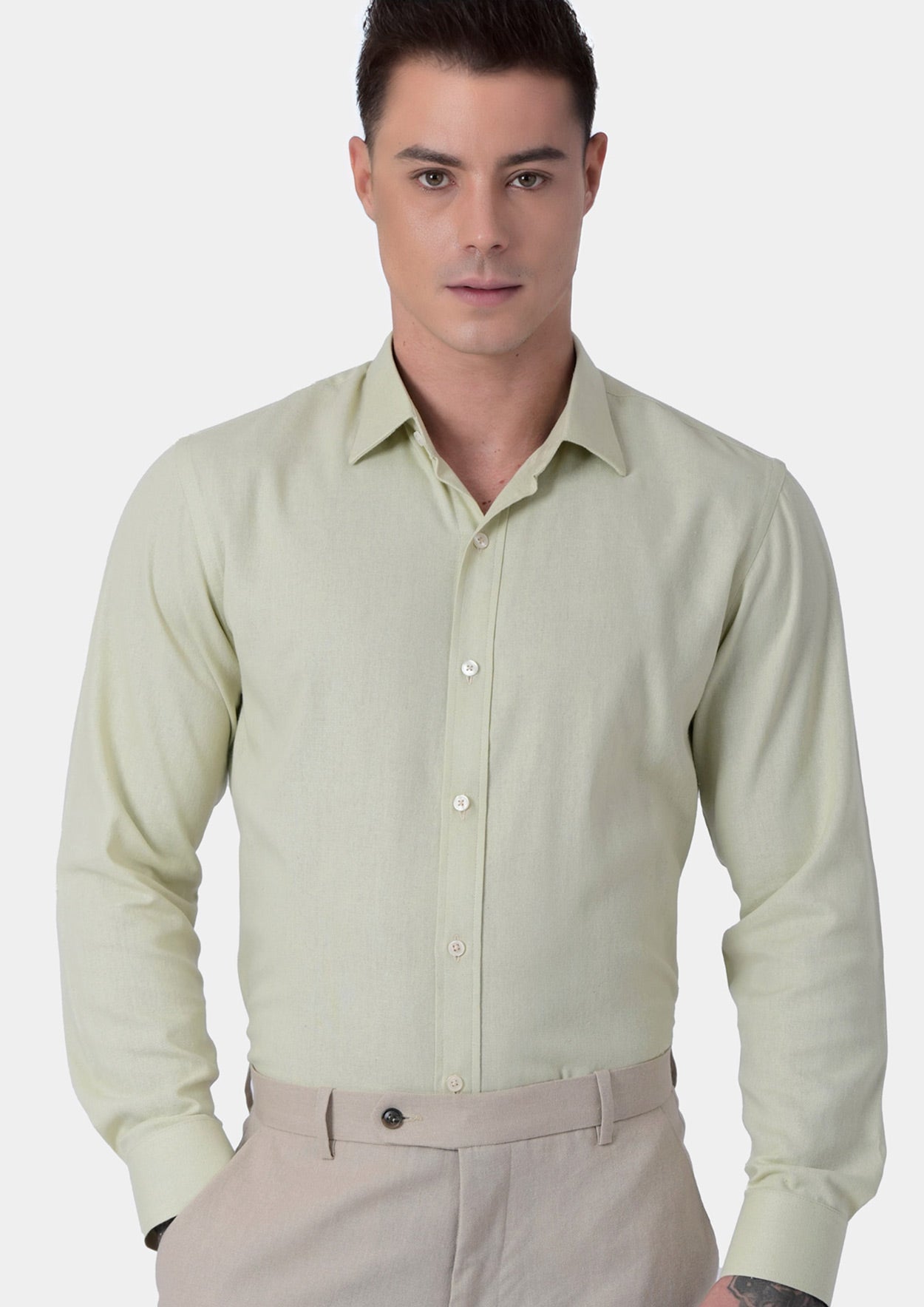
This is one reason linen can make understated clothing feel more expressive without looking loud. A simple shirt or pair of trousers in linen often has visual interest even before color or styling enters the picture.

Cotton appearance

Cotton usually looks:

  • Smoother
  • Cleaner and more even
  • More controlled
  • Easier to dress up or down depending on the garment

Cotton’s visual advantage is versatility. It can feel crisp or casual depending on how it is woven and finished, but it generally presents a tidier surface than linen.

Which fabric looks more refined?

That depends on what you mean by refined.

  • If refined means understated, natural, and quietly expressive, linen often feels more distinctive.
  • If refined means clean, smooth, and visually controlled, cotton often makes more sense.

For Sartoro’s brand context, this distinction matters because elegance is not always about looking rigid. Some of the most appealing clothing feels refined because it looks easy and intentional rather than overworked.

Which fabric wrinkles more, and does it matter?

Linen usually wrinkles more easily and more visibly than cotton. For some people, that is the biggest downside. For others, it is simply part of linen’s identity.

The key is to set expectations correctly.

Linen and wrinkles

Linen typically:

  • Creases faster
  • Shows movement and wear more clearly
  • Looks best when a little natural wrinkling is accepted

If you want clothing that stays visually controlled with less effort, linen may feel demanding.

Cotton and wrinkles

Cotton typically:

  • Wrinkles less obviously than linen
  • Feels easier to maintain visually
  • Suits people who want something simpler for regular wear

This does not mean cotton never wrinkles. It means that linen usually makes wrinkling a more visible part of the garment’s appearance.

Does wrinkling mean linen is worse?

Not necessarily. It means linen has a different wearing personality. If you value relaxed refinement, visible creasing may feel acceptable or even expected. If you want a cleaner, more managed look, cotton is usually the easier choice.

If you are specifically interested in why linen remains appealing despite those trade-offs, a relevant next step is why linen is popular in warm-weather tailoring.

Which fabric is easier to wear day to day?

For many people, cotton is easier to wear every day because it usually feels softer at first, looks tidier with less effort, and fits more naturally into all-purpose wardrobes.

Linen can still be easy to enjoy, but it is usually easier for people who already like:

  • Warm-weather dressing
  • Visible texture
  • A more relaxed finish
  • Clothing that feels a little less standardized

If your priority is low-friction wear, cotton often wins. If your priority is seasonal character, linen may still be worth the trade-off.

When does linen make more sense than cotton?

Choose linen when:

  • You dress for hot or humid weather regularly
  • You want a fabric that feels airy rather than plush
  • You like natural surface texture
  • You do not mind some visible wrinkling
  • You want clothing that feels relaxed but still refined
  • You want the fabric itself to bring visual character to the garment

Linen is often the better choice for

Hot-weather shirts

It feels airy, breathable, and seasonally right.

Summer trousers

It can offer a lighter, more relaxed alternative to denser fabrics.

Vacation or resort wear

It matches an easy, warm-climate wardrobe mood.

Relaxed tailoring

It brings texture and movement to softer seasonal dressing.

Clothing where fabric character matters

It adds visual depth without needing much embellishment.

Linen makes the most sense when you are not just choosing a fabric, but choosing a feeling: breathable, easy, and naturally expressive.

If you already lean toward linen and want a more practical garment-level framework, you can continue to how to choose linen fabric for clothing.

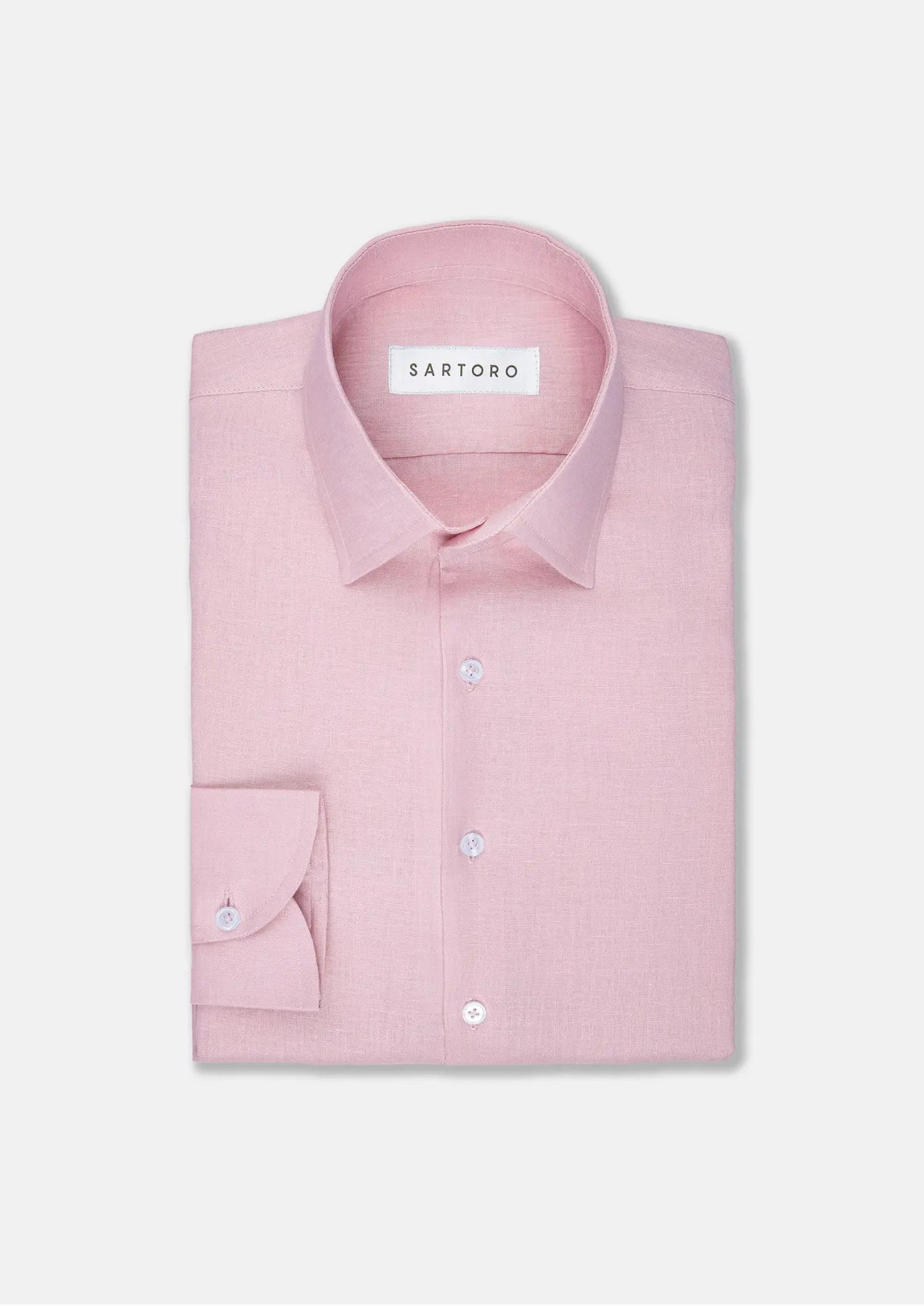
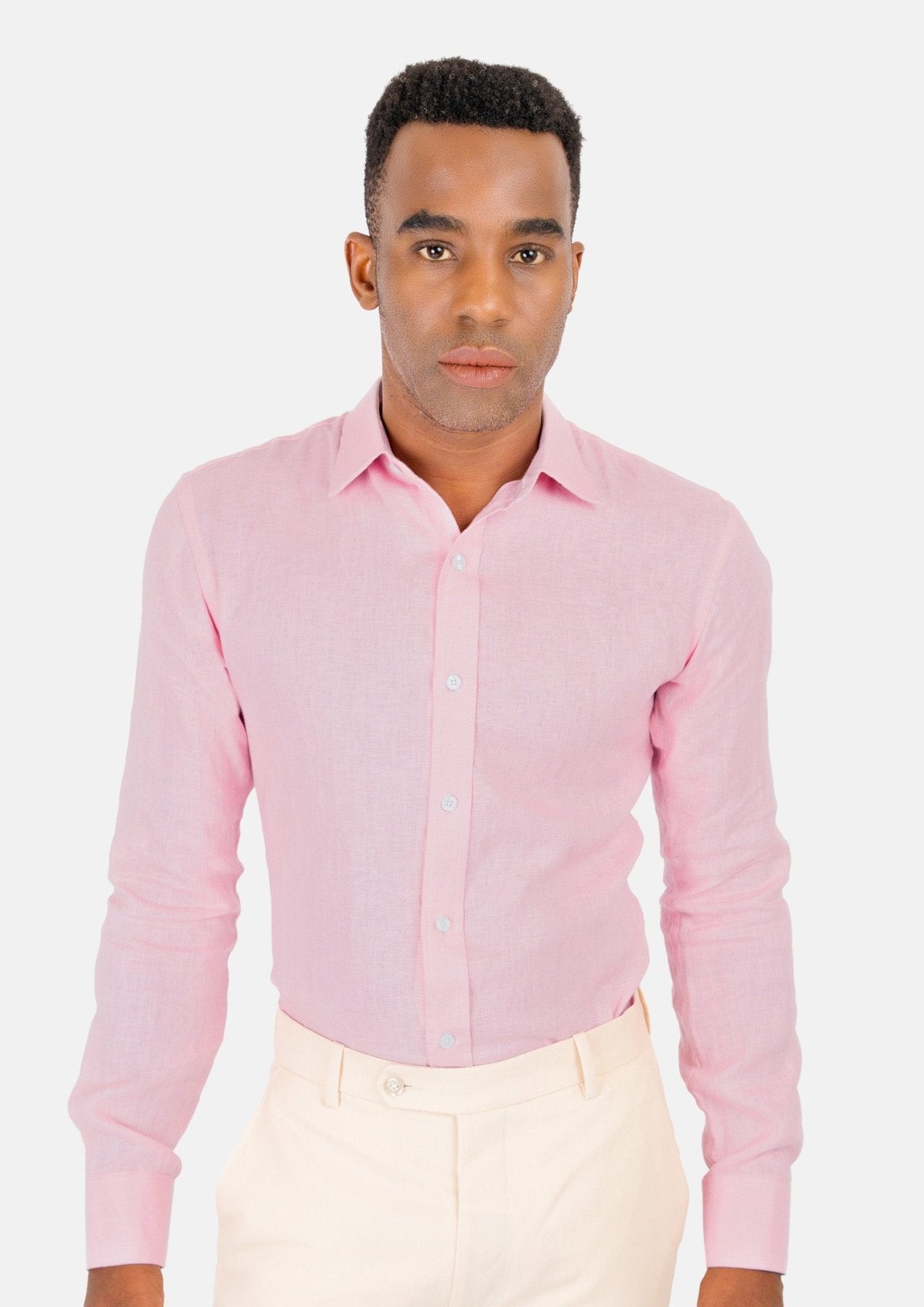
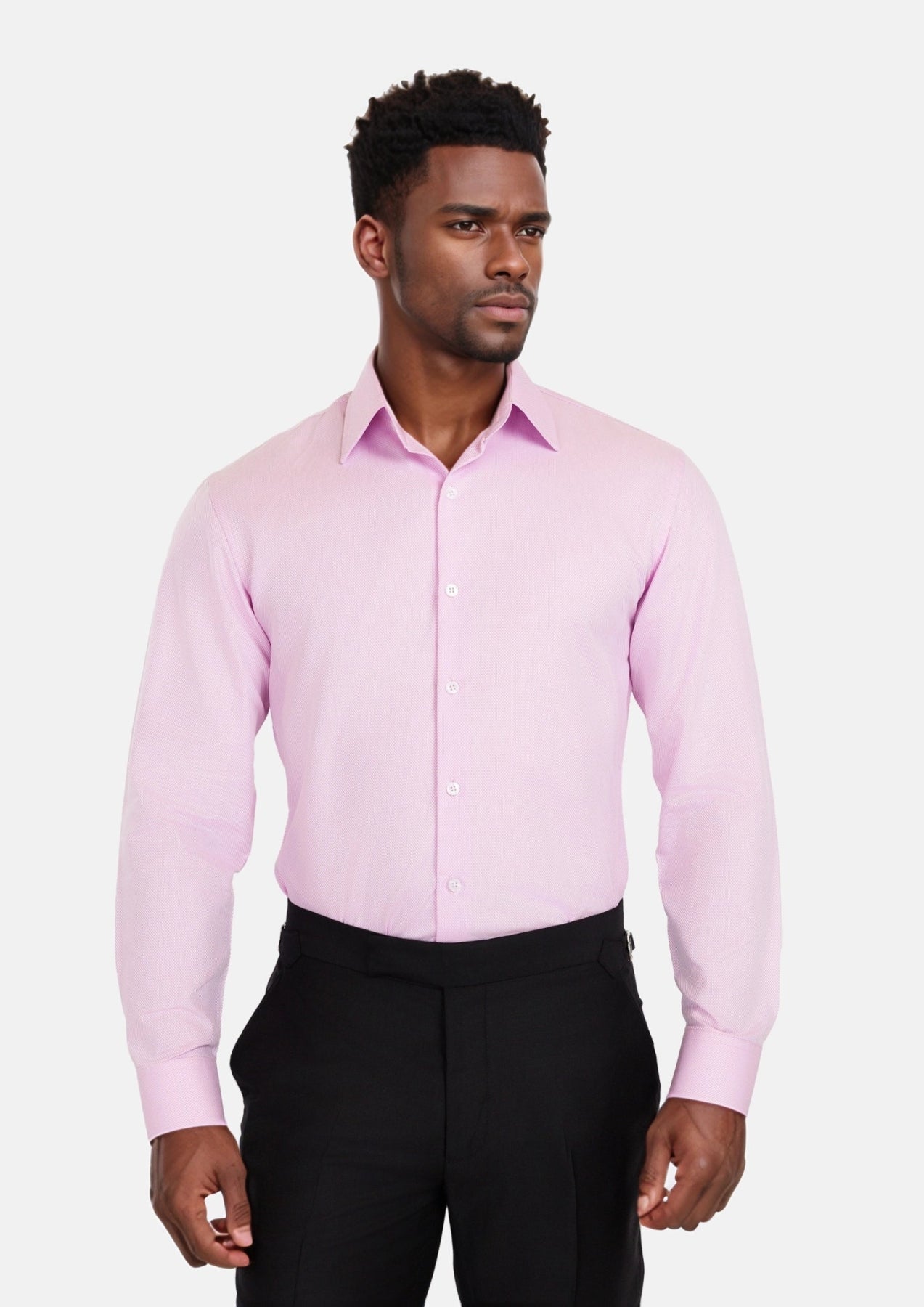
Amaranth Pink Linen Shirt706 Amaranth Pink Linen Shirt280
Linen
Pure linen - lightweight, breathable, summer-ready.
$140
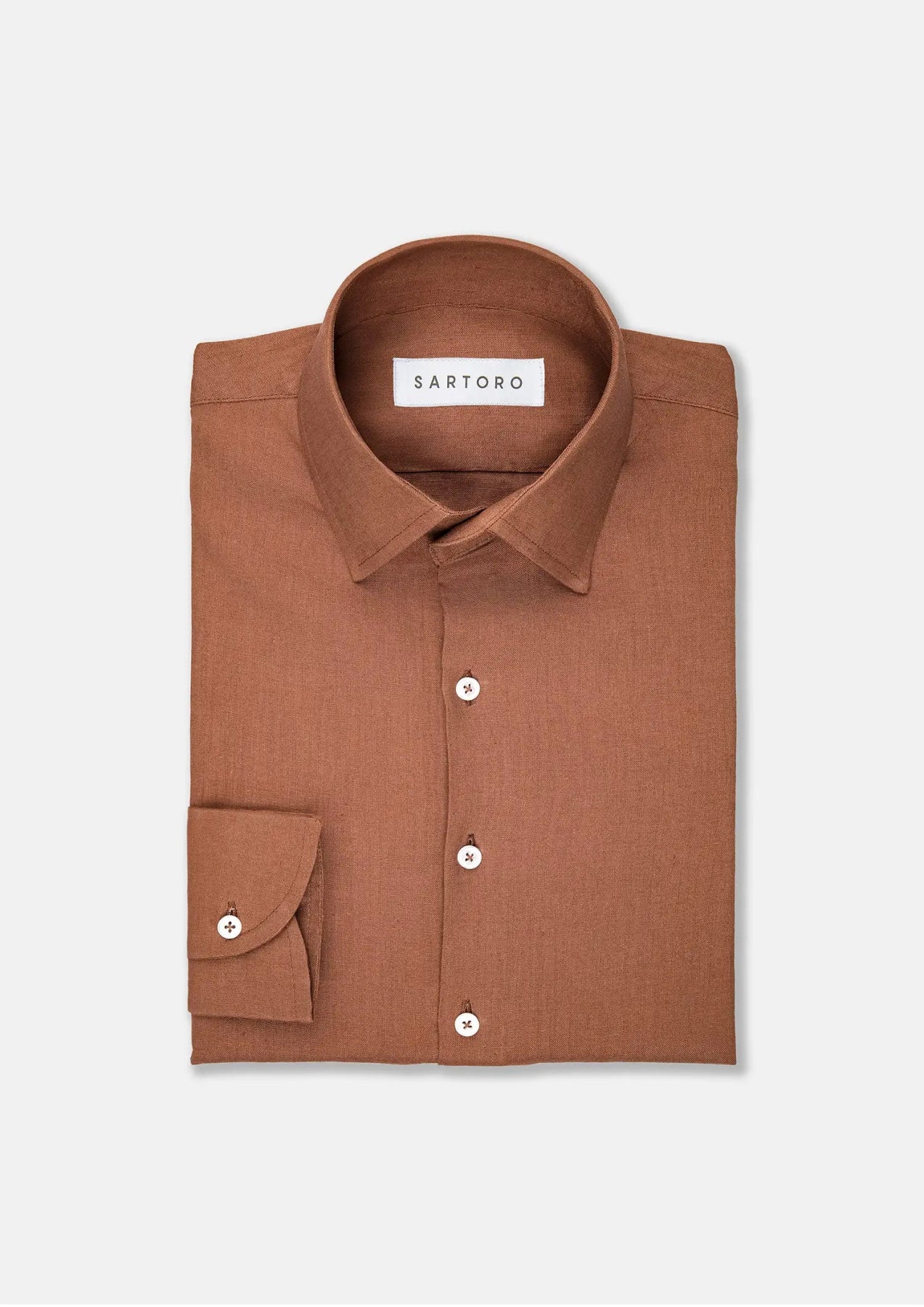
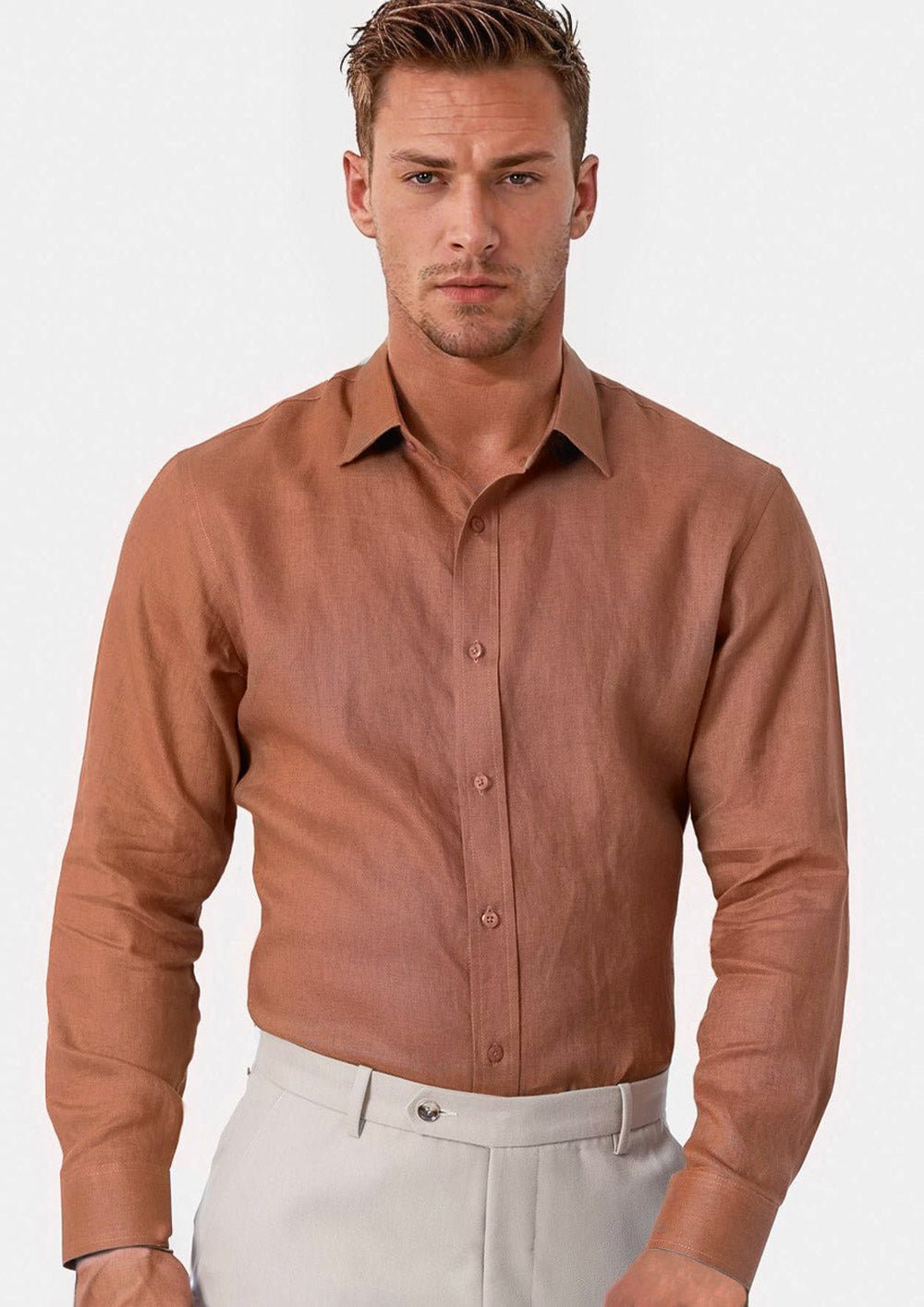
Amber Brown Linen Shirt654 Amber Brown Linen Shirt215
Linen
Pure linen - lightweight, breathable, summer-ready.
$140
Atlantis Linen Shirt271 Atlantis Linen Shirt820
Linen
Linen-cotton blend for slight wrinkle resistance.
$120
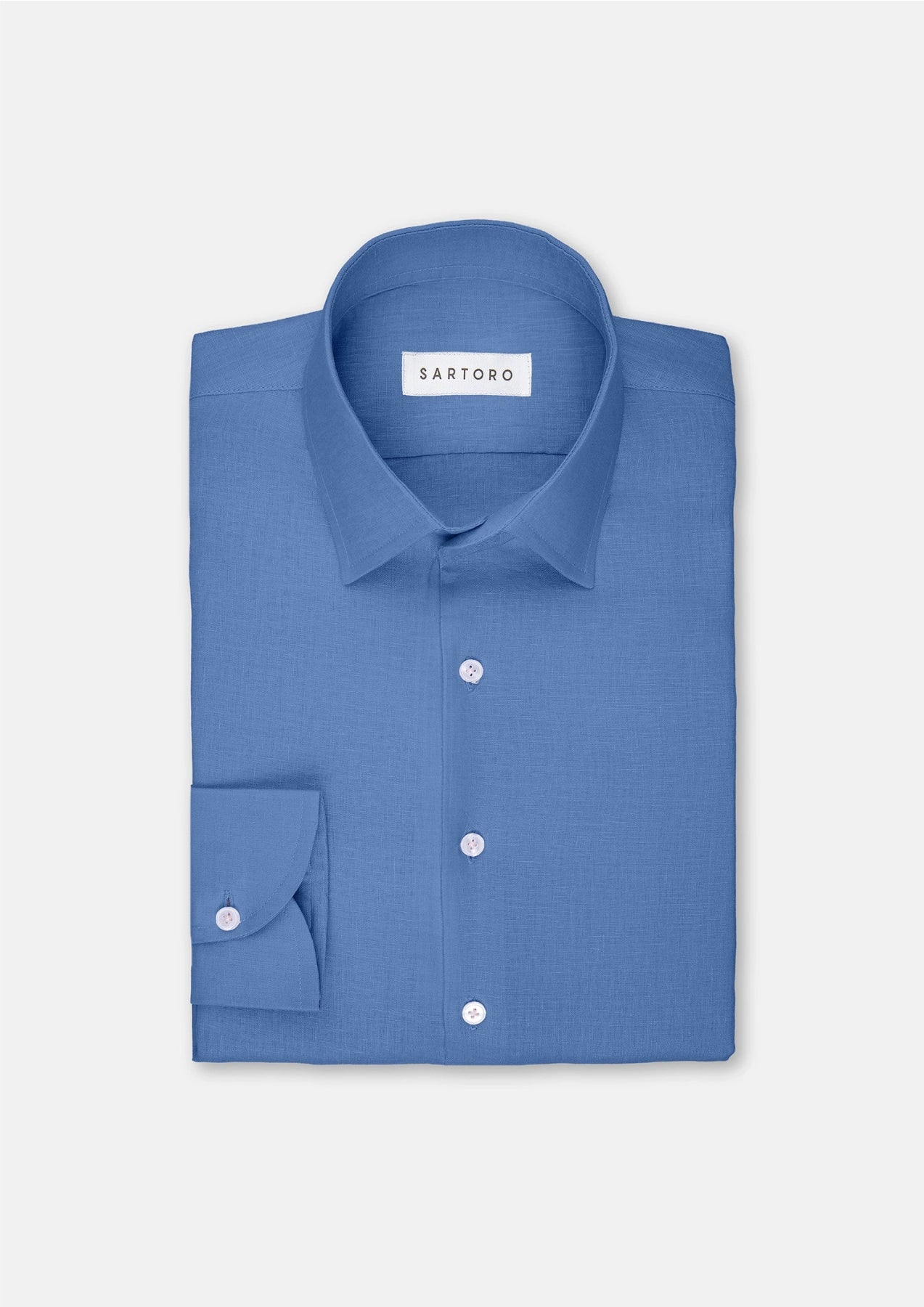
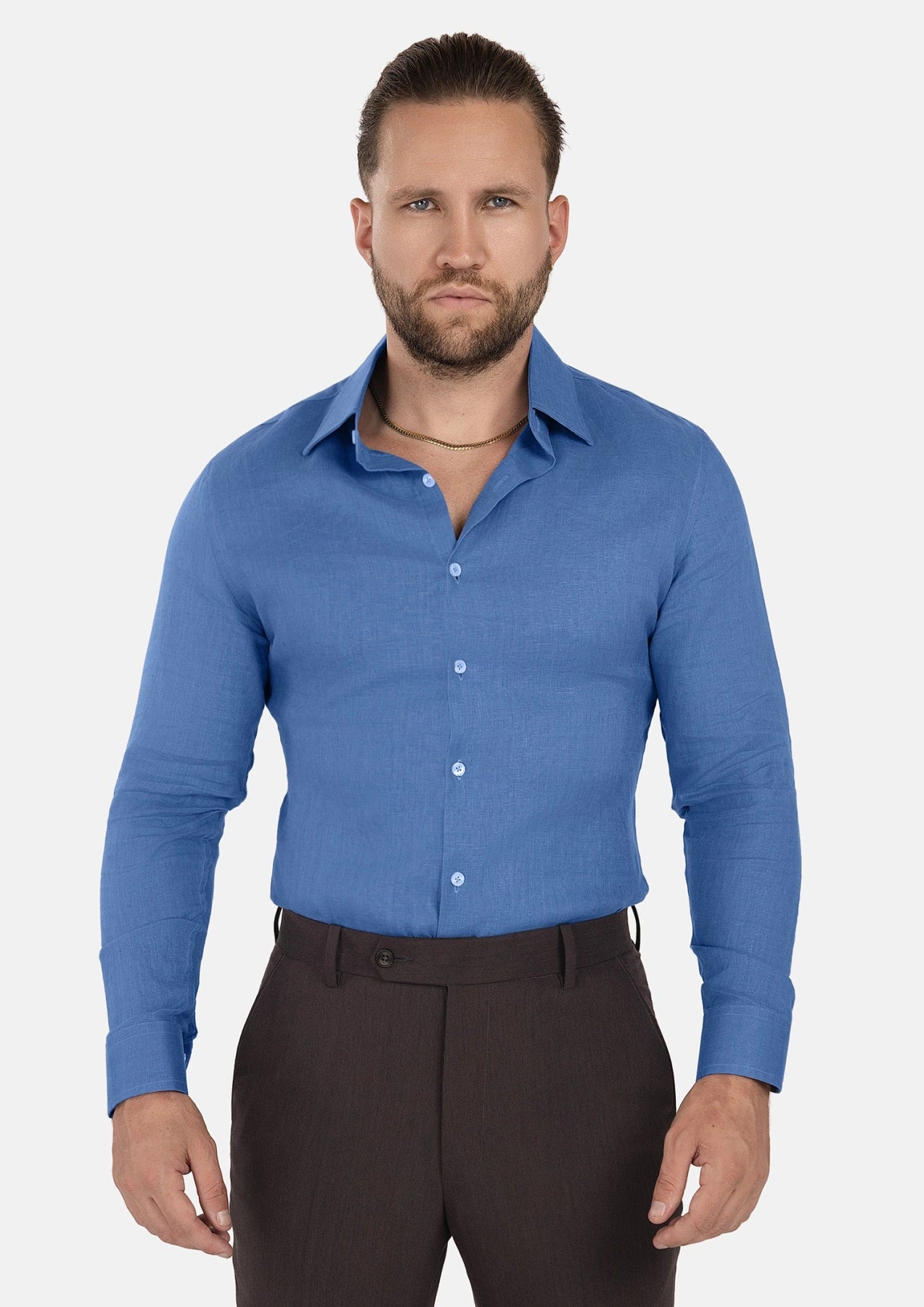
Blue Linen Shirt774 Blue Linen Shirt698
Linen
Pure linen - lightweight, breathable, summer-ready.
$140
Capri Blue Linen Shirt276 Capri Blue Linen Shirt925
Linen
Linen-cotton blend for slight wrinkle resistance.
$120

When does cotton make more sense than linen?

Choose cotton when:

  • You want a softer and smoother fabric feel
  • You prefer a cleaner, less rumpled appearance
  • You need clothing that works across more situations
  • You want something easier for regular wear
  • You like breathable fabrics but do not want linen’s pronounced texture
  • You want lower-maintenance versatility

Cotton is often the better choice for

Everyday shirts

Soft, familiar, and easy to wear often.

Casual basics

It works well when comfort and simplicity come first.

Clothing needing a cleaner finish

It usually looks more even and controlled.

People new to natural-fiber comparisons

It can be an easier starting point if linen feels too characterful.

Wardrobes needing all-purpose flexibility

It transitions more easily across daily situations.

Cotton makes more sense when the wearer wants reliability and ease more than texture and seasonal personality.

If cotton feels like the better direction, but you still want comfort-oriented tailoring context, a cautious related Sartoro destination is stretch cottons.

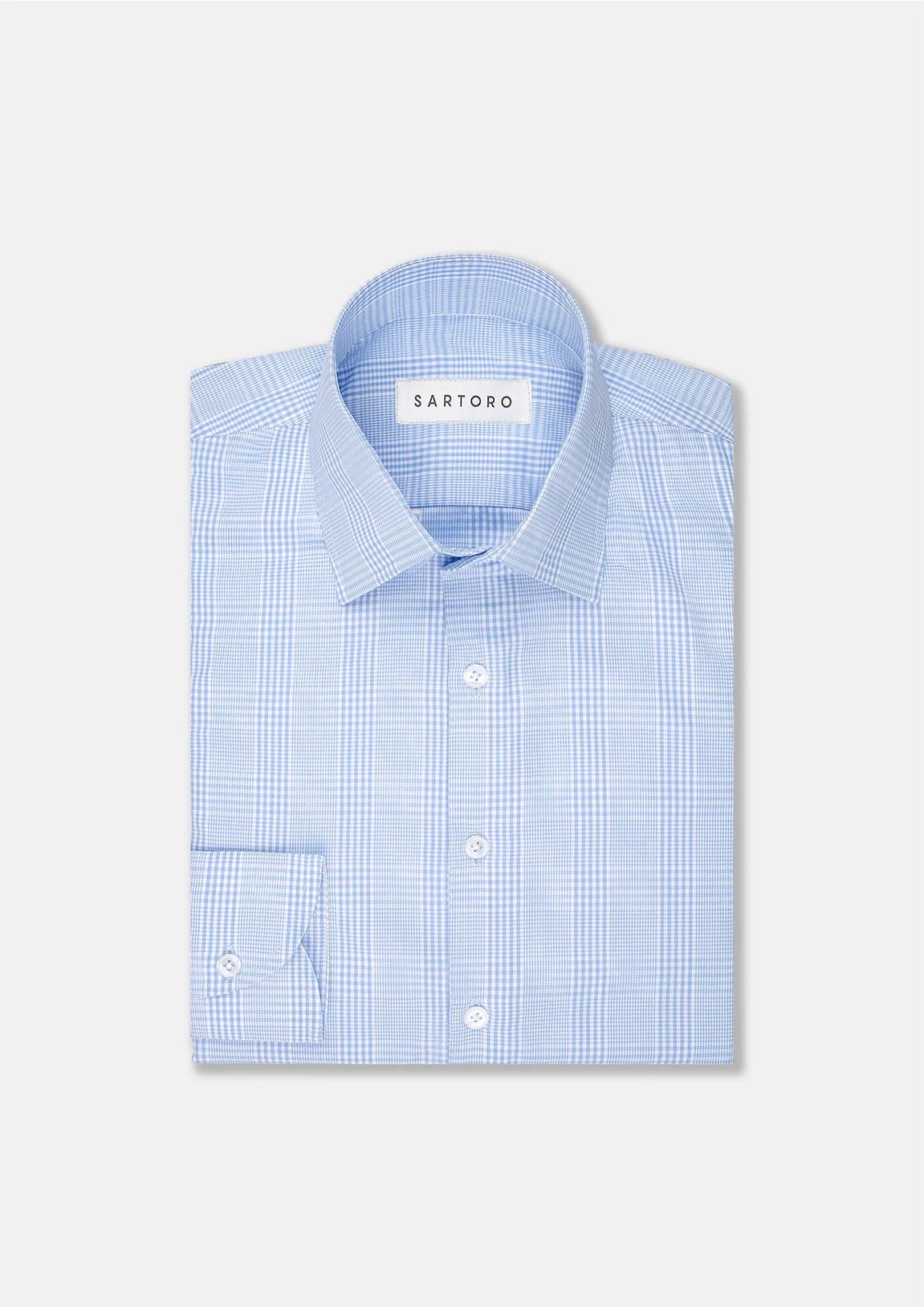
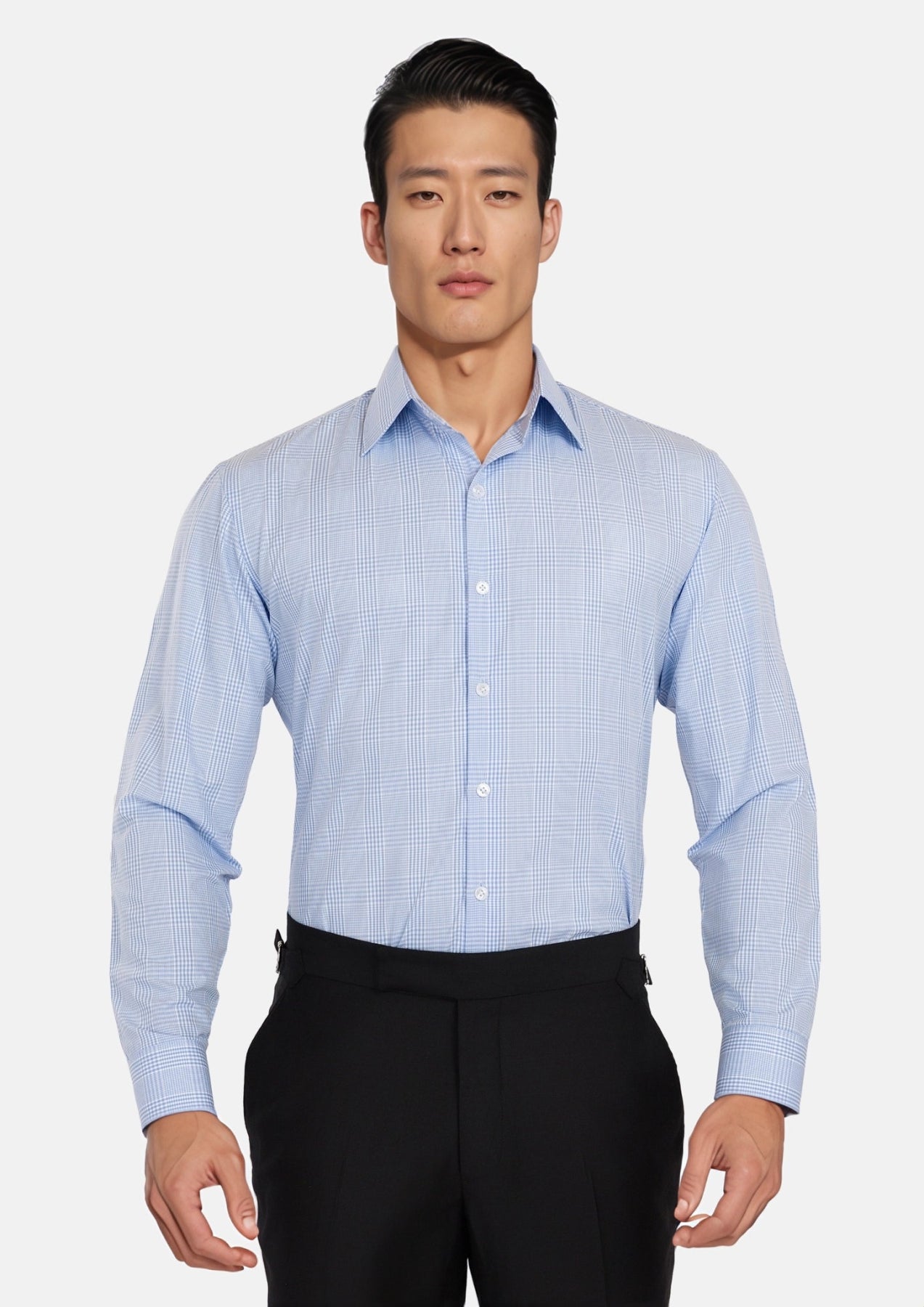
Air Blue Glen Check Shirt120 Air Blue Glen Check Shirt447
Wrinkle-free style with next-level comfort.
$125
Air Blue Microcheck Shirt266 Air Blue Microcheck Shirt724
Wrinkle-free style with next-level comfort.
$125
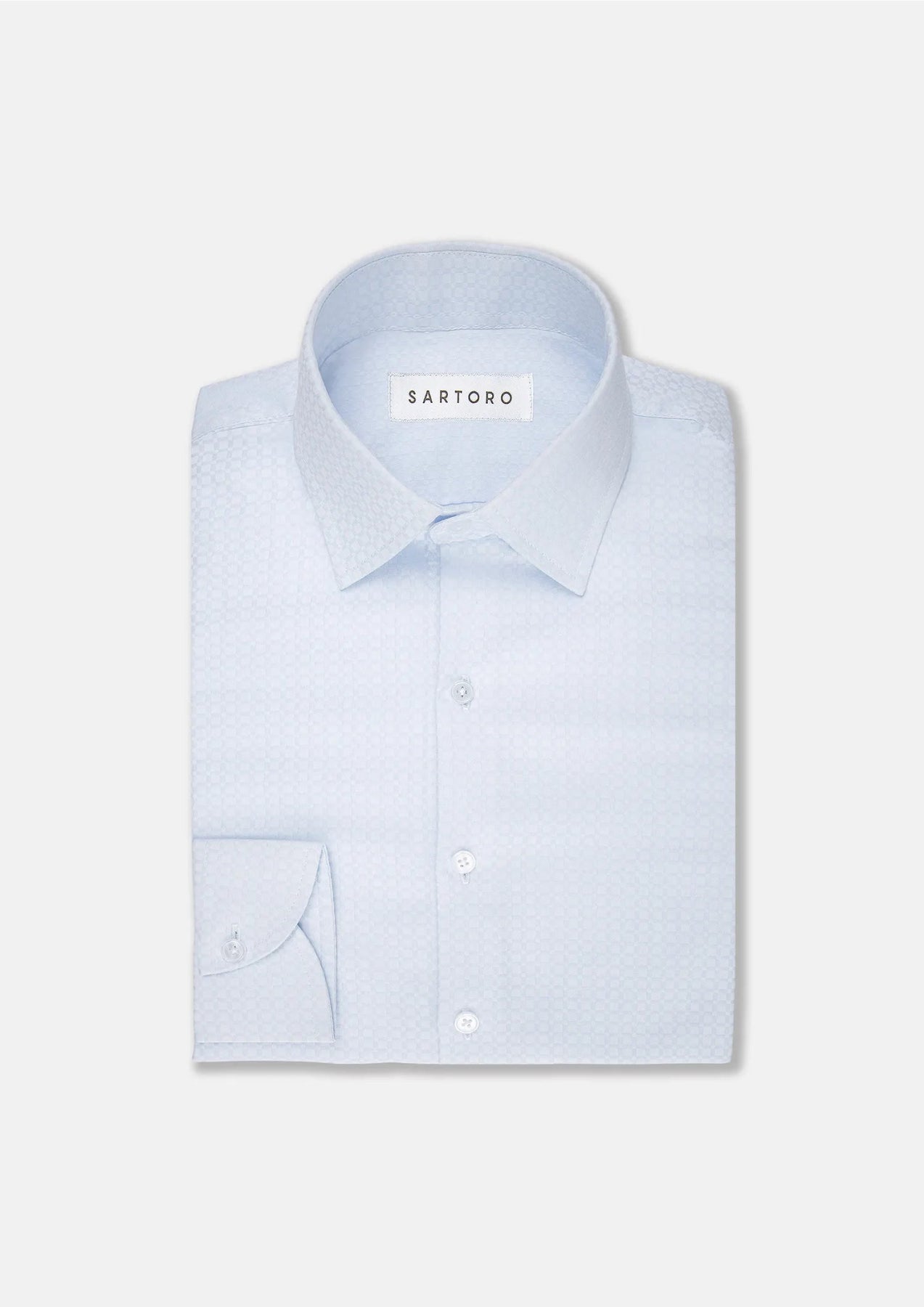
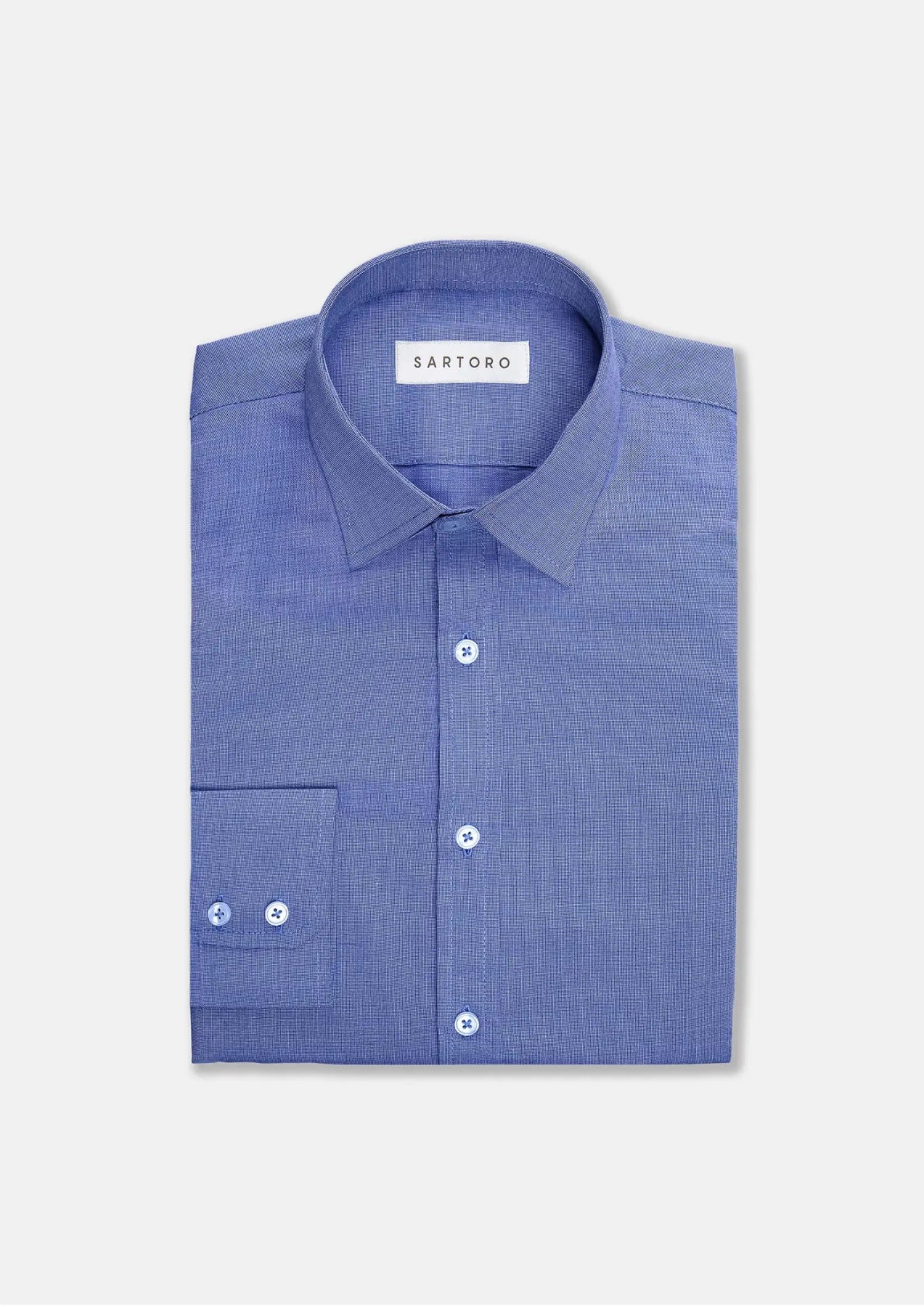
Blue Egyptian Cotton Shirt890 Blue Egyptian Cotton Shirt32
Premium, lightweight & comfortable classic cotton.
$120
Blue Pinpoint Oxford Shirt789 Blue Pinpoint Oxford Shirt924
Sold Out
Premium, lightweight & comfortable classic cotton.
$120
Blush Rose Micro Dot Shirt582 Blush Rose Micro Dot Shirt799
Wrinkle-free style with next-level comfort.
$125

Is linen or cotton better for specific clothing scenarios?

Rather than asking which fabric is better in general, it is often more useful to ask which one is better for the situation.

Choose linen for these situations

  • Very hot weather where airy feel matters most
  • Relaxed summer elegance where texture and movement improve the look
  • Clothing where visible character matters more than perfectly tidy finish

Choose cotton for these situations

  • Everyday low-maintenance wear
  • Soft casual comfort
  • Clothing where wrinkles bother you
  • Transitional, all-purpose use across more settings

This is where the comparison becomes most useful: not in abstract fabric theory, but in choosing which option better fits the situation in front of you.

The goal is not to crown one fabric as universally better, but to match the material to the outcome you actually want.

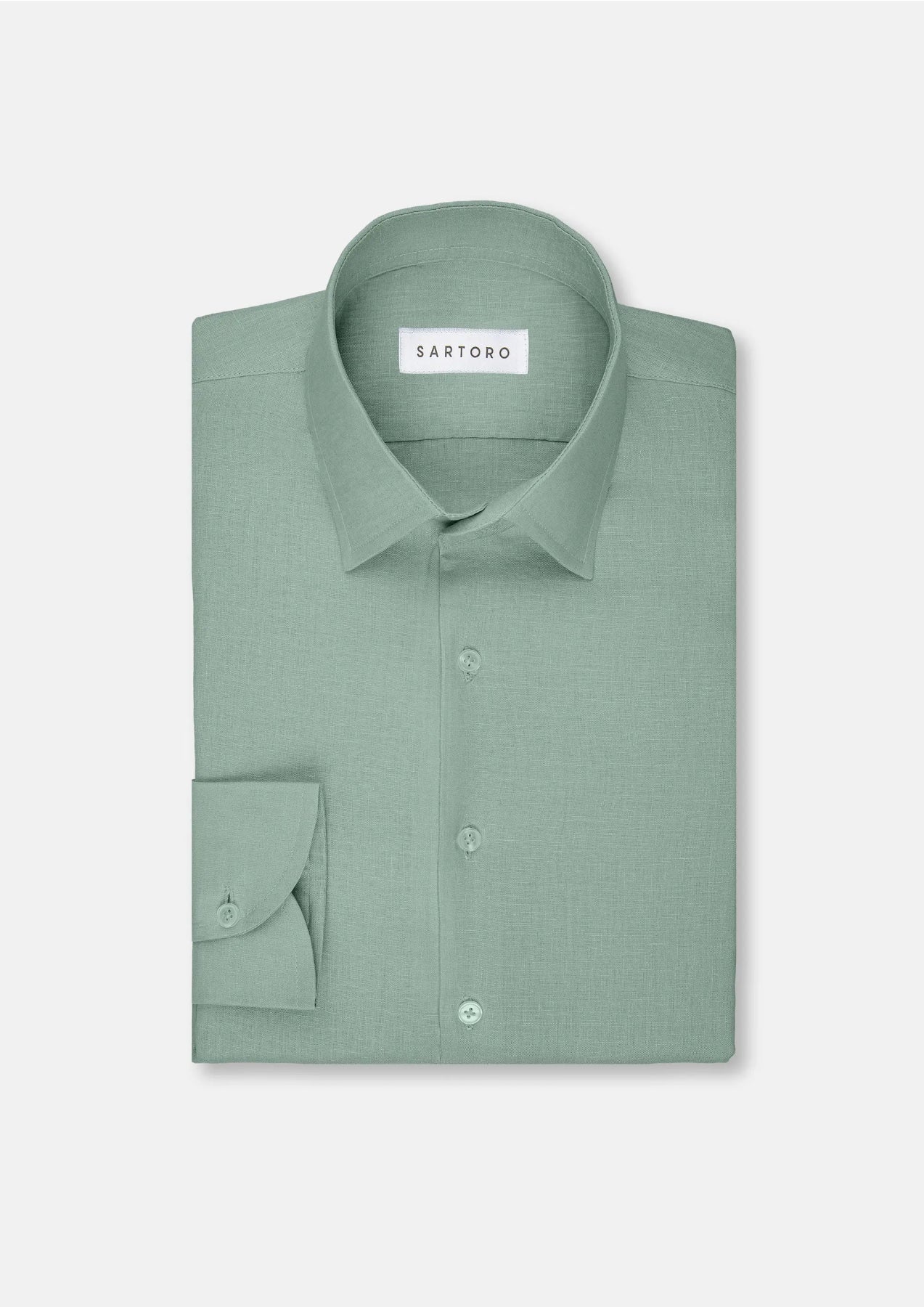
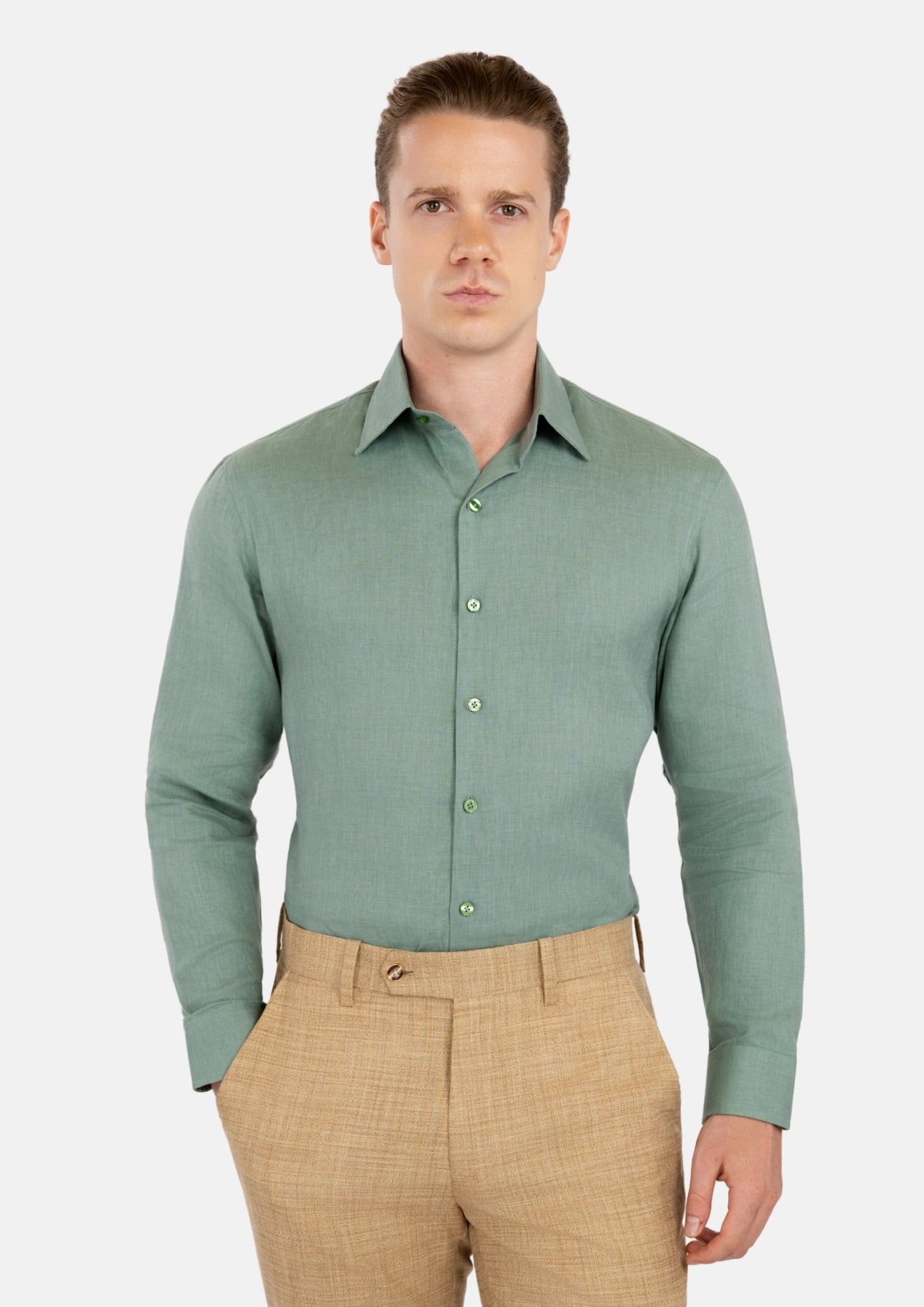
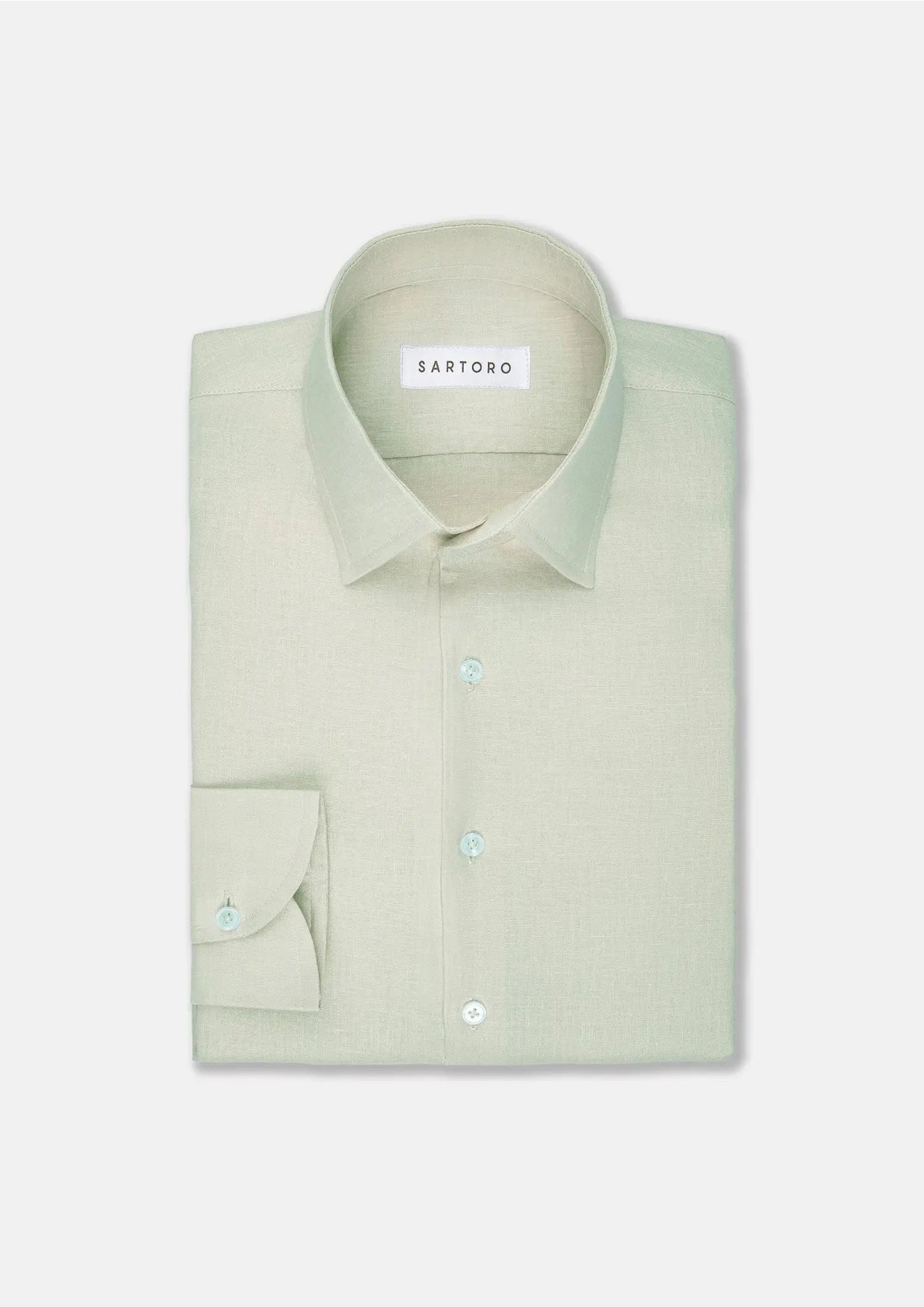
Jade Green Linen Shirt383 Jade Green Linen Shirt13
Linen
Pure linen - lightweight, breathable, summer-ready.
$140
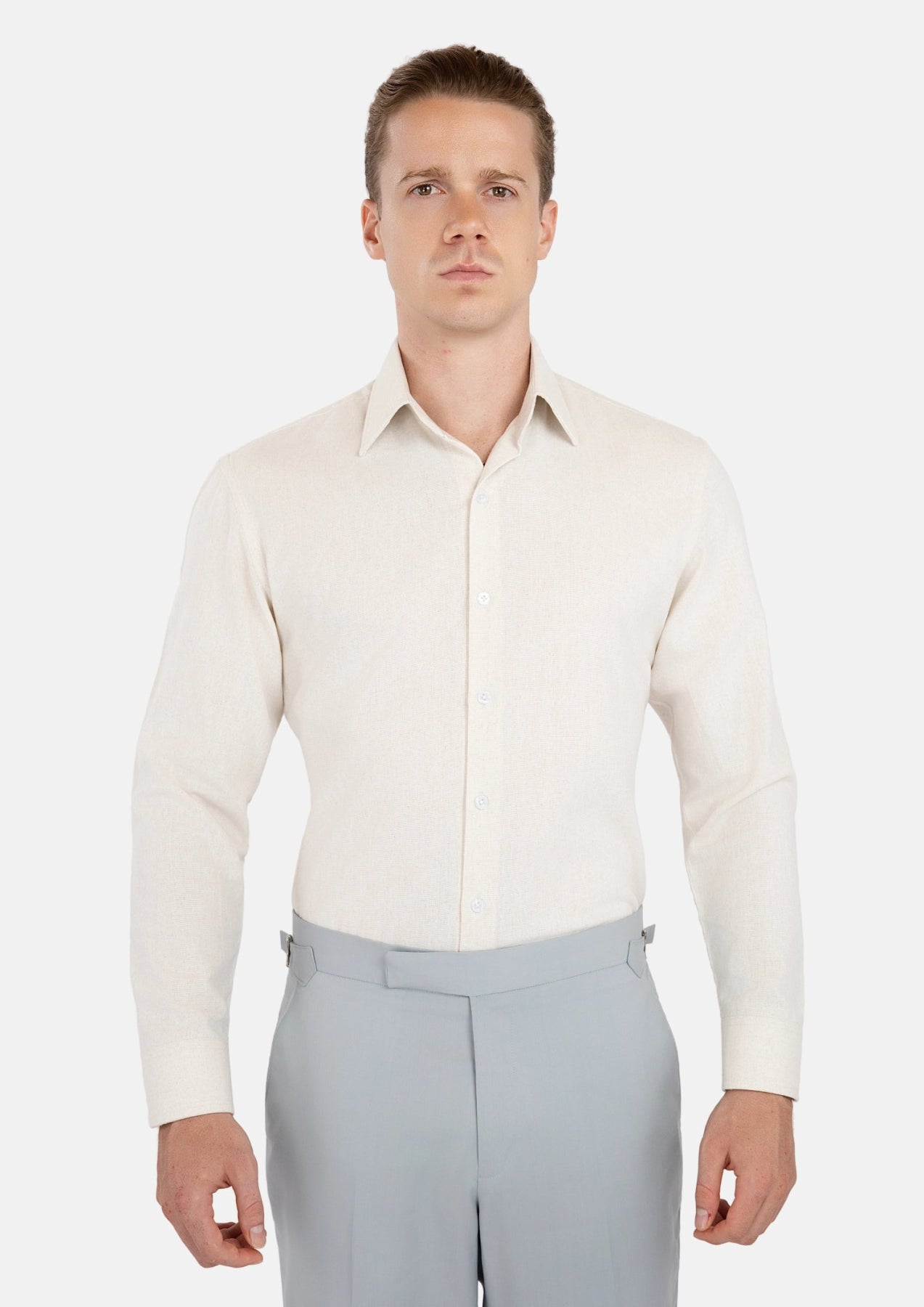
Sand Linen Blend Shirt13 Sand Linen Blend Shirt27
Linen-cotton blend for slight wrinkle resistance.
$120
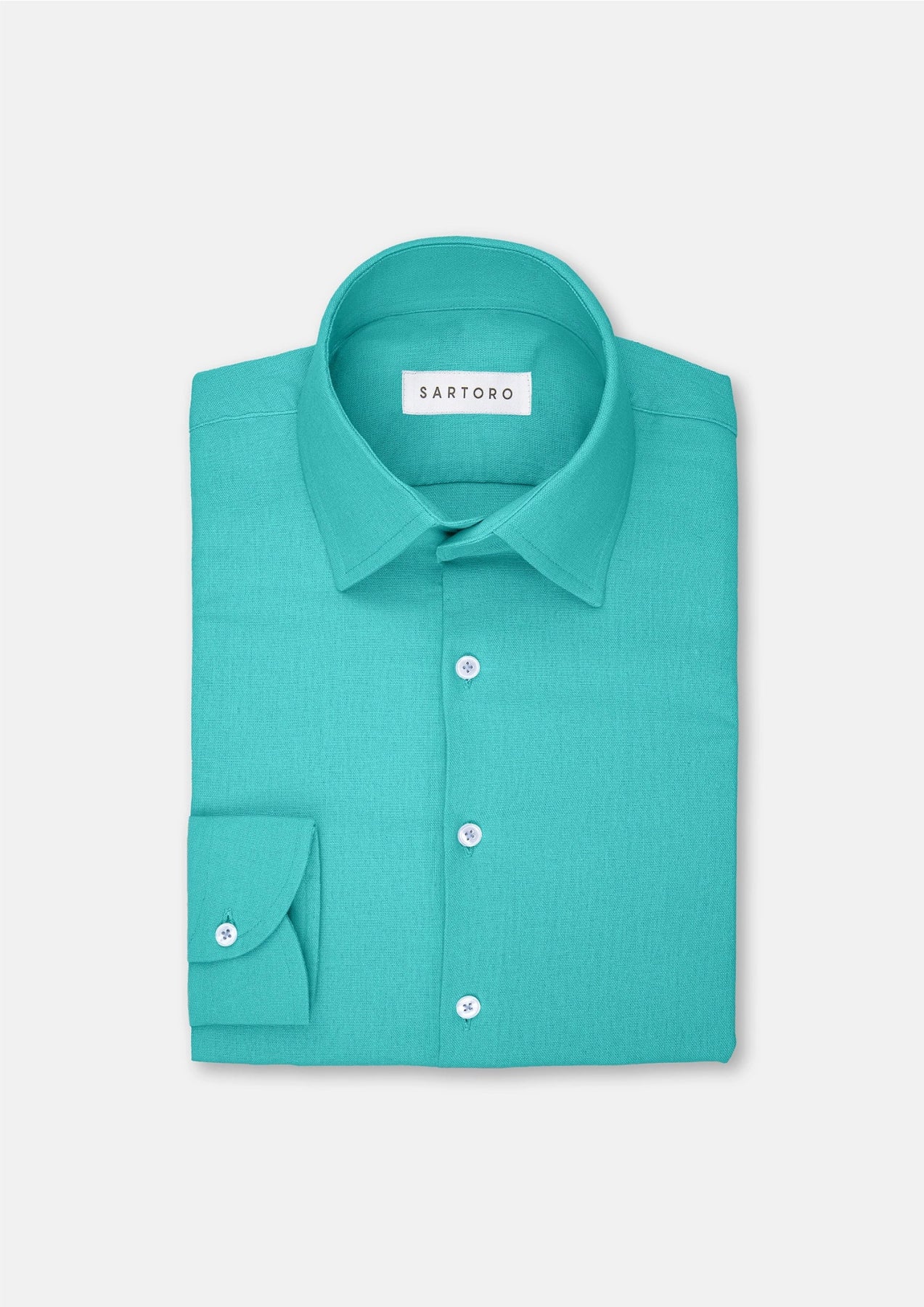
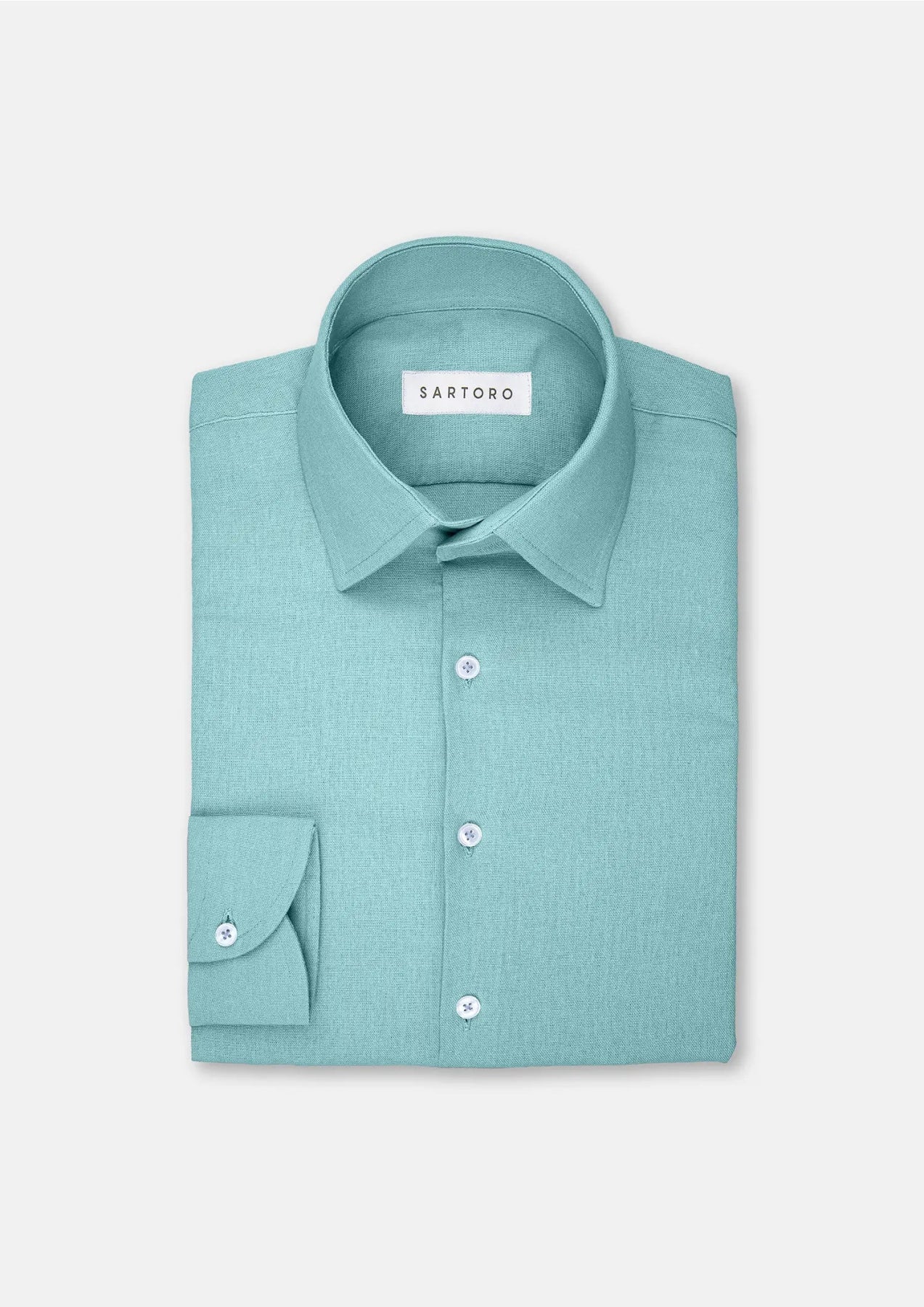
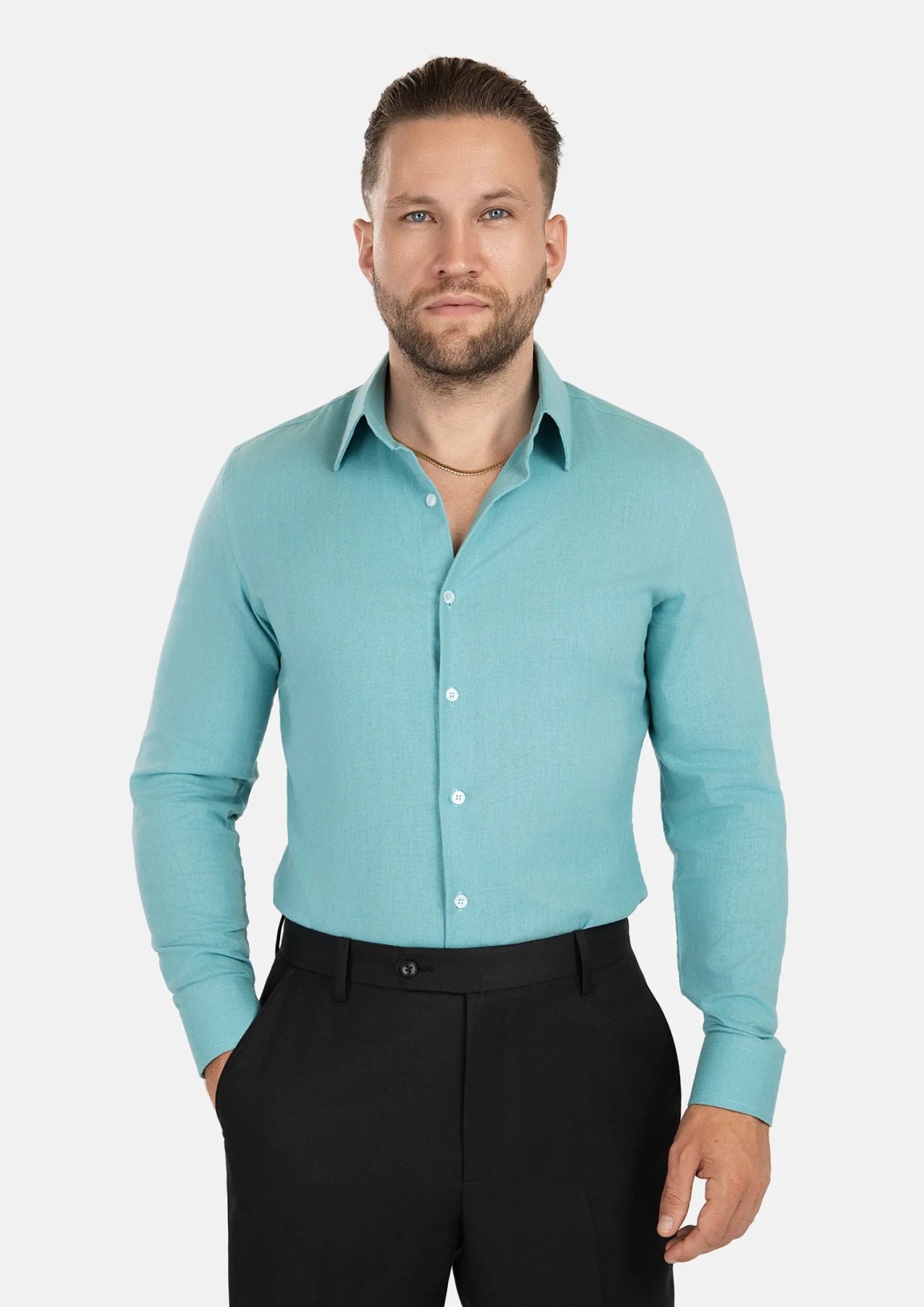
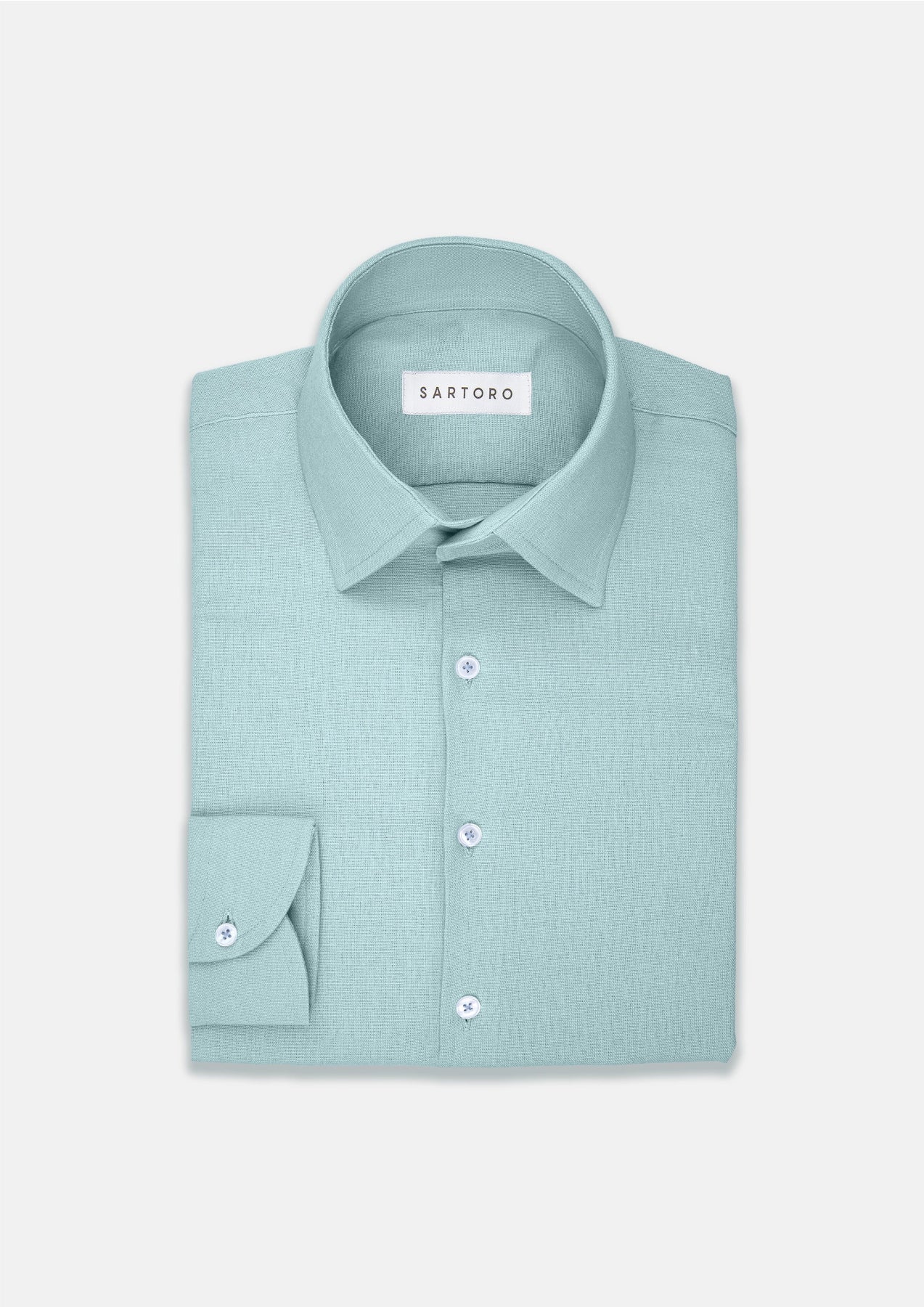
Light Teal Linen Shirt57 Light Teal Linen Shirt461
Linen-cotton blend for slight wrinkle resistance.
$120
Olive Linen Blend Shirt712 Olive Linen Blend Shirt838
Linen
Linen-cotton blend for slight wrinkle resistance.
$120

So, which is better for clothing: linen or cotton?

Neither is universally better for clothing. Linen is often better for breathability, texture, and warm-weather character, while cotton is often better for softness, versatility, and easy everyday wear.
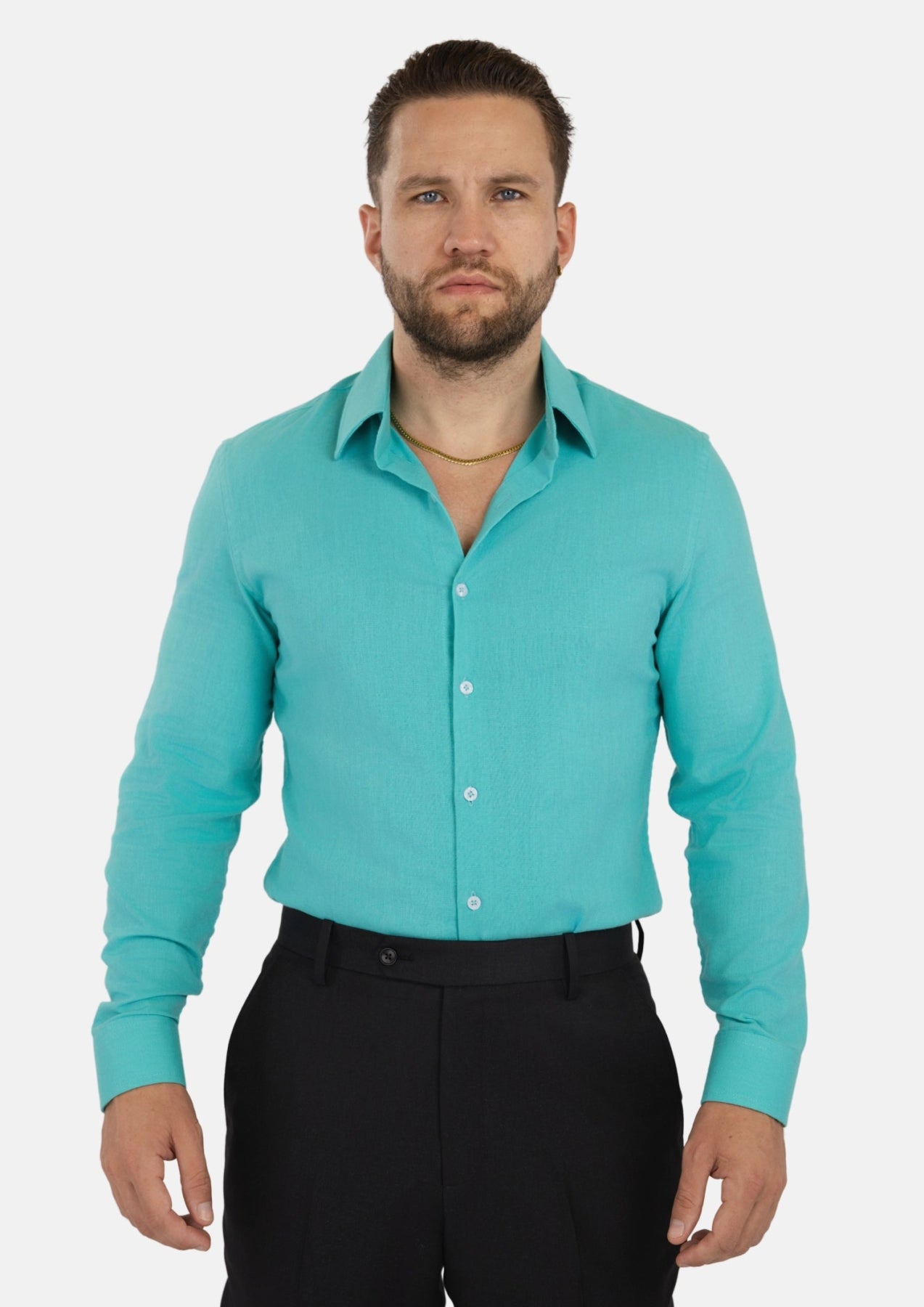
If you want a concise answer:

  • Choose linen for airy comfort, visible texture, and relaxed refinement
  • Choose cotton for softness, smoother appearance, and easier daily use

In most cases, the better fabric is the one that matches your expectations. People who expect linen to behave like cotton often end up frustrated. People who want linen’s character but choose cotton may feel the result is too plain. The right decision depends less on which fiber sounds better and more on which wearing experience you actually want.

FAQ

Is linen cooler than cotton for clothing?

Linen is often perceived as cooler-feeling in warm weather because it usually feels airier and more breathable. Cotton can still be comfortable, but it usually creates a different wear experience.

Is cotton softer than linen?

In many cases, yes. Cotton usually feels softer and smoother, especially on first wear, while linen tends to feel drier and more textured.

Does linen always wrinkle more than cotton?

Generally, linen wrinkles more visibly than cotton. Exact wrinkle behavior still depends on fabric weight, weave, and garment construction.

Is linen better than cotton for summer?

Often, yes, if your priority is airflow, breathability, and a distinctly warm-weather feel. Cotton may still be better if you want softness and easier wear.

Which is better for shirts: linen or cotton?

It depends on the result you want. Linen is often better for airy summer shirts, while cotton is often better for softer, all-purpose shirts.

Which is better for everyday clothing?

For many people, cotton is easier for everyday clothing because it is usually softer, smoother, and lower-friction to wear regularly.

Should I choose linen or cotton if I dislike wrinkles?

Cotton is usually the safer choice if visible wrinkles bother you.

Your cart is empty
Looking for ideas?
We'll send measurement instructions
to you. Or create your fit profile now.
    Secured checkout through Shopify with: