Linen Blends Explained: When a Linen Blend Is Better Than 100% Linen

Contents

In most cases, a linen blend is better than 100% linen when you want some linen character with a softer feel, easier wear, and a more balanced everyday result. Pure linen is often the better choice when you want the most distinctive linen texture, the driest hand feel, and the clearest warm-weather identity. The right option depends less on fiber purity and more on how you want the clothing to behave in real use.

If you are deciding between 100% linen and a linen blend, the better option depends less on fiber purity and more on how you want the clothing to feel and wear.

Key takeaways

  • Choose 100% linen when you want maximum texture, classic linen character, and a more breathable-feeling warm-weather fabric.
  • Choose a linen blend when you want a softer hand feel, a smoother finish, or easier everyday wear.
  • Linen blends are not automatically worse than pure linen; in many cases, they are simply more practical for the garment and the wearer.
  • The most useful decision points are feel, wrinkle behavior, drape, ease of wear, and intended use.
  • A good rule of thumb is: choose pure linen for character; choose a blend for balance.
  • For clothing, the best fabric is usually the one that fits the garment’s purpose rather than the one with the “purest” label.

Linen blends vs 100% linen at a glance

If you want the shortest practical distinction, think of it this way:

100% linen is usually better when you want:

  • a drier and more textured hand feel
  • stronger linen identity
  • more visible warm-weather character
  • the classic linen look, even with more creasing

A linen blend is usually better when you want:

  • softness from the start
  • easier everyday wear
  • a smoother or more balanced feel
  • some linen character without the full trade-off profile

The real question is not which label sounds better. It is which wearing experience fits the garment and the wearer.

What is a linen blend?

A linen blend is a fabric that combines linen with another fiber rather than using linen alone.

For most people, the exact fiber breakdown matters less than the practical outcome. What usually matters is simple: does a linen blend still feel like linen, and when is it the smarter choice?

In clothing, linen is often blended to make the fabric feel:

  • Softer
  • Smoother
  • Easier to wear
  • A little less rigid in personality

That does not mean every blend behaves the same way. It means blends often exist to soften or balance some of linen’s more distinctive traits.

Why would someone choose a linen blend instead of pure linen?

Most people do not choose a blend because they dislike linen. They choose it because they want some linen appeal without taking on the full weight of linen’s trade-offs.

Common reasons to choose a linen blend

1. A softer feel

Pure linen can feel dry, crisp, or highly textured. A blend often feels gentler from the start.

2. Easier day-to-day wear

Some people like the idea of linen more than the reality of visible wrinkling and a more relaxed finish. A blend can feel simpler to live with.

3. More balanced drape

Depending on the fabric, a blend can feel less sharp in texture and more fluid or controlled in how it falls.

4. A gentler introduction to linen

If someone is unsure whether they enjoy linen’s personality, a blend can be an easier entry point.

In most cases, the appeal of a linen blend is not that it outperforms pure linen in every way. It is that it creates a more balanced wearing experience.

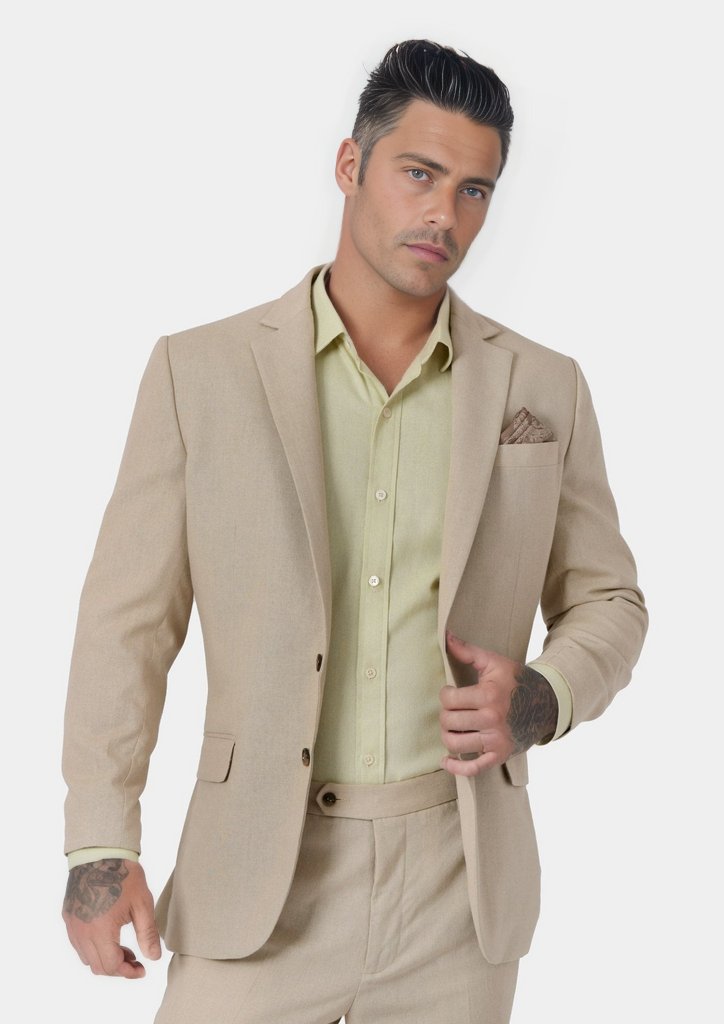
Astor Simply Taupe Linen Jacket - SARTORO257
Astor Simply Taupe Linen Jacket - SARTORO103
Astor Simply Taupe Linen Jacket - SARTORO564

Simply Taupe Linen Jacket

Products in the outfit

How does 100% linen feel compared with a linen blend?

100% linen feel

100% linen often feels:

  • Drier in hand
  • More textured
  • More visibly natural
  • More distinctly seasonal

This is what many people are looking for when they specifically want linen. It has a clearer fabric identity and often feels more characterful on the body.

Linen blend feel

A linen blend often feels:

  • Softer
  • Smoother
  • Less demanding
  • Easier for regular wear

The fabric may still carry some linen texture and breathability, but usually in a less pronounced way.

Which feels better?

That depends on what you want.

  • If you want classic linen character, 100% linen often feels better.
  • If you want comfort plus ease, a linen blend often feels better.

The better choice is not the more prestigious-sounding one. It is the one that fits how you actually dress.

Do linen blends wrinkle less than 100% linen?

In many cases, yes, linen blends are easier-looking than 100% linen, especially in everyday wear. Pure linen usually shows creasing more visibly, which is part of its natural identity.

That does not mean a blend never wrinkles. It means the overall effect is often less intense and easier for some people to manage.

A useful way to think about it is this:

  • Choose 100% linen if you accept visible texture and creasing as part of the look
  • Choose a linen blend if you want a more forgiving version of linen for regular wear
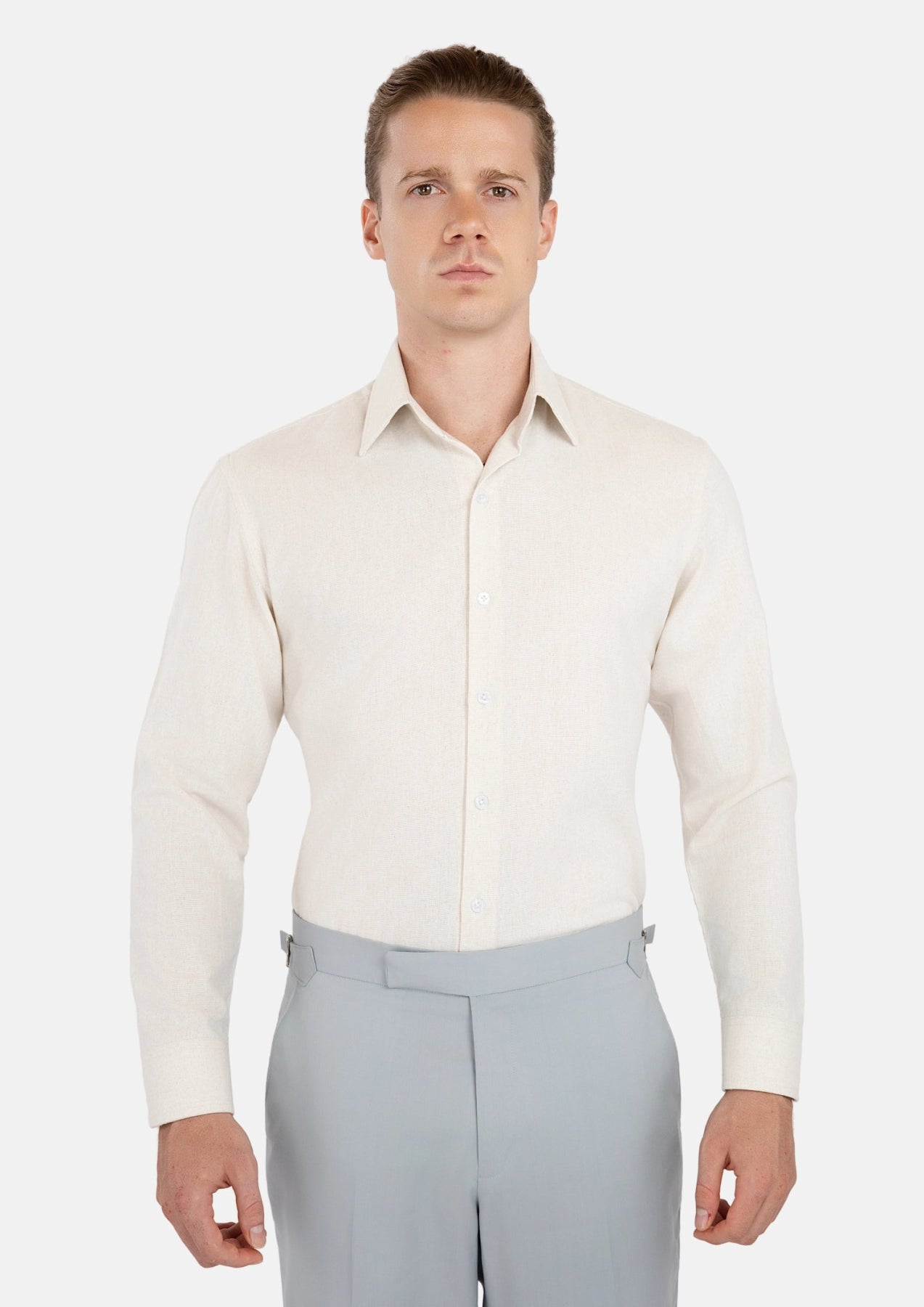
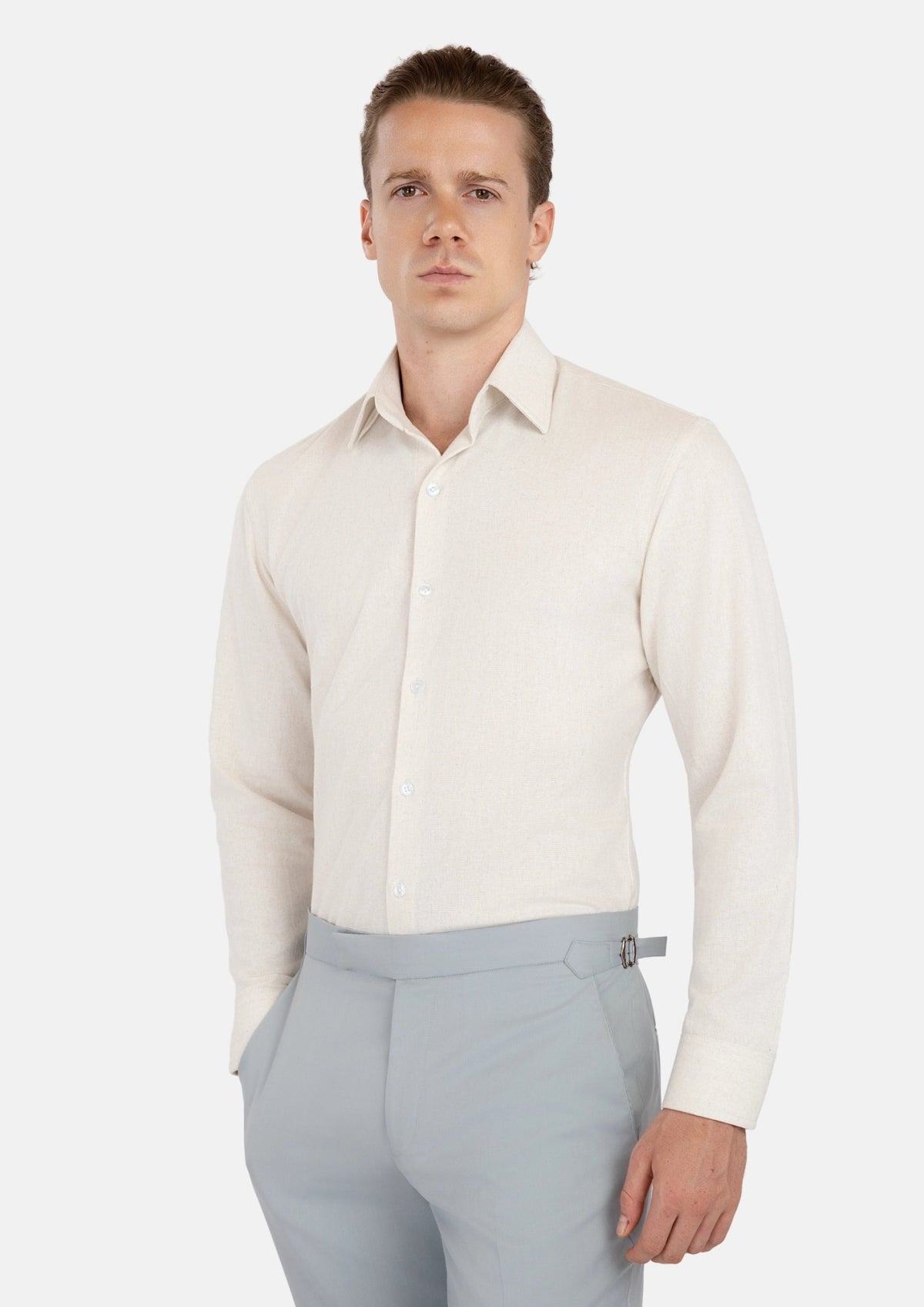
Sand Linen Blend Shirt - SARTORO160
Sand Linen Shirt - SARTORO7
Sand Linen Shirt - SARTORO370

Sand Linen Blend Shirt

Products in the outfit

Is a linen blend less breathable than pure linen?

Often, 100% linen feels more purely breathable and airy, especially in the way people typically associate with summer clothing. A blend can still feel comfortable, but it usually changes the fabric from a strongly seasonal statement into something more moderated and everyday-friendly.

That matters because many people are not just buying for technical comfort. They are buying for a feeling. Pure linen often gives a stronger sense of warm-weather lightness. A blend may trade some of that for softness or versatility.

The practical answer is:

  • choose 100% linen when breathability and seasonal character are the priority
  • choose a blend when balance matters more than maximum linen effect

If you want a broader material context, this is a sensible place to reference common suit fabric types.

When does 100% linen make more sense?

Choose 100% linen when:

  • You want the most classic linen look and feel
  • Visible texture is part of the appeal
  • You do not mind more noticeable wrinkling
  • You are dressing mainly for warm weather
  • You want the fabric to feel airy and distinctive rather than moderated

100% linen is often the better fit for

Warm-weather shirts

You get strong linen identity and an airy feel.

Resort or vacation clothing

The natural texture suits an easy seasonal wardrobe.

Summer tailoring with visible character

The fabric can bring texture and movement to the garment.

If you already know you like linen

It delivers the most recognizably linen experience.

100% linen makes more sense when the fabric’s personality is the point, not something to tone down.

If you want the next step after choosing pure linen, you can continue to how to choose linen fabric for clothing.

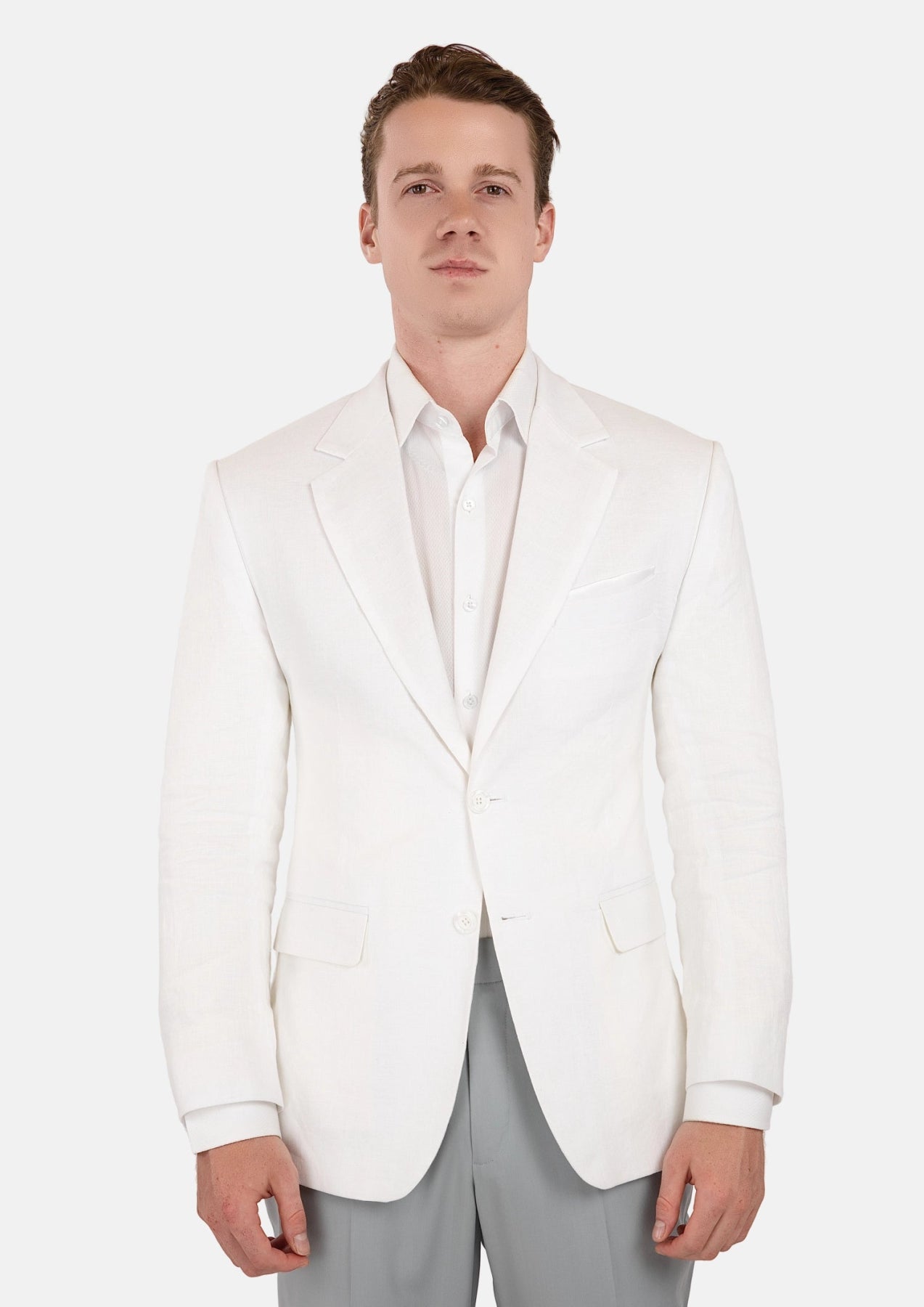
Astor White Linen Jacket - SARTORO793
Astor White Linen Jacket - SARTORO376
Astor White Linen Jacket - SARTORO85

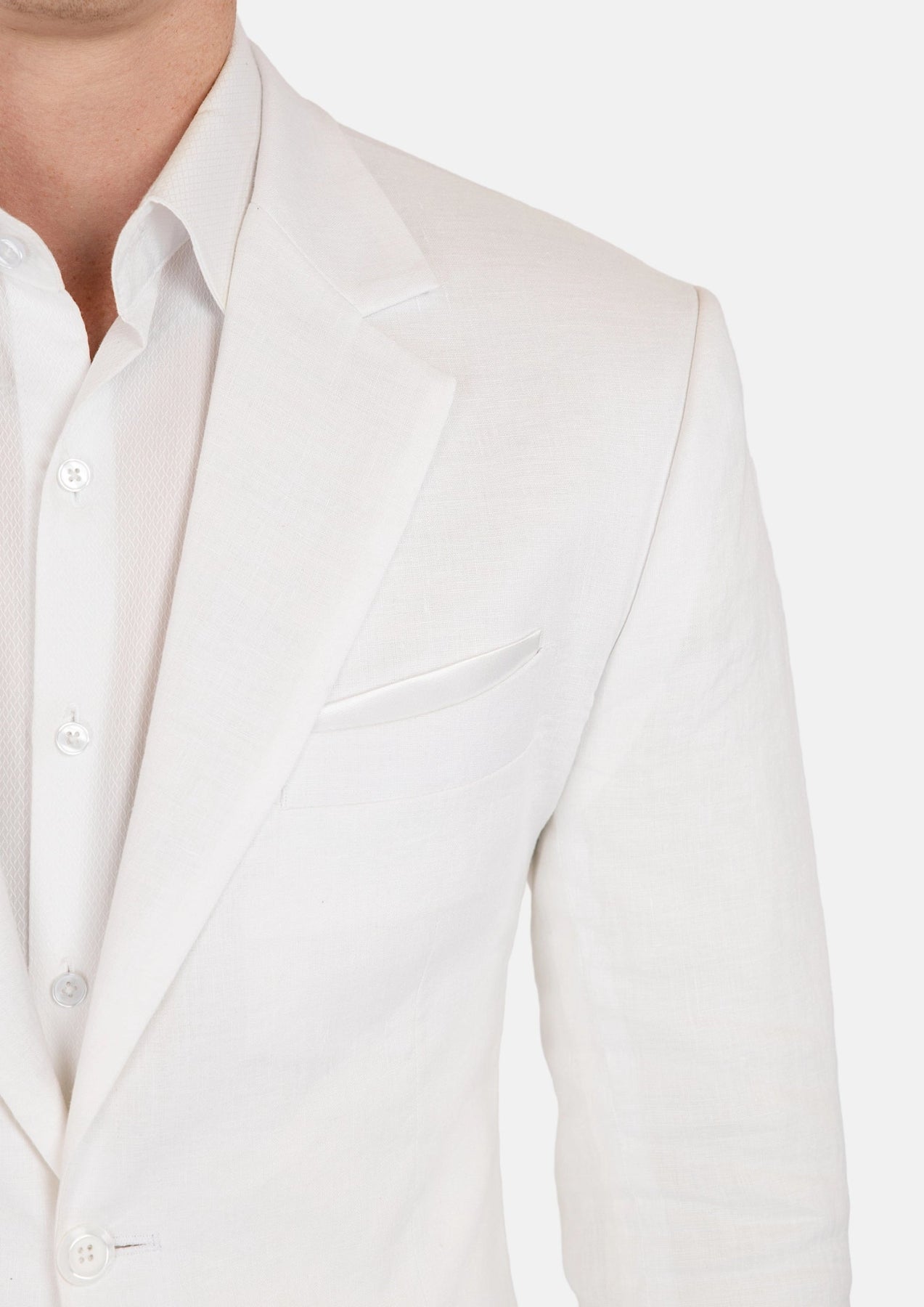
Astor White Linen Jacket

Products in the outfit

When does a linen blend make more sense?

Choose a linen blend when:

  • You want some linen texture without the full crispness of pure linen
  • Softness matters more than purity
  • You want easier day-to-day wear
  • You are cautious about wrinkles
  • The garment needs a more balanced or approachable feel
  • You are new to linen and want a lower-friction starting point

A linen blend is often the better fit for

Everyday shirts

It is often softer and easier to wear often.

Casual separates

You keep some texture without making the fabric feel too sharp or dry.

If you are unsure about pure linen

It offers a lower-commitment way to try the category.

Clothing where balance matters

It can combine comfort, texture, and easier wear more effectively.

Linen blends make more sense when the goal is not maximum linen identity, but a more balanced clothing experience.

If you are still deciding whether a softer-feeling fabric direction might suit you better overall, a cautious related Sartoro destination is stretch cottons.

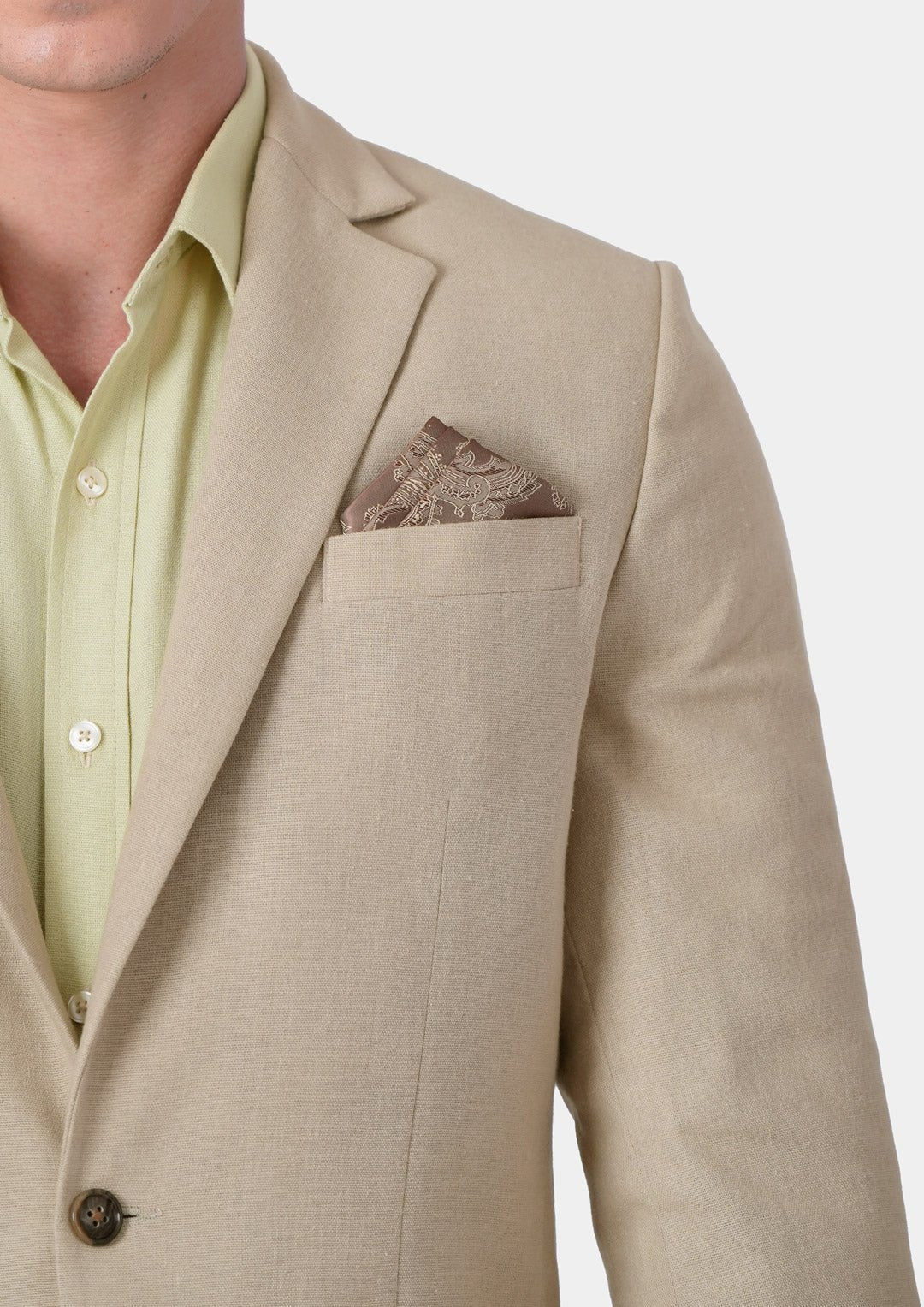
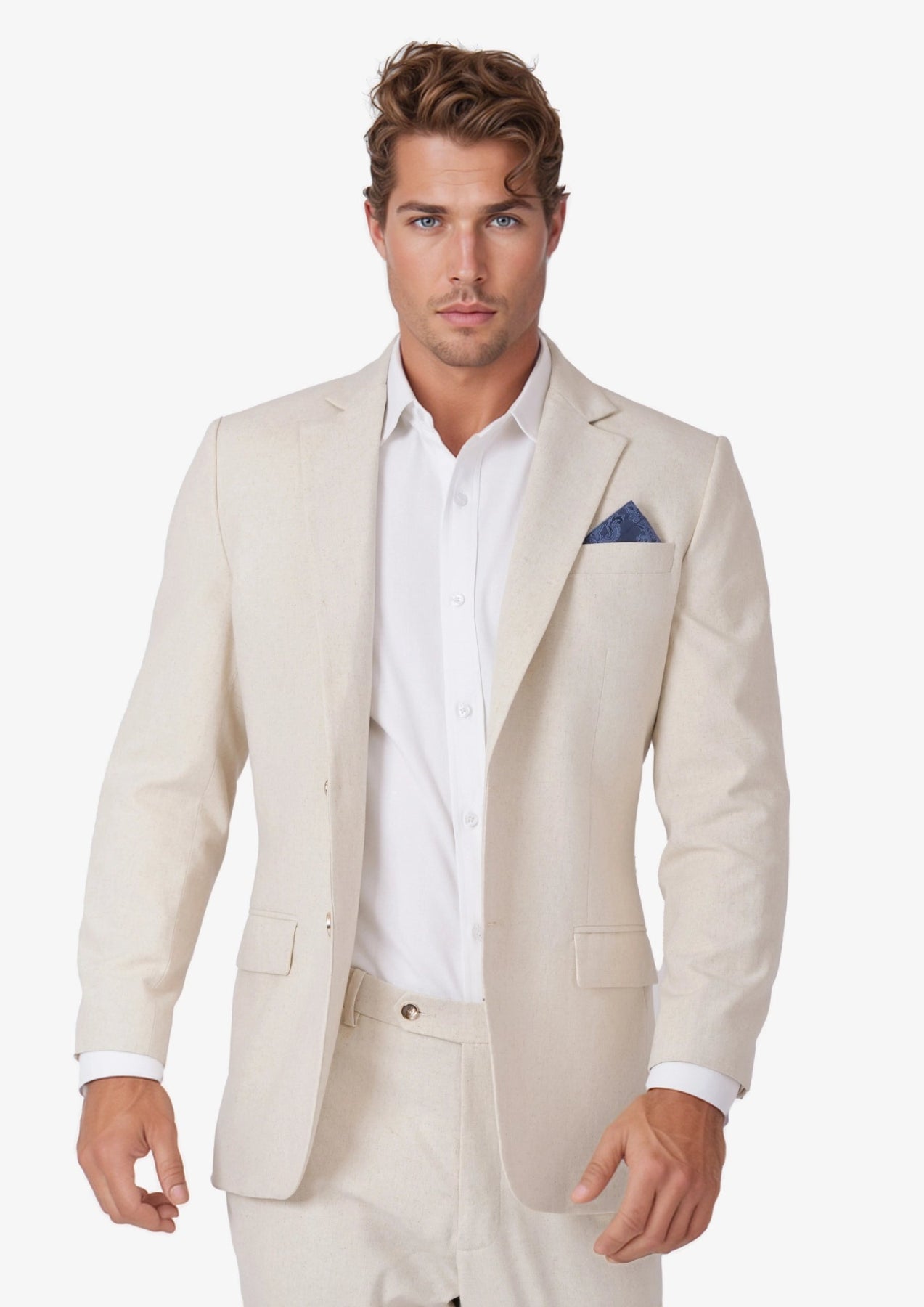
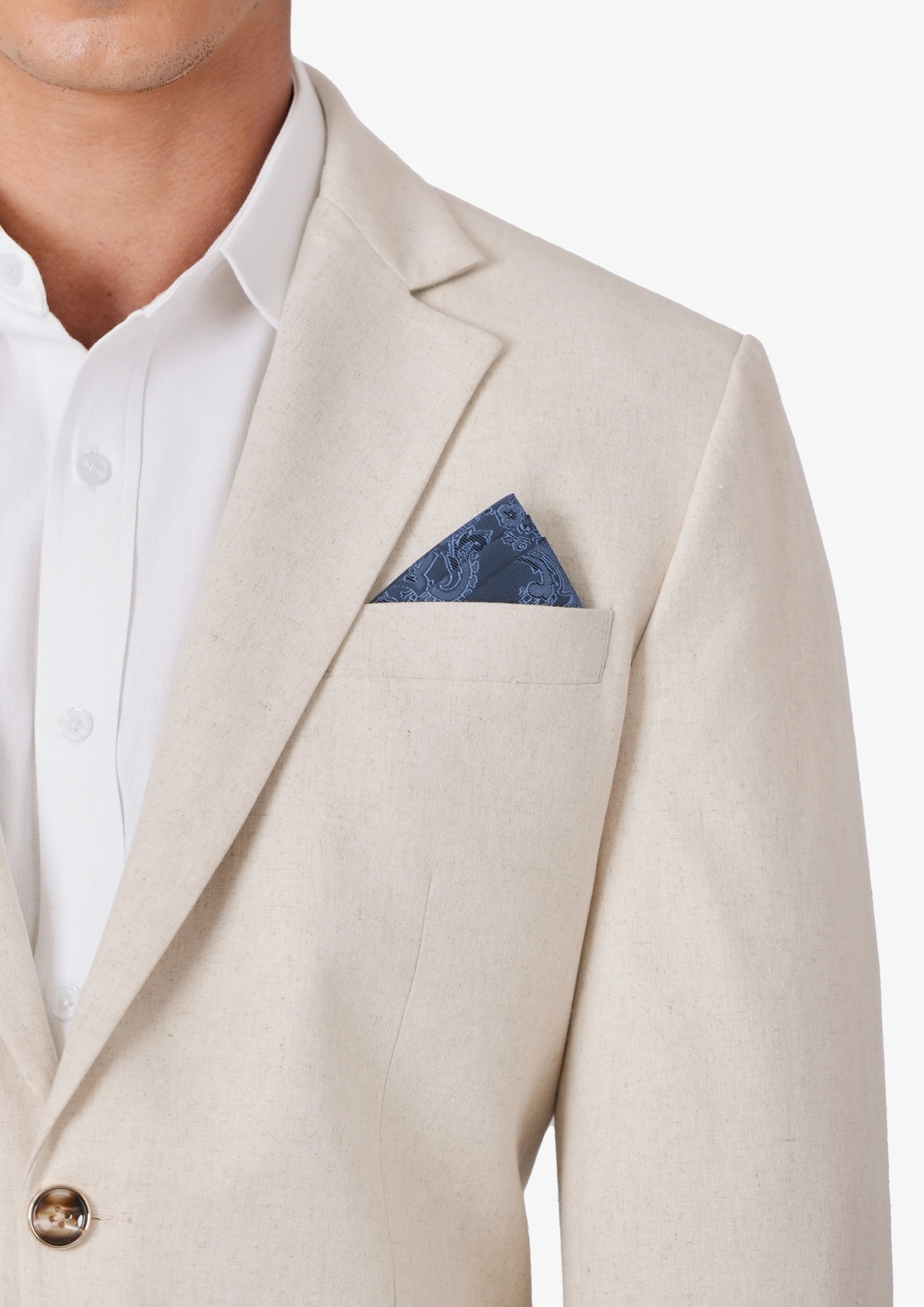
Astor Sand Linen Blend Suit - SARTORO451
Astor Sand Linen Blend Suit - SARTORO74
Astor Sand Linen Blend Suit - SARTORO487

Astor Sand Linen Blend Jacket

Products in the outfit

Is a linen blend lower quality than 100% linen?

No. A linen blend is not automatically lower quality just because it is blended.

This is one of the most common mistakes people make when comparing fabrics. “Pure” does not always mean “better.” In clothing, the better fabric is often the one that suits the garment and the wearer more effectively.

A blend can be the smarter choice when:

  • Softness matters
  • Easier wear matters
  • The garment would benefit from a more moderated hand feel
  • The wearer wants some linen appeal without the full trade-off profile of pure linen

The right comparison is not purity alone. It is fitness for purpose.

Which is better for clothing: 100% linen or a linen blend?

100% linen is better when you want classic linen character, strong breathability, and visible texture. A linen blend is better when you want balance, softness, and easier wear.

The core takeaway is simple: choose the option that fits how you want the clothing to feel in real use.

If you want the shortest possible answer:

  • choose 100% linen for character
  • choose a linen blend for balance

That distinction is often more useful than treating one option as superior in every situation.

Common mistakes when choosing between 100% linen and blends

1. Assuming pure linen is always the better buy

Purity sounds impressive, but the better choice depends on how the fabric will actually be worn.

2. Ignoring how much texture you really want

Some people love the idea of linen texture until they experience it daily. A blend can be the more realistic fit.

3. Treating wrinkles as a quality problem

With linen, visible creasing is often part of the fabric’s identity rather than proof that something is wrong.

4. Choosing for label prestige instead of garment purpose

A shirt you wear constantly may benefit more from balance and ease than from maximum linen character.

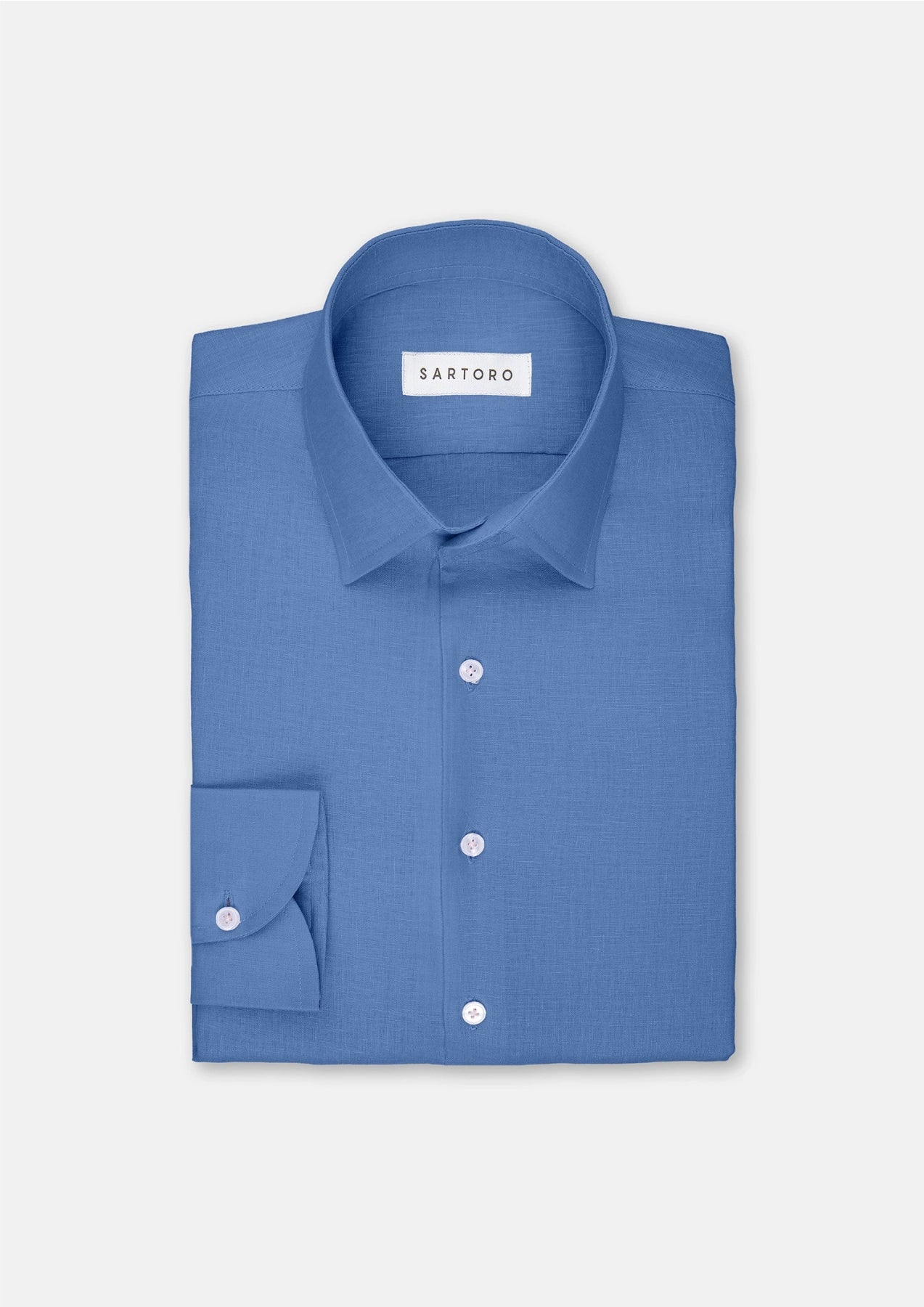
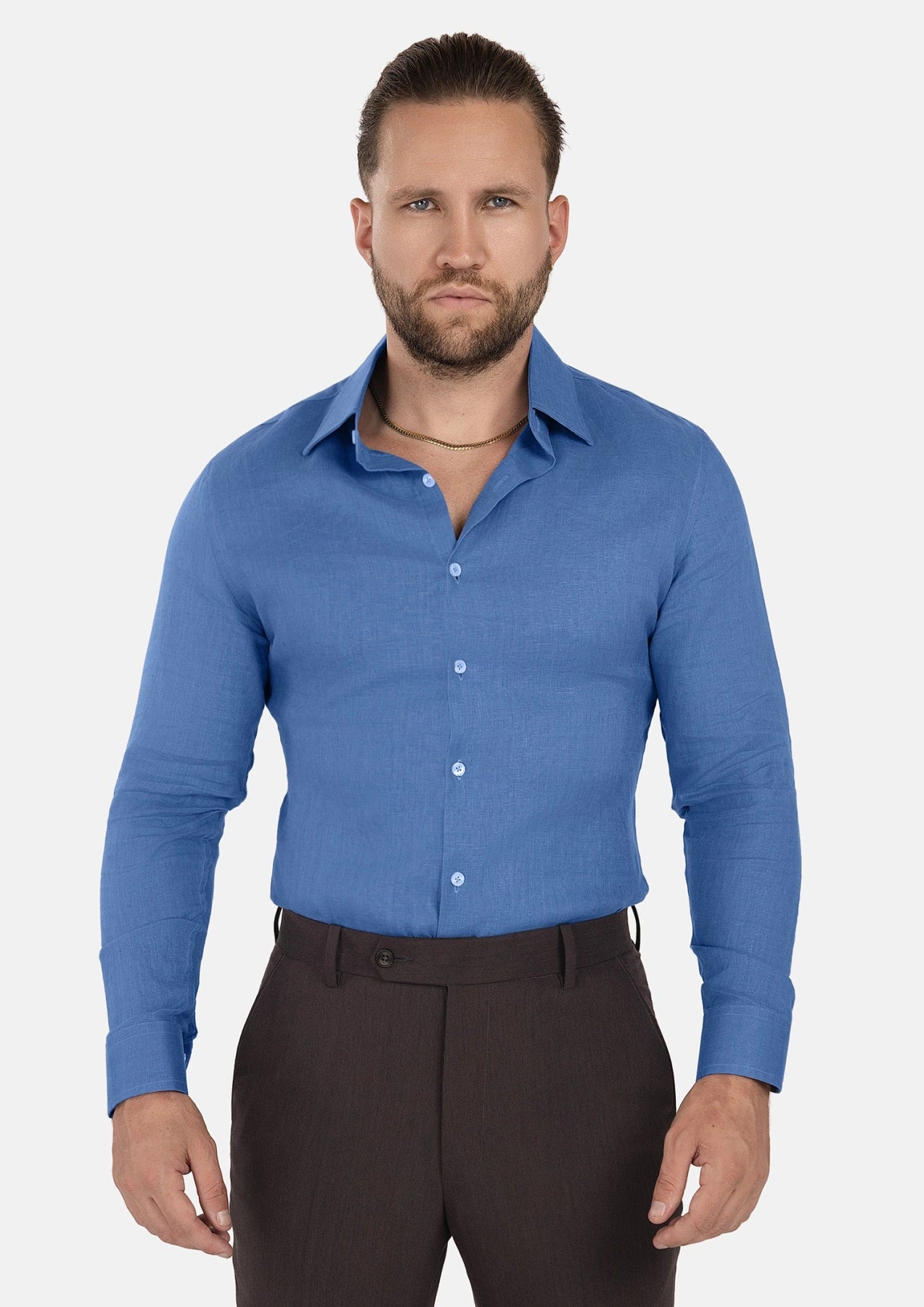
Blue Linen Shirt419 Blue Linen Shirt532
Linen
Pure linen - lightweight, breathable, summer-ready.
$140
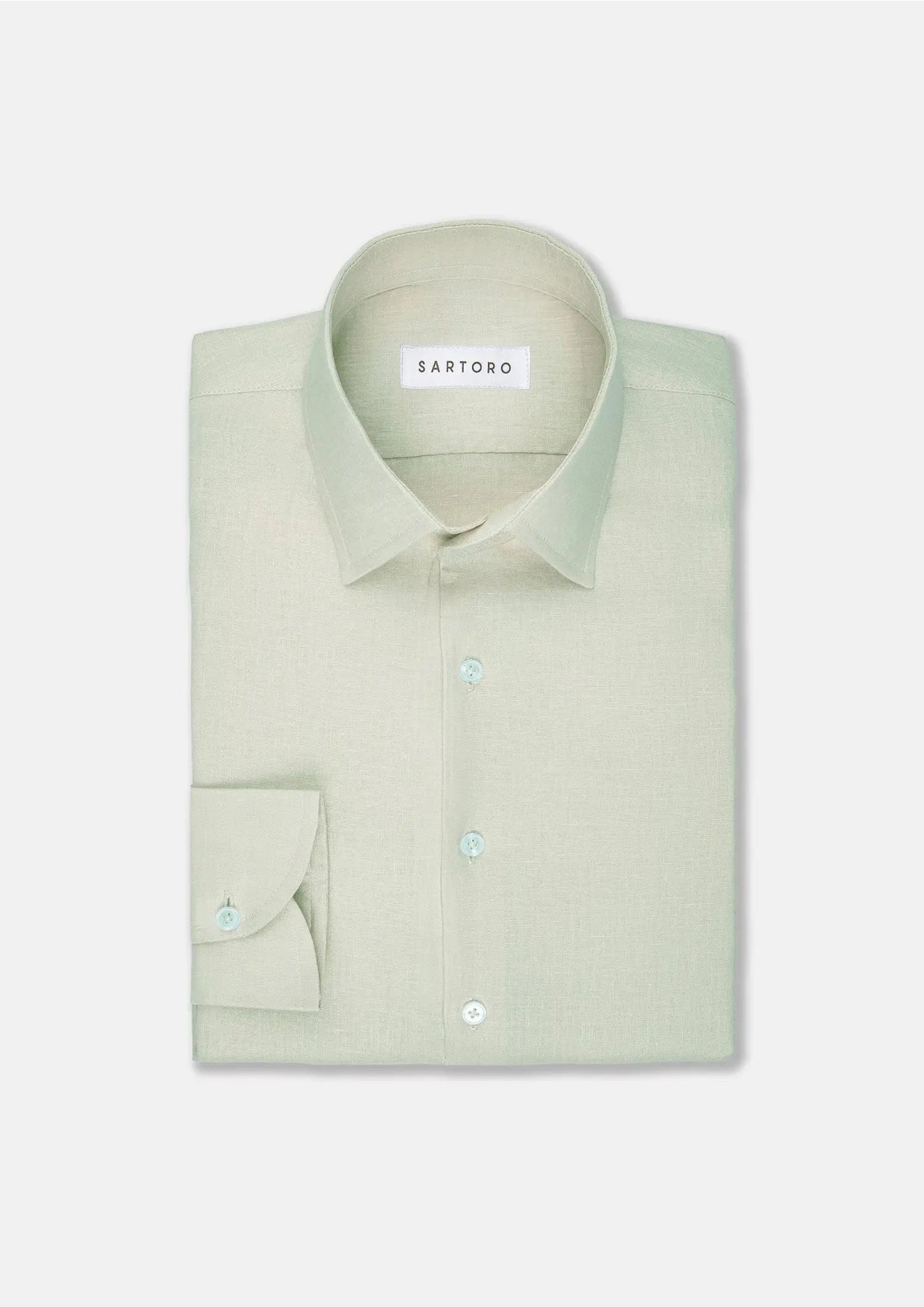
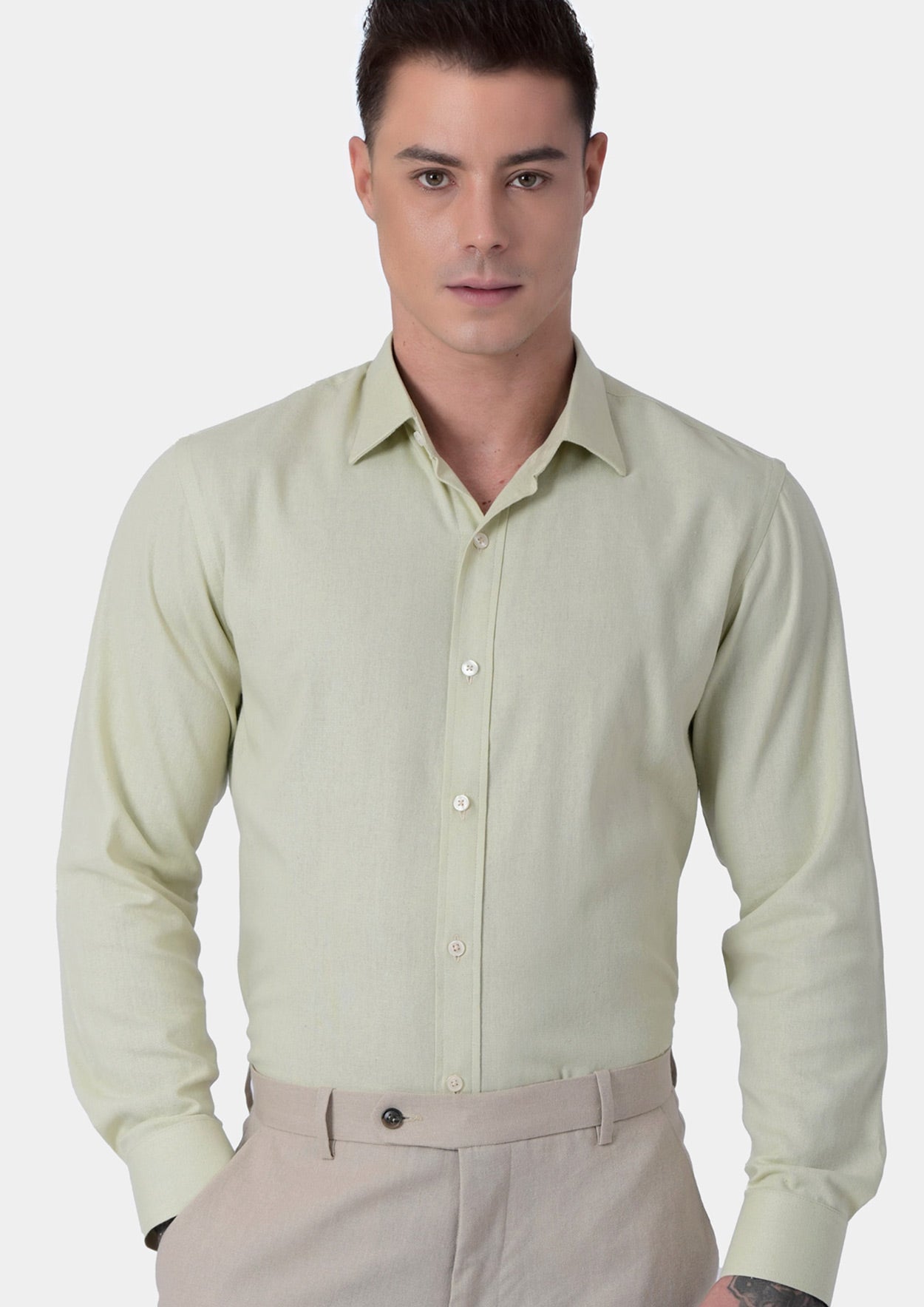
Olive Cream Linen Blend Shirt866 Olive Cream Linen Blend Shirt363
Linen
Linen-cotton blend for slight wrinkle resistance.
$120

FAQ

What is a linen blend?

A linen blend is a fabric that combines linen with one or more other fibers rather than using linen alone.

Is 100% linen better than a linen blend?

Not always. 100% linen is often better for classic linen character, while a blend may be better for softness and everyday ease.

Do linen blends wrinkle less?

In many cases, yes. Linen blends often look a little easier and less sharply creased than pure linen.

Is a linen blend still good for summer?

Yes. A linen blend can still work well in warm weather, especially if you want comfort with a softer and easier feel.

Should I choose 100% linen for shirts?

Choose 100% linen for shirts when you want the most traditional linen look and feel. Choose a blend when you want a softer and lower-friction everyday shirt.

Are linen blends lower quality?

No. A blend is not automatically lower quality. The better option depends on the garment, the wearer, and the intended use.

Your cart is empty
Looking for ideas?
We'll send measurement instructions
to you. Or create your fit profile now.
    Secured checkout through Shopify with: