What Is Linen? A Practical Guide to What Linen Fabric Is and Why People Choose It

Contents

Linen is a natural fabric made from the fibers of the flax plant. In practical terms, it is best known for a breathable feel, visible texture, and a relaxed appearance that suits warm-weather clothing especially well.

This is a practical fabric explainer focused on what linen is, what gives it its character, and why it feels different from smoother materials like cotton.

Key takeaways

  • Linen is made from flax fibers, not cotton.
  • Linen usually feels drier, airier, and more textured than smoother fabrics.
  • People often choose linen for breathability, warm-weather comfort, and natural visual character.
  • Linen is associated with a relaxed but refined look, not a perfectly crisp or wrinkle-free finish.
  • Compared with cotton, linen usually wrinkles more easily and shows more visible texture.
  • The main purpose of understanding linen is to know what kind of fabric it is and when its character makes sense.

What is linen?

Linen is a fabric made from the fibers of the flax plant. It is one of the oldest textiles still widely used today and has long been associated with clothing and household fabrics.

When most people ask what linen is, they are usually not looking for a technical production lesson. They want to know what kind of fabric it is, how it feels, and why it is different from other materials. The short answer is that linen is a natural textile known for three things:

  • breathability
  • visible texture
  • a relaxed, airy character

That combination is why linen appears so often in warm-weather wardrobes and why it has such a recognizable look compared with smoother, more uniform fabrics.

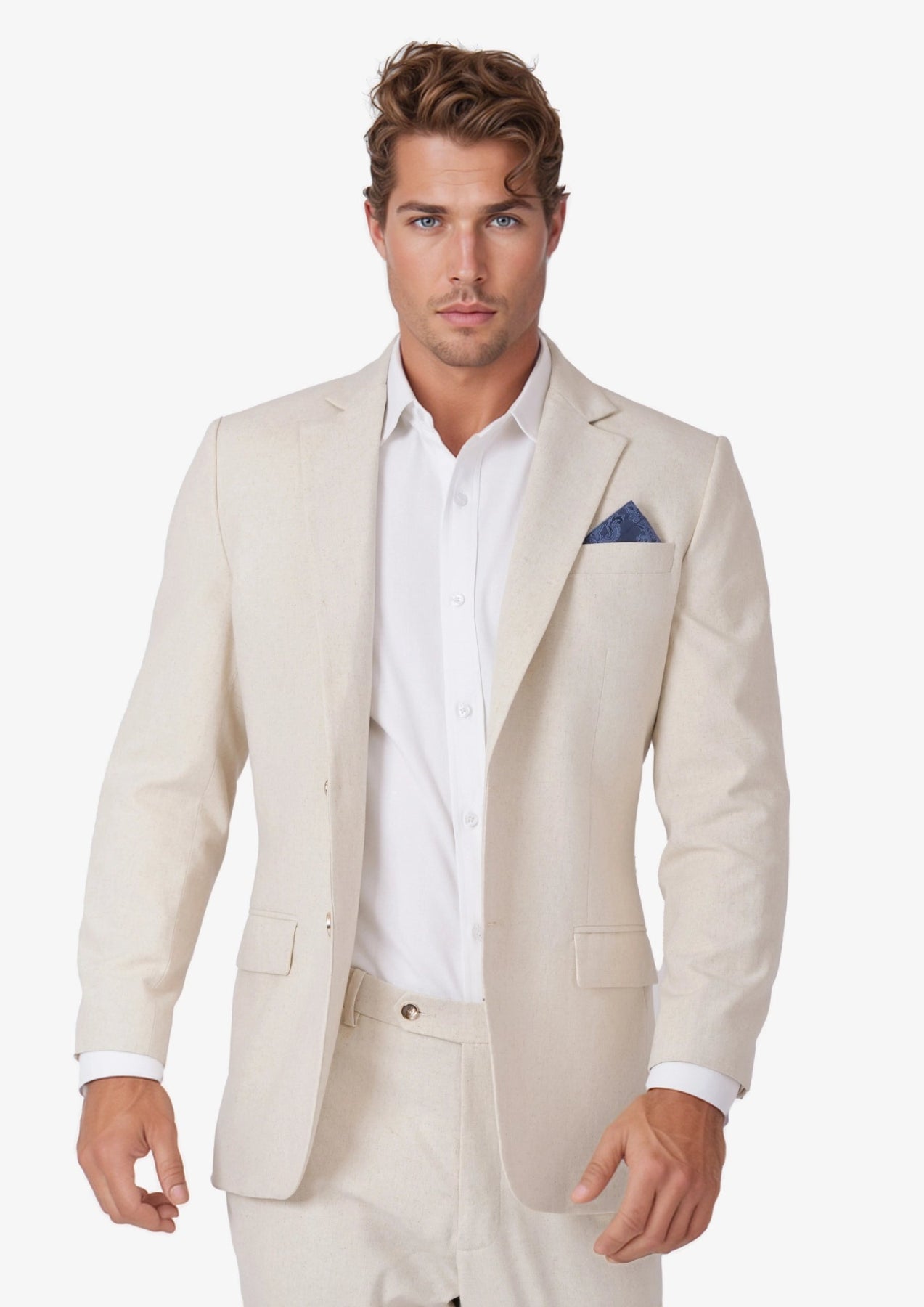
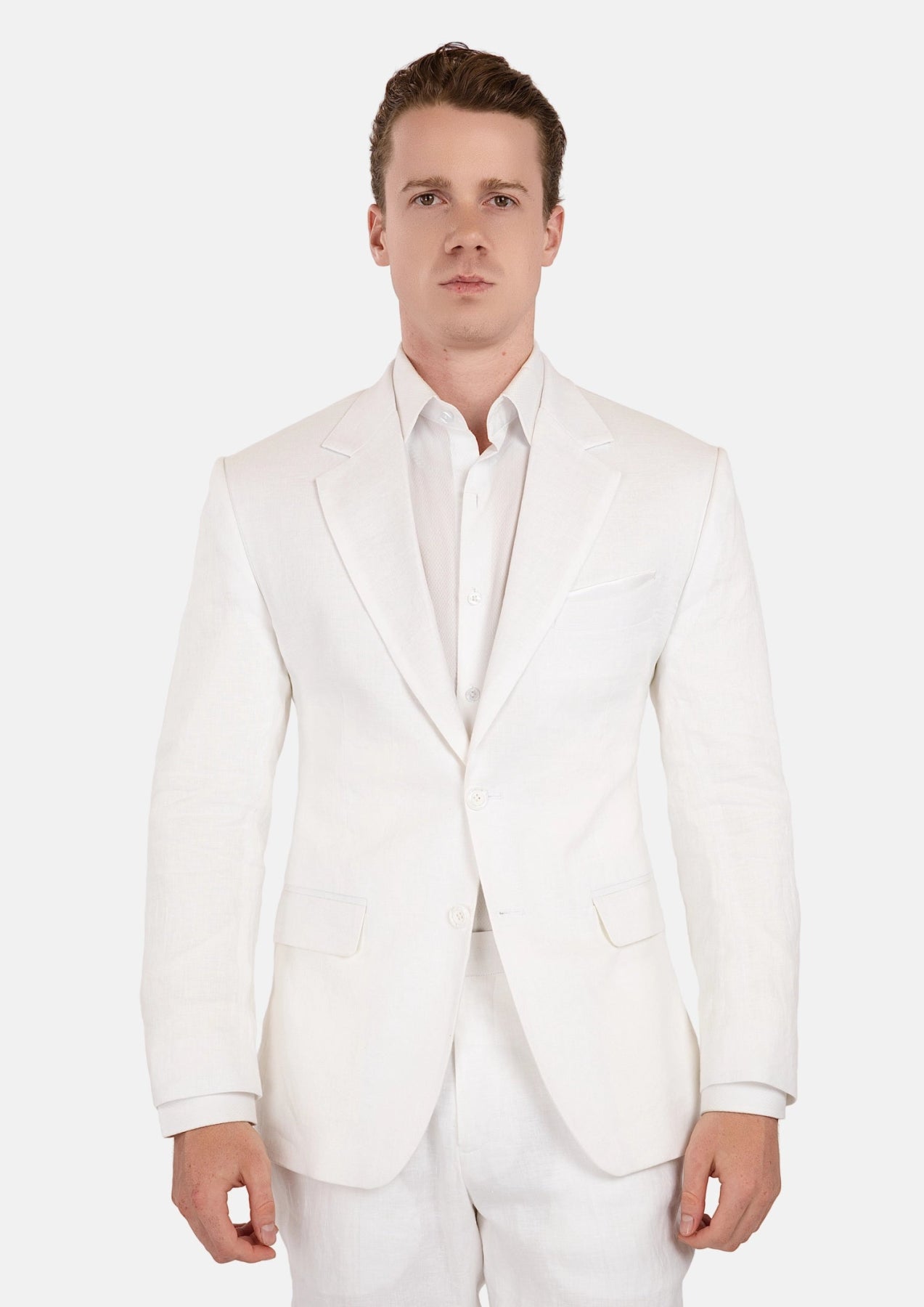
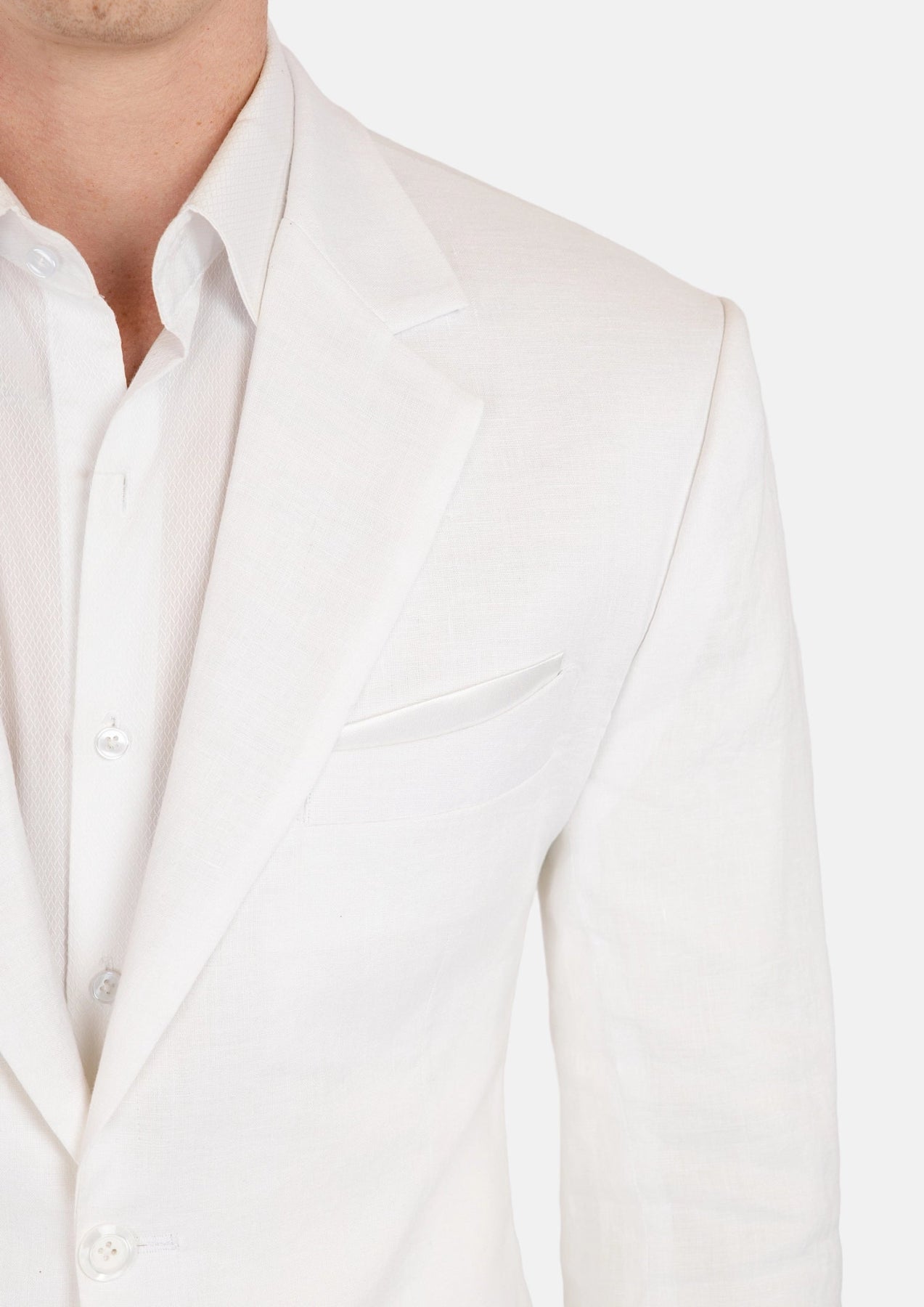
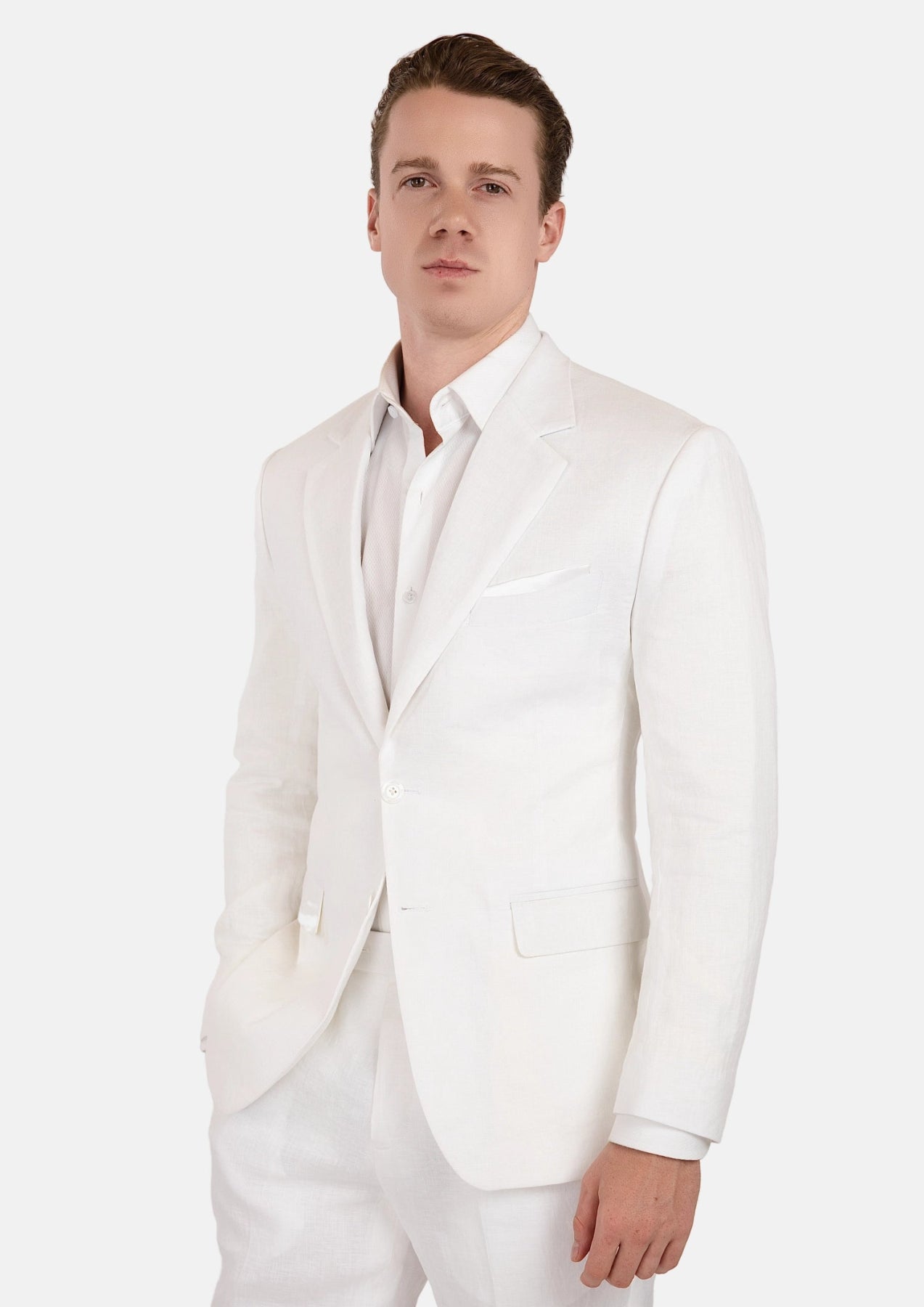
Astor White Linen Suit - SARTORO141
Astor White Linen Suit - SARTORO858
Astor White Linen Suit - SARTORO209

Astor White Linen Suit

Products in the outfit

What is linen made of?

Linen is made from flax fibers. Those fibers are spun into yarn and then woven into fabric.

For most people, the most useful point is simple: linen is a plant-based natural fabric, but it does not behave the same way as every other natural fiber. Even though both linen and cotton come from plants, linen usually feels drier in hand, looks more textured, and wrinkles more visibly.

That is why “natural fabric” alone does not explain linen well enough. What matters more is how the fabric behaves in wear: how it feels, how it hangs, and how it changes throughout the day.

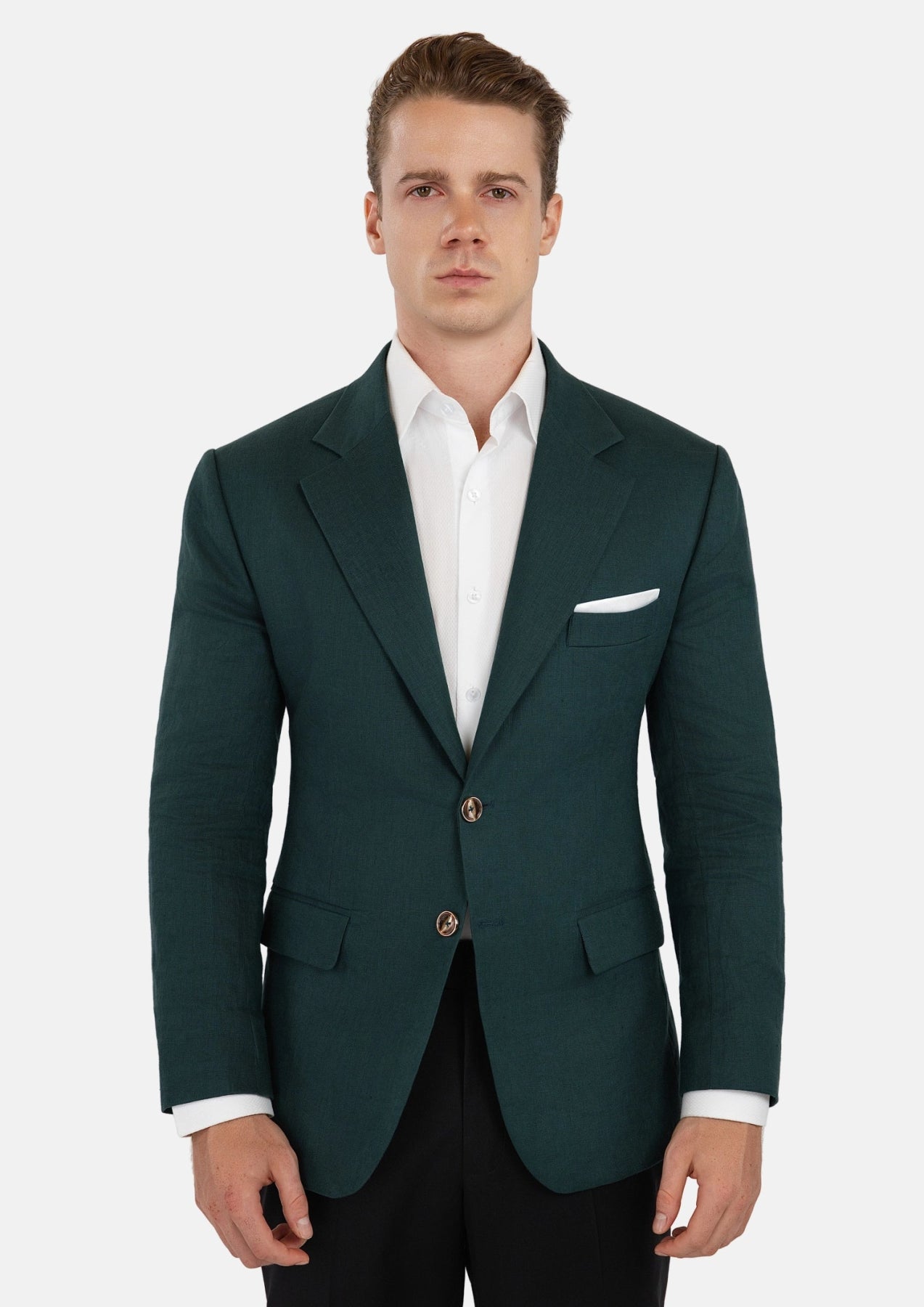
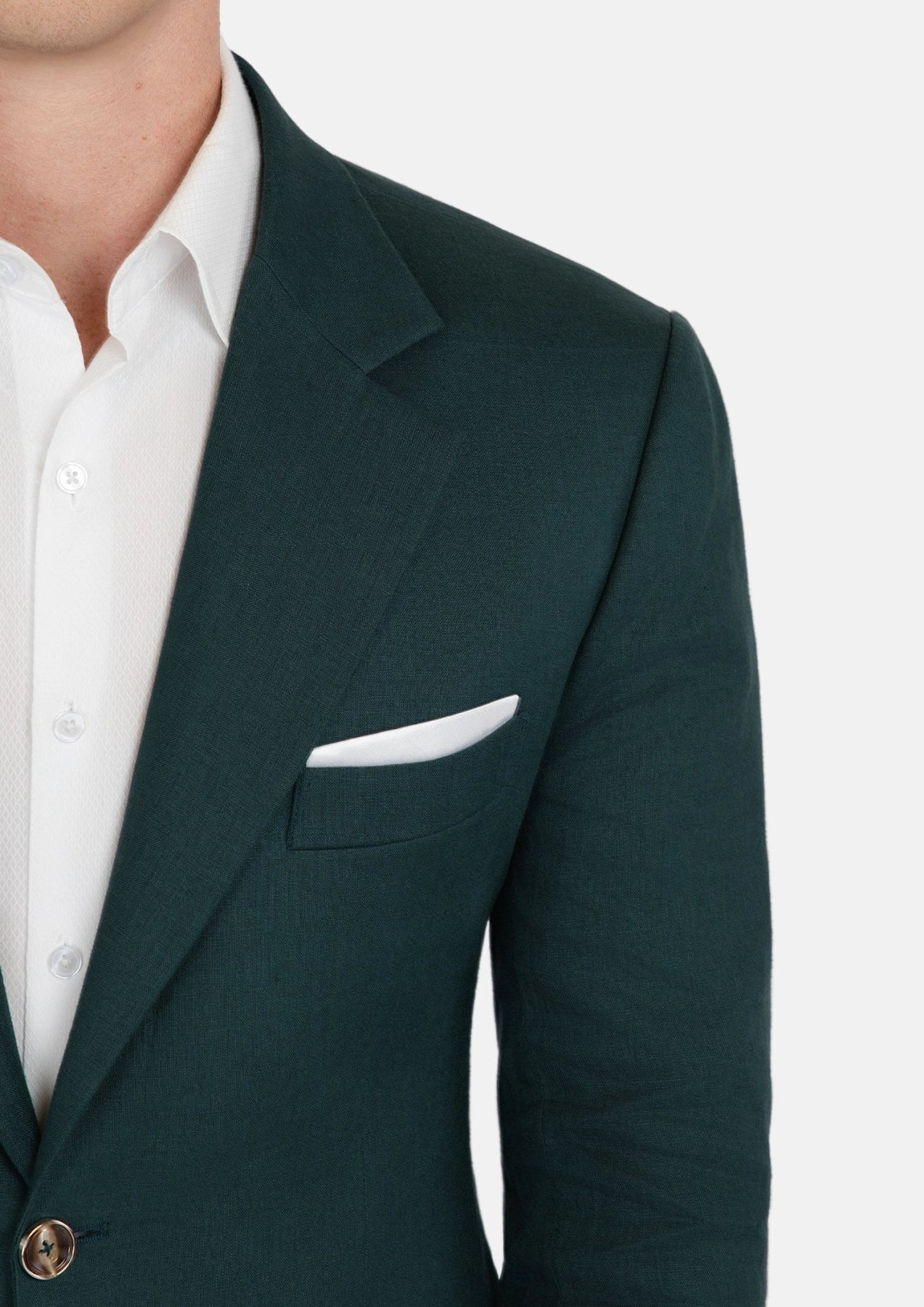
Phthalo Green Linen Suit Jacket902 Phthalo Green Linen Suit Jacket728
100% Linen – lightweight, cool, and summer-ready
$415
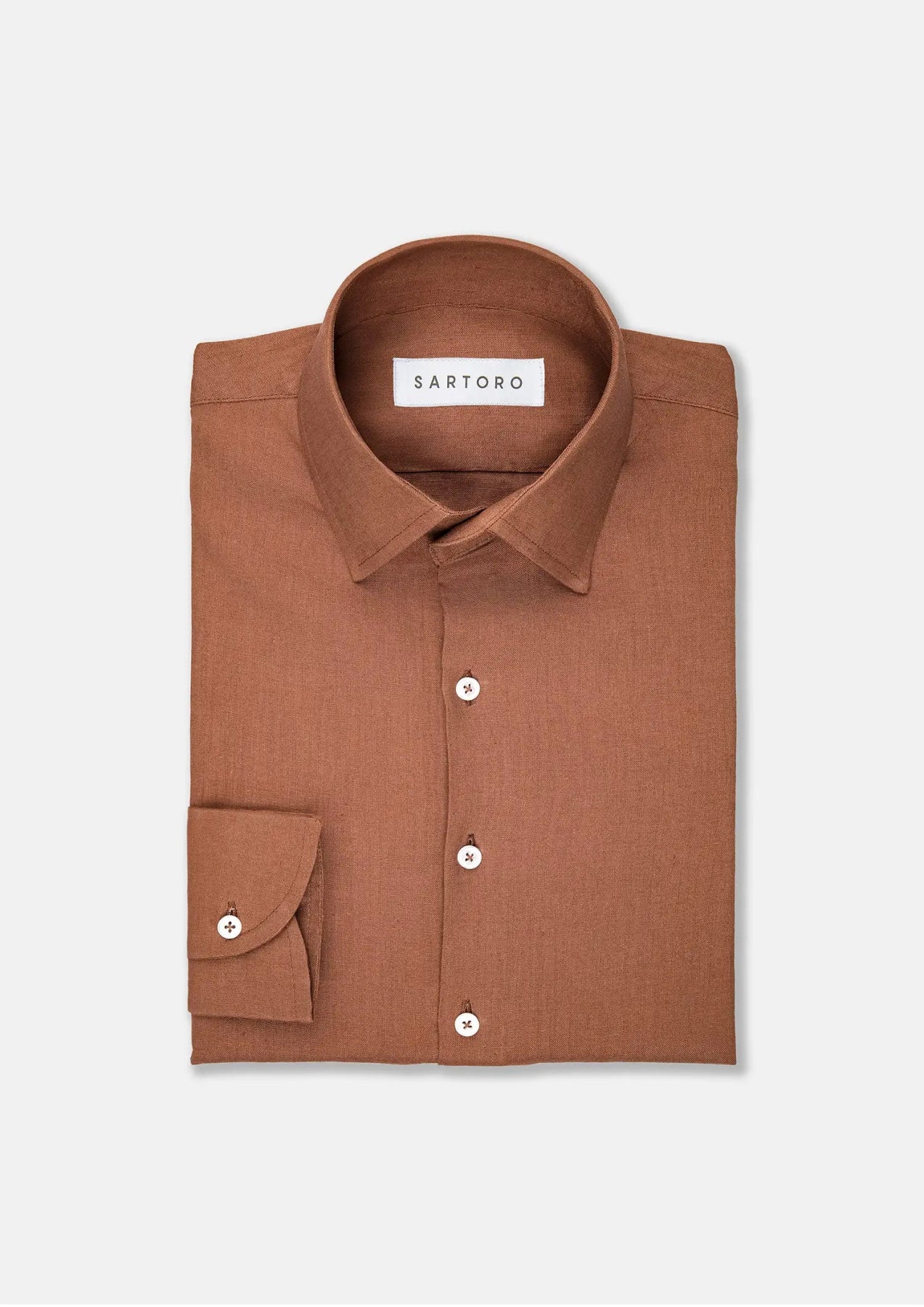
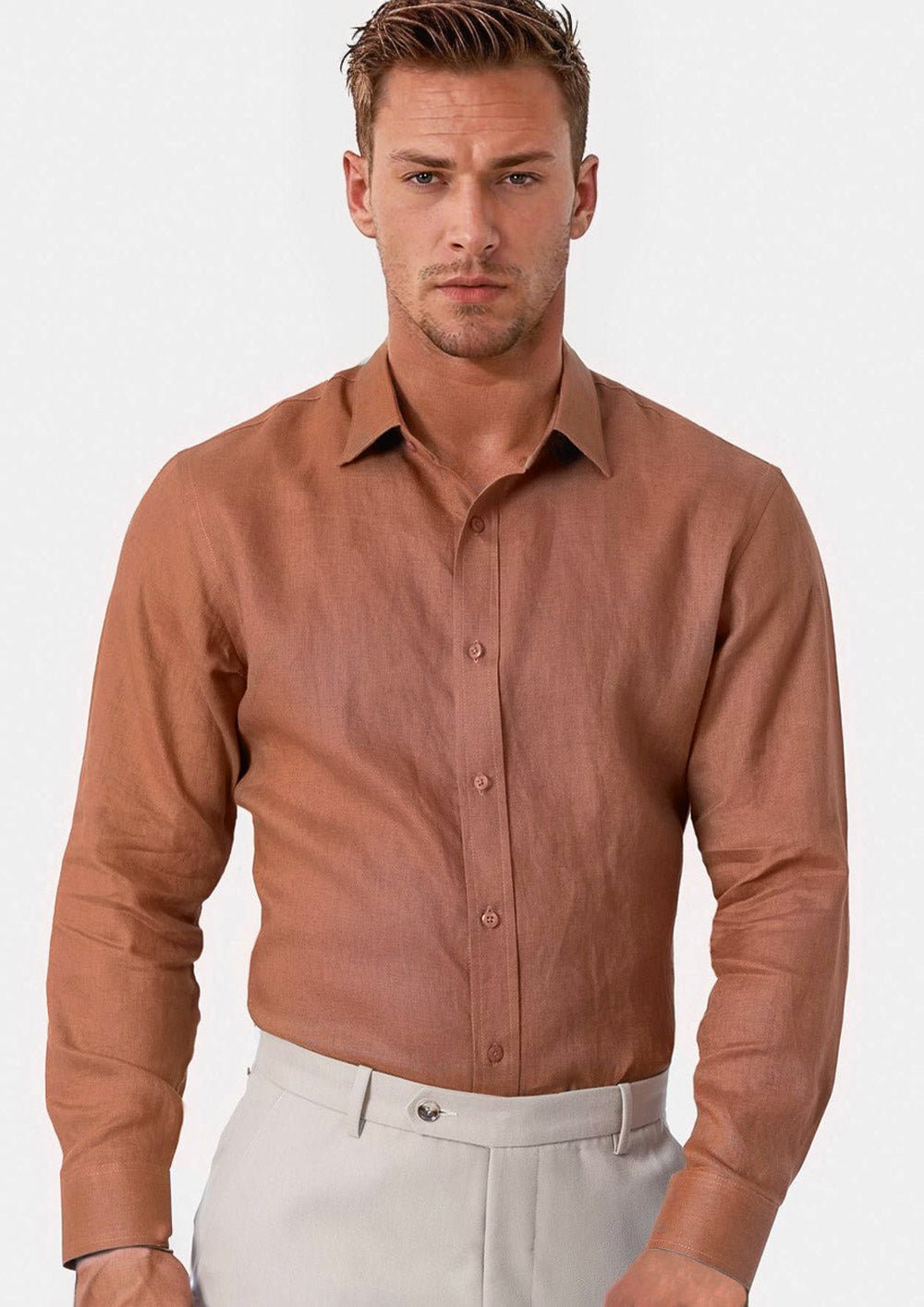
Amber Brown Linen Shirt509 Amber Brown Linen Shirt359
Linen
Pure linen - lightweight, breathable, summer-ready.
$140
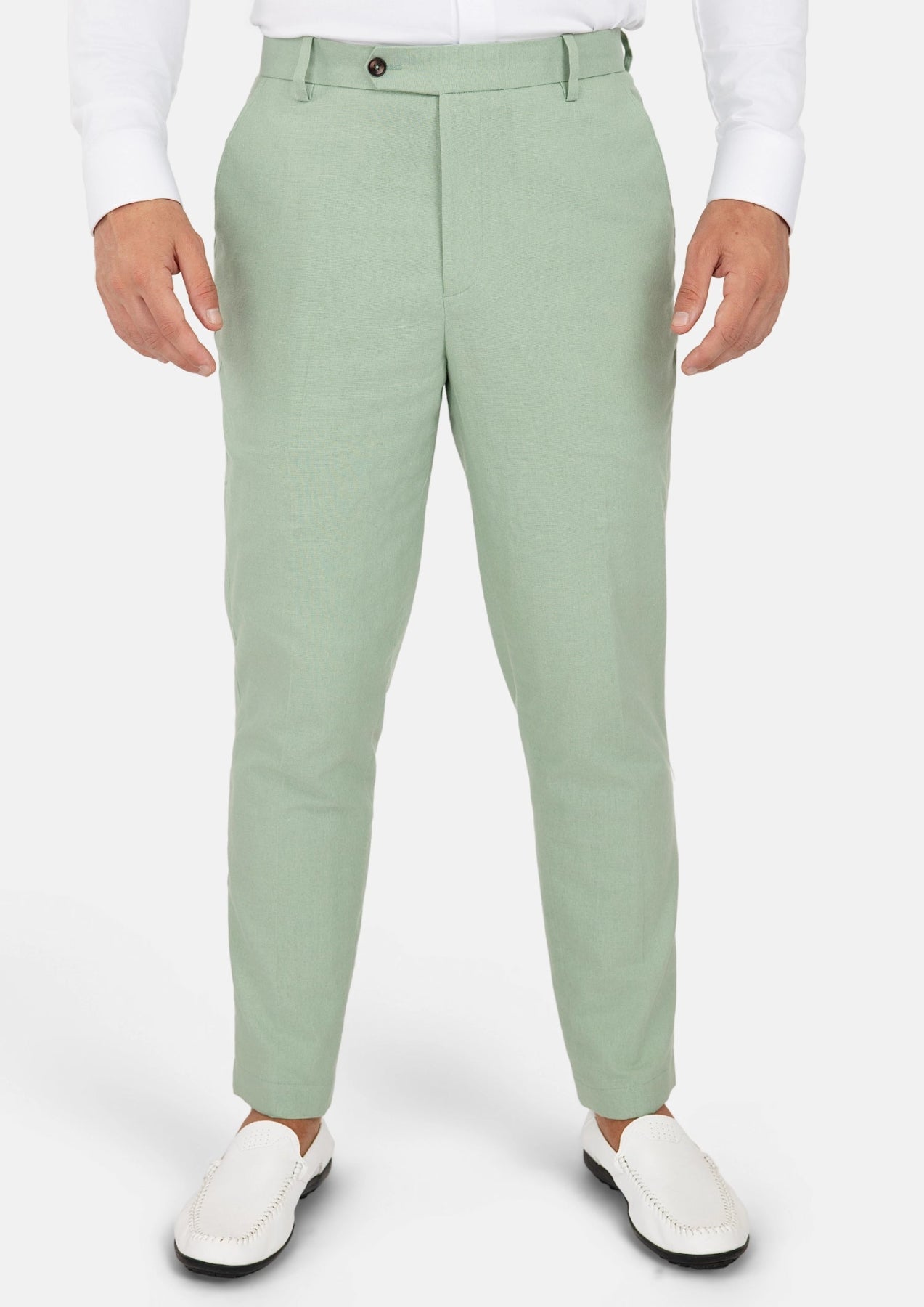
Fern Green Linen Pants883 Fern Green Linen Pants220
Linen cotton summer blend for reduced wrinkles
$155

What does linen fabric feel like?

Linen usually feels:

  • light or airy rather than dense
  • dry rather than plush
  • textured rather than perfectly smooth
  • relaxed rather than overly polished

Not every linen feels exactly the same. Some feel crisper at first, while others feel softer and more broken-in. Some are woven to feel light and fluid, while others have more body and structure.

Still, the overall impression of linen is fairly consistent. It has more visible character than many smoother fabrics and tends to look naturally lived-in rather than overly finished.

Why do people choose linen?

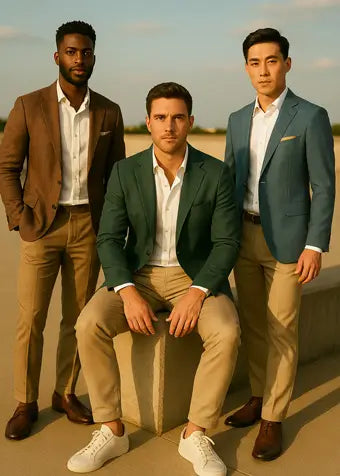
People usually choose linen because they want a fabric that feels comfortable in warm weather and looks naturally elegant without trying too hard.

1. Breathability

Linen is strongly associated with airflow and comfort in hot or humid conditions. That is one of the biggest reasons it remains popular in warm-weather clothing and seasonal wardrobes. If you want to see how that plays out in menswear, you can continue to why linen is popular in warm-weather clothing.

2. Visual texture

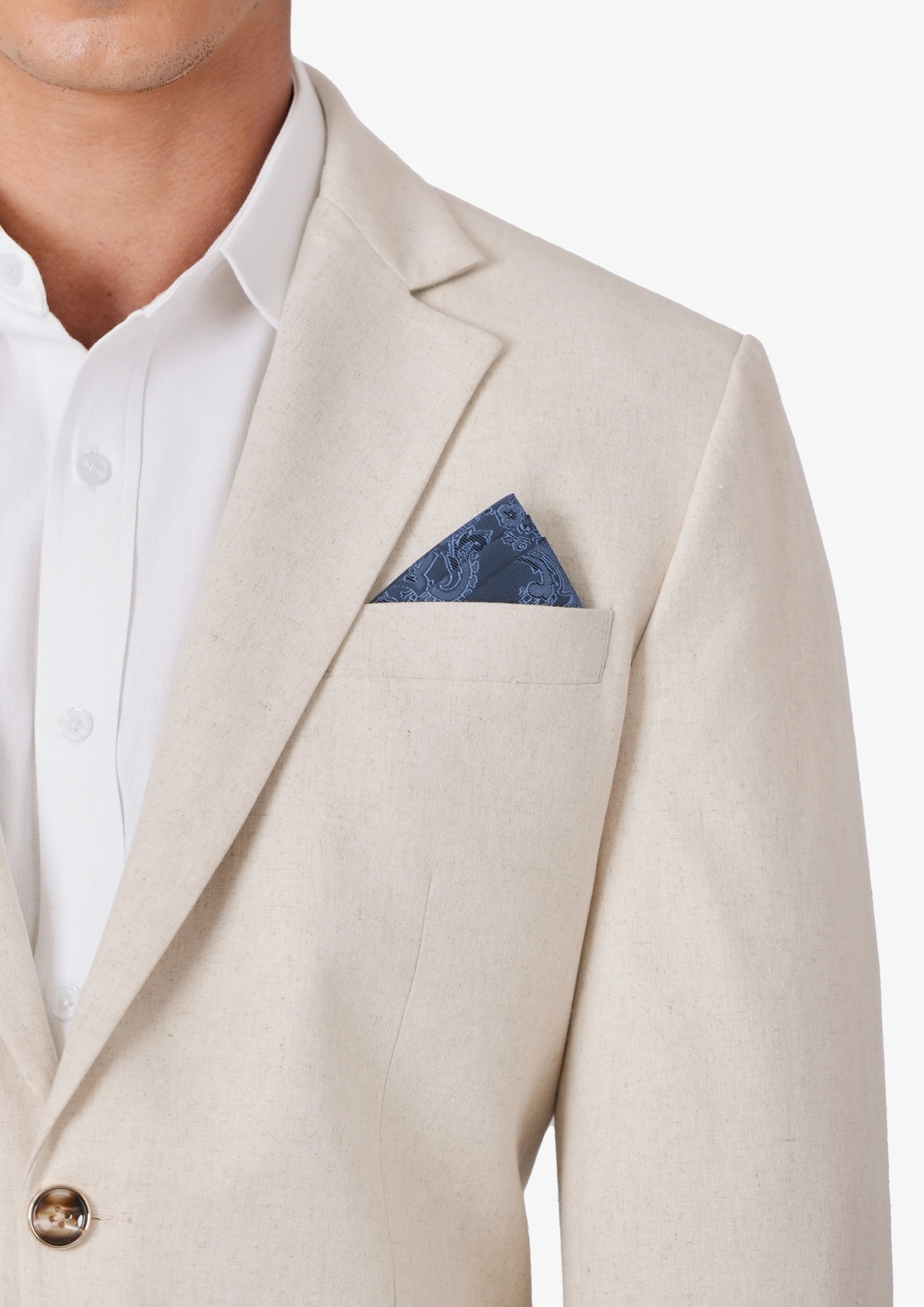
Linen often has a visible texture that gives even simple garments more depth. It does not usually look flat or overly uniform.

3. Relaxed sophistication

Linen often feels refined in a quieter way. Instead of looking sharp because it is rigid, it tends to look appealing because it feels easy, natural, and seasonally right.

4. Distinct character

Some fabrics are appreciated because they look polished and controlled. Linen is often appreciated for the opposite reason: it keeps some natural movement, texture, and softness of appearance.

Is linen a good fabric?

Yes, linen is widely considered a good fabric when breathability, natural texture, and warm-weather comfort matter. Its appeal is not that it behaves like every other fabric, but that it offers a clearly different character.

Linen tends to make the most sense when you want something that feels:

  • breathable
  • airy
  • seasonally light
  • visually textured
  • relaxed but refined

Its limitations are part of the picture too. Linen often wrinkles more easily than smoother fabrics, and it may not be the best match if you want a very crisp, highly controlled finish.

Linen vs cotton: what is the difference?

Many people asking what linen is also want a quick point of contrast with cotton.

The shortest practical answer

Linen usually looks more textured, feels drier, and wrinkles more visibly.

Cotton usually feels smoother, softer, and more familiar.

That comparison is only here to clarify linen’s character. If you want a full side-by-side decision guide, that belongs in a dedicated comparison article rather than here.

What does linen look like in clothing?

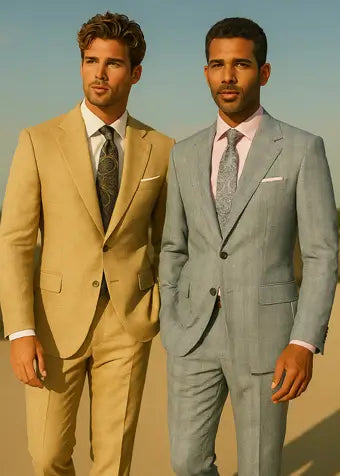
In clothing, linen often looks:

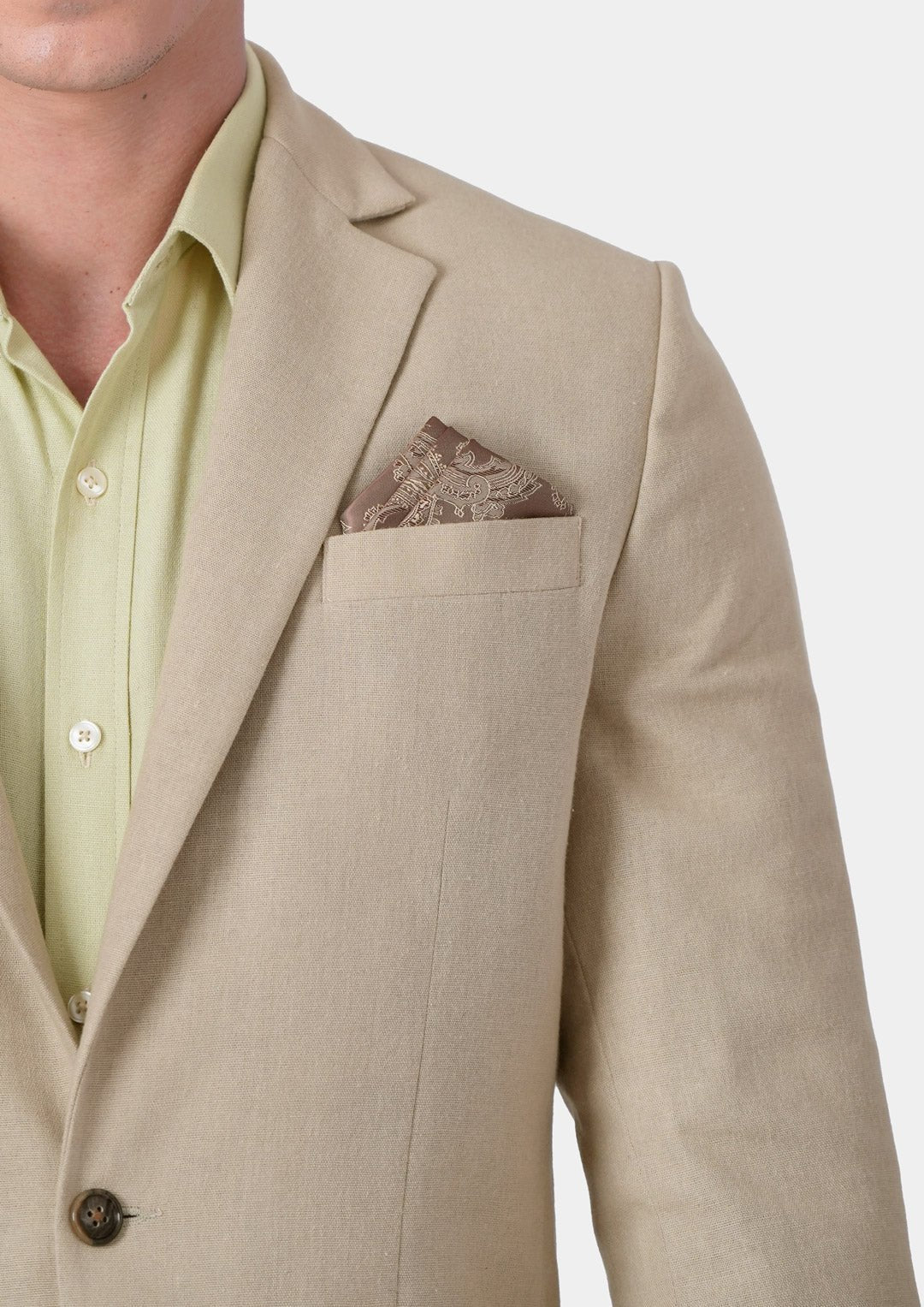
  • lightly textured
  • breathable and seasonally light
  • relaxed rather than rigid
  • elegant in an understated way

This matters because linen does not usually create the same visual effect as a sharply finished worsted wool or a very smooth cotton poplin. Its value is different. Linen tends to make clothing feel easier, more natural, and more breathable.

That is one reason linen is often used in garments that benefit from softness of mood rather than hard formality.

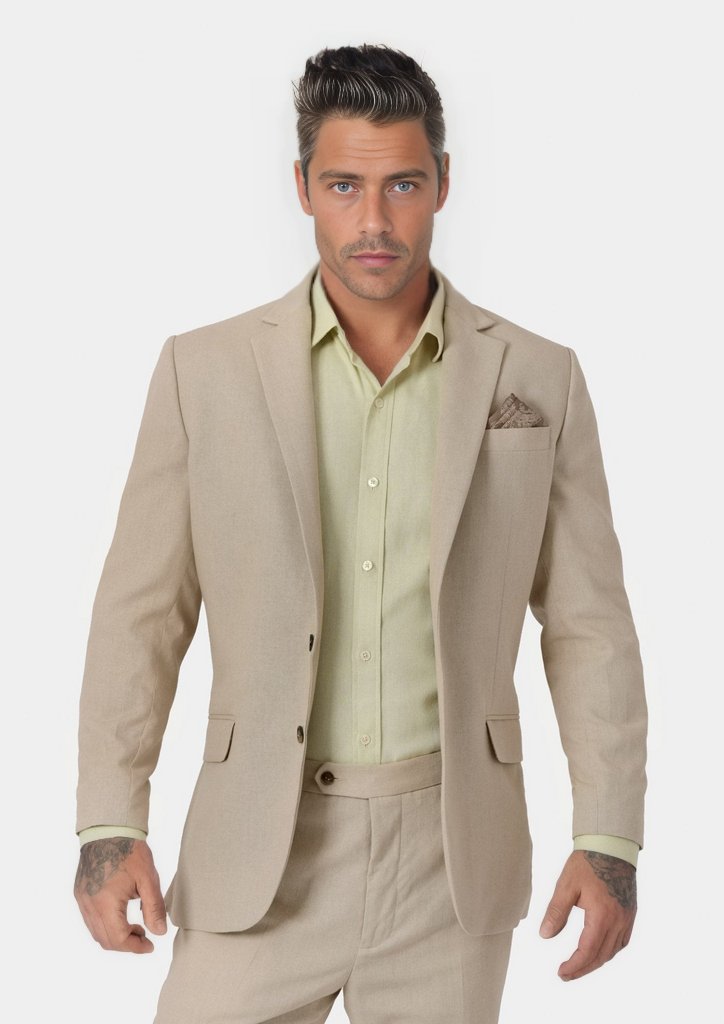
Astor Sand Linen Blend Suit796 Astor Sand Linen Blend Suit436
Best Seller
Linen cotton summer blend for reduced wrinkles
$550
Astor White Linen Suit138 Astor White Linen Suit915
100% Linen – lightweight, cool, and summer-ready
$595
Simply Taupe Linen Suit886 Simply Taupe Linen Suit848
Linen cotton summer blend for reduced wrinkles
$550

Does linen wrinkle easily?

Yes, linen usually wrinkles more easily than smoother fabrics like cotton. This is one of its most recognizable traits.

For some people, that is a downside. For others, it is simply part of linen’s character. A better way to think about it is this: linen usually looks best when you accept a little natural creasing as part of its identity rather than expecting it to behave like a wrinkle-resistant fabric.

If you want less visible wrinkling but still like the idea of linen, a linen blend can sometimes feel easier to wear day to day.

Common misunderstandings about linen

“Linen is just the same as cotton.”

Not really. Both are natural fibers, but linen usually looks more textured, feels drier, and wrinkles more visibly.

“All linen feels rough.”

Not necessarily. Some linen feels crisp, but other linen is softer or washed down for a more relaxed hand feel.

“Linen is only for very casual clothes.”

No. Linen often feels relaxed, but it can still look refined, especially when the garment design and fit are considered carefully.

“Wrinkling means poor quality.”

Not always. Some wrinkling is part of what makes linen look like linen.

What should readers understand about linen before going further?

If you are just starting to learn about linen, the most important things to understand are:

  • linen is made from flax
  • linen is breathable and warm-weather friendly
  • linen usually has more texture than cotton
  • linen often wrinkles more visibly
  • linen is valued for character, not perfect smoothness

Once those basics are clear, the next useful question is no longer “what is linen?” but whether you need a selection guide, a fabric comparison, or a garment-specific use case next.

Quick summary: when linen makes sense

Linen makes the most sense when you want a fabric that feels breathable, looks naturally textured, and suits warm-weather dressing. It is especially appealing when you prefer clothing that feels relaxed but still refined.

If you want a smoother, crisper, or lower-maintenance result, another fabric—or a linen blend—may be a better fit. The strength of linen is not that it does everything. Its strength is that it does a few things very well.

FAQ

What is linen made from?

Linen is made from fibers taken from the flax plant.

Is linen a natural fabric?

Yes. Linen is a natural plant-based fabric.

Is linen better than cotton?

Not universally. Linen is often better when breathability, texture, and a relaxed warm-weather look matter. Cotton may be better when softness, smoothness, and easier care matter more, but that fuller decision depends on the reader’s use case.

Why is linen popular in summer?

Linen is popular in summer because it is strongly associated with airflow, comfort, and a visually light seasonal feel.

Does linen wrinkle easily?

Yes. Linen usually wrinkles more visibly than many smoother fabrics, and that is often part of its natural look.

Is linen good for clothing?

Yes. Linen is a strong clothing fabric when you want breathable, airy, textured garments, especially in warmer weather.

Your cart is empty
Looking for ideas?
We'll send measurement instructions
to you. Or create your fit profile now.
    Secured checkout through Shopify with: