The suit fit, off-the-rack vs made-to-measure vs bespoke
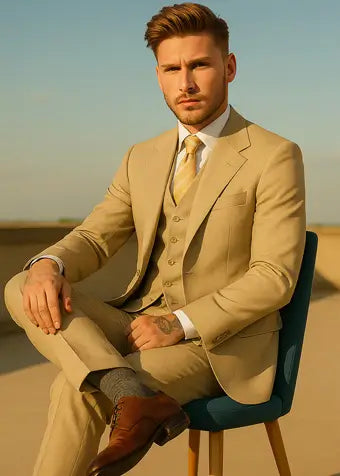
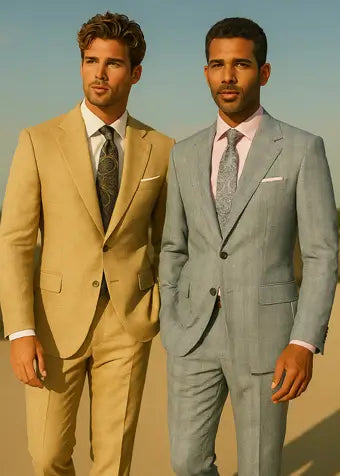
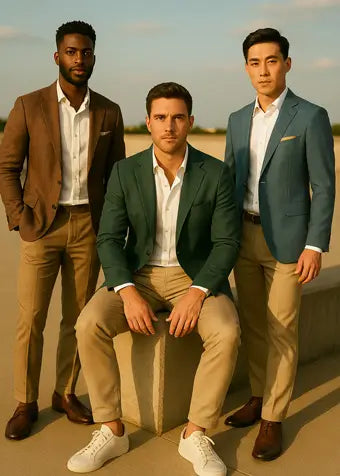
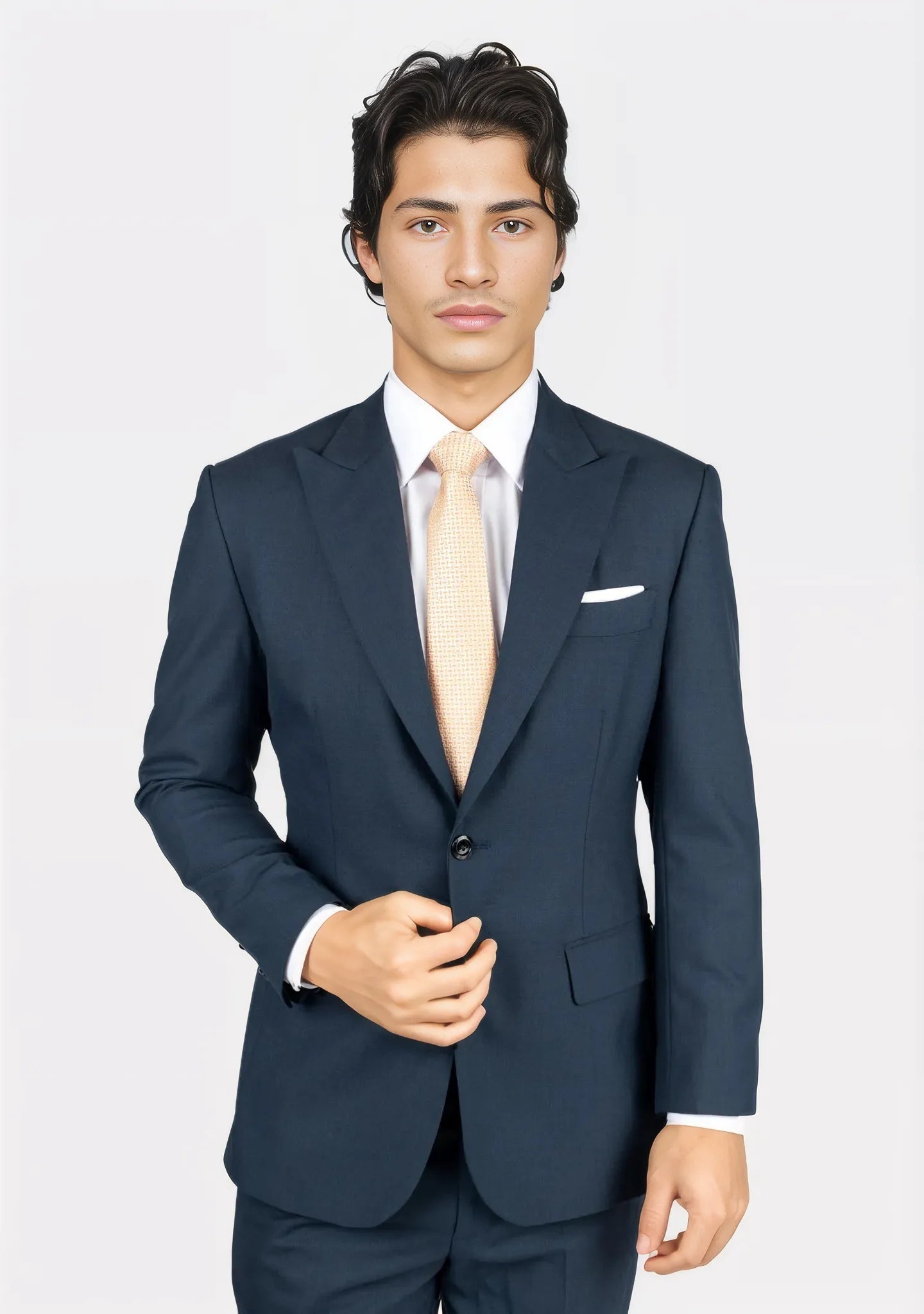
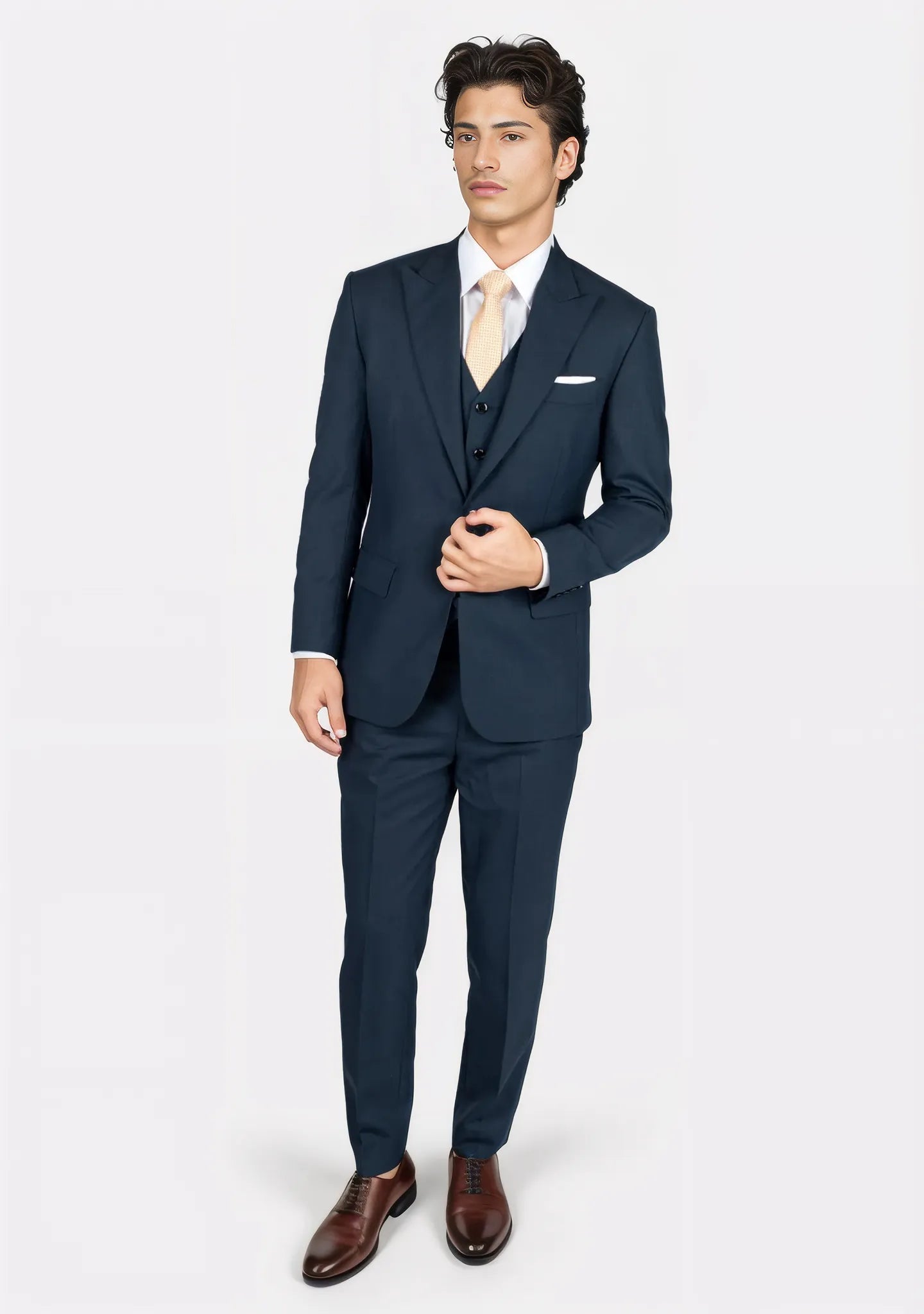
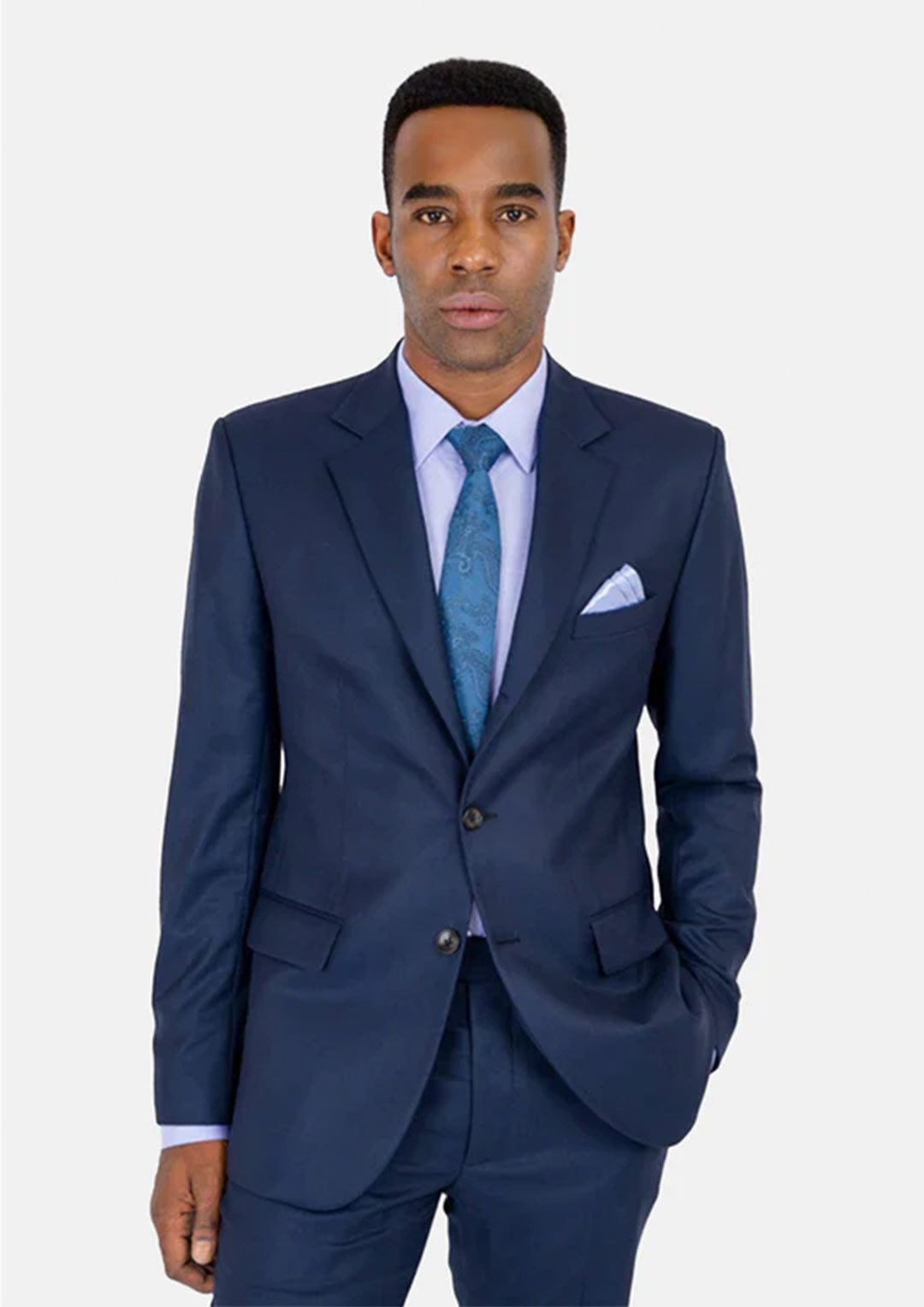
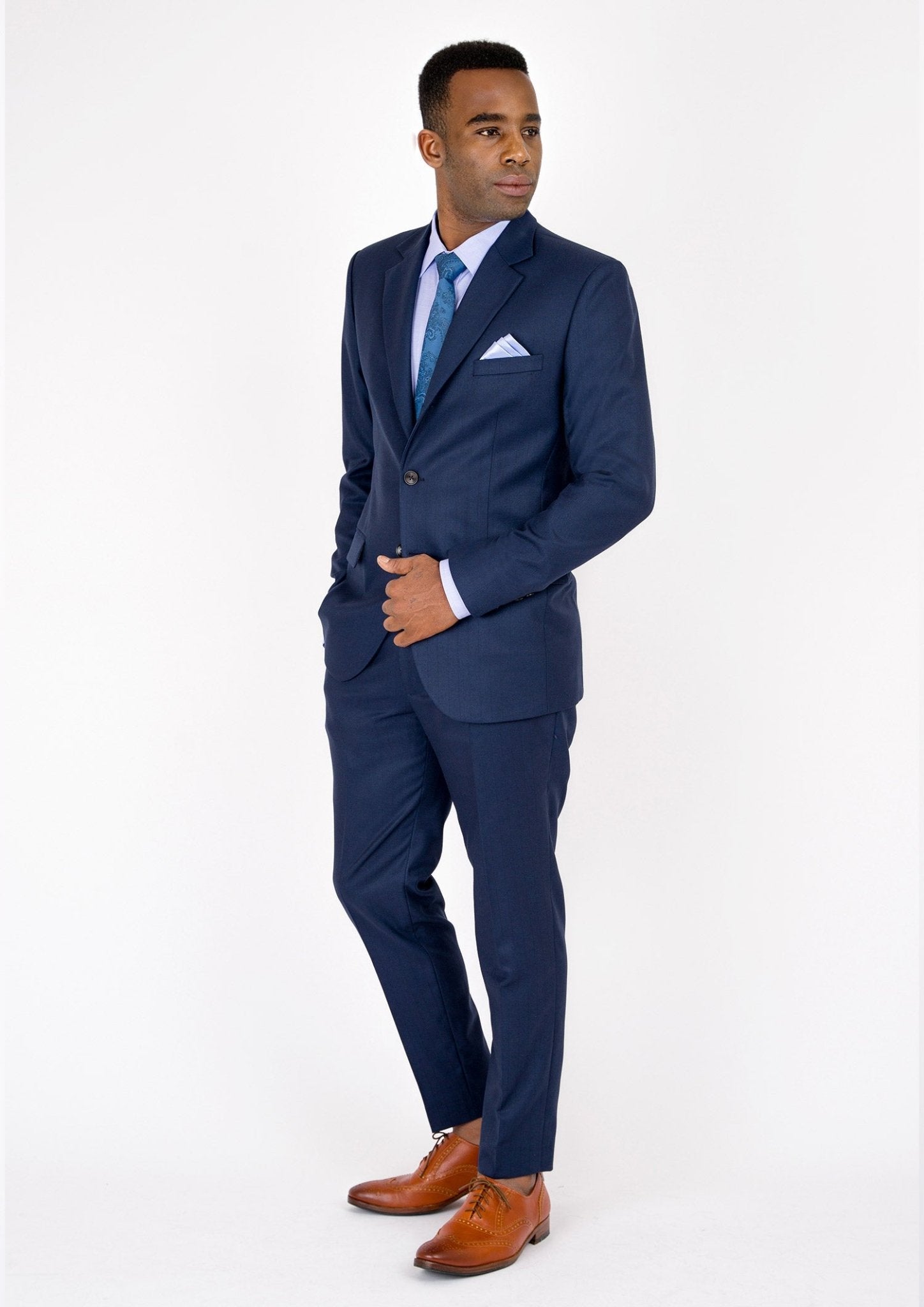
On the other side of the debate sits the fit. Like fabric, it is not black and white, and styles swing hard decade to decade. If you have seen the suits NBA players wore in the 90s, you know what an unflattering cut looks like. The current standard is simpler: a suit that follows your body.
Out are the oversized shoulders, pleated tents, and boxy jackets of that era. In is a clean cut that tracks your frame and reads as polished rather than borrowed.
Today there are three main ways to buy a suit, each with a different level of fit: off-the-rack, made-to-measure, and bespoke. Here is how they differ, with a fourth, modern path worth knowing about. For a fuller breakdown, see made-to-measure vs off-the-rack.
Off-the-rack, wallet-friendly and fine for some
Off-the-rack (OTR) suits are mass-produced in fixed sizes (38S, 42R, 46L, and so on). Think of it as an expanded version of small, medium, large. More sizes get you closer to your shape, but it is rarely hard to tell when a suit is OTR. The shoulder, the sleeve length, something will be off. A tailor can fix small things, but only so much. OTR also produces the most waste, which is part of why clothing is one of the harder industries on the environment.
Made-to-measure, a hybrid for a better fit
Made-to-measure (MTM) starts from a pre-set base pattern and adjusts it to the customer's measurements. That gets you a better starting fit than OTR, and like OTR it can be lightly altered afterward. MTM is a real step up, and factories are built to produce it at scale. Plenty of online suit brands sell MTM, sometimes under a "custom" banner. Men with less common proportions can still come up short, since the pattern starts from a fixed base rather than a clean sheet. For a clearer sense of where your body fits in, see how a suit should fit.
Bespoke, the traditional high-touch path
Bespoke is the traditional peak of suitmaking. Rather than adjusting a pre-cut pattern, a tailor draws a pattern from scratch for one person, then refines it over many in-person fittings, often five or more, reading and correcting the fit by eye. You get an exceptional result because the garment is built for you and no one else. It is also the most expensive and slowest route, since there is no mass production. The price carries more than the garment, too. You are paying for the consultation, the central storefront, and the in-person experience. It is a real craft, and for some men it is worth every bit of the time and cost.
Sartoro, the modern custom path
Sartoro takes a different route, and it is not bespoke. Sartoro cuts a pattern to each customer's own measurements, captured from real photos and a data layer built across tens of thousands of fit profiles. That technology narrows the margin of error on your measurements and removes the repeated, by-eye hand adjustment that traditional bespoke relies on. The digital tailor measurement technology can predict body measurements to within a few percent from a few simple inputs, no tape measure required.
The result is a custom-cut suit with bespoke-level fit benefits, but faster and more affordable than traditional bespoke. Fully customizable, premium fabrics, ordered online, no repeated tailor visits. If something is slightly off, an alteration credit comes with every suit, and first orders can be returned if you are not happy.
The verdict, fit matters, a lot
The fit is the first thing anyone notices, you included. A well-cut suit does not just look good, it feels good. The individual differences are subtle and hard to name one by one. Together, across the whole suit, they make all the difference. This is also where you can see, in plain terms, how a suit should fit on a real body rather than in theory.