


How to Take Your Measurements Like a Tailor

Contents

Ordering a suit online can give you a sharp fit and good value, but it asks one thing of you in return: accurate measurements. Done carefully, taking your own measurements at home takes under fifteen minutes and sets up everything that follows. Done carelessly, even the best cloth and cut will sit wrong. This guide walks through what you need, the key measurements and how to take each one, and the habits that keep them accurate.

A quick note before you start: you cannot simply borrow numbers a local tailor took for someone else's process. Every tailor measures slightly differently, with their own start and end points, so a set of measurements only works reliably with the system they were taken for. The good news is that self-measuring to a clear set of instructions is straightforward, and you only have to do it once.

Why your own measurements matter

A suit is cut to the numbers it is given, so the fit can only be as good as the measurements behind it. Small differences carry real weight: an inch off on the shoulder or chest changes how the whole jacket hangs. That is also why a tailor's measurements taken for a different maker rarely transfer cleanly, the reference points differ.

Measuring yourself to one consistent set of instructions removes that mismatch. You are capturing your body in its natural state for the exact system that will cut the suit, which is the most reliable input you can give. For a sense of what those numbers are aiming at, see how a suit should fit.

What you need before you start

You need very little, but the right tools matter:

  • A soft tape measure, the flexible cloth or fibreglass kind used for sewing. A rigid ruler or yardstick will not follow the body and will give wrong numbers.
  • A helper. Measuring yourself, especially the back, shoulders and sleeves, twists your posture and skews the result. A second person keeps the tape level and your stance natural.

Wear a thin, well-fitting shirt and trousers, not bulky layers, so the tape reads your body rather than your clothing. Have a pen and paper ready to write each number down as you go.

The key measurements and how to take each

Take these standing relaxed and upright. Keep the tape snug but not tight, level all the way around, and let your helper read each number.

  • Chest. Around the fullest part of the chest, under the arms and across the shoulder blades, tape level and parallel to the floor.
  • Shoulder width. Across the back, from the bony point of one shoulder to the other, following the natural line where the shoulder meets the arm.
  • Sleeve length. From the shoulder point, down the slightly bent arm to the wrist bone.
  • Jacket length. From the base of the collar at the back down to where you want the jacket to end, roughly level with the knuckles of a relaxed hand.
  • Waist. Around your natural waistline over the shirt, standing normally, without pulling the tape in.
  • Hips/seat. Around the fullest part of the seat, tape level.
  • Inseam. From the crotch seam down the inside of the leg to the top of the shoe, ideally measured from a pair of well-fitting trousers laid flat.
  • Neck. Around the base of the neck where a collar sits, with one finger's room left for comfort.

If a brand provides tutorial videos for its own system, follow them closely for the exact start and end points, since those override any general description.

Tips for accurate measurements

A few habits make the difference between numbers that work and numbers that do not:

  • Stand naturally, do not flex. You will wear the suit relaxed, so measure relaxed. Inflating your chest or sucking in your waist only makes the finished suit fit worse.
  • Note the start and end point of each measurement. Many can be taken several plausible (wrong) ways. Be deliberate about where the tape begins and ends.
  • Measure each one twice, ideally three times. Numbers drift between attempts. Take the average; if your readings are within half an inch, you are in good shape.
  • Keep the tape level and snug. A tape that sags or tilts adds phantom inches.

A faster alternative: photo-based measuring

If self-measuring feels fiddly, some makers now offer a photo-based alternative. Sartoro's digital tailor, for example, predicts your measurements from a few simple photos and a data layer built across many fit profiles, so you can complete the process online in a couple of minutes without a tape measure. It is an optional route rather than a requirement, and every Sartoro suit comes with an alteration credit if a final tweak is needed. You can read more about the digital tailor measurement technology.

Whichever route you choose, the goal is the same: a clean, accurate set of numbers that lets the suit be cut to you.

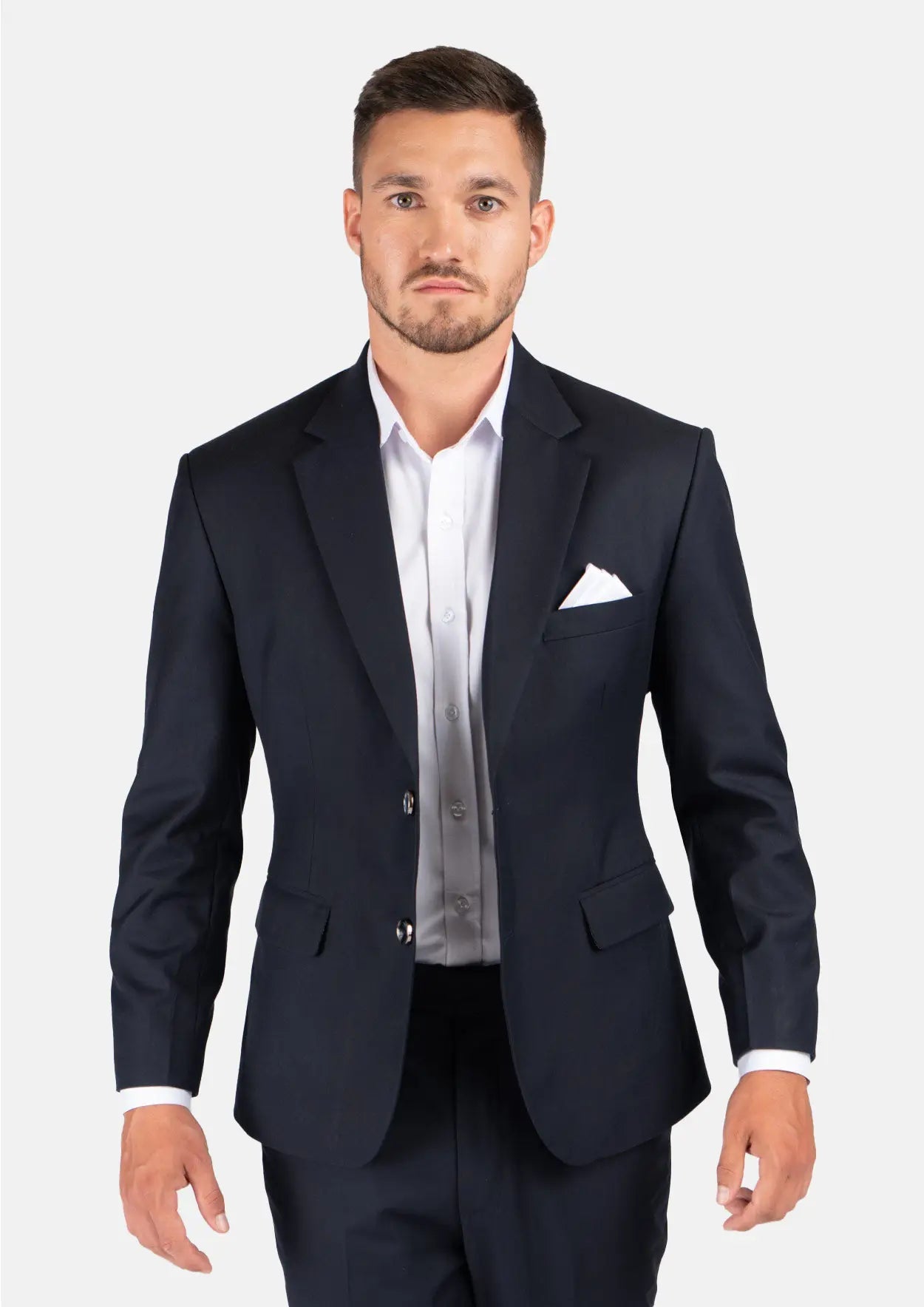
Astor Dark Navy Twill Suit201 Astor Dark Navy Twill Suit850
All Season Wool in a Classic Weave
$525
Charcoal Prince of Wales Suit604 Charcoal Prince of Wales Suit327
Premium
All-season premium wool blend
$645

Frequently asked questions

Can I use measurements a tailor already took for me?

Usually not directly. Every tailor uses slightly different start and end points, so measurements taken for one system may not translate to another. It is safer to measure to the specific instructions of the maker who will cut your suit.

Do I really need someone else to measure me?

For the best results, yes. Self-measuring distorts your posture, especially for the back, shoulders and sleeves, which throws the numbers off. A helper keeps the tape level and your stance natural.

What kind of tape measure should I use?

A soft, flexible cloth or fibreglass tape, the kind used for sewing. Rigid rulers and metal builder's tapes cannot follow the body and will give inaccurate measurements.

How accurate do my measurements need to be?

Aim to be within about half an inch. Measuring each point two or three times and averaging gets you there. Minor differences can usually be corrected with a small alteration once the suit arrives.

How long does it take to measure myself?

With a tape measure, a helper and clear instructions, the whole process takes under fifteen minutes, and you only need to do it once.

About the author

Expert insights from our team

Blake Vincent

Blake Vincent

Senior Menswear ConsultantSenior Menswear Consultant

I’m Blake Vincent, Sartoro’s menswear advisor. I’ve helped over 200 weddings and clients across the USA find clothing that fits their lives and personalities. My goal is to make you look great and feel confident, with honest advice and practical tips—always here if you want to chat about style!

15+ years experienceThe Wedding Closer
Certified Style ConsultantStyle & Fit Specialist
Published AuthorSartoro Blog Contributor

Popular Posts

Your cart is empty
Looking for ideas?
We'll send measurement instructions
to you. Or create your fit profile now.
    Secured checkout through Shopify with: